
Christ presented to the people: oblong plate — História e Análise
In the poignant stillness of this moment, the weight of isolation hangs heavy, echoing through the expressions of those present. Each figure becomes a solitary island, encased in their own thoughts and stories, yet bound together by the palpable tension in the air. Look closely at the central figure—he stands tall, radiating an ethereal light that draws your gaze. The vivid contrast between the luminescent flesh of Christ and the shadowy, muted tones of the surrounding crowd illustrates a stark dichotomy between the divine and the mundane.
Notice how Rembrandt uses chiaroscuro—intense shadows and brilliant highlights—to sculpt the emotional landscape, guiding your eyes around the canvas while emphasizing the isolation of the central character amid the throng. The expressions on the faces surrounding Christ reveal layers of complexity. Some listeners are captivated, while others exhibit skepticism, reflecting a societal divide that lingers in many hearts. The gestures of the onlookers—some raised hands, others crossed arms—speak volumes, revealing a community grappling with profound spiritual loneliness and existential questions.
Their varied postures create an intricate web of emotional tension that invites contemplation on the nature of faith and acceptance. In 1655, Rembrandt painted this piece during a tumultuous period in his life, marked by personal loss and financial struggles. Living in Amsterdam, he navigated a world of shifting artistic paradigms while facing the decline of his popularity. This painting serves as a reflection of his internal conflicts and artistic evolution, encapsulating the loneliness that often accompanies both the search for meaning and the artist’s own solitary journey.
Mais obras de Rembrandt van Rijn
Ver tudo →
The Night Watch Militia Company of District II under the Command of Captain Frans Banninck Cocq
Rembrandt van Rijn

The Return of the Prodigal Son
Rembrandt van Rijn

The Hundred Guilder Print: the figures leaning on the wall in the centre left
Rembrandt van Rijn

The Hundred Guilder Print: the central piece with Christ preaching, the plate arched
Rembrandt van Rijn

Isaac and Rebecca, Known as ‘The Jewish Bride’
Rembrandt van Rijn
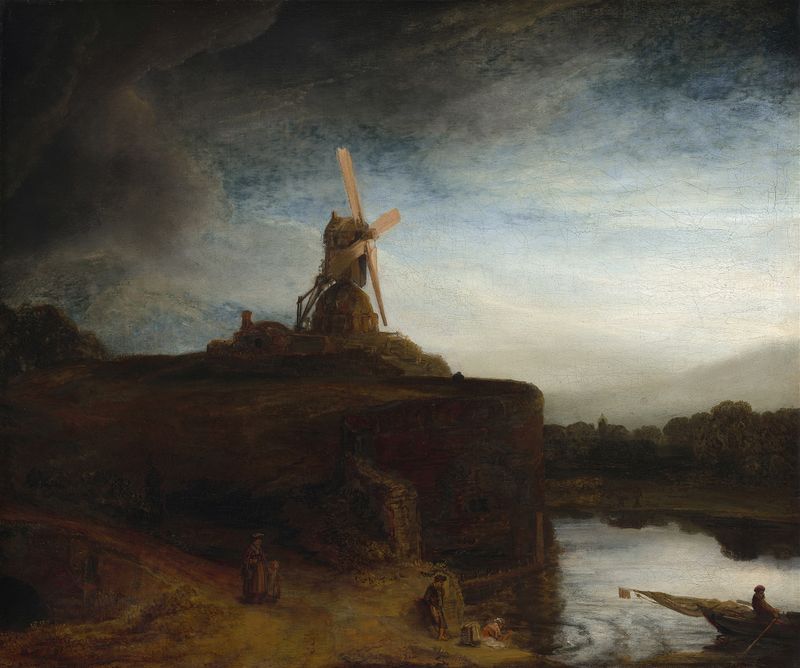
The Mill
Rembrandt van Rijn

The Sampling Officials of the Amsterdam Drapers’ Guild, Known as ‘The Syndics’
Rembrandt van Rijn

The return of the prodigal son
Rembrandt van Rijn
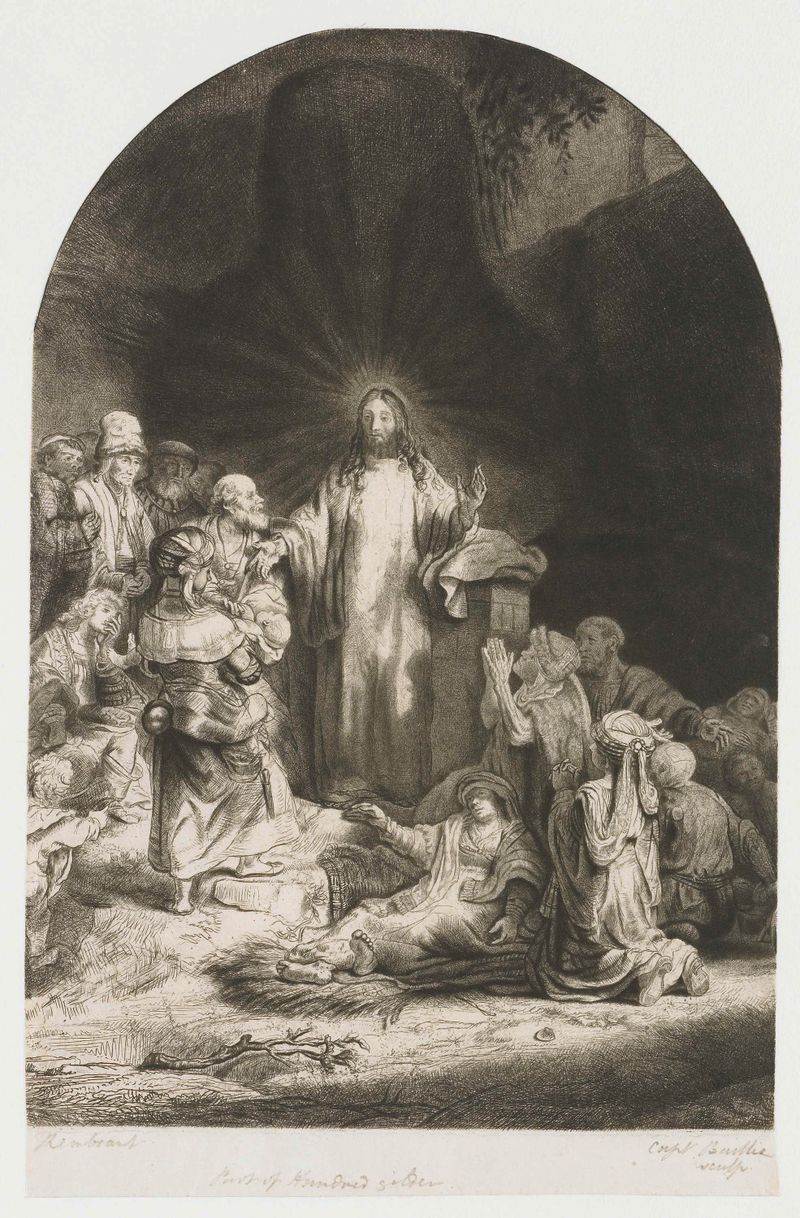
The Hundred Guilder Print: the central piece with Christ preaching, the plate arched
Rembrandt van Rijn

The Hundred Guilder Print: the man seen on the back in the lower left corner
Rembrandt van Rijn
Mais arte de Arte Religiosa
Ver tudo →The Return of the Prodigal Son
Rembrandt van Rijn

The Garden of Earthly Delights
El Bosco

Count Orgaz’ funeral
El Greco
The Hundred Guilder Print: the central piece with Christ preaching, the plate arched
Rembrandt van Rijn

The Descent from the Cross
Rogier van der Weyden
The return of the prodigal son
Rembrandt van Rijn