
Christus aan het volk getoond (Ecce homo) — História e Análise
The fleeting essence of a moment captured on canvas can resonate long after the brush is set down, echoing the dreams and aspirations we hold dear. In Ecce homo, focus on the figure at the center, an embodiment of grace and sorrow. The intricate details of Christ’s visage draw your gaze immediately; the deep furrows of his brow and the pained glare in his eyes carve a powerful contrast against the soft hues of his skin. Look closely at the drapery surrounding him; the rich reds and blues cascade elegantly, their folds meticulously rendered to evoke movement and emotion.
The encroaching darkness at the edges invites the viewer to feel the tension of the surrounding crowd, giving a sense of urgency. As you delve deeper, the blend of light and shadow unveils a poignant juxtaposition: the serene face of Christ juxtaposed against the tumultuous reactions of the onlookers. Each face tells a story; some are filled with awe, others with disdain, while a few reveal a haunting indifference. This interplay raises questions about perception, belief, and the burden of public spectacle.
The painting seems to embody a dreamlike confrontation with faith and humanity, reflecting our own struggles to reckon with the divine in an often indifferent world. Jacques Callot created this profound piece between 1624 and 1625, during a time when Europe was grappling with the aftermath of the Thirty Years’ War, a period marked by hardship and division. Callot, known for his masterful engravings and compelling narratives, was living in Nancy, France, where he sought to blend the ethereal and the tangible, capturing the complexities of human emotion and experience in a world rife with conflict.
Mais obras de Jacques Callot
Ver tudo →
Titelprent voor de prentreeks 'De kleine apostelen' (Het martelaarschap van de apostelen)
Jacques Callot
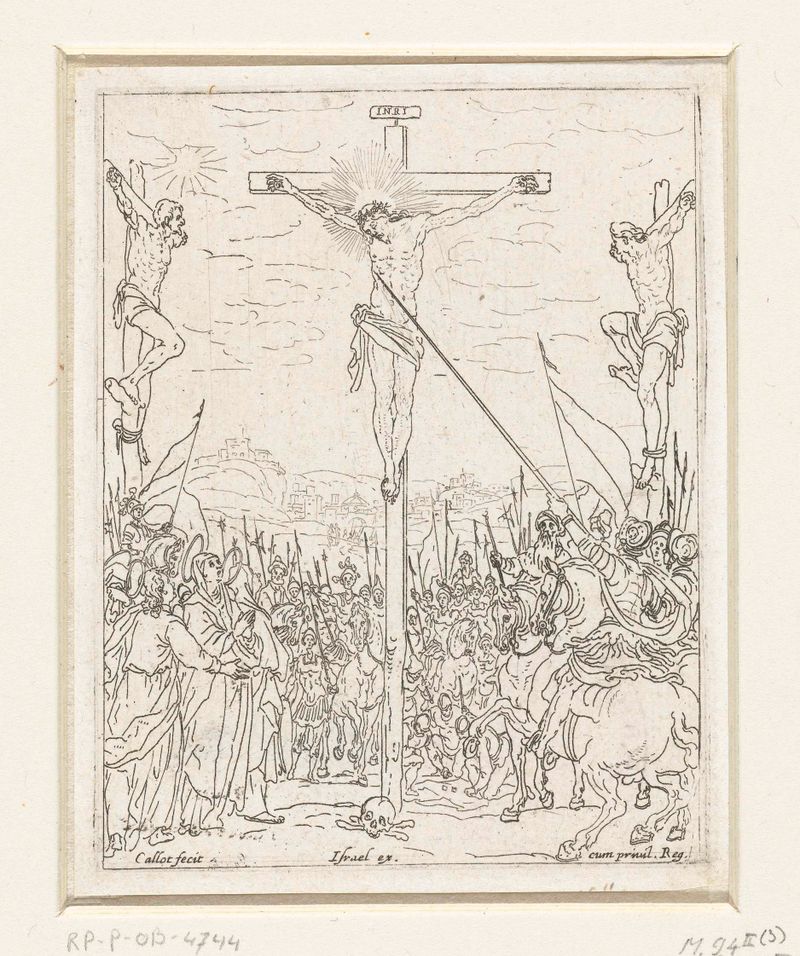
Kruisiging
Jacques Callot

De doortocht door de Rode Zee
Jacques Callot

De verloren zoon als zwijnenhoeder
Jacques Callot

Annunciatie
Jacques Callot
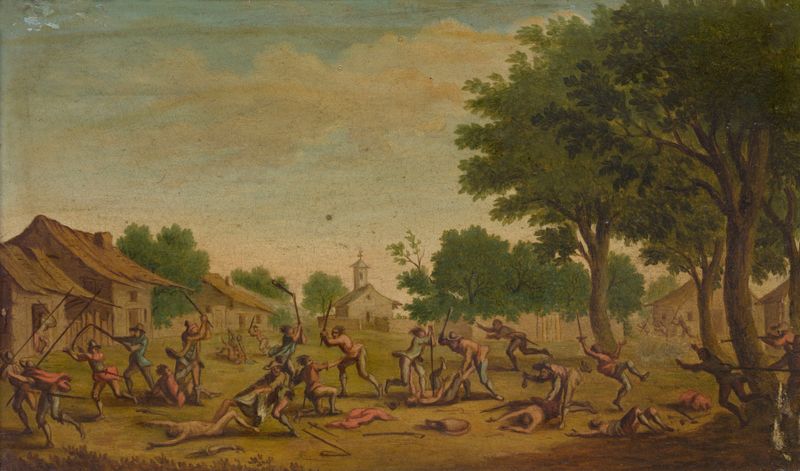
Village Fight
Jacques Callot

Titelprent voor prentreeks 'Het leven van Maria'
Jacques Callot
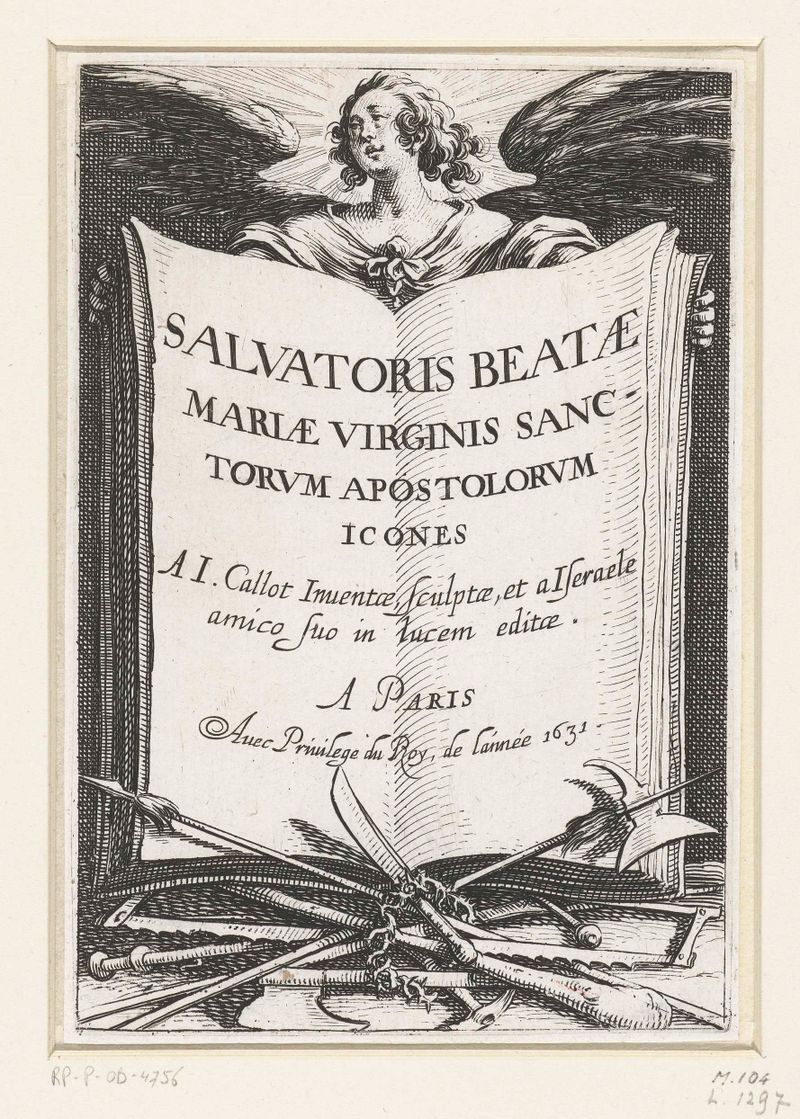
Titelprent voor de prentreeks 'De grote apostelen' (Christus, Maria en de apostelen)
Jacques Callot

Christus aan het volk getoond (Ecce homo)
Jacques Callot
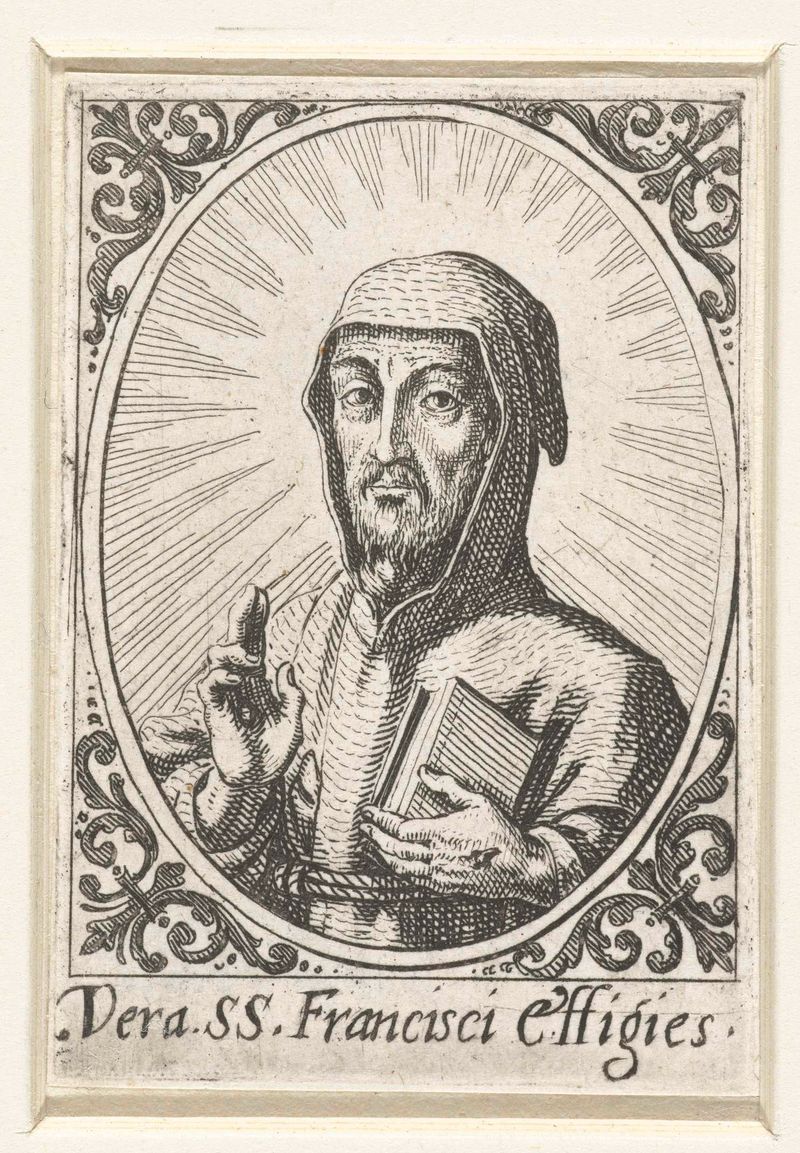
Portret van de Heilige Franciscus
Jacques Callot
Mais arte de Arte Religiosa
Ver tudo →
The Return of the Prodigal Son
Rembrandt van Rijn

The Garden of Earthly Delights
El Bosco

Count Orgaz’ funeral
El Greco

The Hundred Guilder Print: the central piece with Christ preaching, the plate arched
Rembrandt van Rijn

The Descent from the Cross
Rogier van der Weyden

The return of the prodigal son
Rembrandt van Rijn