
Corso Sant’Anastasia, Verona — História e Análise
Movement dances through the canvas, capturing fleeting moments as they unfold in the streets of Verona. The vibrant energy of daily life echoes from the artwork, inviting viewers to immerse themselves in its dynamic rhythm. Focus first on the left side of the painting, where soft sunlight spills down the cobblestone path. Notice how the artist skillfully employs warm ochres and rich greens, creating a harmonious balance that draws you into the scene.
As your eyes wander, the figures emerge—locals and visitors alike, their postures alive with conversation and joy. The juxtaposition of the still architecture against the lively figures reflects a beautiful tension, as buildings anchor the scene while people breathe life into it. Hidden within this vibrant tableau are deeper meanings. The way the pedestrians almost dissolve into the background speaks to the transient nature of human experience; moments that will never be repeated.
The play of light and shadow suggests an eternal passage, with each figure a whisper of forgotten stories. This duality of permanence and ephemerality imbues the painting with an emotional depth that resonates beyond its initial charm. In 1828, the artist was deeply engaged with capturing the essence of places he loved, often traveling through Italy. Living in Paris, Bonington was influenced by the Romantic movement, which prioritized emotion and spontaneous expression.
His works, such as this, reflect a desire to connect viewers with the beauty of life’s fleeting moments, as he deftly melded observation with imagination.
Mais obras de Richard Parkes Bonington
Ver tudo →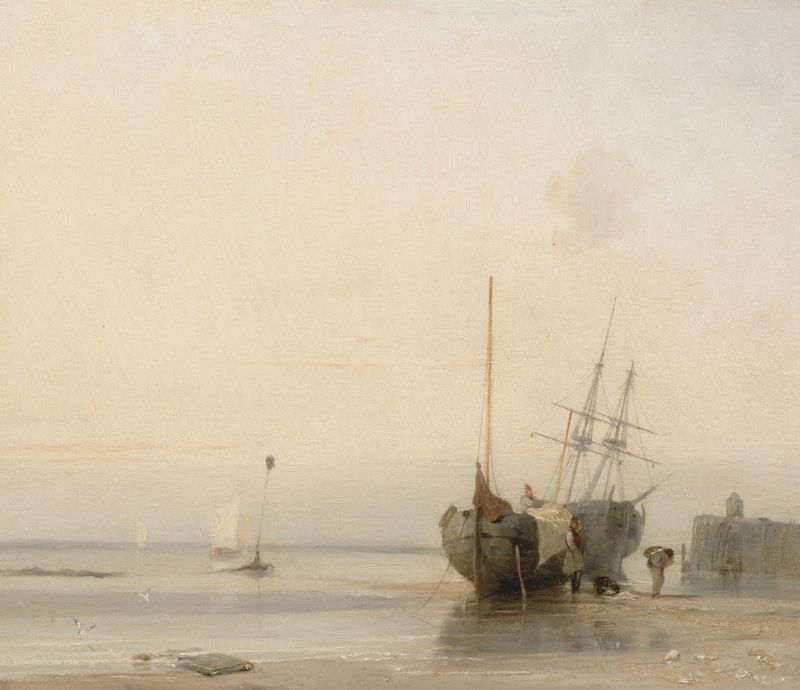
Calais Jetty, France
Richard Parkes Bonington
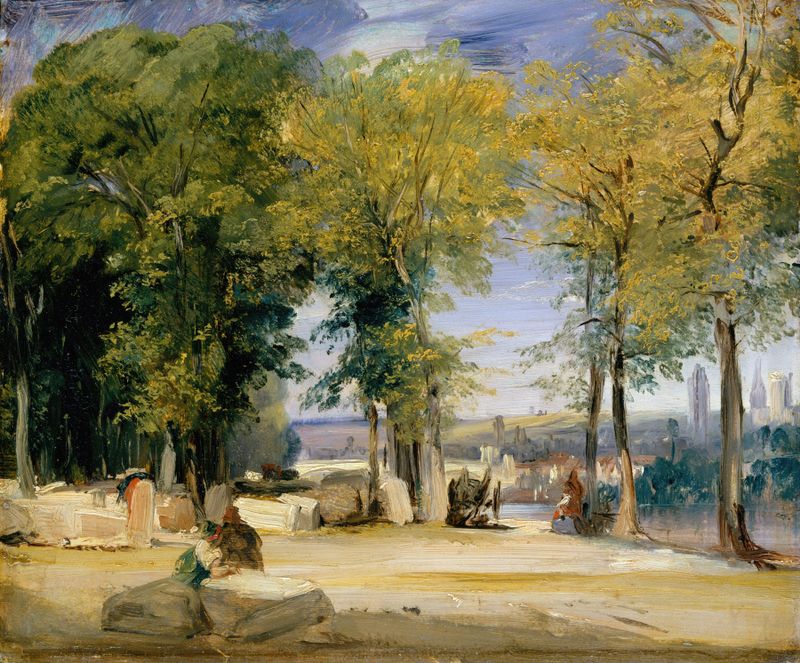
View near Rouen
Richard Parkes Bonington
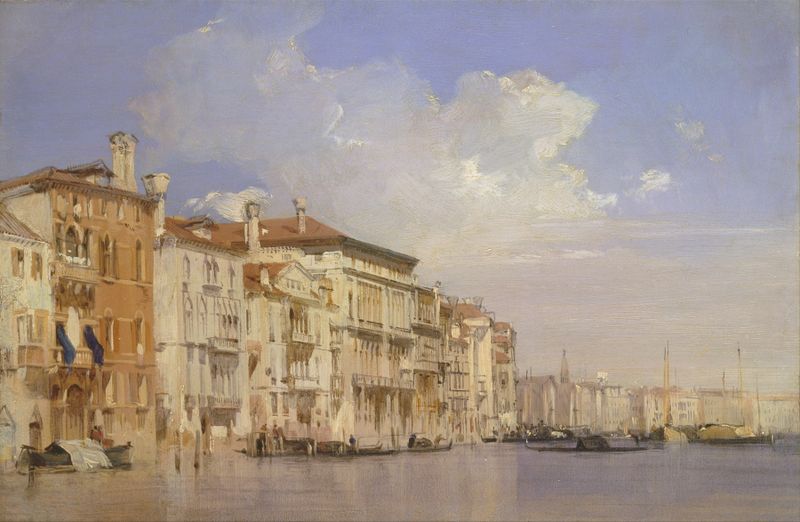
Grand Canal, Venice
Richard Parkes Bonington
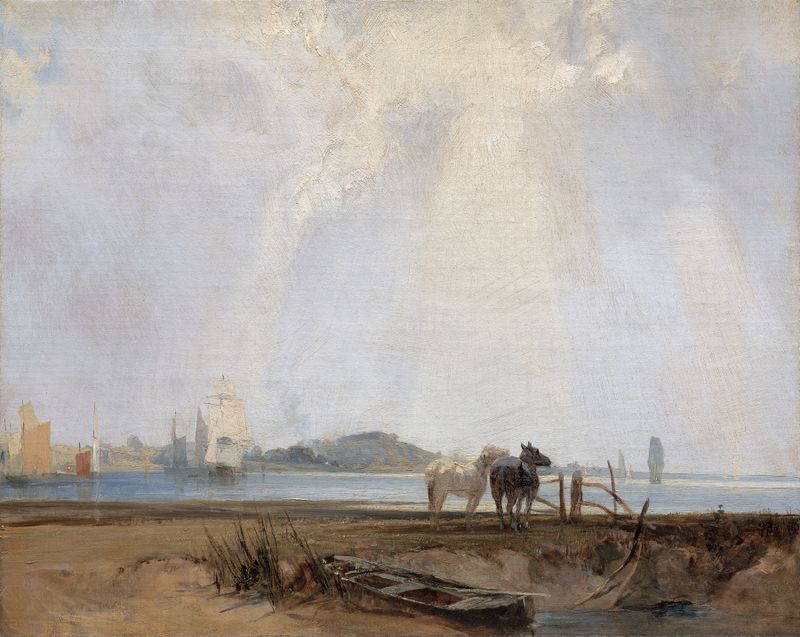
Near Quillebeuf
Richard Parkes Bonington
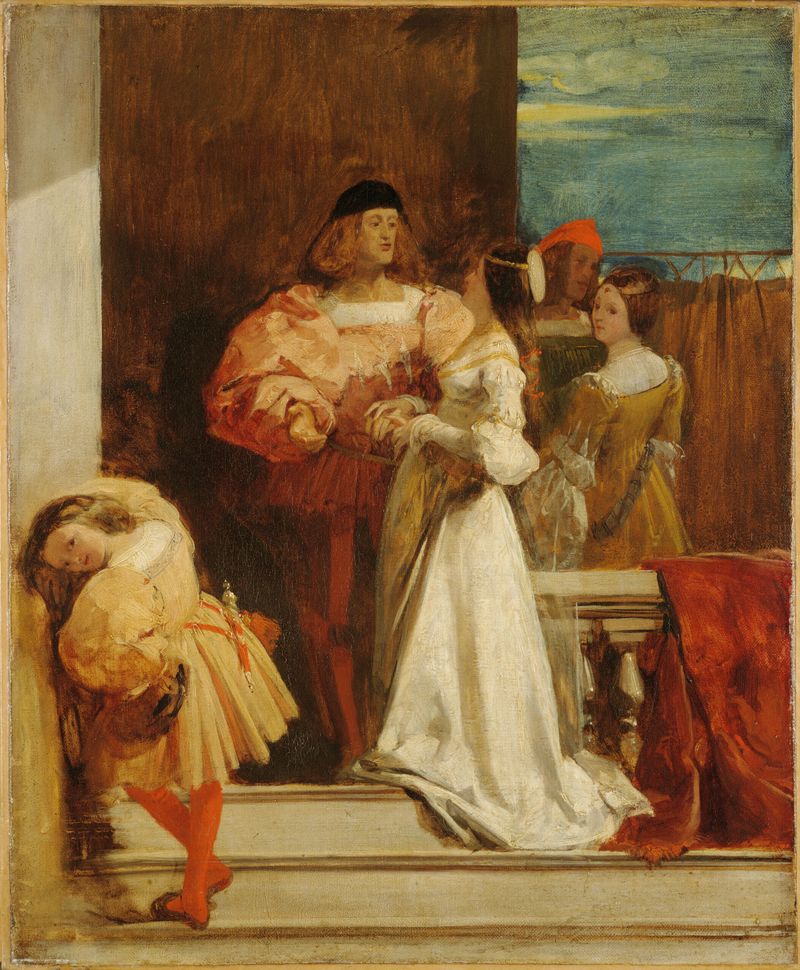
Evening in Venice
Richard Parkes Bonington
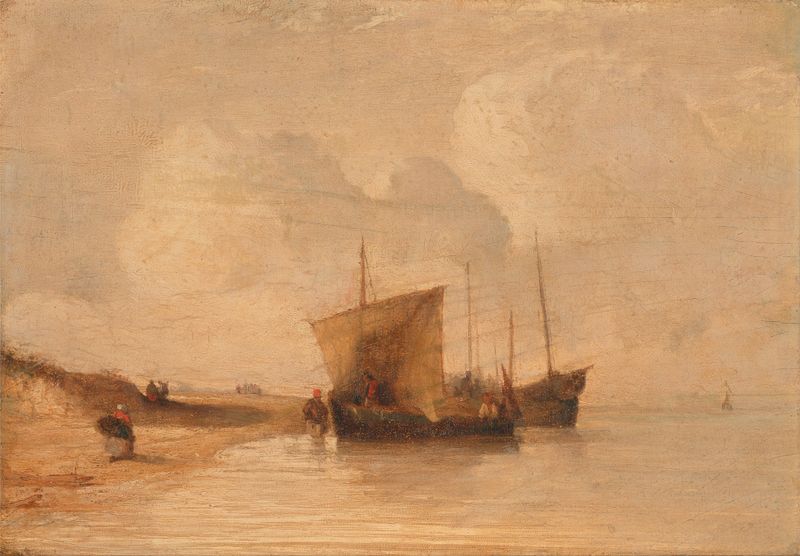
Normandy Coast
Richard Parkes Bonington
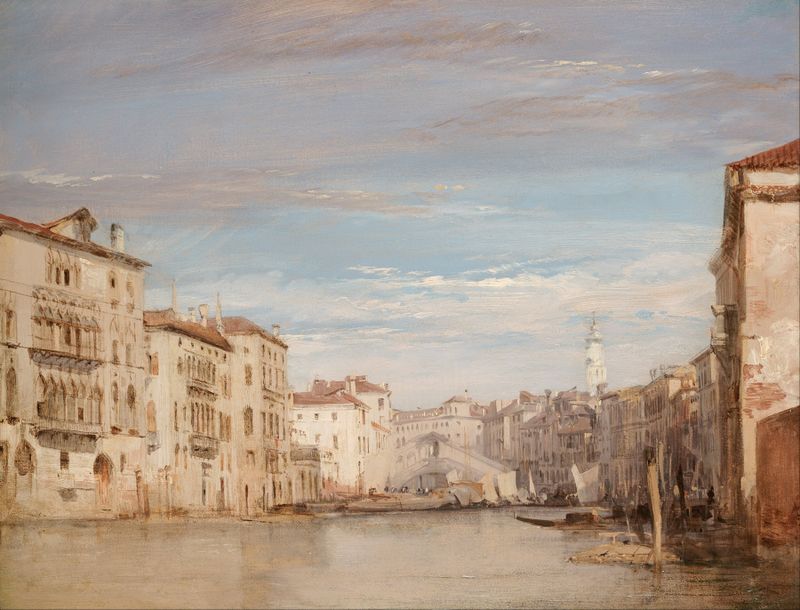
The Grand Canal, Venice, Looking Toward the Rialto
Richard Parkes Bonington
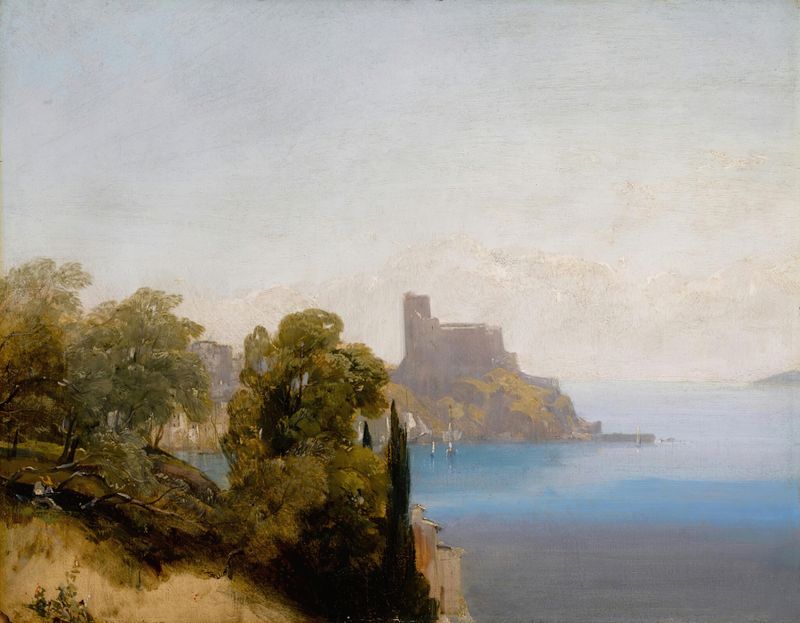
View of Lerici with Baron Charles Rivet sketching in the foreground
Richard Parkes Bonington
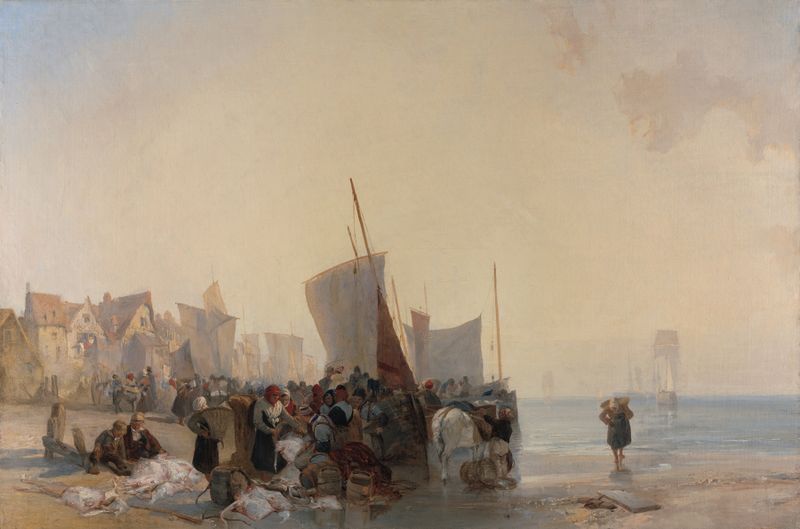
A Fish-market near Boulogne
Richard Parkes Bonington
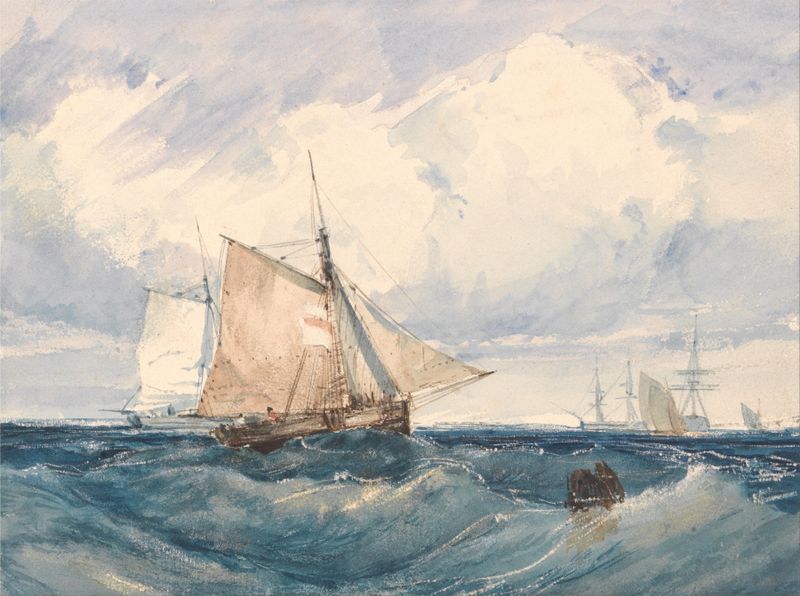
A Cutter and other shipping in a Breeze
Richard Parkes Bonington





