
Côte de l’Esterel — História e Análise
In Côte de l’Esterel, a vibrant landscape unfurls, revealing a poignant interplay of sorrow and splendor. It invites contemplation on the duality of existence, where the brilliance of nature masks underlying emotional truths. Look to the foreground, where the striking pinks and oranges of the rocks stand boldly against the deep blues of the sea. Notice how the brushwork, lively and textured, captures the essence of movement — the waves lapping against the shore, the sun setting in a blaze of color.
As your gaze travels across the canvas, the horizon melds into a soft gradient, creating a seamless connection between land and sky. Each stroke, each hue, celebrates the vibrancy of life while hinting at a deeper, almost melancholic narrative. Within the tranquility of this seascape lies a profound contrast. The brilliance of the colors may suggest joy, yet the rugged terrain evokes a sense of isolation and loss.
Shadowy crevices within the rocks might symbolize hidden grief, a reminder of the struggles that exist beneath the surface of beauty. The gentle waves that lap at the coast can be seen as a metaphor for time, perpetually washing away remnants of the past while leaving behind the echoes of what once was. In 1905, Armand Guillaumin painted Côte de l’Esterel during a period marked by personal and artistic evolution. Living in France, he was associated with the Impressionist movement, yet he sought a unique voice that explored the interplay of light and color.
At this time, he grappled with the loss of loved ones and the changing world around him, imbuing his work with a depth that resonates with the struggles of the human experience.
Mais obras de Armand Guillaumin
Ver tudo →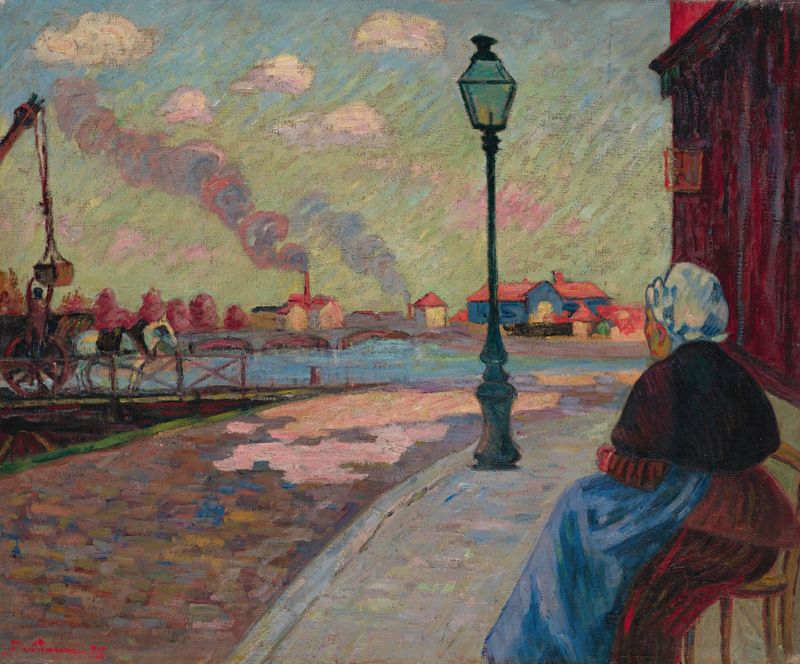
La Seine À Charenton
Armand Guillaumin
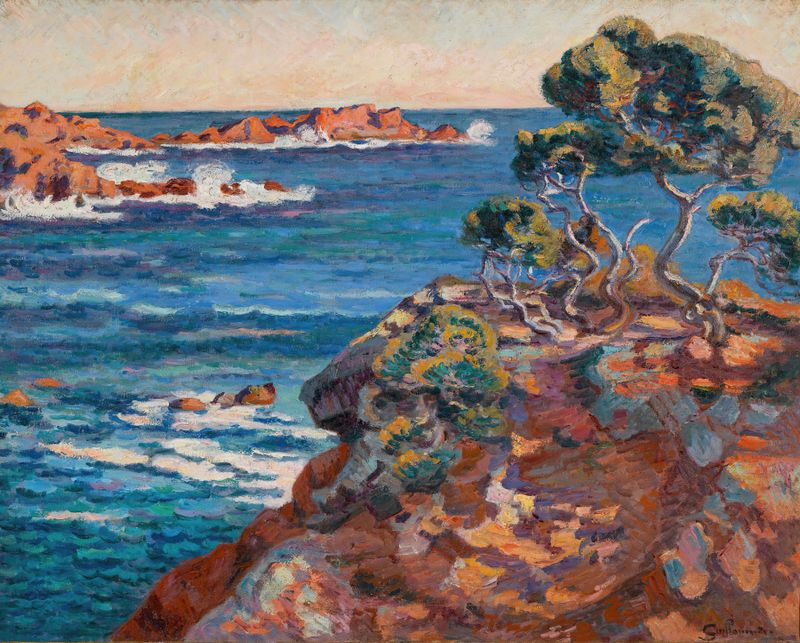
Bord De Mer À Agay
Armand Guillaumin
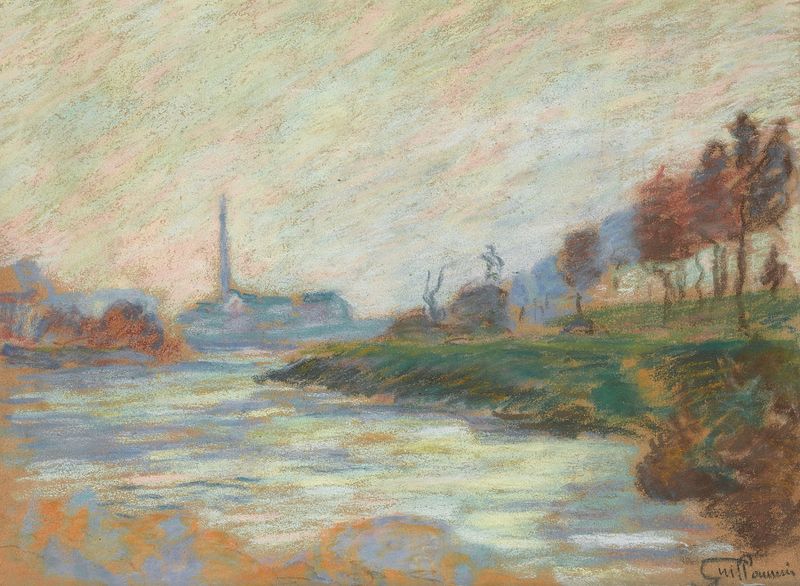
Confluent De La Marne Et De La Seine, Île De La France
Armand Guillaumin

Le Ravin de la folie, vue de Chateau Crozant
Armand Guillaumin
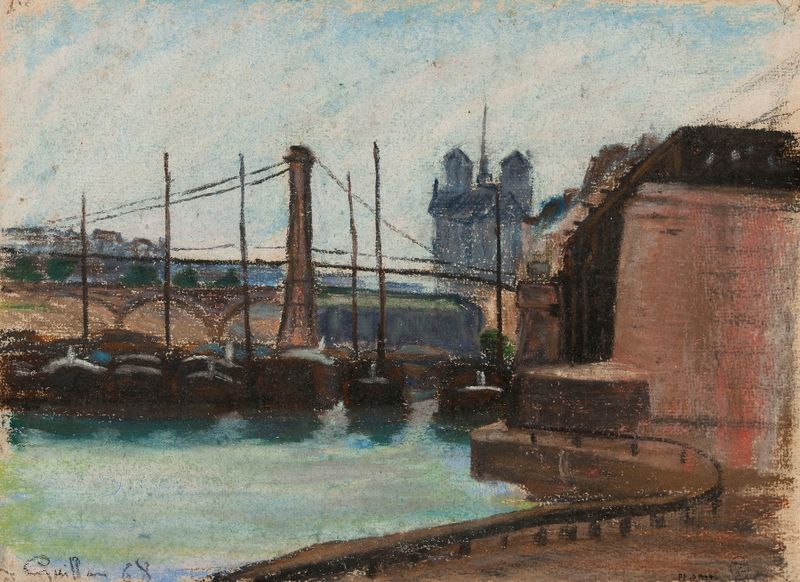
Le Pont d’Austerlitz
Armand Guillaumin

Paysage de Printemps
Armand Guillaumin
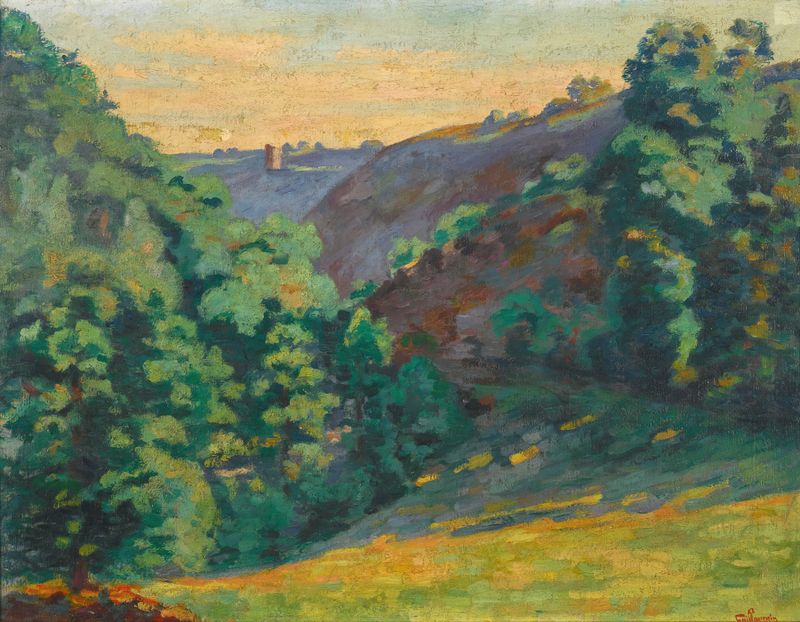
Crozant, Le Ravin De La Sedelle À La Folie
Armand Guillaumin
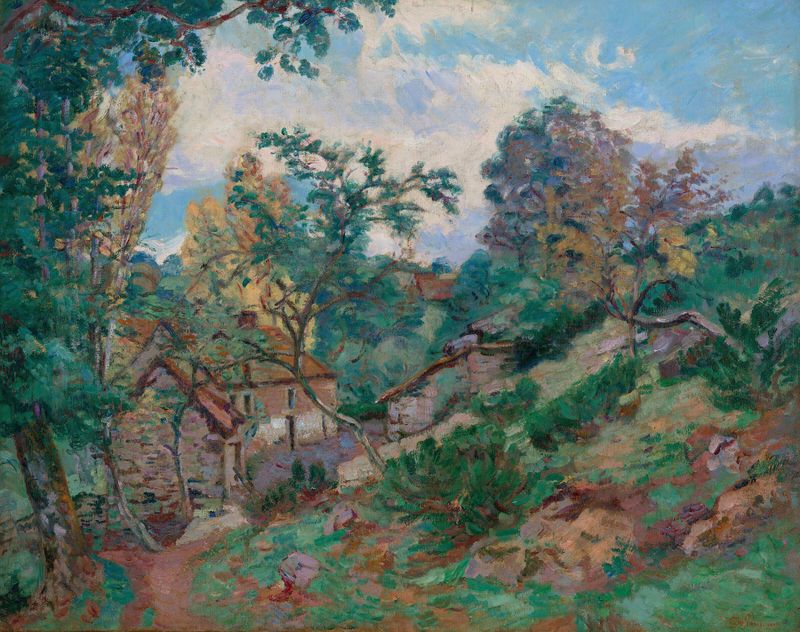
Paysage
Armand Guillaumin

La vallée de la creuse
Armand Guillaumin

L’Eglise Saint-Sulpice, Paris
Armand Guillaumin





