
Dancing Couple — História e Análise
What secret hides in the quiet of the canvas? Within it lies a dance that transcends mere movement — a destiny entwined in the embrace of two figures lost in rhythm. Look to the left at the couple, their bodies gracefully aligned, exuding a sense of joyous abandon. The warm hues of ochre and deep browns dominate the scene, inviting a sense of intimacy. Notice how the interplay of light casts playful shadows, emphasizing their gestures, while the dilapidated background hints at a world outside the dance.
The delicate brushwork captures the flow of their garments, creating an illusion of the moment suspended in time. As you observe closely, the contrasting expressions between the dancers invite contemplation. Their exuberance resonates against the somber tone of the surrounding figures, perhaps reflecting the tension between fleeting joy and the weight of circumstance. The subtle inclusion of a dimly lit tavern suggests an escape from reality, underscoring the fragility of happiness in a world filled with hardship.
This moment, woven with both celebration and melancholy, speaks to the universal quest for connection amidst life's uncertainties. The artwork emerged from a period in the Netherlands where genre painting flourished, particularly in the mid-17th century. Adriaen van Ostade, known for his depictions of peasant life, painted Dancing Couple around 1635, during a time of burgeoning artistic exploration. The artist, based in Haarlem, was deeply influenced by the vibrancy and complexity of everyday experiences, capturing a fleeting moment that invites viewers to reflect on the joys and struggles inherent in human existence.
Mais obras de Adriaen van Ostade
Ver tudo →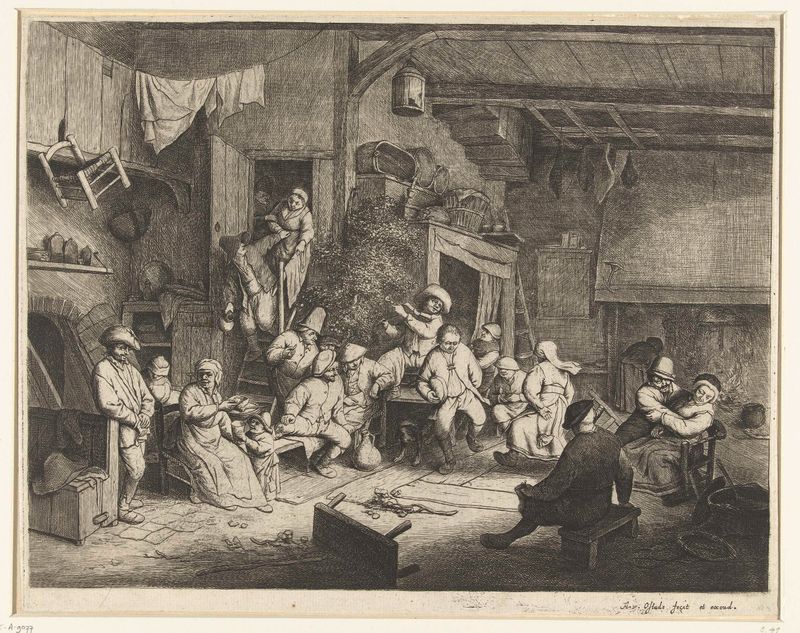
Dans in de herberg
Adriaen van Ostade
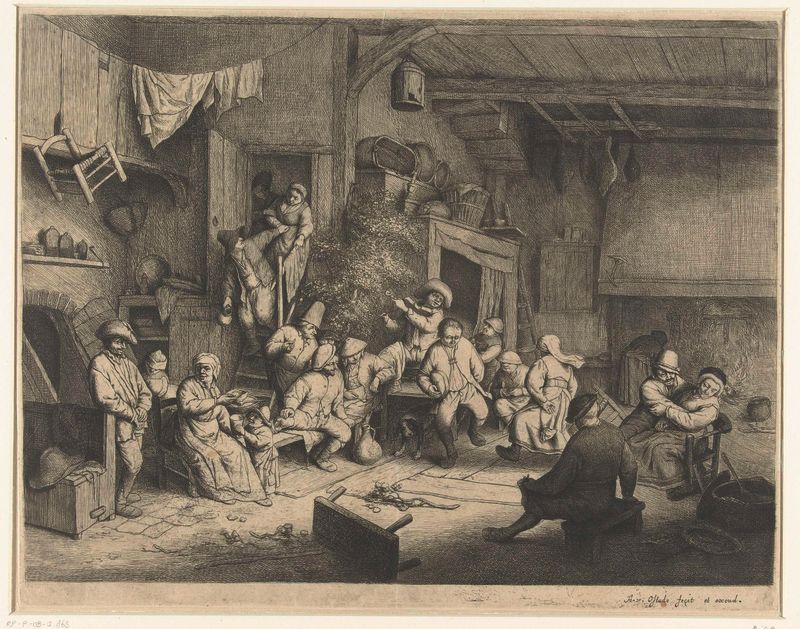
Dance at the Inn
Adriaen van Ostade

Travellers Halted At A Country Inn
Adriaen van Ostade
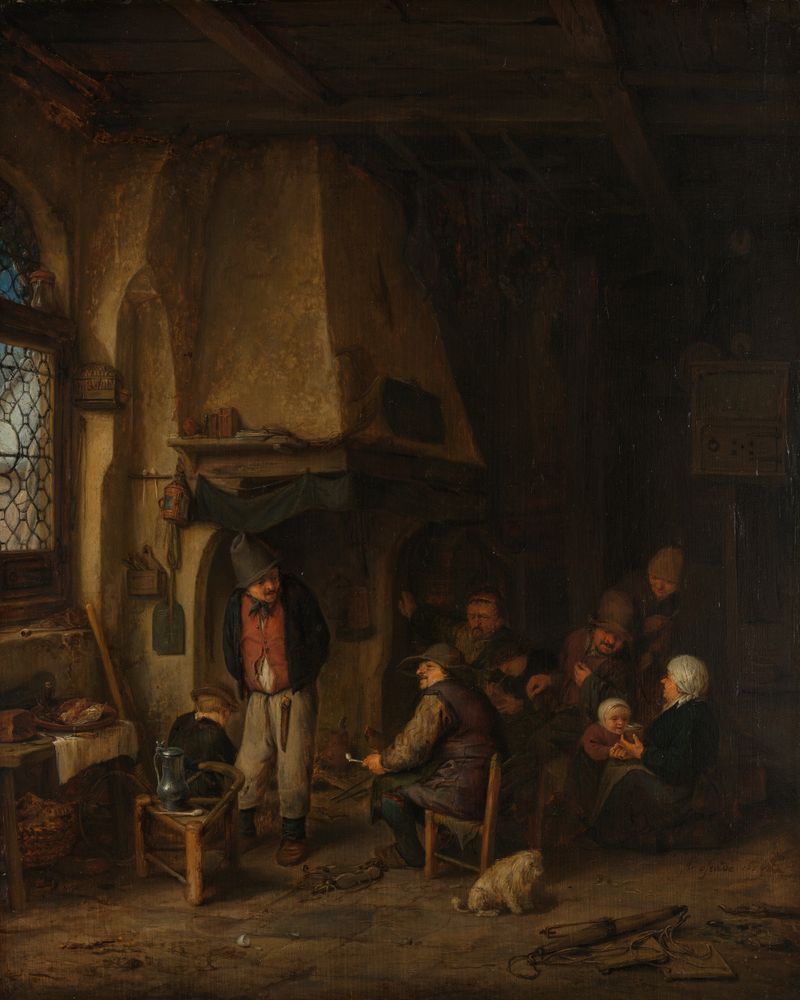
‘The Skaters’: Peasants in an Interior
Adriaen van Ostade

Dans in de herberg
Adriaen van Ostade

Merrymakers in an Inn
Adriaen van Ostade
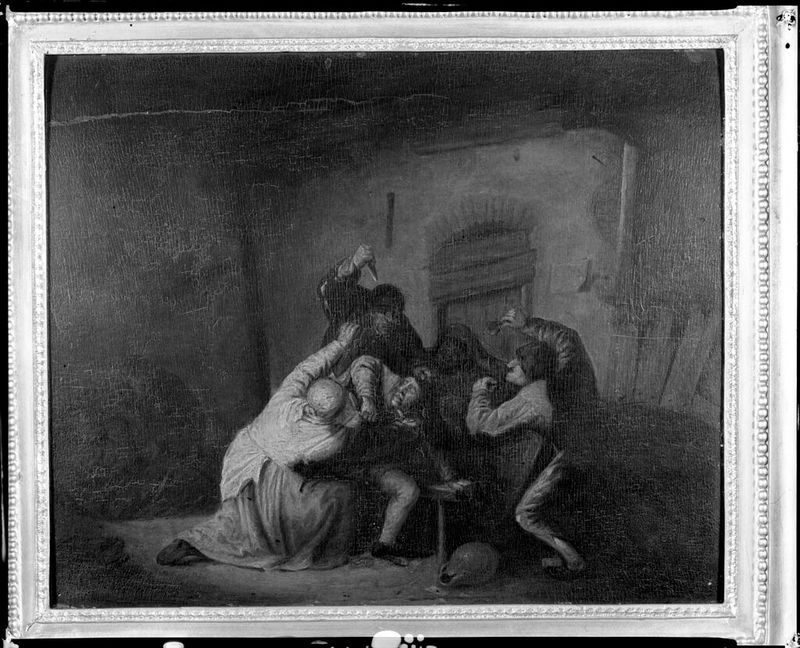
Peasants Brawling in a Tavern
Adriaen van Ostade
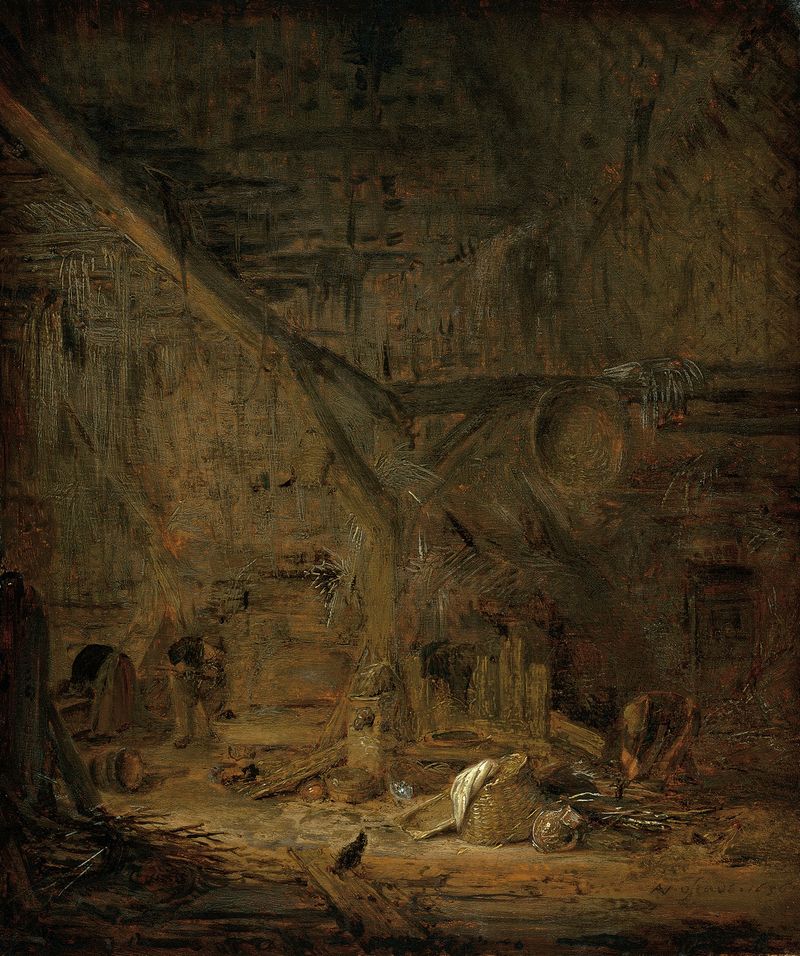
Interior of a Barn
Adriaen van Ostade

Man with a Tankard at a Window
Adriaen van Ostade
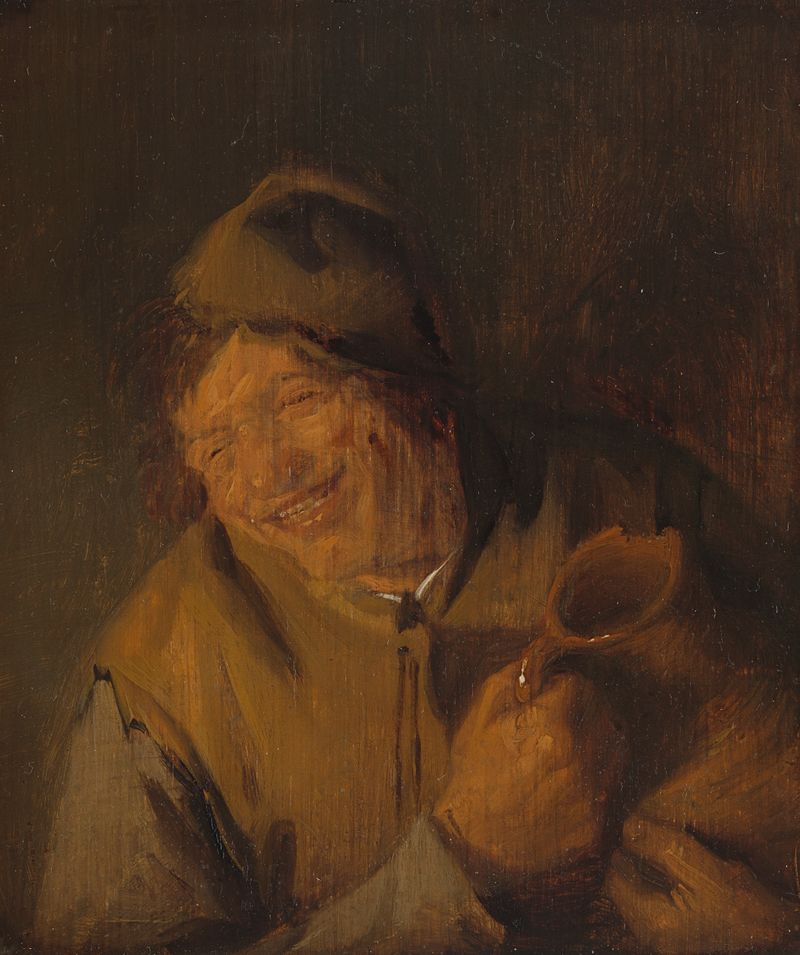
The Merry Peasant
Adriaen van Ostade





