
David schrijft psalmen — História e Análise
What if beauty was never meant to be finished? In Hans Holbein’s David schrijft psalmen, the haunting emptiness of the canvas whispers this truth, inviting us to confront the void between aspiration and fulfillment. Look to the center of the composition, where the figure of David is poised, quill suspended above parchment. The meticulous detailing of his garment, rendered in rich, muted colors, draws the eye immediately, emphasizing the weight of his task. Notice how the light, soft yet deliberate, bathes his face, illuminating the pensive expression that hints at both dedication and despair.
The background, a quiet expanse of shadow, reinforces the solitude of this moment, suggesting a world beyond that remains uncharted. Within this scene lies a profound tension between creation and the act of waiting. David’s stillness encapsulates the struggle of inspirational pursuit—each note of his psalm is a fleeting thought, a potential yet to be realized. The emptiness surrounding him symbolizes both the boundless freedom of artistic expression and the isolation that often accompanies such profound endeavors.
This duality speaks to the human condition, inviting viewers to reflect on their own aspirations and the obstacles they face. Created in 1538, during a time of profound religious and political upheaval, the artist painted David schrijft psalmen amid a burgeoning interest in humanist ideals and the reformation of art. Holbein, who had settled in England, was deeply influenced by the complexities of his era, navigating the relationships between art and faith. This piece captures the essence of that turbulent time, a solitary figure grappling with the weight of inspiration in a world fraught with uncertainty.
Mais obras de Hans Holbein (II)
Ver tudo →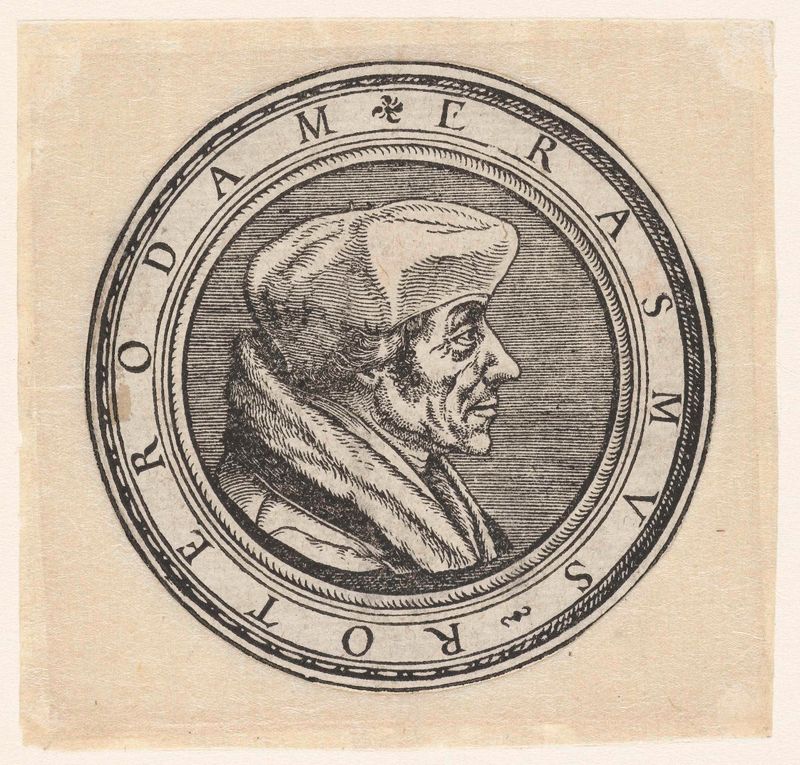
Portret van Erasmus
Hans Holbein (II)
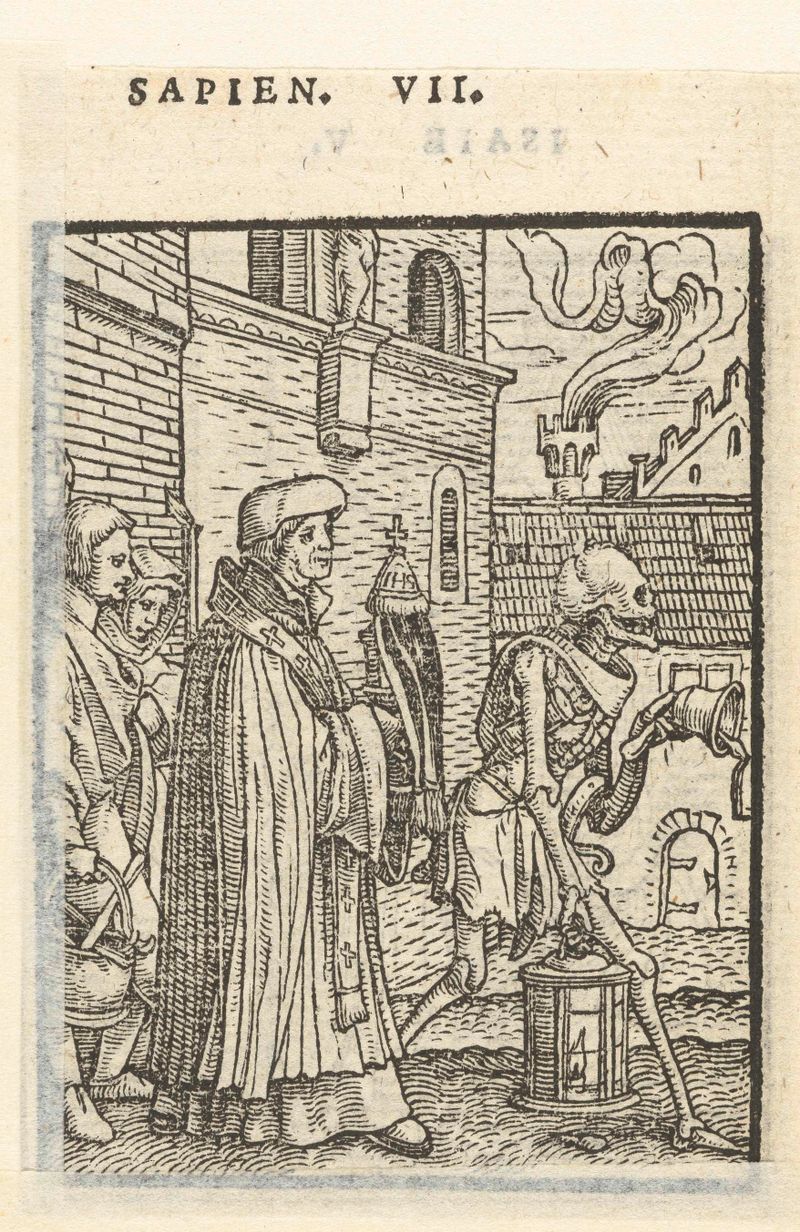
Priester en de Dood
Hans Holbein (II)
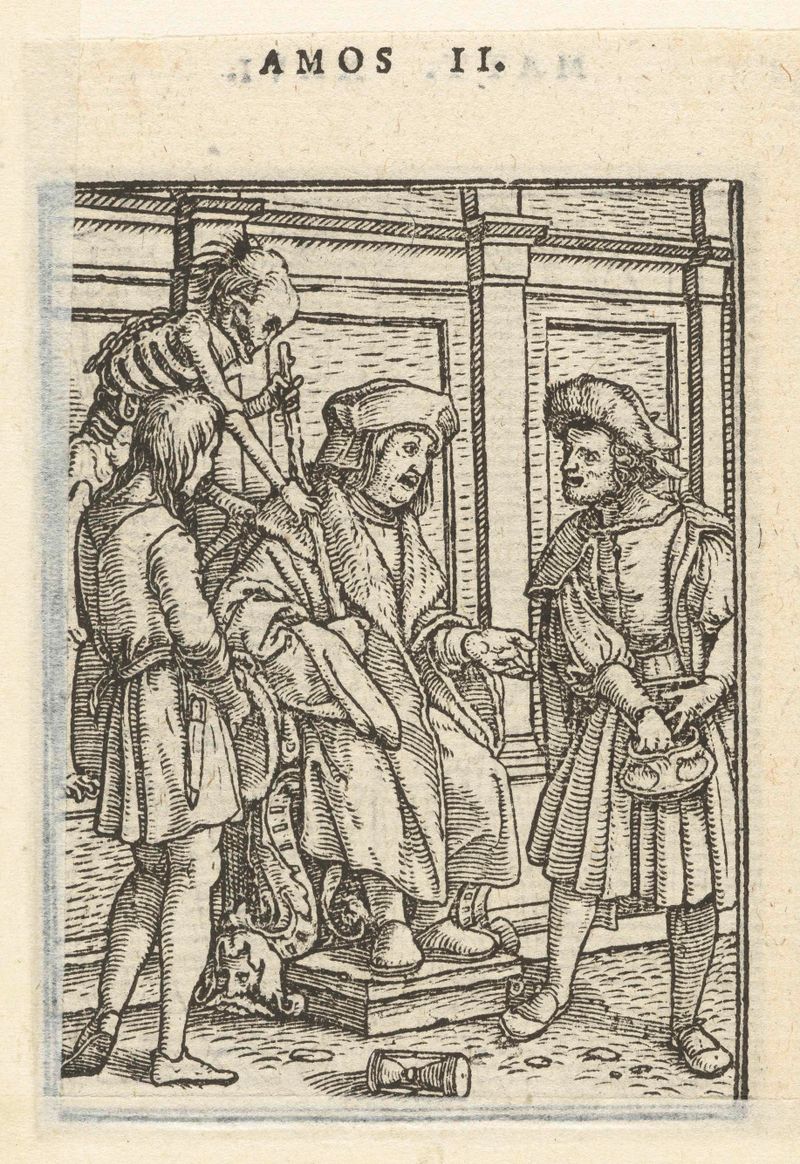
Rechter en de Dood
Hans Holbein (II)
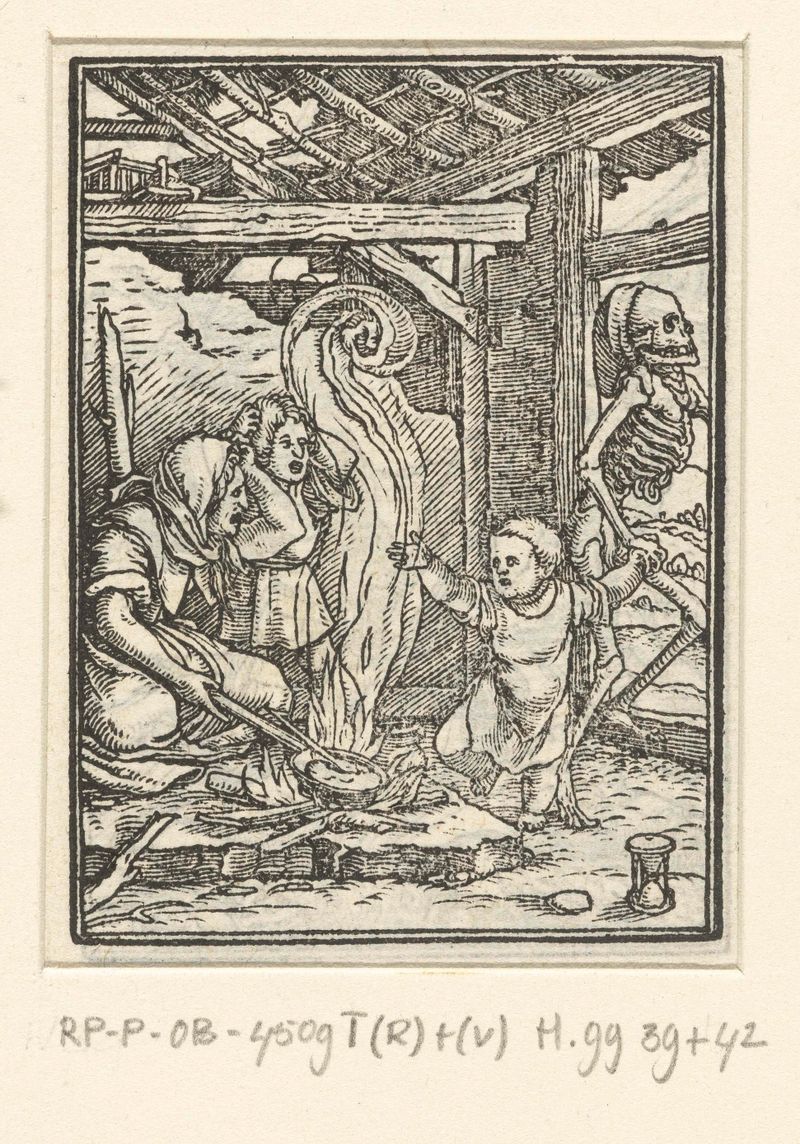
Kind en de Dood
Hans Holbein (II)
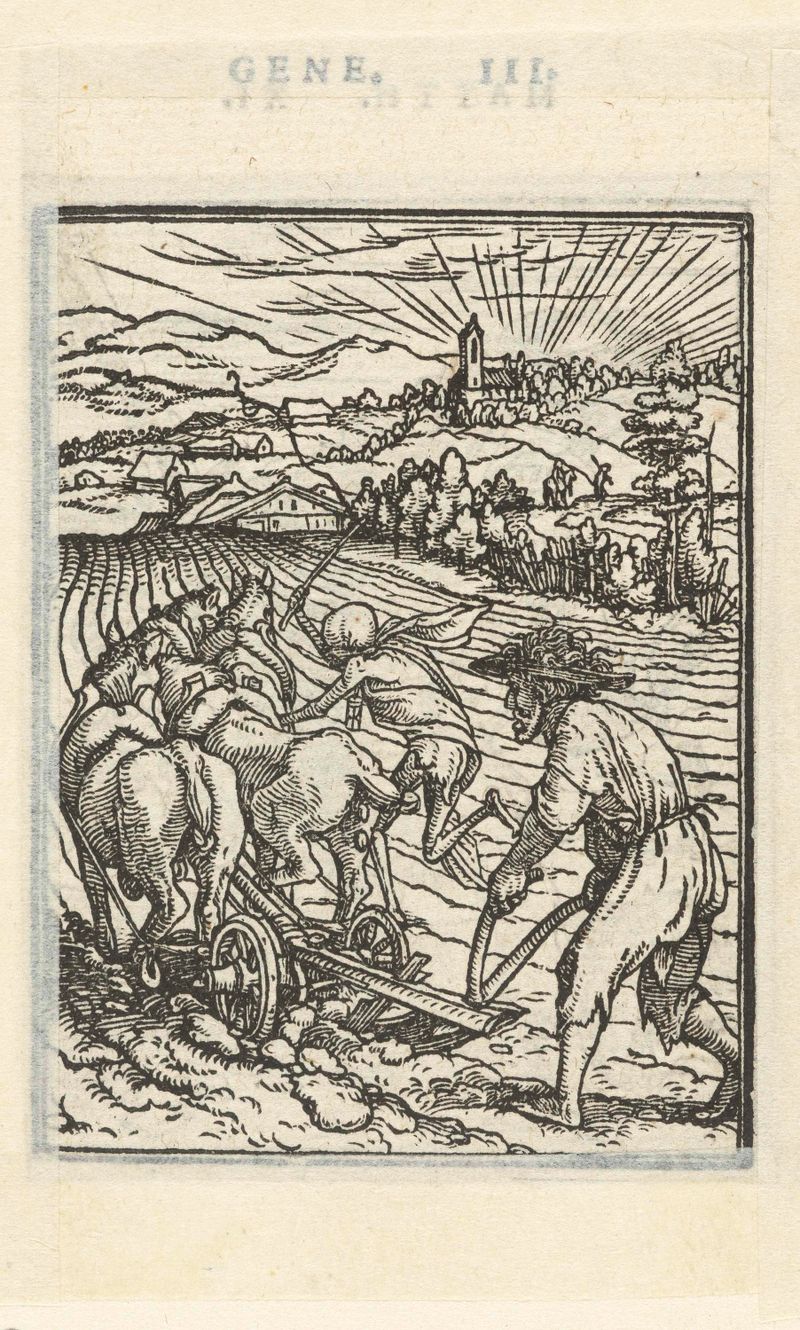
Boer en de Dood
Hans Holbein (II)
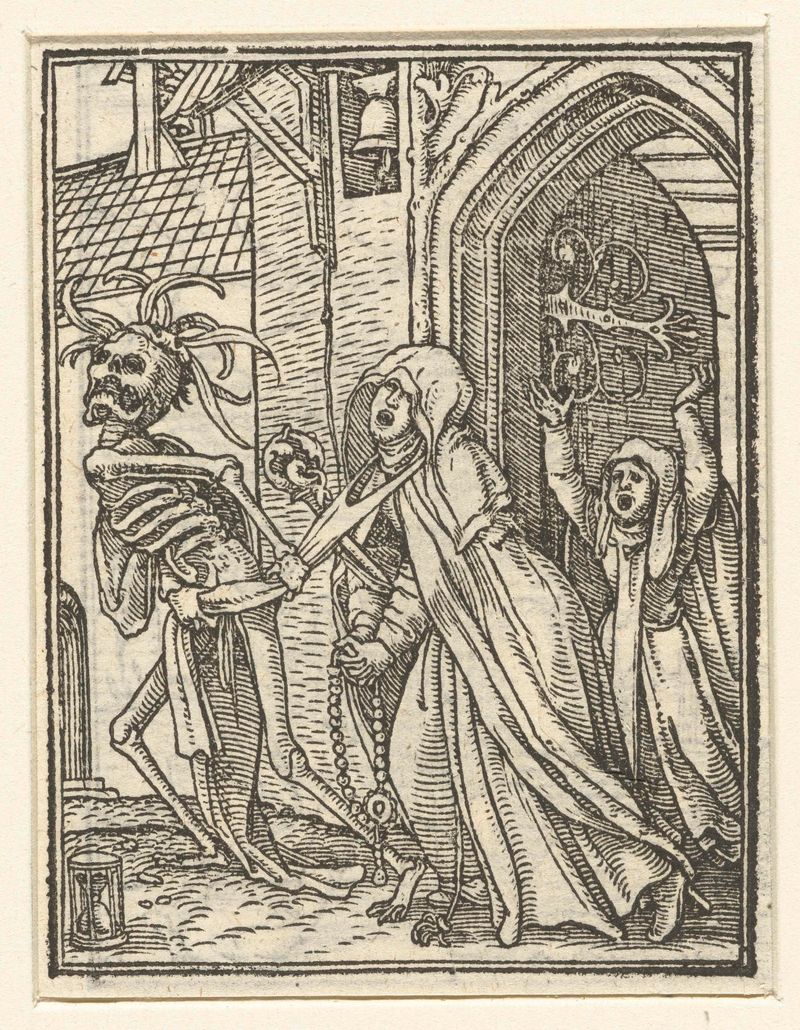
Abdis en de Dood
Hans Holbein (II)
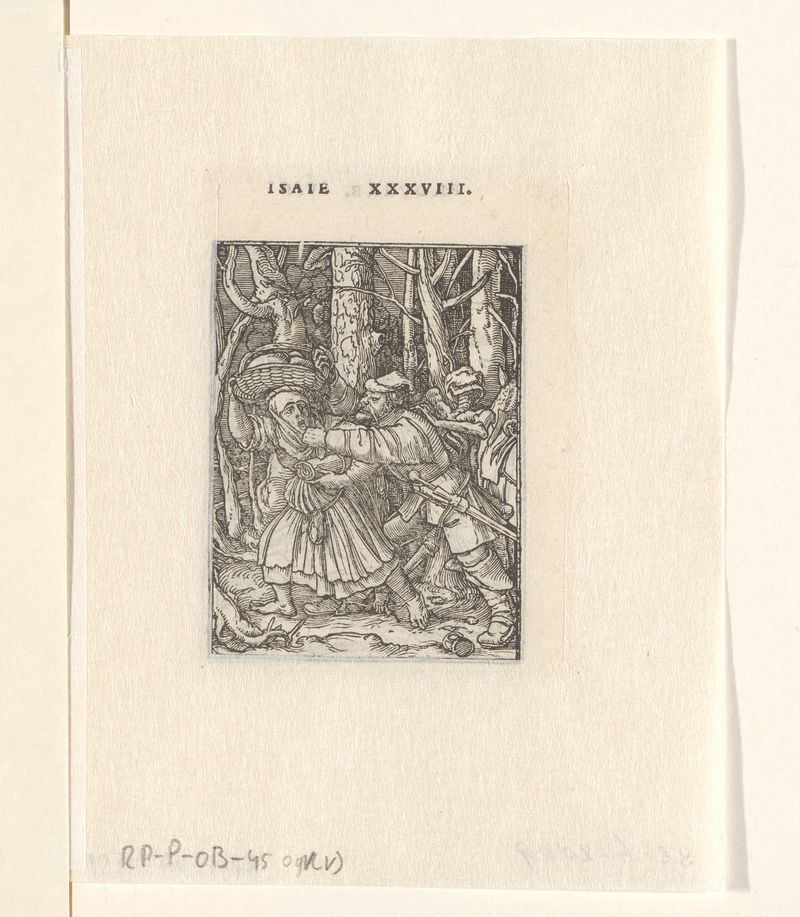
Dief en de Dood
Hans Holbein (II)
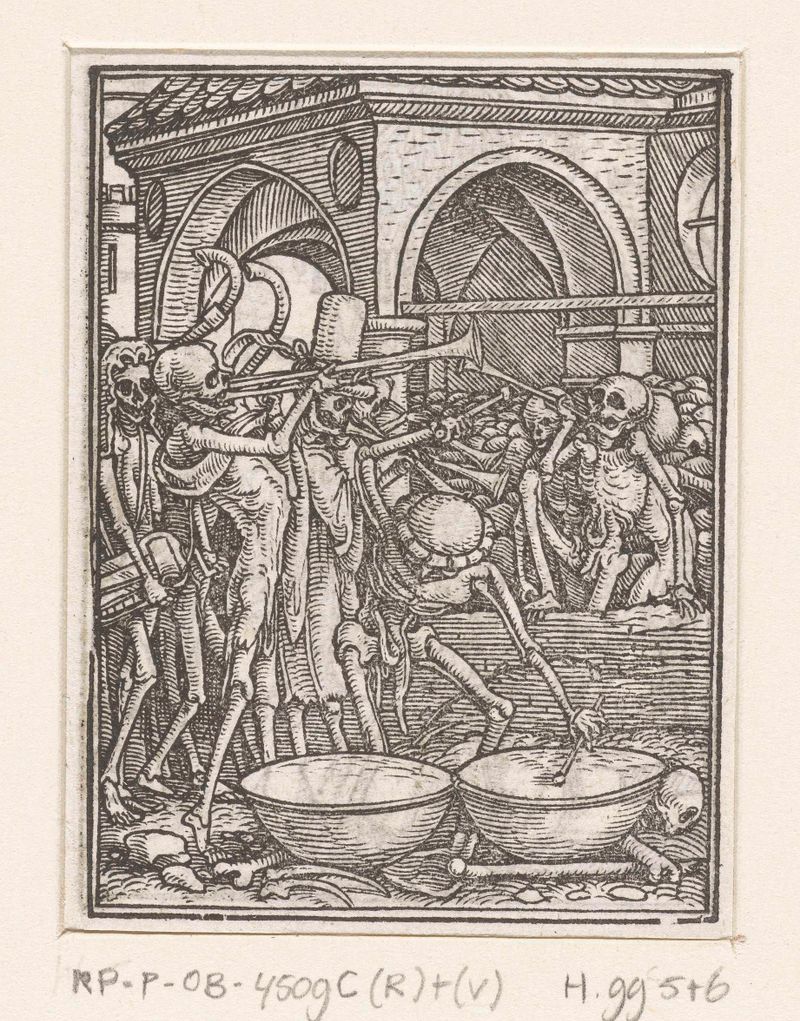
Skeletons Making Music from Dance of the Dead
Hans Holbein (II)
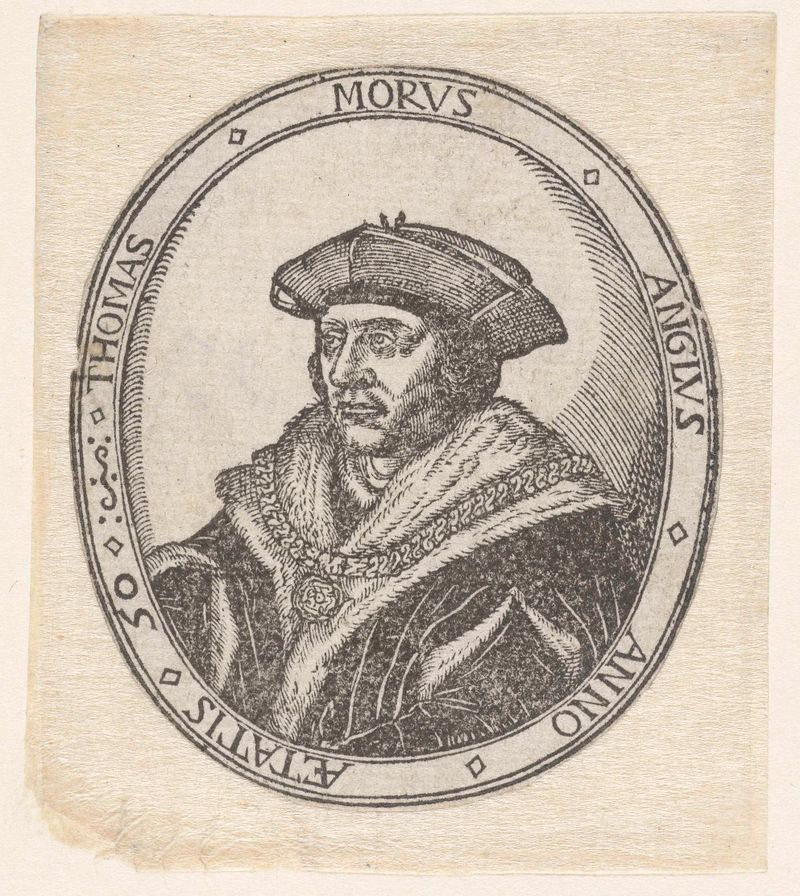
Portret van Thomas More
Hans Holbein (II)
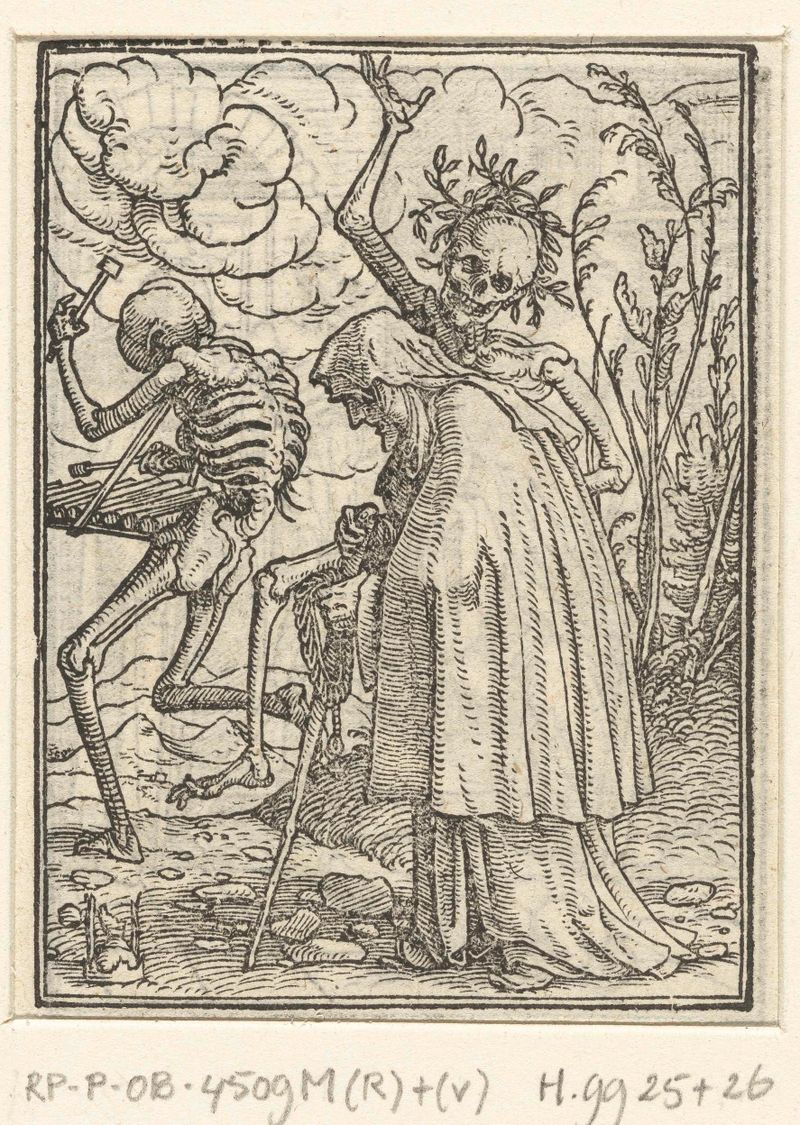
Oude vrouw en de Dood
Hans Holbein (II)
Mais arte de Pintura Histórica
Ver tudo →
The Night Watch Militia Company of District II under the Command of Captain Frans Banninck Cocq
Rembrandt van Rijn

Lincoln Memorial
Henry Bacon

The Third of May 1808
Francisco de Goya

Isaac and Rebecca, Known as ‘The Jewish Bride’
Rembrandt van Rijn

The Charge of the Mamelukes (1814)
Francisco de Goya

De vier ruiters van de apocalyps
Albrecht Dürer