
De bisschop en de Dood — História e Análise
Obsession weaves a delicate thread between reverence and despair, illustrating the precarious balance between life and death. Focus on the figure of the bishop in the foreground, clad in rich, opulent garments that radiate an aura of authority yet overshadow a melancholic demeanor. Look closely at the intricate details of his vestments—the shimmering embroidery reflects a life devoted to the divine, yet hints at a hidden torment. Notice how the light plays upon his face, casting shadows that reveal not merely his features, but the weight of his thoughts and unspoken fears. The juxtaposition between the bishop's ornate attire and the skeletal specter of death lurking beside him captures an unsettling dichotomy.
The intertwined hands suggest that death is not merely an end, but an inescapable part of existence, a haunting companion. The background, infused with muted tones, serves as a stark reminder that while beauty may be alluring, it often belies an underlying grief—a message that resonates through the ages. Wenceslaus Hollar created this evocative piece around 1680 during a period marked by religious turmoil and personal hardship. Living in a time when the artist faced exile and the dissonance of the world around him, he sought refuge in his art, capturing profound themes of mortality and obsession.
This artwork stands as a testament to his ability to blend the surreal with the everyday, reflecting both his personal struggles and the collective anxieties of a changing Europe.
Mais obras de Wenceslaus Hollar
Ver tudo →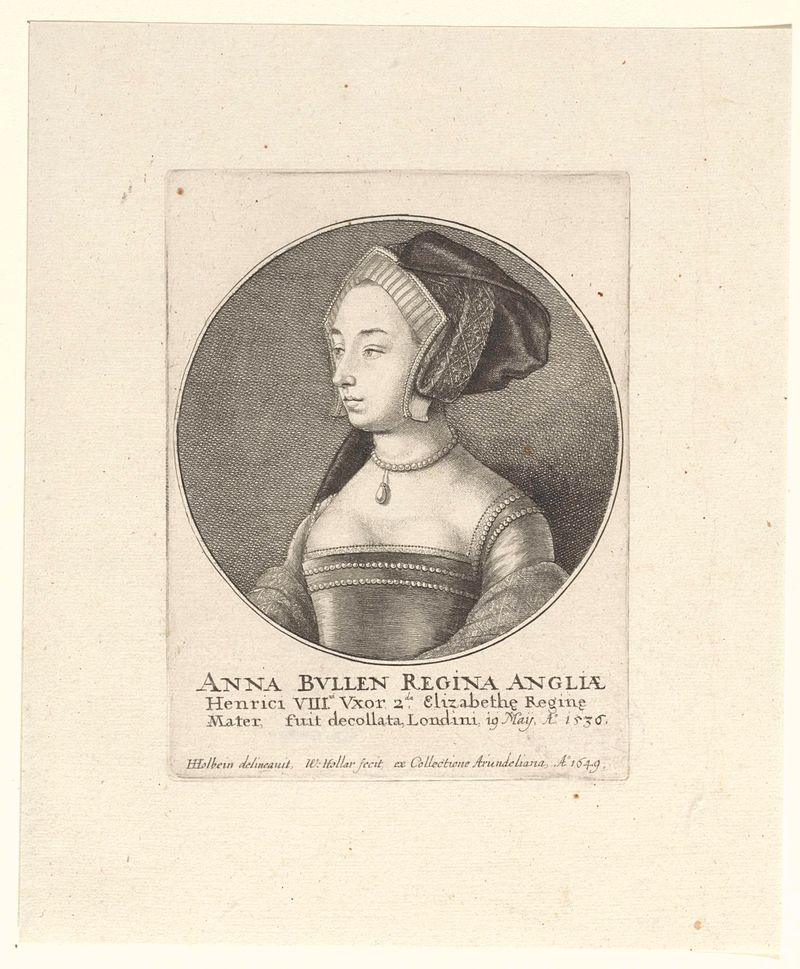
Portret van Anna Boleyn, koningin van Engeland
Wenceslaus Hollar
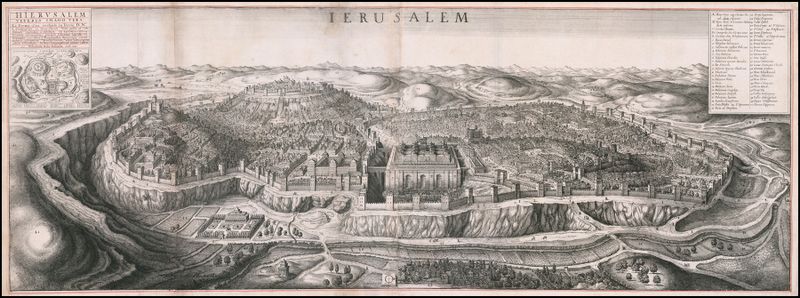
Bird’s eye view of Jerusalem
Wenceslaus Hollar
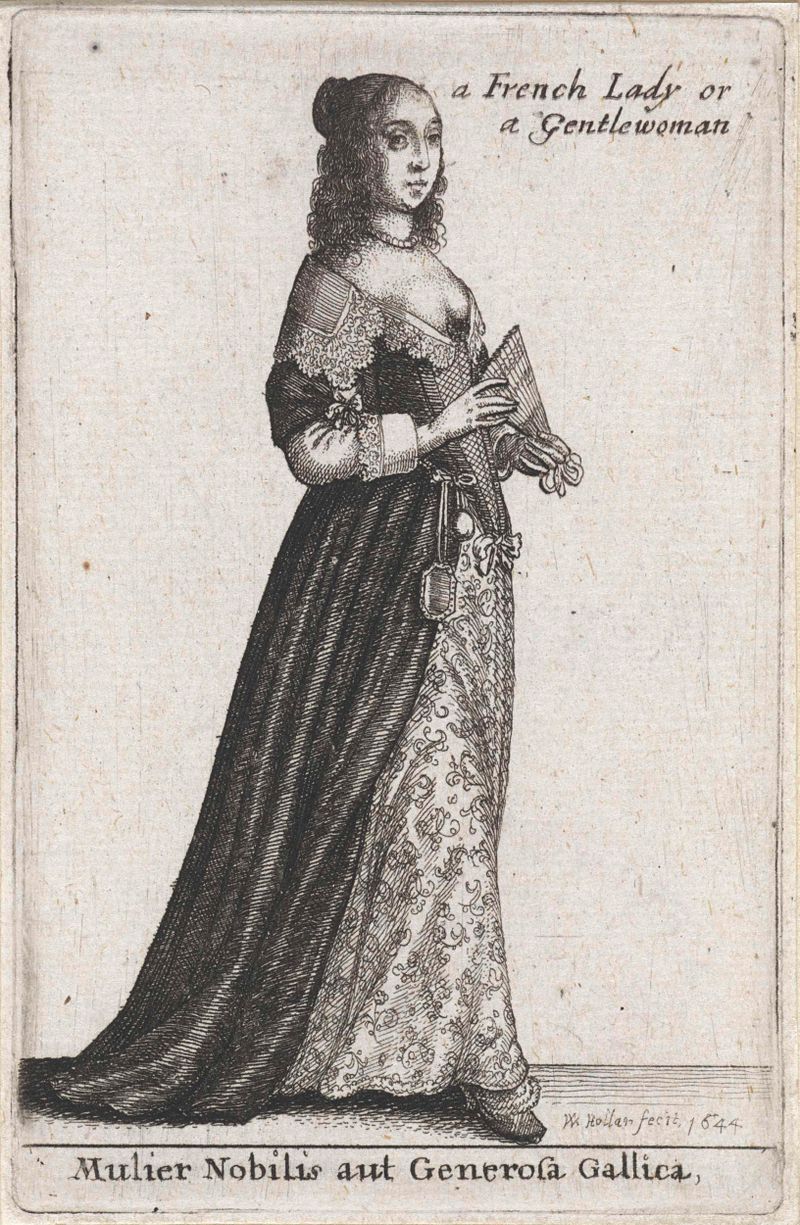
Mulier Nobilis aut Generosa Gallica / a French Lady or Gentlewoman
Wenceslaus Hollar
Titelprent voor: Ornatus Muliebris Anglicanus
Wenceslaus Hollar
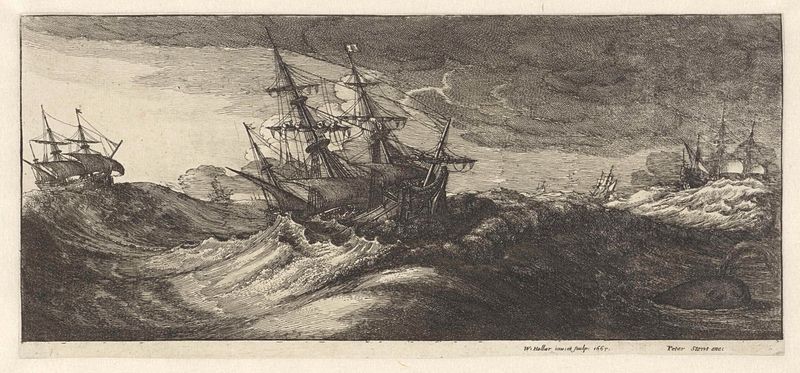
Oorlogsschepen en een walvis in een zeestorm
Wenceslaus Hollar
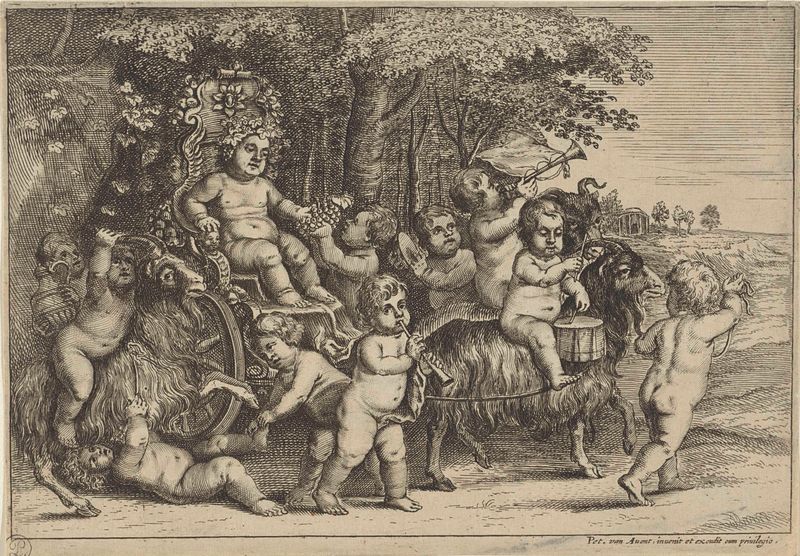
Optocht van bacchant en jongetjes op geiten
Wenceslaus Hollar
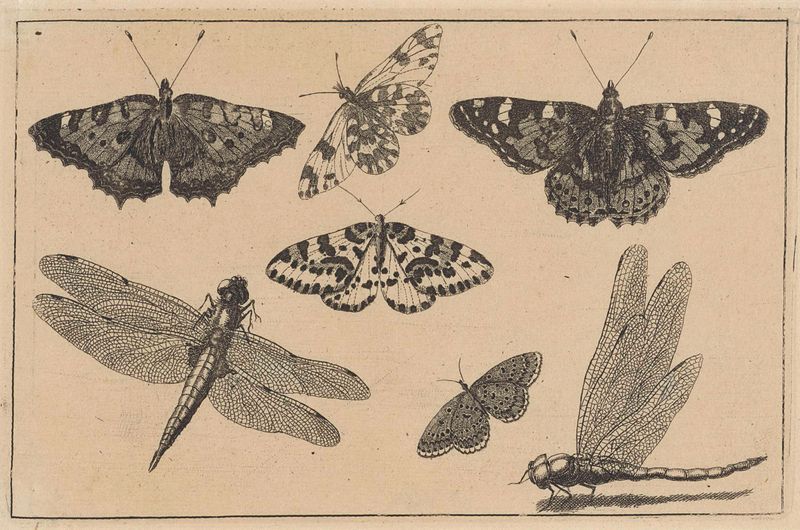
Twee libellen en vijf vlinders
Wenceslaus Hollar
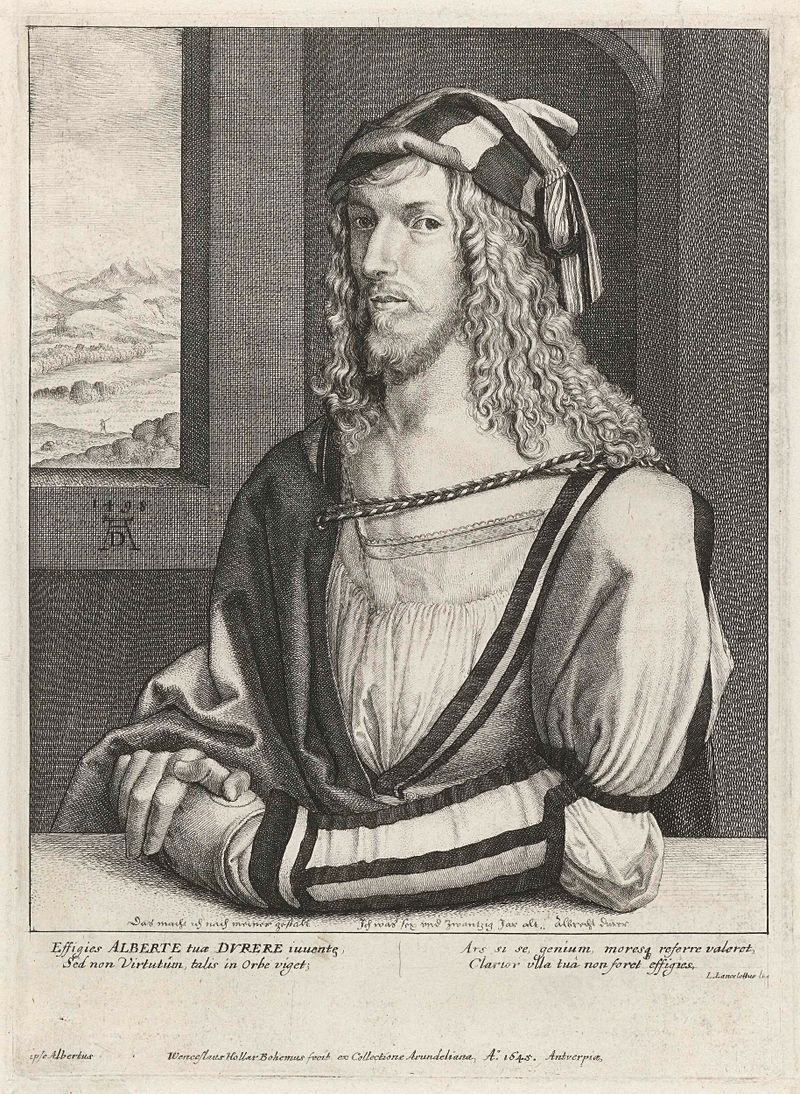
Portret van Albrecht Dürer
Wenceslaus Hollar
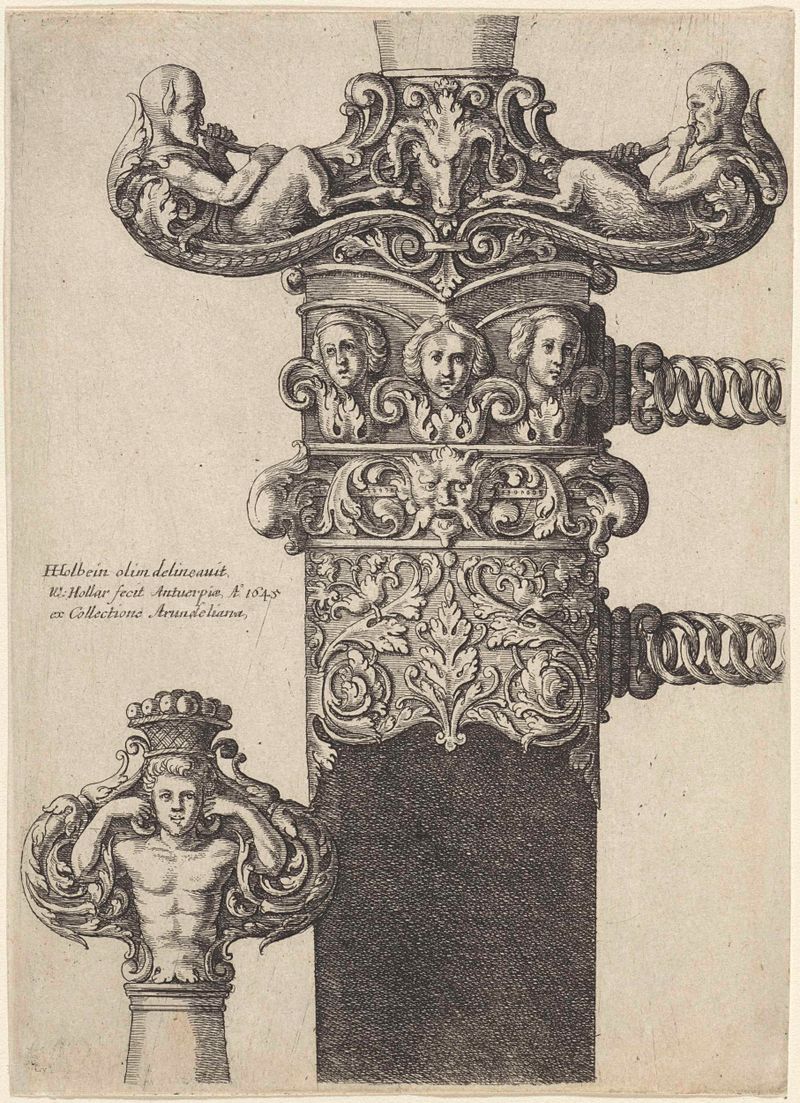
Ornamenteel ontwerp voor een dolk
Wenceslaus Hollar
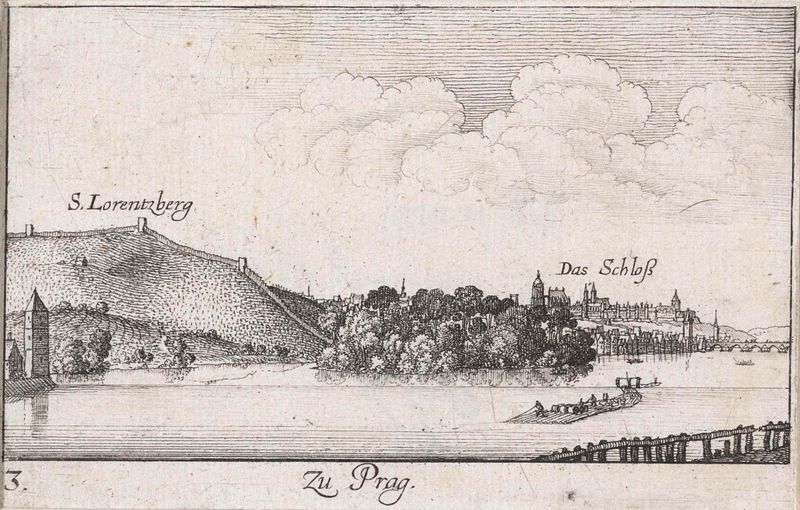
Gezicht op Praag vanaf de Moldau
Wenceslaus Hollar
Mais arte de Arte Religiosa
Ver tudo →
The Return of the Prodigal Son
Rembrandt van Rijn

The Garden of Earthly Delights
El Bosco

Count Orgaz’ funeral
El Greco

The Hundred Guilder Print: the central piece with Christ preaching, the plate arched
Rembrandt van Rijn

The Descent from the Cross
Rogier van der Weyden

The return of the prodigal son
Rembrandt van Rijn