
De Heilige Mansuetus wekt de zoon van koning Leucorus tot leven — História e Análise
Who listens when art speaks of silence? In Jacques Callot's De Heilige Mansuetus wekt de zoon van koning Leucorus tot leven, destiny unfolds within a still moment, inviting introspection and contemplation. Focus first on the central figure of the saint, poised with an ethereal grace. The delicate brushwork captures the subtle contours of his face, illuminated by a celestial light that seems to emanate from his very being. Notice the tension in the positioning of his hands, both tender and commanding, as he reaches out to the lifeless figure of the young prince.
The contrast of rich, dark tones against brighter highlights evokes a sense of reverence, emphasizing the miraculous act taking place. The somber background envelops the scene, drawing attention to the interplay of light and shadow that reflects the duality of life and death. Delve deeper into the layers of meaning within this composition. The saint’s serene expression juxtaposes the urgency of reviving the prince, hinting at the enduring conflict between mortality and spiritual transcendence.
The surrounding figures, cloaked in muted hues, blend into the background, suggesting the insignificance of earthly concerns when confronted by the divine. Callot subtly implies that destiny is a silent force, often overlooked, yet profoundly influential in shaping both individual lives and collective fates. Painted between 1616 and 1626, Callot was immersed in a period marked by both artistic innovation and religious fervor. Living in Nancy, France, he was influenced by the Counter-Reformation's zeal, which sought to inspire devotion through visual storytelling.
This artwork exemplifies his mastery of etching and the emotional depth he infused into religious subjects, capturing the zeitgeist of an era that revered the miraculous and the sacred.
Mais obras de Jacques Callot
Ver tudo →
Titelprent voor de prentreeks 'De kleine apostelen' (Het martelaarschap van de apostelen)
Jacques Callot
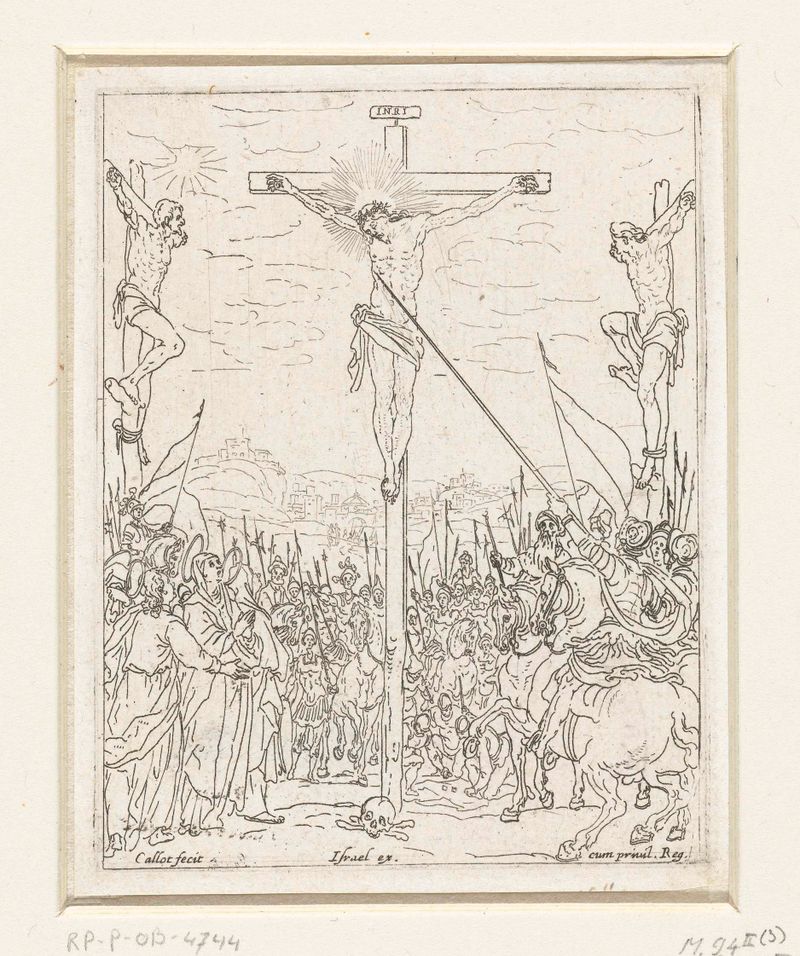
Kruisiging
Jacques Callot

De doortocht door de Rode Zee
Jacques Callot

De verloren zoon als zwijnenhoeder
Jacques Callot

Annunciatie
Jacques Callot
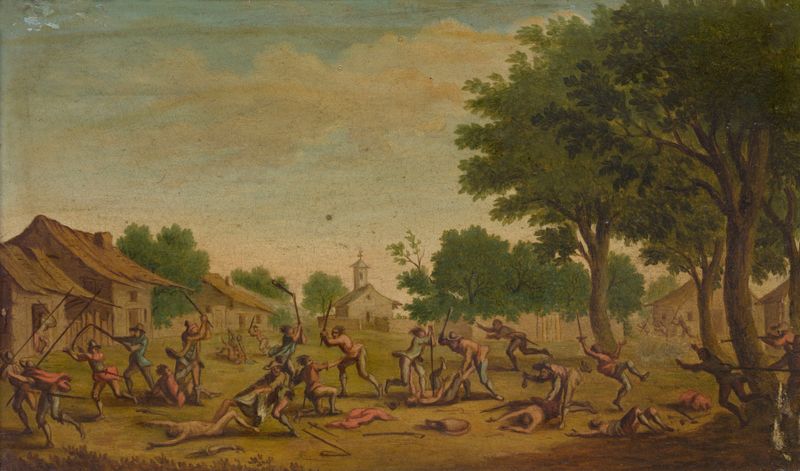
Village Fight
Jacques Callot

Titelprent voor prentreeks 'Het leven van Maria'
Jacques Callot
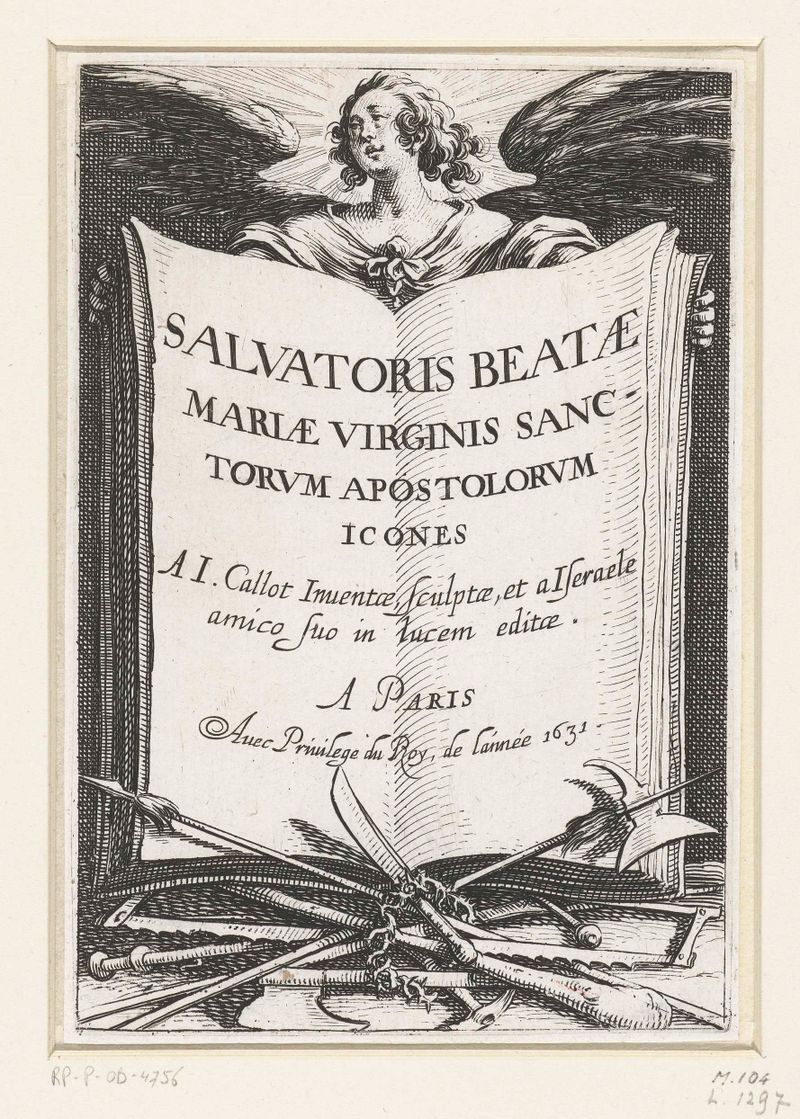
Titelprent voor de prentreeks 'De grote apostelen' (Christus, Maria en de apostelen)
Jacques Callot

Christus aan het volk getoond (Ecce homo)
Jacques Callot
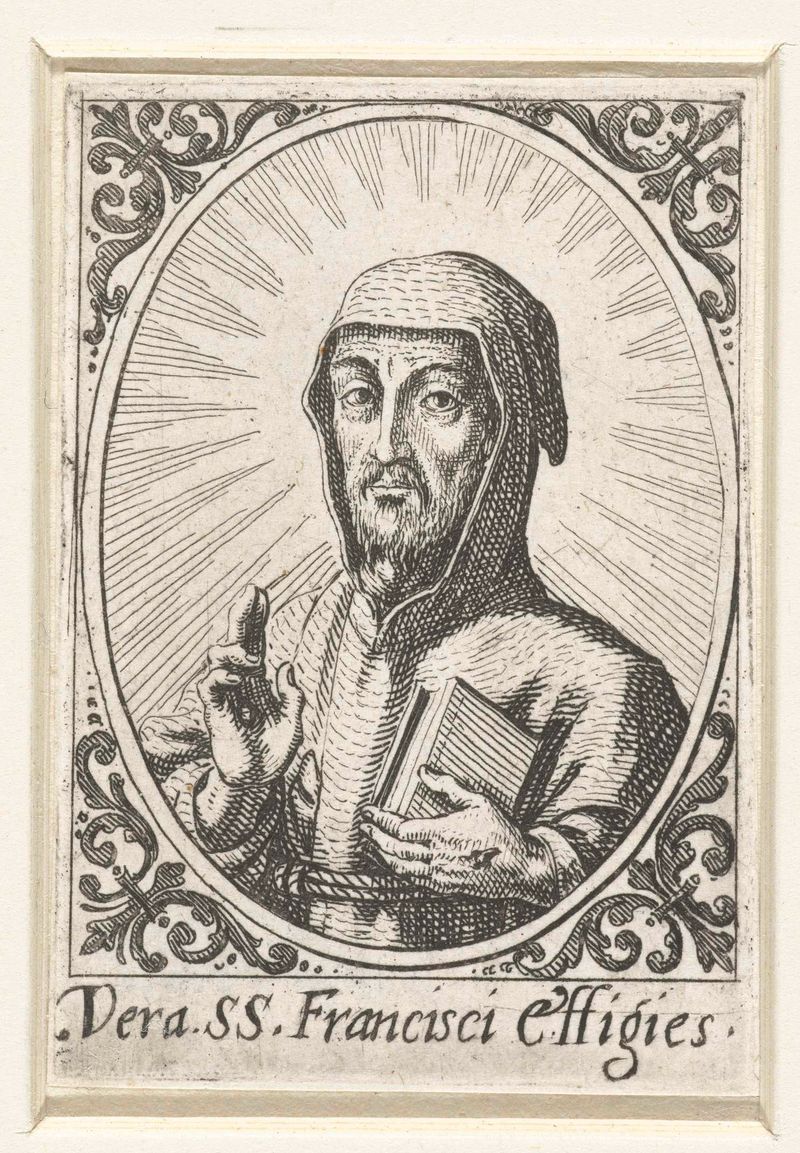
Portret van de Heilige Franciscus
Jacques Callot
Mais arte de Arte Religiosa
Ver tudo →
The Return of the Prodigal Son
Rembrandt van Rijn

The Garden of Earthly Delights
El Bosco

Count Orgaz’ funeral
El Greco

The Hundred Guilder Print: the central piece with Christ preaching, the plate arched
Rembrandt van Rijn

The Descent from the Cross
Rogier van der Weyden

The return of the prodigal son
Rembrandt van Rijn