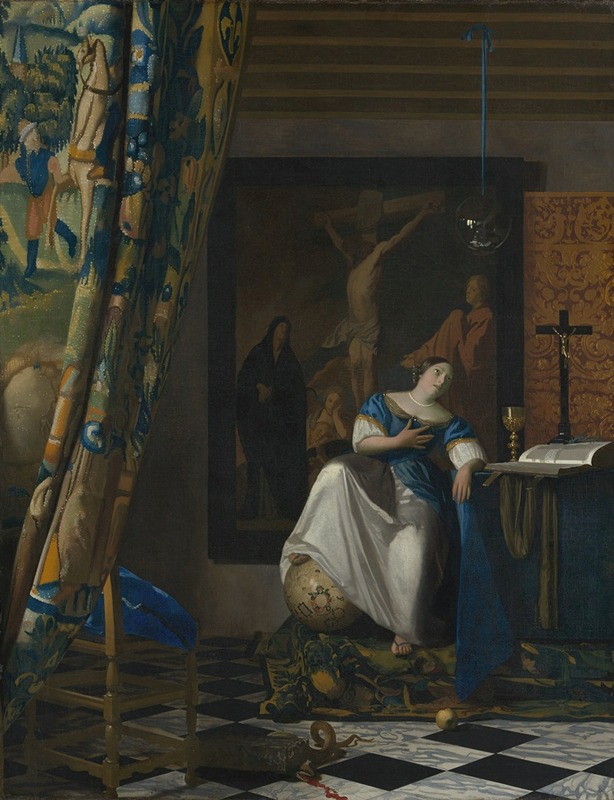
De keizerin en de Dood — História e Análise
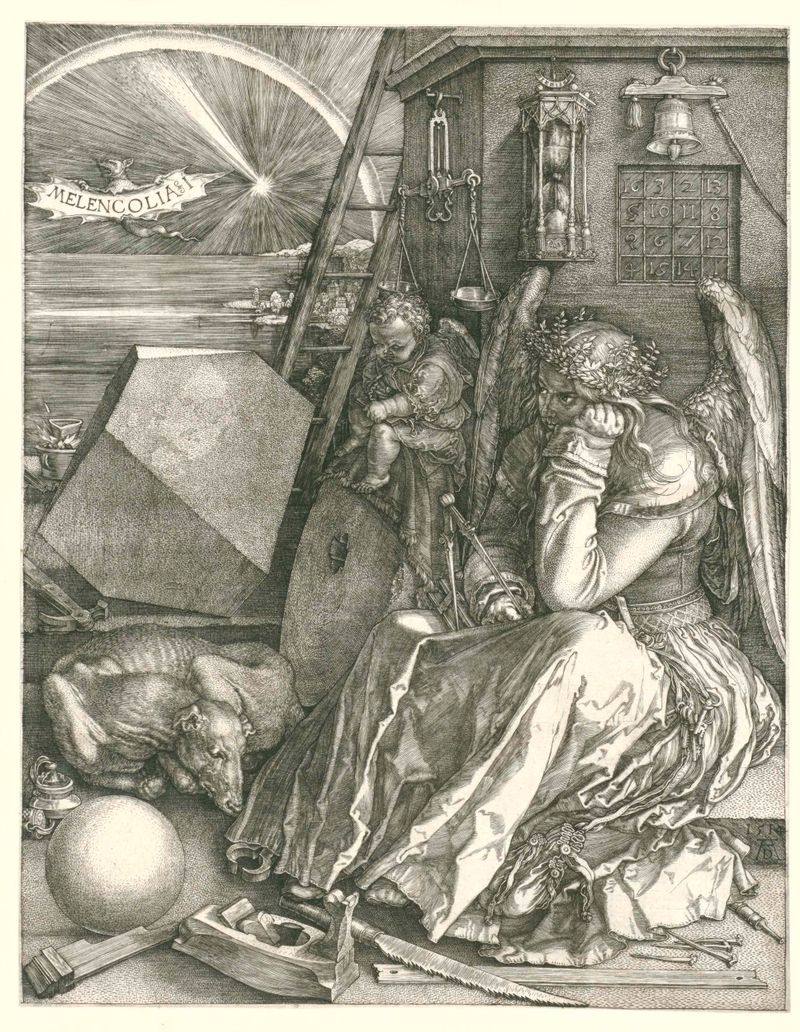
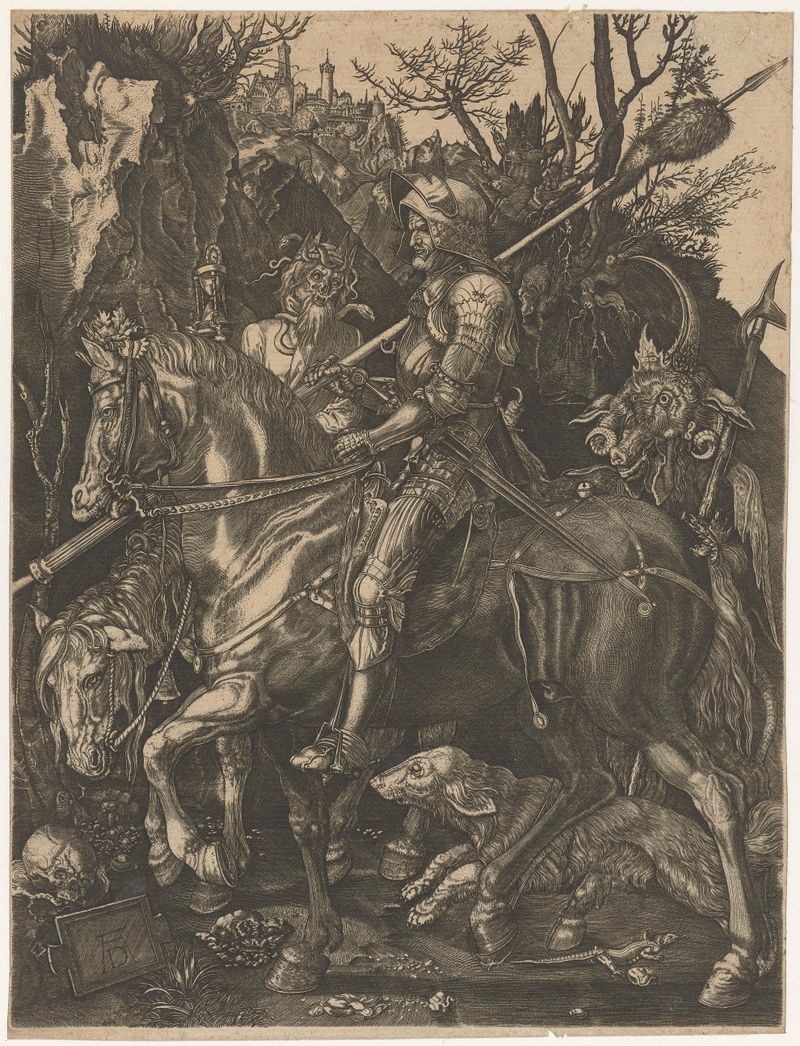
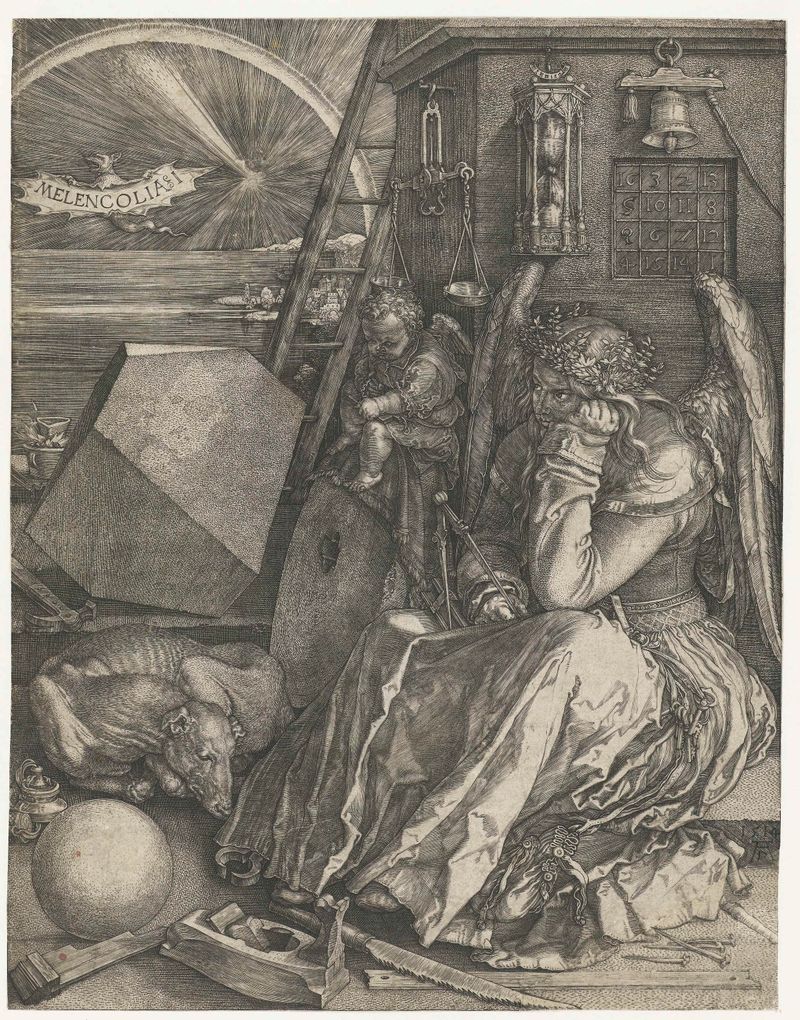
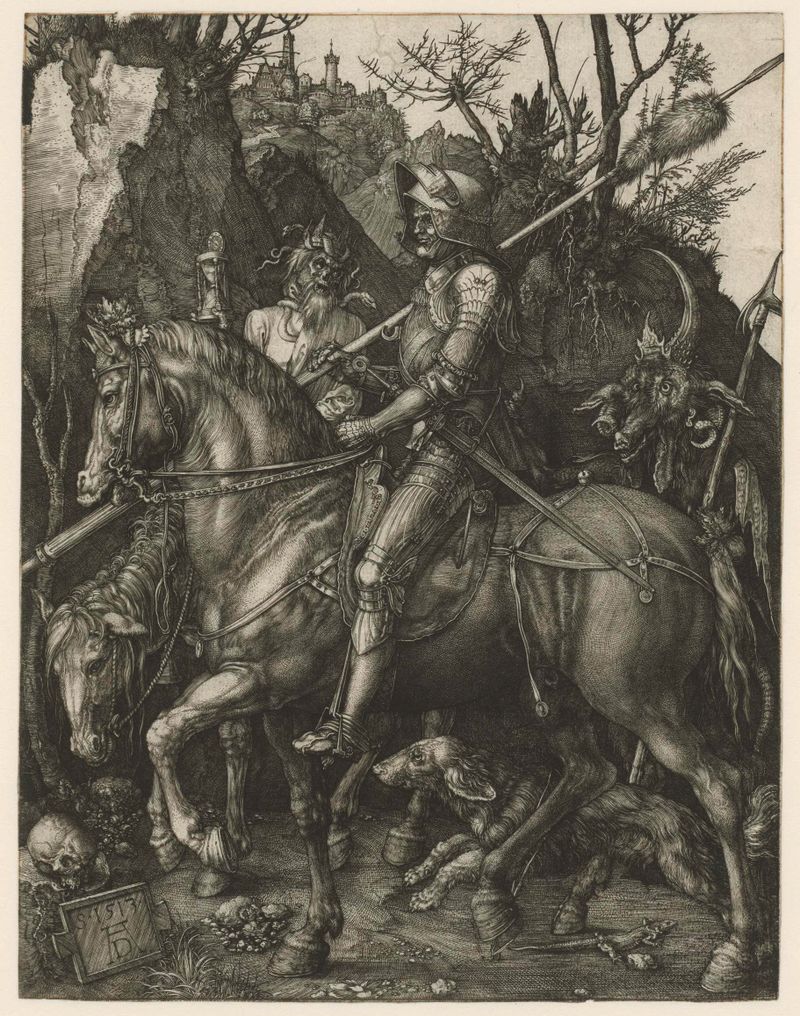
Did the painter know this moment would outlive them? The void captured in De keizerin en de Dood resonates with the weight of timeless existence, teetering between the ephemeral and the eternal. Focus first on the central figures: the empress, resplendent in her ornate attire, stands poised yet encumbered by the spectral presence of Death. Notice how the light illuminates the delicate details of her gown, contrasting sharply with the darker hues surrounding the cloaked figure. The composition is masterfully balanced, drawing the eye from the rich embroidery of the empress’s attire to the haunting gaze of her skeletal counterpart, a reminder of mortality cloaked in the finery of life. Delve deeper into the emotional tension that unfolds within this artwork.
The juxtaposition of opulence and decay speaks to the inescapable fate that awaits all, regardless of status. Each thread in her gown seems to whisper stories of grandeur, while the skeletal hand’s subtle reach encapsulates the fragility of existence. This visual dialogue invites viewers to reflect on their own mortality, creating a poignant dissonance between beauty and despair. In the late 17th century, Hollar, who lived in a tumultuous Europe marked by war and political strife, found solace in the contemplative nature of his art.
Created around 1680, this piece reflects not only personal introspection but also the broader existential anxieties of the period. As he navigated his own challenges, Hollar’s work provided a lens through which to examine the complexities of life and death, ensuring that this moment would indeed transcend time.
Mais obras de Wenceslaus Hollar
Ver tudo →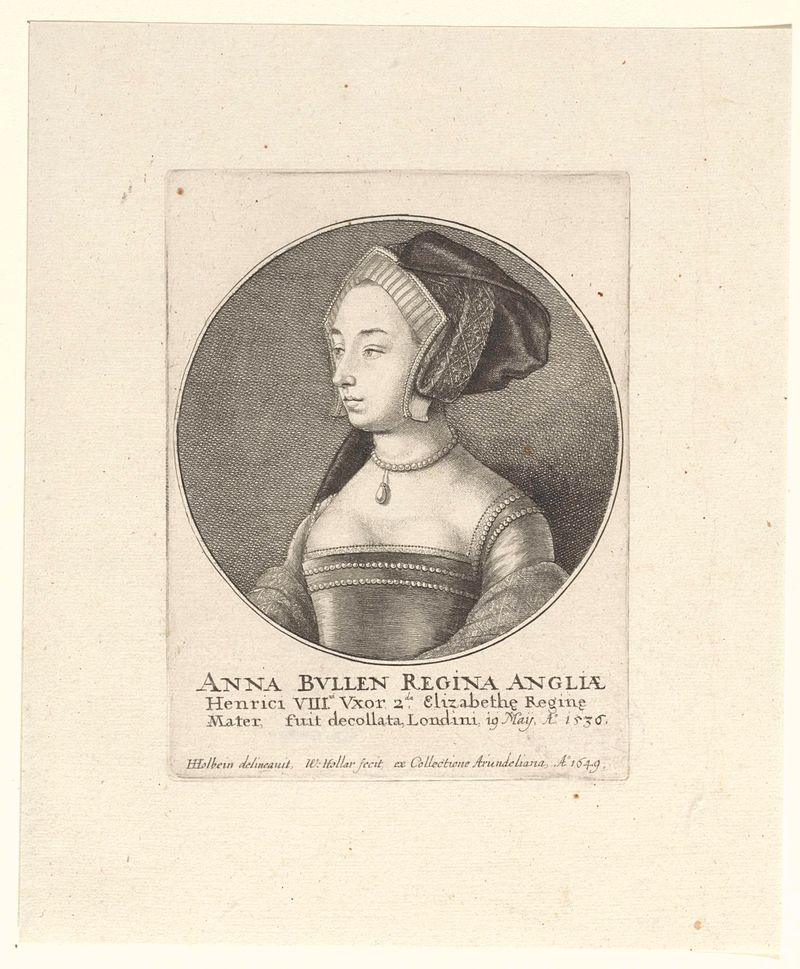
Portret van Anna Boleyn, koningin van Engeland
Wenceslaus Hollar
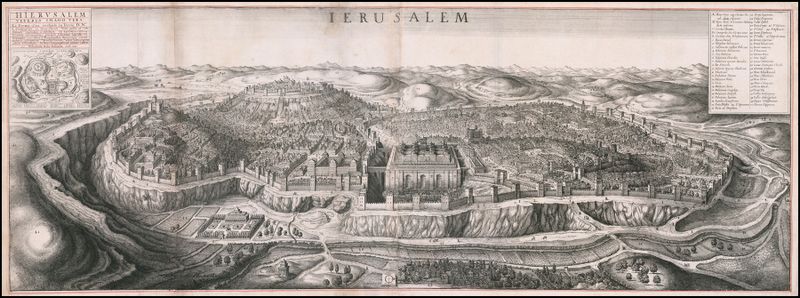
Bird’s eye view of Jerusalem
Wenceslaus Hollar
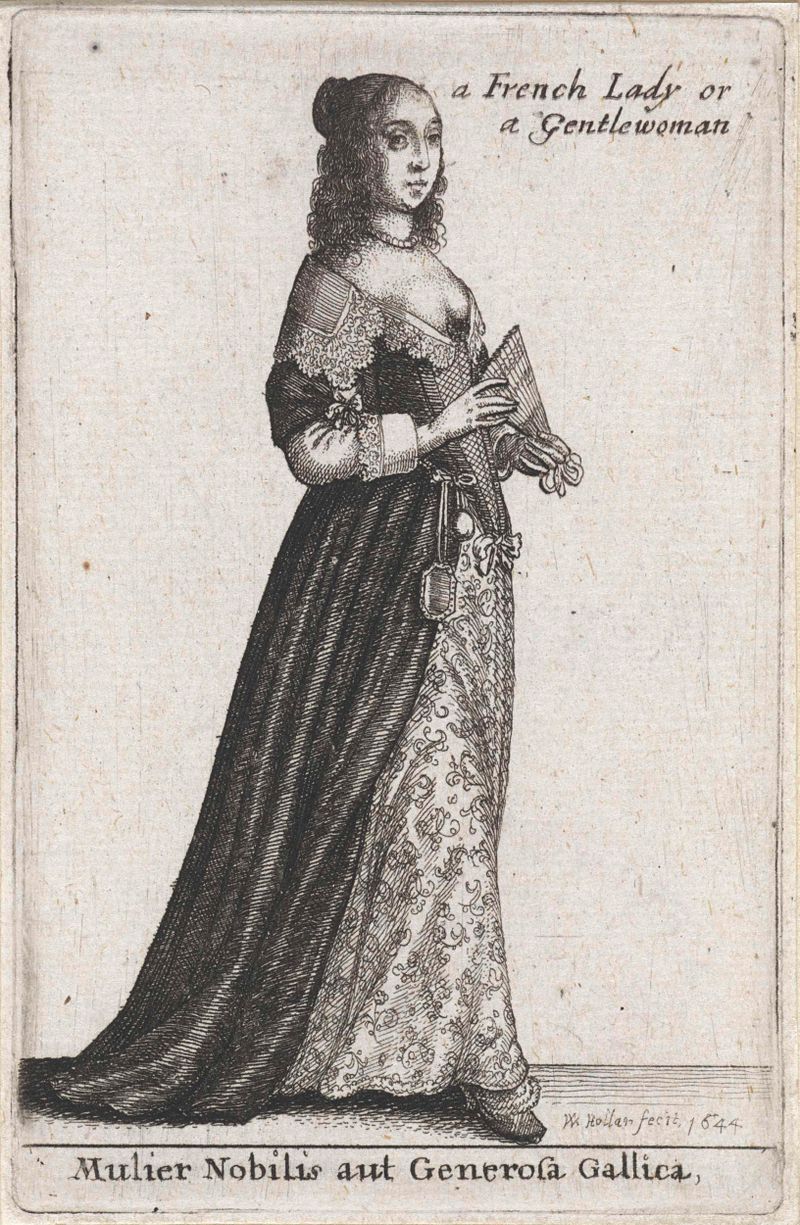
Mulier Nobilis aut Generosa Gallica / a French Lady or Gentlewoman
Wenceslaus Hollar
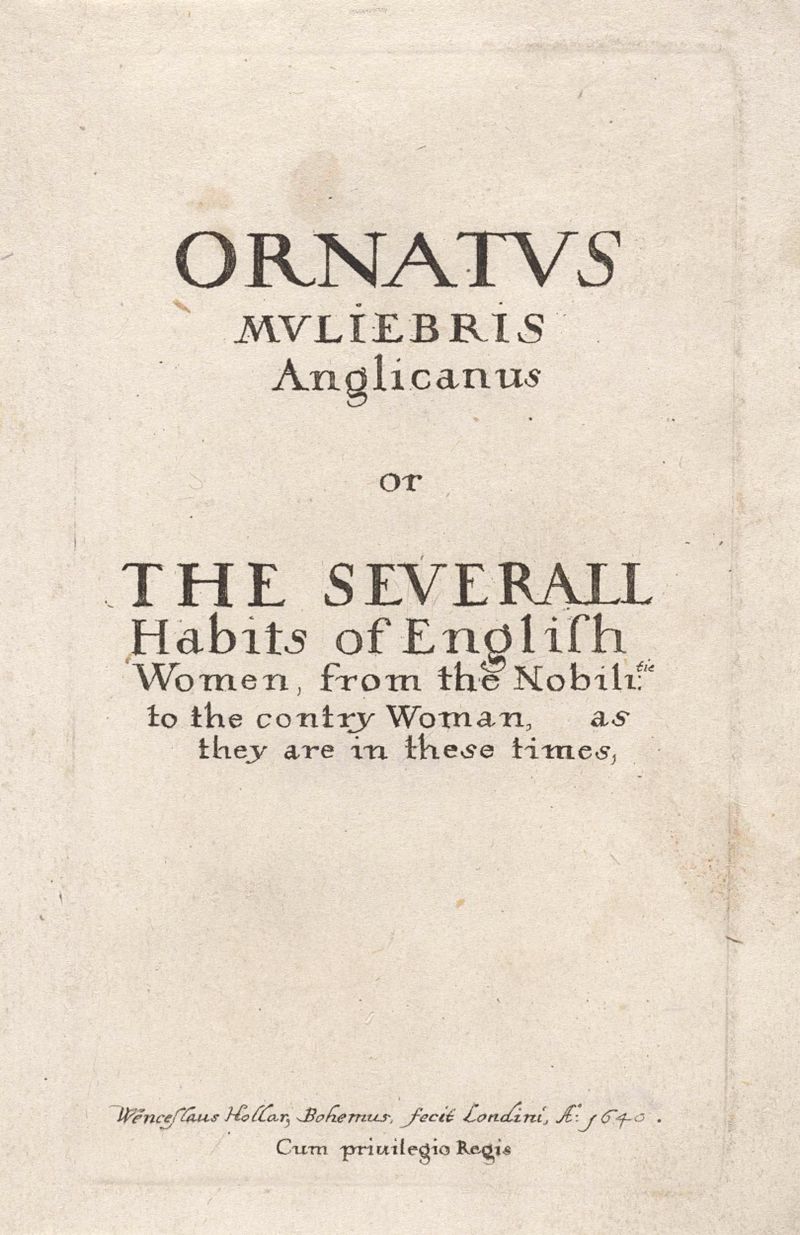
Titelprent voor: Ornatus Muliebris Anglicanus
Wenceslaus Hollar
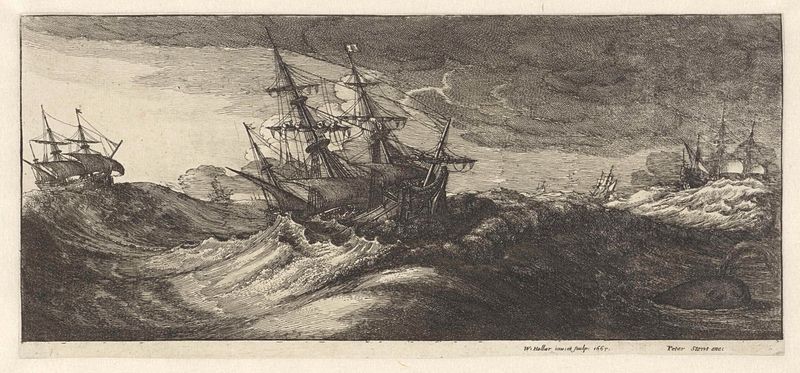
Oorlogsschepen en een walvis in een zeestorm
Wenceslaus Hollar
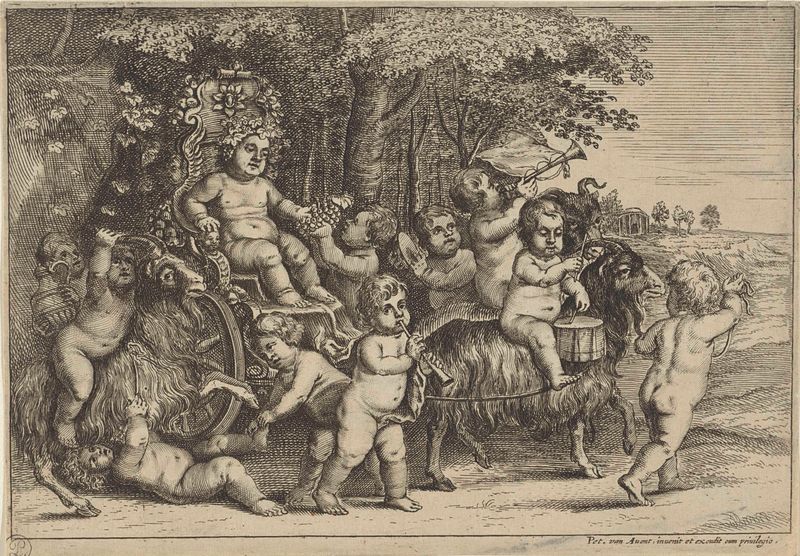
Optocht van bacchant en jongetjes op geiten
Wenceslaus Hollar
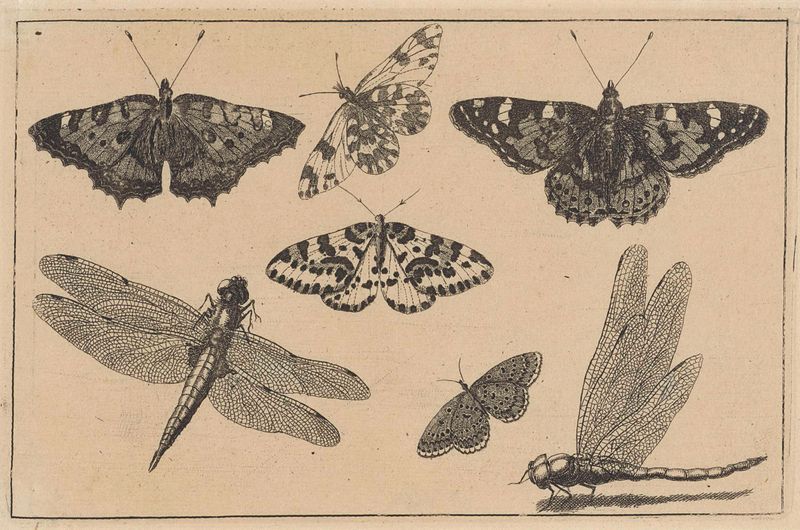
Twee libellen en vijf vlinders
Wenceslaus Hollar
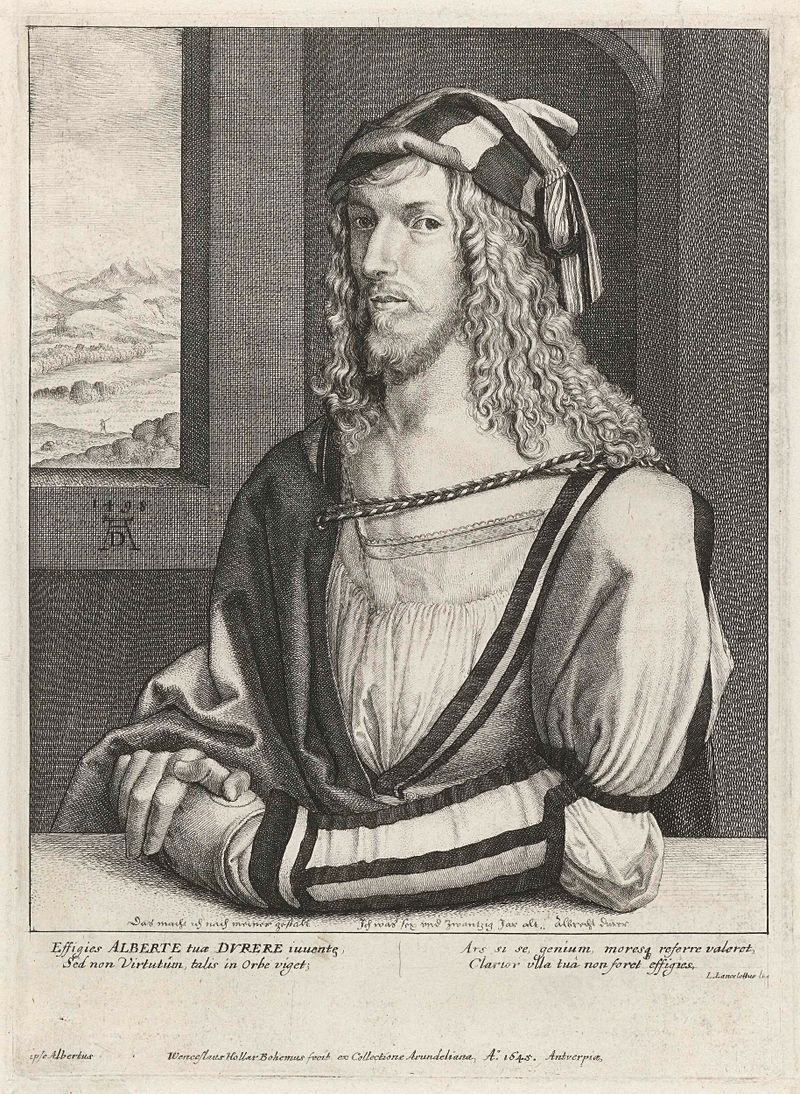
Portret van Albrecht Dürer
Wenceslaus Hollar
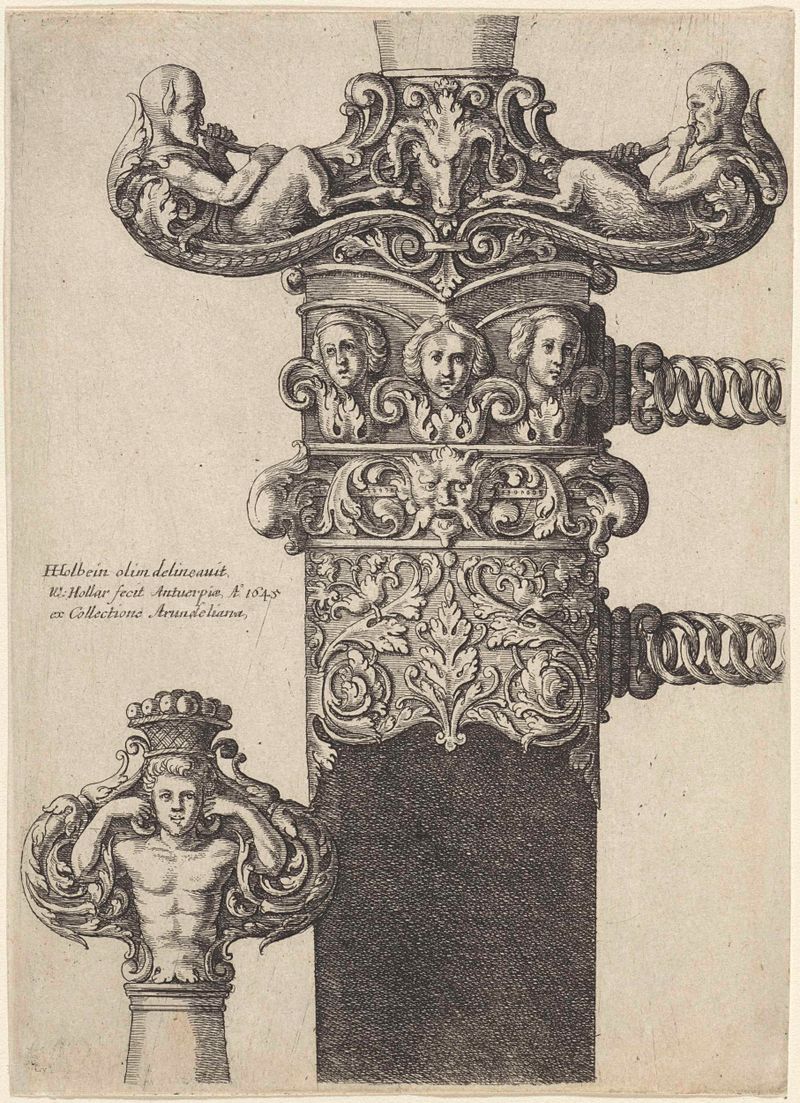
Ornamenteel ontwerp voor een dolk
Wenceslaus Hollar
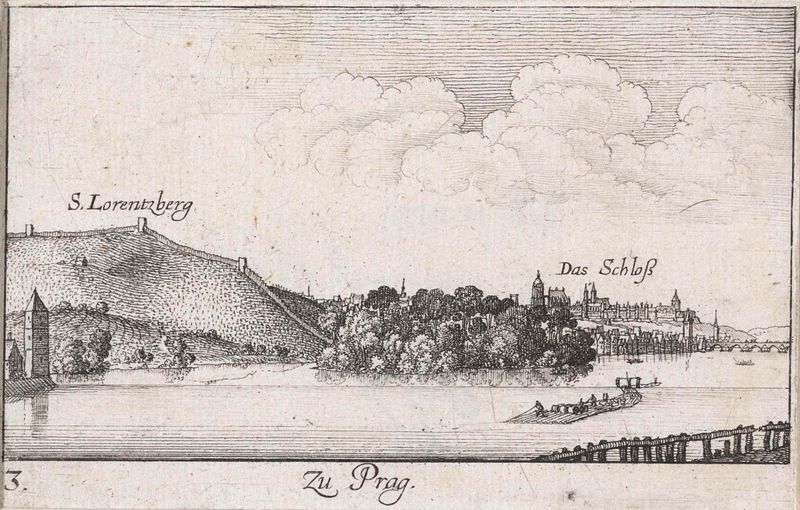
Gezicht op Praag vanaf de Moldau
Wenceslaus Hollar