
Dedham Lock — História e Análise
When did color learn to lie? In a world where hues dance upon the canvas, truth sometimes wears a mask, whispering secrets between brush strokes and shadows. Look closely at the shimmering waters of the river, where reflections create a dialogue between the vibrant greens of the banks and the deep blues of the sky. The composition draws your eye toward the central lock, an emblem of human industry amidst nature's splendor, rendered with precise detail that contrasts with the soft, impressionistic trees. Notice how the light glimmers on the water's surface, leading to a gentle play of color that suggests both serenity and an underlying tension. Beneath its tranquil exterior, Dedham Lock harbors a sense of betrayal between nature and progress.
The idyllic landscape is punctuated by the lock—a mechanical intrusion that speaks to the encroaching industrial age. In this moment, Constable captures the duality of beauty and disruption, hinting at the conflict between pastoral life and the advancements that threaten its purity. The delicate brushwork of the foliage contrasts with the stark, angular lines of the lock, weaving a narrative of tension that resonates within the heart of the viewer. During 1819-1820, Constable was deeply engaged in depicting the English countryside, seeking to convey both its beauty and fragility.
Living in a time when industrialization began reshaping landscapes and lifestyles, he painted Dedham Lock as a reflection of his love for nature and a lament for its inevitable transformation. This work emerged as part of a broader dialogue in Romanticism, championing emotion and individual experience amidst the sweeping changes of the world.
Mais obras de John Constable
Ver tudo →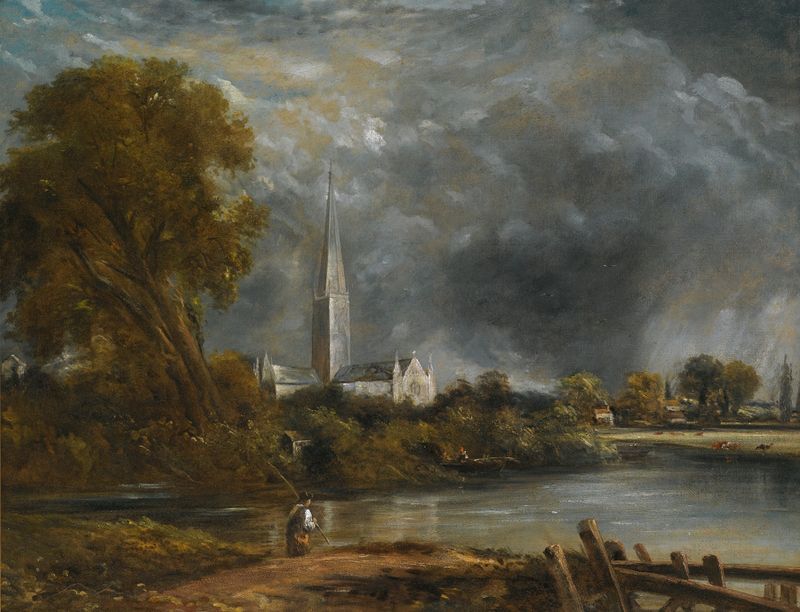
Salisbury Cathedral From The Meadows
John Constable
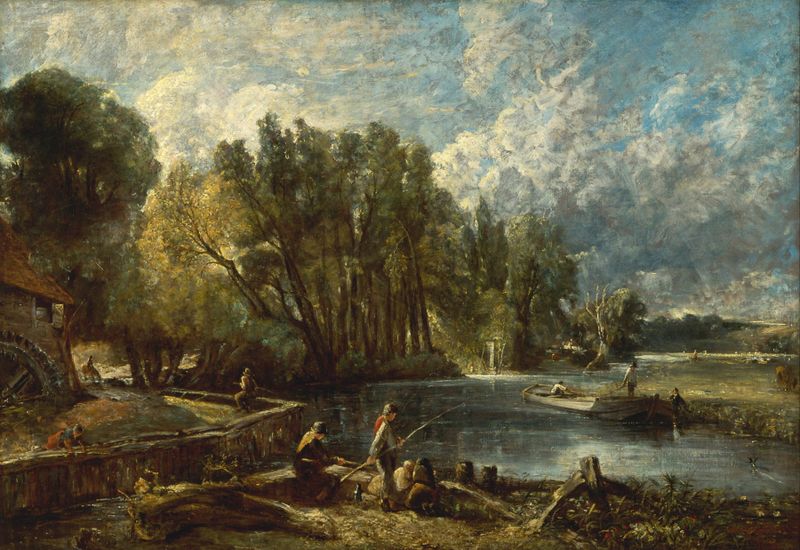
Stratford Mill
John Constable
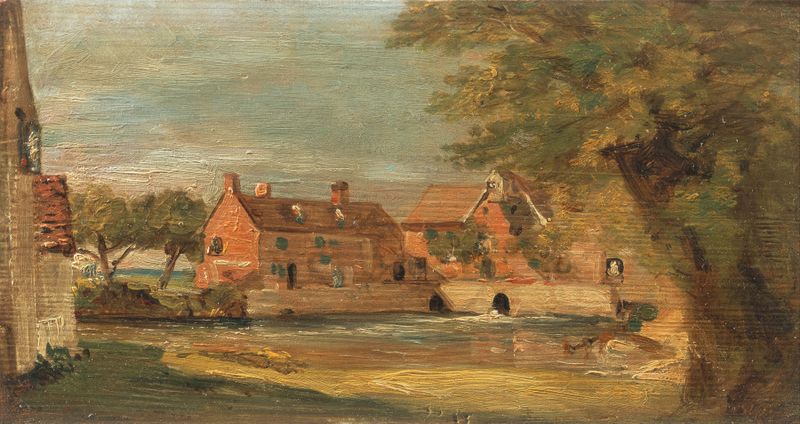
Flatford Mill
John Constable
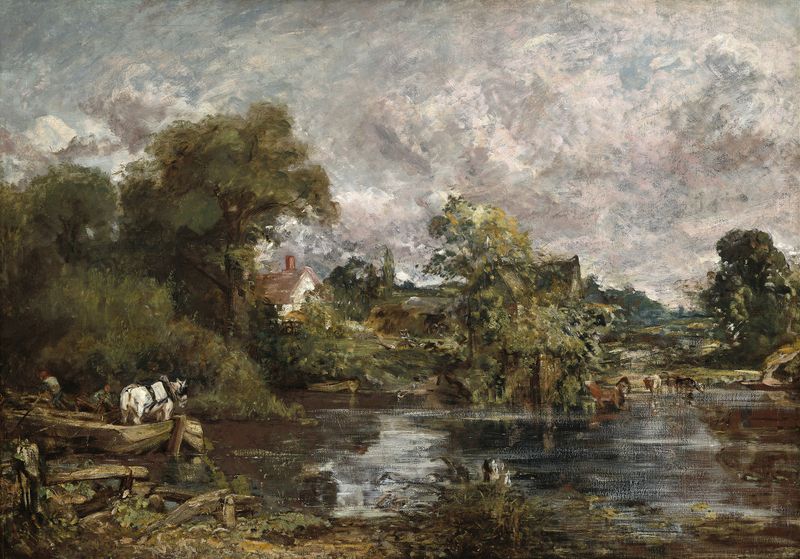
The White Horse
John Constable
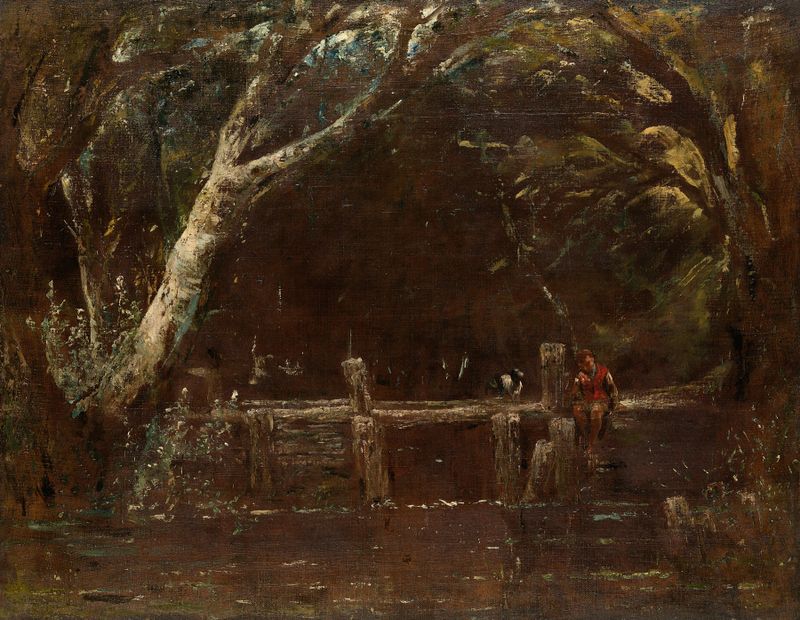
Landscape (The Lock)
John Constable
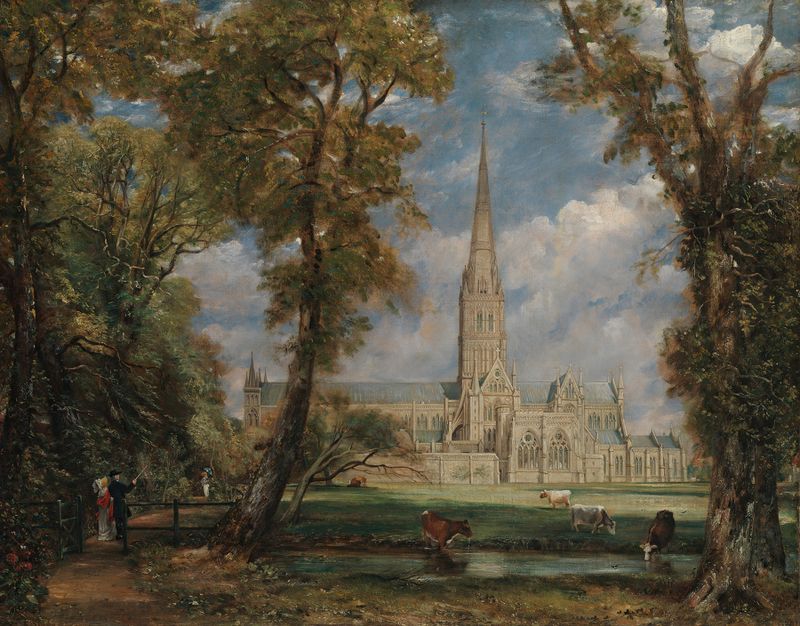
Salisbury Cathedral from the Bishop’s Grounds
John Constable
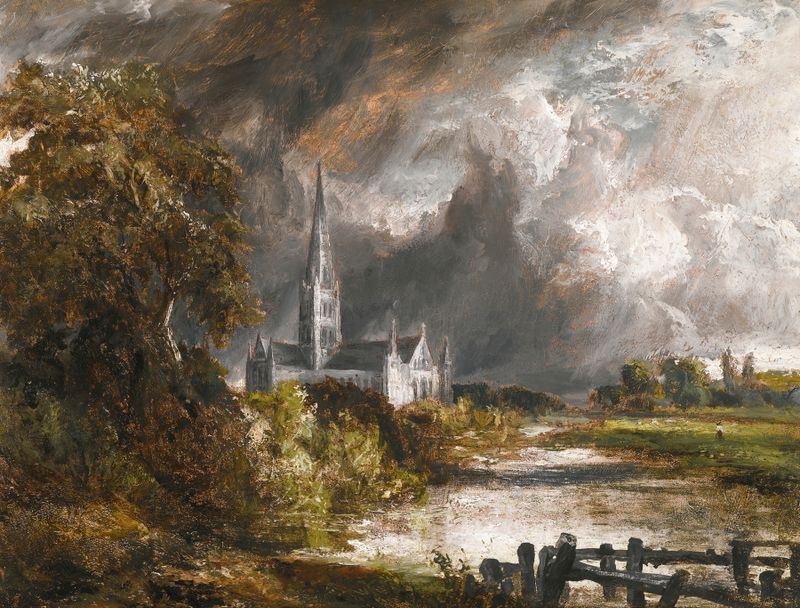
Salisbury Cathedral From The Meadows
John Constable
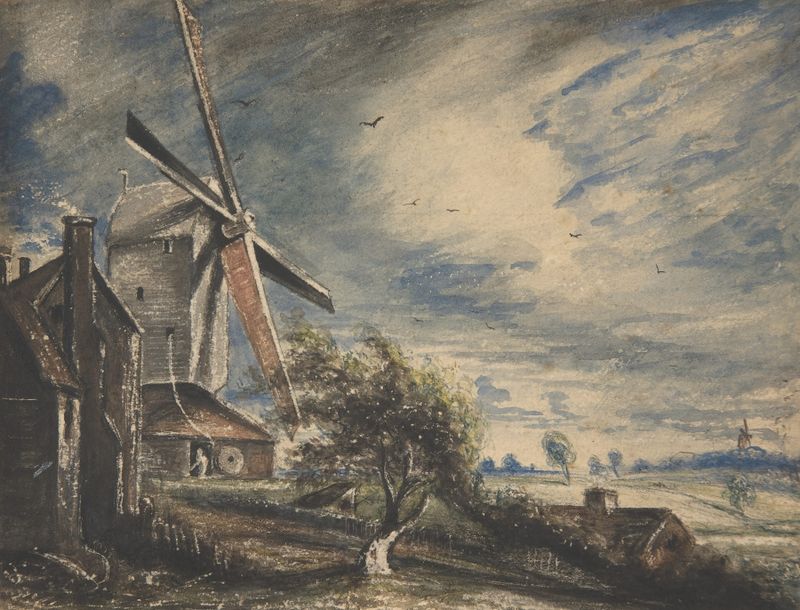
A Mill Near Colchester
John Constable
East Bergholt
John Constable

Flatford Mill
John Constable





