
Doornenkroning — História e Análise
When did color learn to lie? In the delicate interplay of light and shadow, Doornenkroning invites a contemplation of the complexities of legacy, revealing how beauty can often mask deeper truths. Begin by focusing on the intricate details etched into the artwork's surface. Notice the elaborate crown of thorns, meticulously rendered, that rests upon a figure’s head. The contrast between the gentle strokes of the crown and the harsh lines of the thorns creates a tension that captivates the eye.
The muted palette, punctuated by the soft undertones of flesh and the starkness of the thorns, enhances the emotional weight of the piece. Here, the viewer is drawn into a space where light dances eerily around pain and beauty. As you delve deeper, consider the implications of the crown's weight. It symbolizes not just suffering, but the burden of expectation and the twisted nature of nobility.
The figure, shrouded in ambiguity, embodies the duality of pain and glory, challenging the viewer to grapple with their own perceptions of sacrifice and honor. The piece resonates with themes of mortality and the transient nature of legacy, pushing us to question what we choose to remember and what we allow to fade into obscurity. Jacques Callot created Doornenkroning between 1619 and 1624 while living in France amid a period marked by the Thirty Years' War. This tumultuous backdrop influenced the artist profoundly, shaping his exploration of human emotion and conflict.
Working within the realm of etching, Callot's technique was groundbreaking, allowing him to convey intricate narratives that echoed the social upheaval of his time, capturing both the fragility and strength of the human spirit.
Mais obras de Jacques Callot
Ver tudo →
Titelprent voor de prentreeks 'De kleine apostelen' (Het martelaarschap van de apostelen)
Jacques Callot
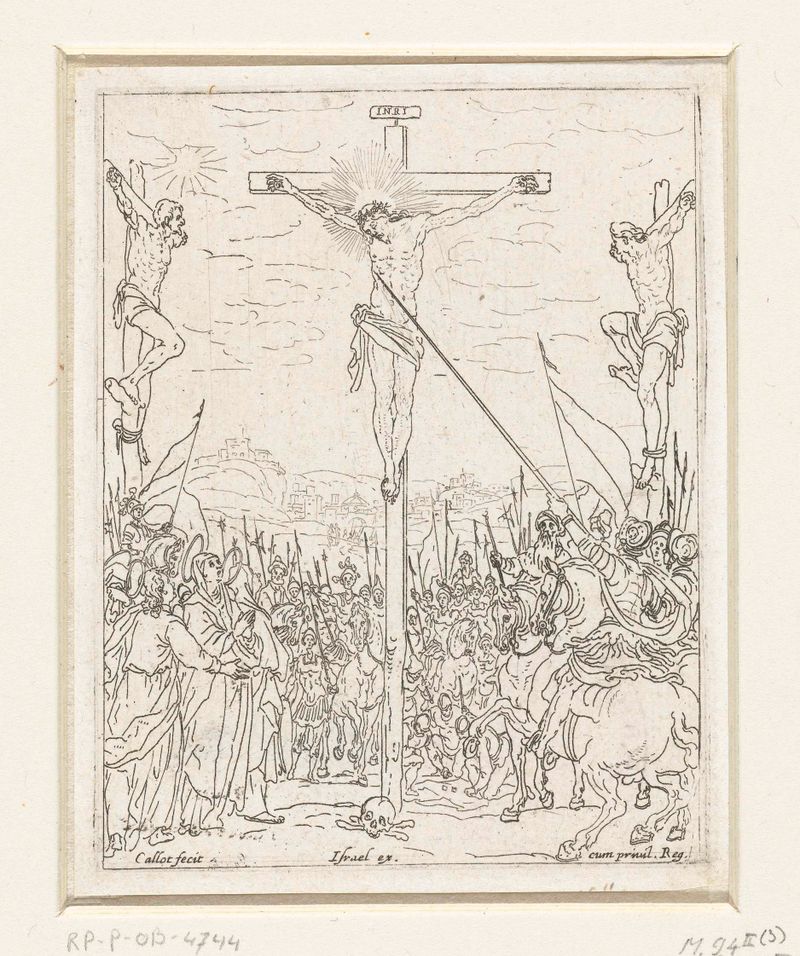
Kruisiging
Jacques Callot

De doortocht door de Rode Zee
Jacques Callot

De verloren zoon als zwijnenhoeder
Jacques Callot

Annunciatie
Jacques Callot
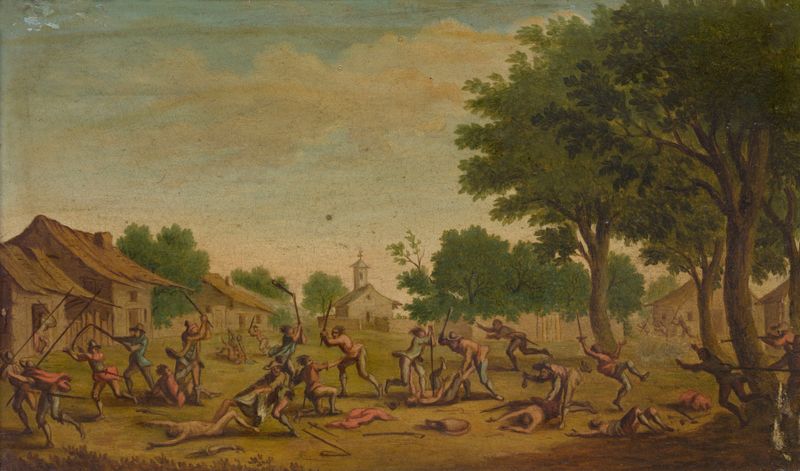
Village Fight
Jacques Callot

Titelprent voor prentreeks 'Het leven van Maria'
Jacques Callot
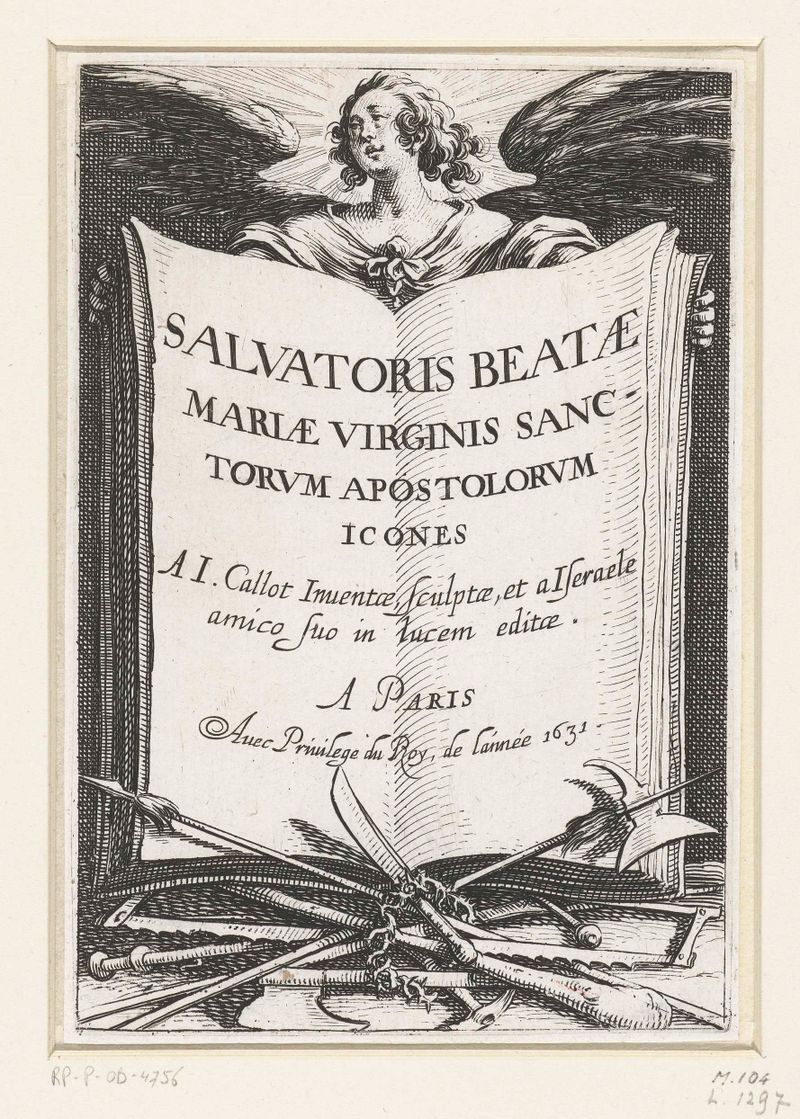
Titelprent voor de prentreeks 'De grote apostelen' (Christus, Maria en de apostelen)
Jacques Callot

Christus aan het volk getoond (Ecce homo)
Jacques Callot
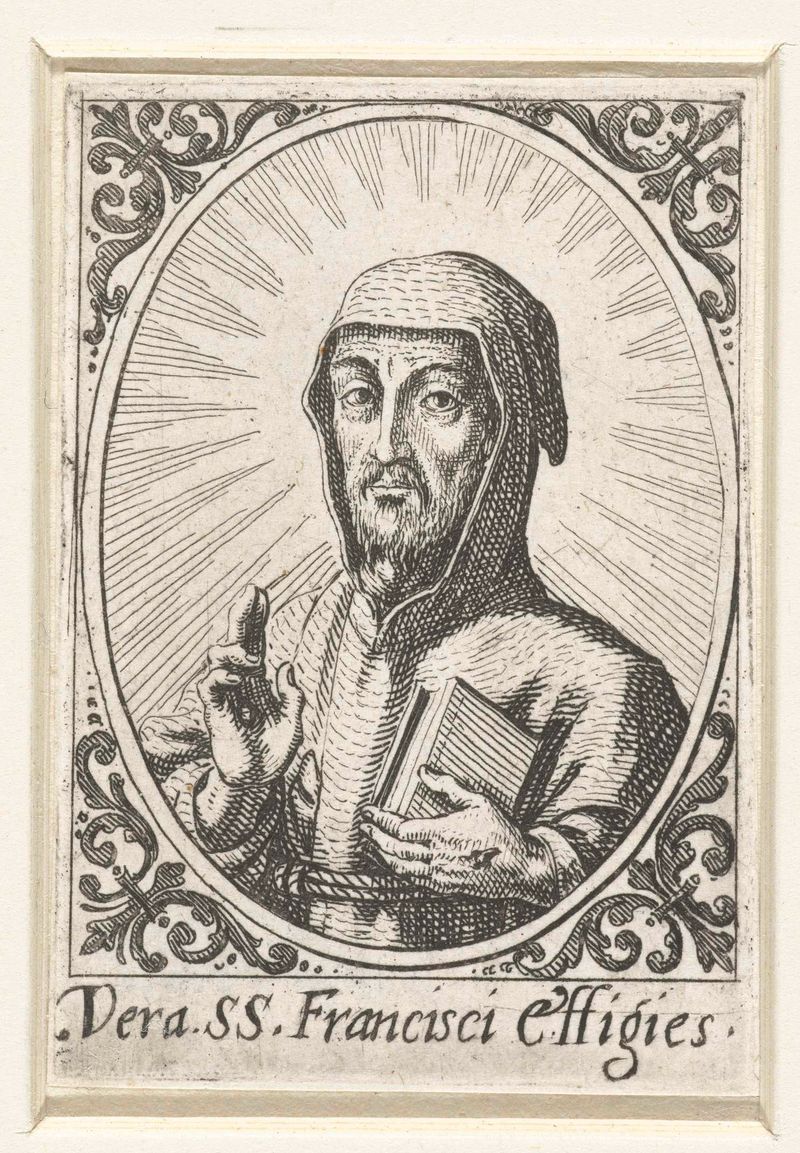
Portret van de Heilige Franciscus
Jacques Callot
Mais arte de Arte Religiosa
Ver tudo →
The Return of the Prodigal Son
Rembrandt van Rijn

The Garden of Earthly Delights
El Bosco

Count Orgaz’ funeral
El Greco

The Hundred Guilder Print: the central piece with Christ preaching, the plate arched
Rembrandt van Rijn

The Descent from the Cross
Rogier van der Weyden

The return of the prodigal son
Rembrandt van Rijn