Driving Cattle in Småland — História e Análise
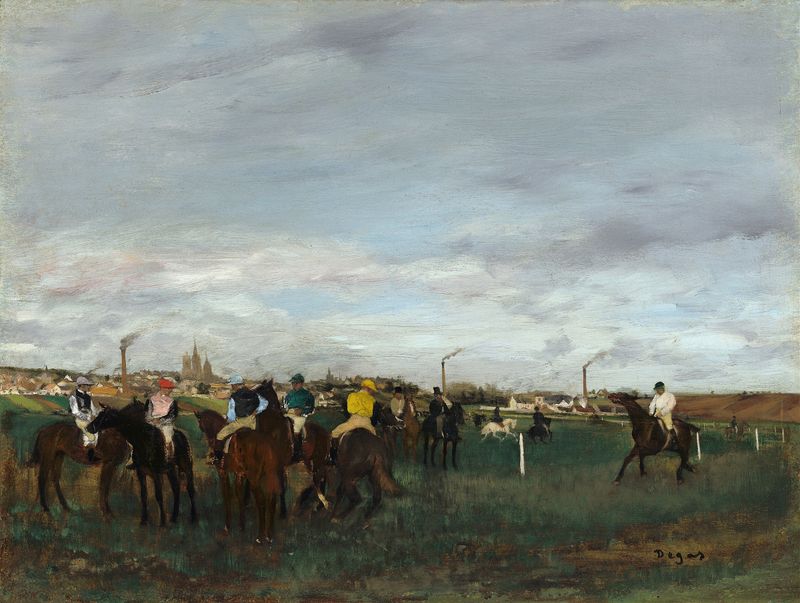
In Driving Cattle in Småland, the serene landscape holds an elusive truth that invites reflection. The muted tones and gentle brushstrokes create a dreamlike illusion, where reality and imagination intertwine, urging the viewer to ponder what lies beneath the surface of this pastoral scene. Focus first on the cattle, their forms captured with both precision and fluidity, leading your eyes to the rugged terrain. The rolling hills in the background bathe in soft, golden light, creating a harmonious balance with the earthy browns and greens of the foreground.
Notice the subtle interplay of shadows as they dance across the grass, hinting at a fleeting moment in time. The careful arrangement of figures and landscape evokes a rich sense of place, making it feel both intimate and expansive. The emotional tension arises from the contrast between movement and stillness. While the cattle are driven forward, a sense of nostalgia lingers, suggesting the weight of tradition and the passage of time.
The solitary figure of the herder, almost lost in the vastness of the scene, embodies a connection to the land that is both personal and universal, reflecting the struggle between human agency and nature’s enduring presence. Each element seems to whisper secrets of the past, creating an atmosphere ripe with contemplation. Nils Andresson created this work in 1863, during a time when Sweden was undergoing significant social and economic changes. As the nation began to modernize, artists like him were turning their gaze toward rural life and its intrinsic beauty, capturing the essence of their homeland.
This painting reflects not only Andresson’s personal experiences but also a broader cultural appreciation for the landscapes and traditions that defined Swedish identity during this transformative period.