
Dronkenschap van Noach — História e Análise
Is this a mirror — or a memory? In Dronkenschap van Noach, madness flickers in the shadows of a revelatory scene, blurring the lines between enlightenment and folly. Focus on the central figure, Noah, draped haphazardly across his tent, limbs outstretched in a vulnerable abandon. The vibrant, earthy tones envelop him, while the stark contrast between the light illuminating his face and the darkness that cloaks the surroundings evokes a palpable tension. Notice how the artist skillfully employs chiaroscuro to heighten the emotional intensity, drawing the eye first to Noah's intoxicated stupor before revealing the specters of onlookers, who oscillate between scorn and intrigue. The painting encapsulates a moment fraught with duality; it is an exploration of human frailty and divine consequence.
The grimace of his son, Ham, speaks volumes about the societal shame felt in witnessing such disgrace, while the other figures linger, representing judgment and moral decay. This juxtaposition illustrates the thin veneer of civilization, where one misstep can plunge into chaos, suggesting an unsettling reflection on the human condition. Hans Liefrinck (I) created this work between 1540 and 1560, a period marked by the Northern Renaissance's exploration of biblical themes through a humanistic lens. At this time, artists were increasingly blending religious narratives with psychological depth, and Liefrinck, as a leading figure in Antwerp, was influenced by both the Reformation's challenges to authority and the burgeoning interest in individual experience.
This context deepens the work's commentary on the fragility of moral order amidst human folly.
Mais obras de Hans Liefrinck (I)
Ver tudo →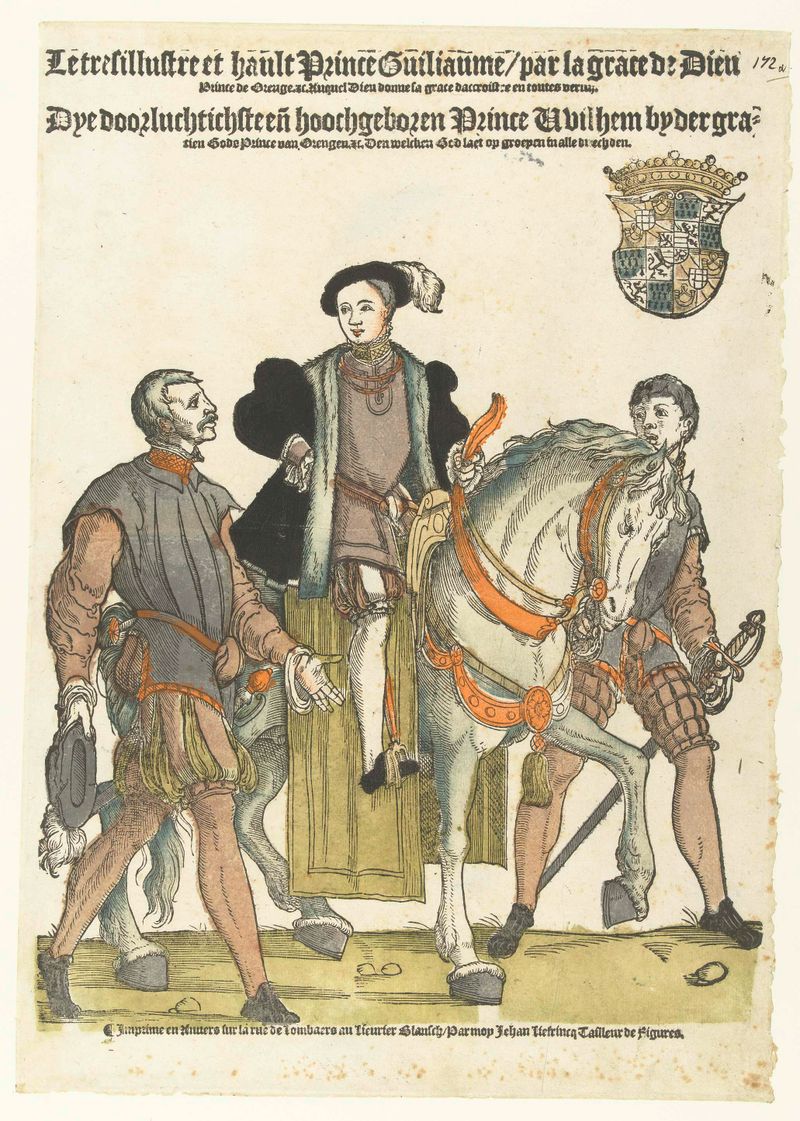
Portret van Willem van Oranje als jongen te paard
Hans Liefrinck (I)
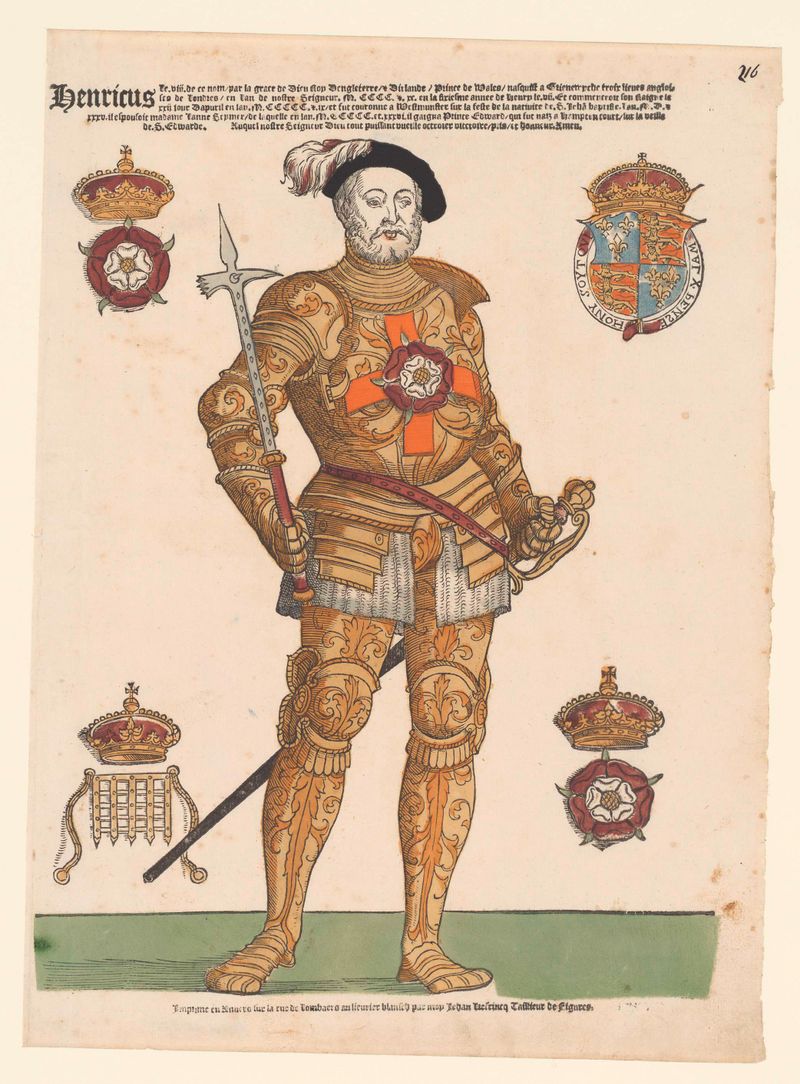
Portret van Hendrik VIII van Engeland
Hans Liefrinck (I)
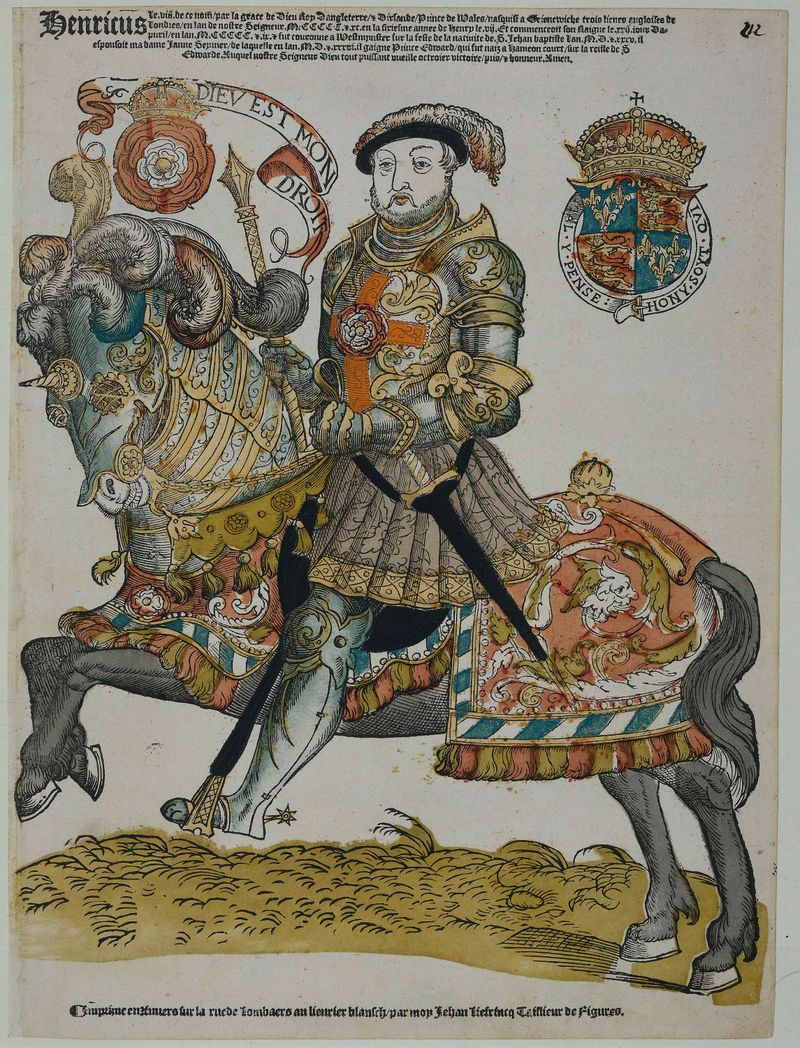
Portret van Hendrik VIII van Engeland
Hans Liefrinck (I)
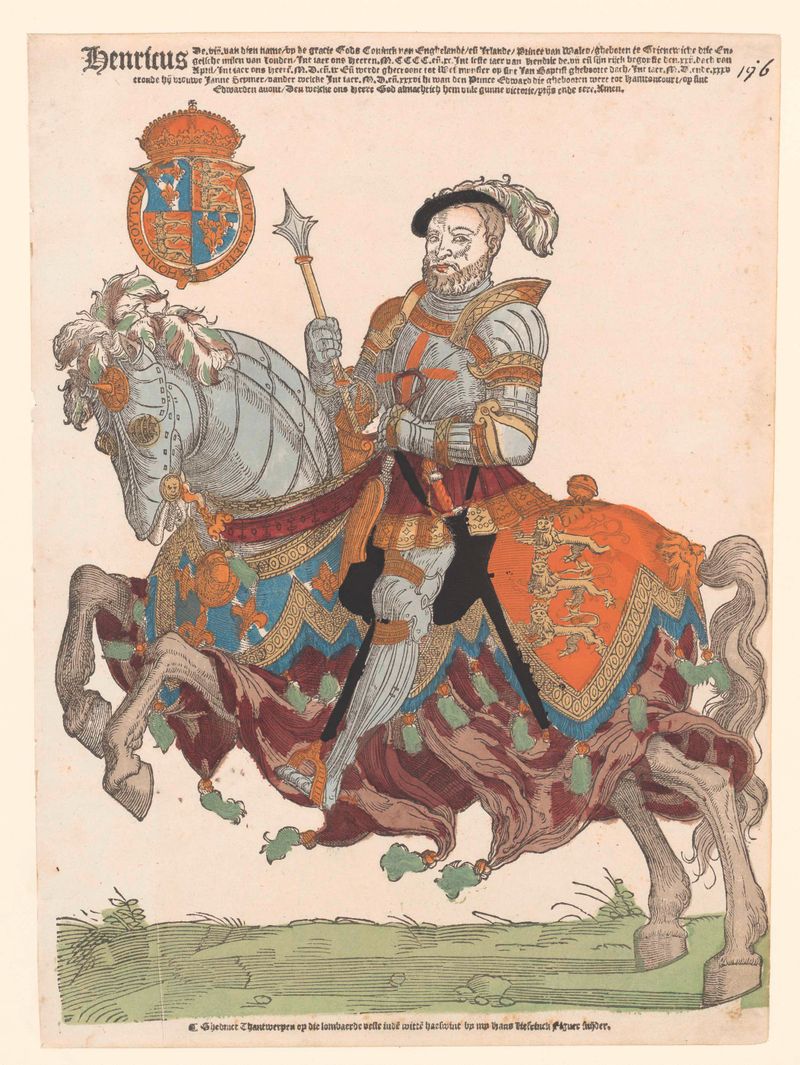
Portret van Hendrik VIII van Engeland
Hans Liefrinck (I)
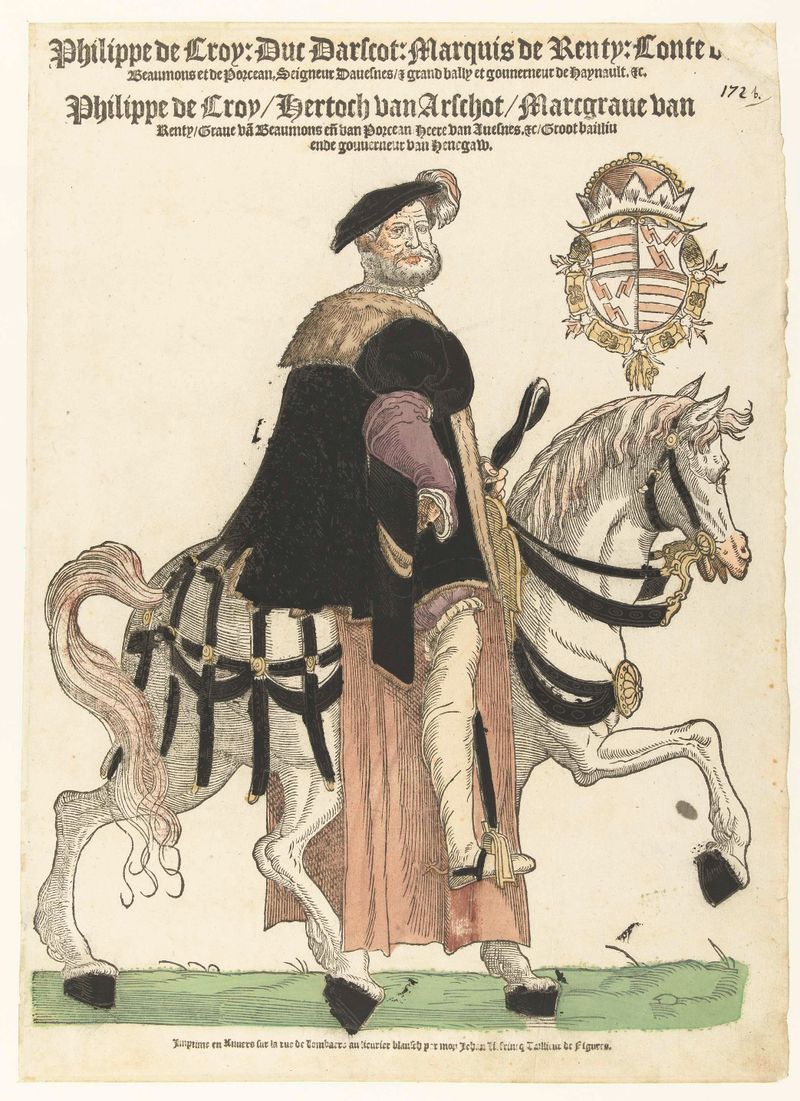
Portret van Filips de Croy te paard
Hans Liefrinck (I)
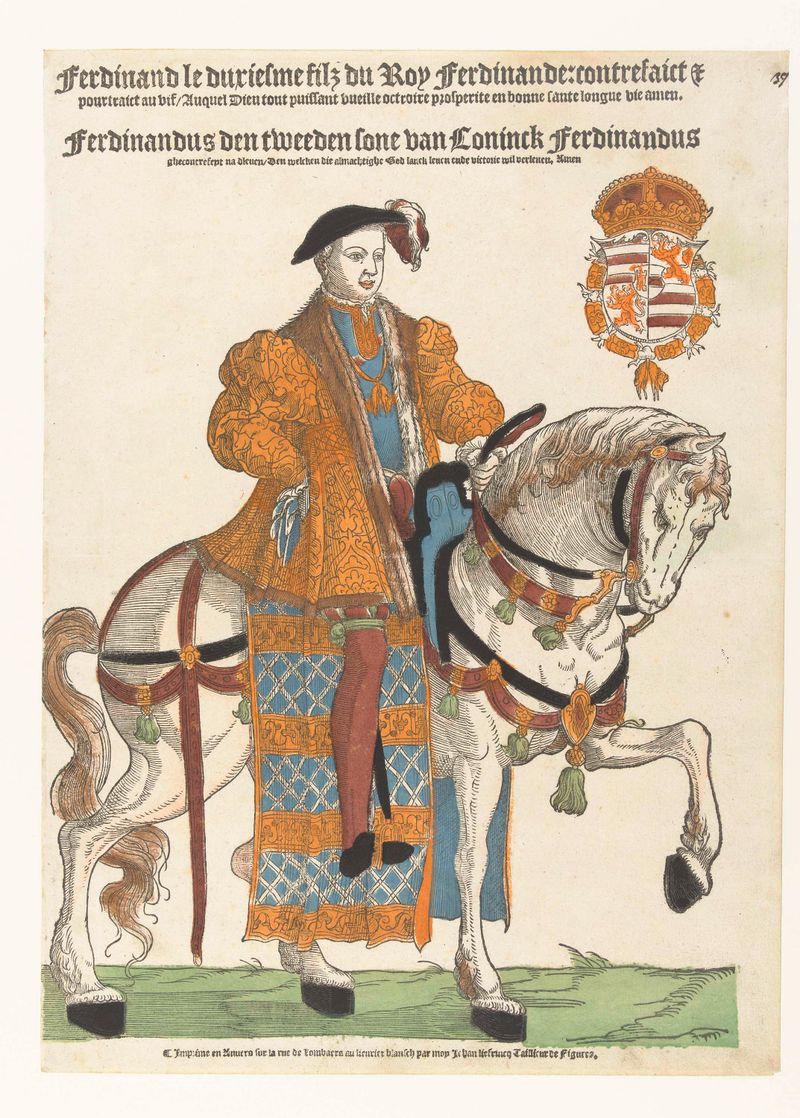
Portret van Ferdinand van Tirol te paard
Hans Liefrinck (I)
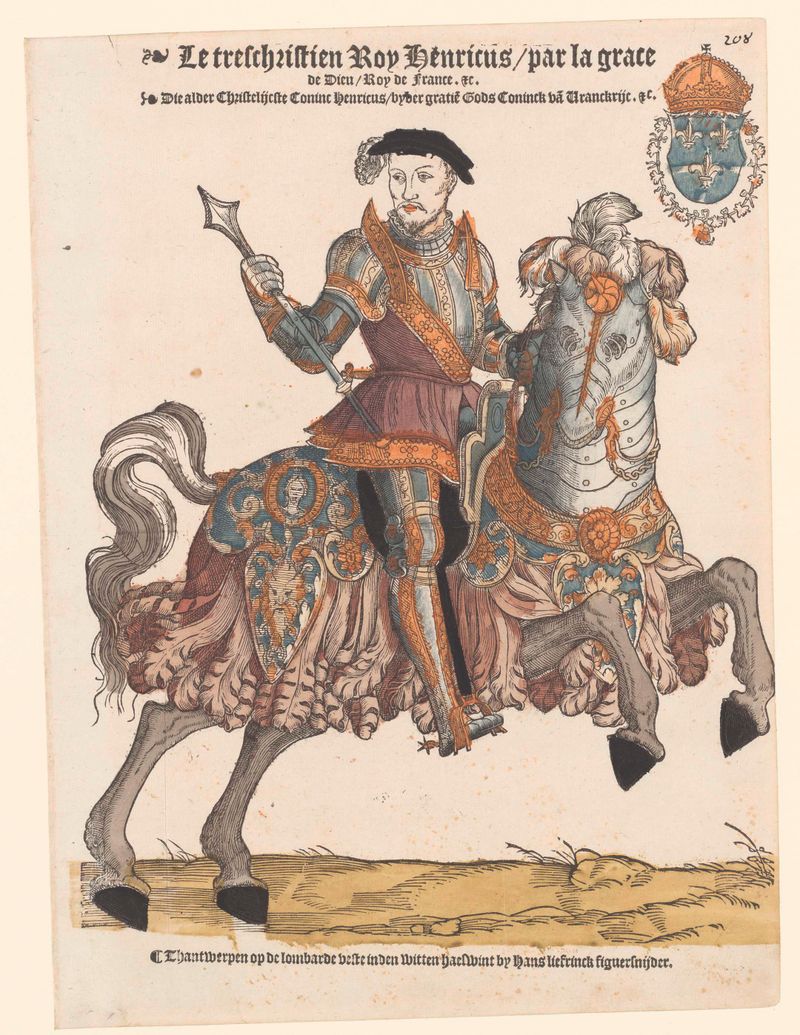
Portret van Hendrik II van Frankrijk in harnas te paard, naar rechts
Hans Liefrinck (I)
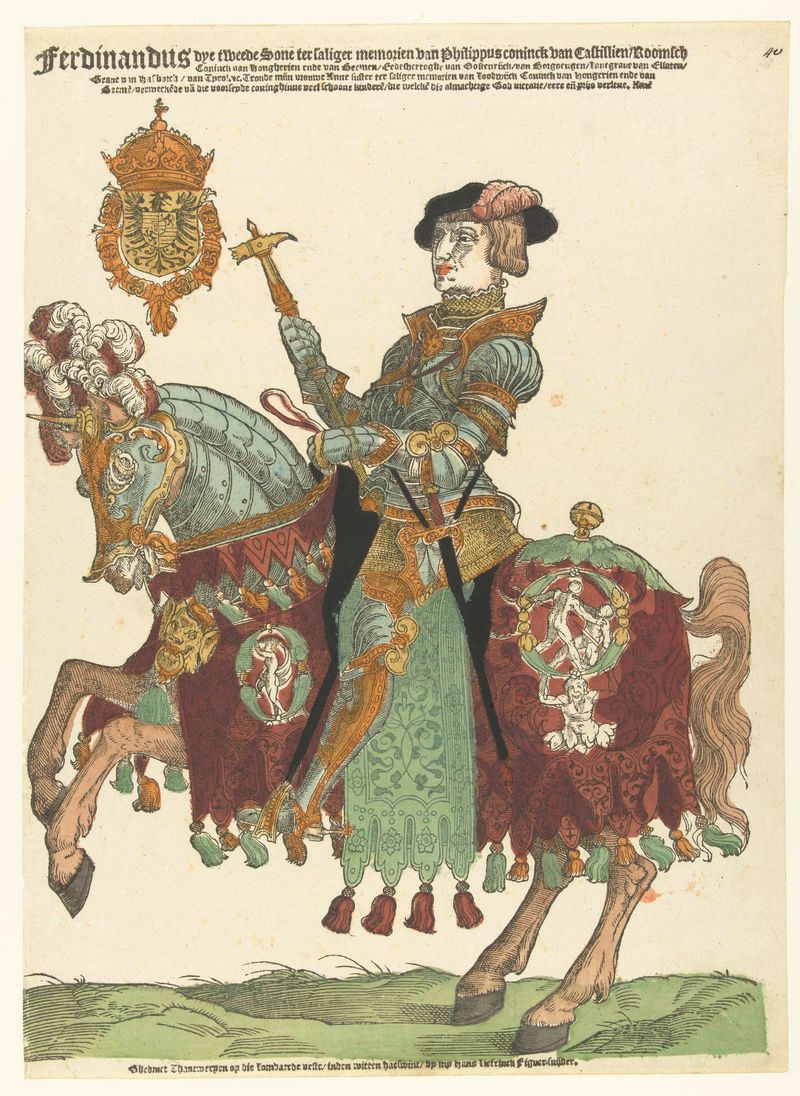
Portret van Ferdinand I van Oostenrijk te paard
Hans Liefrinck (I)
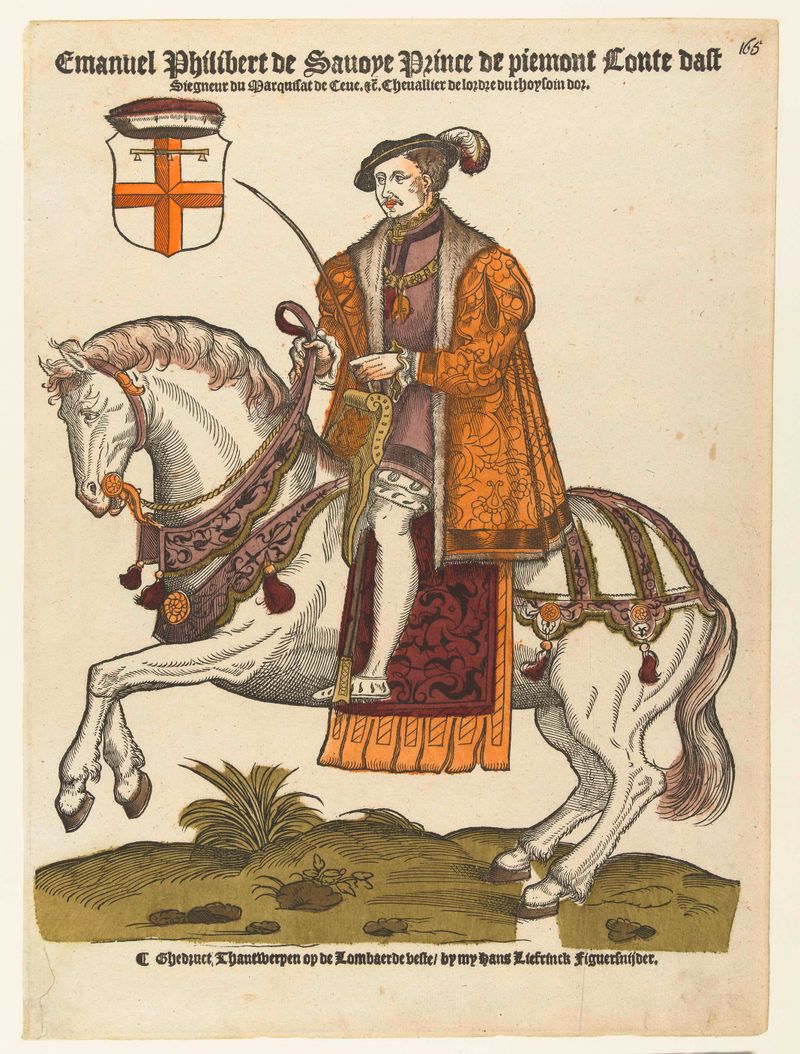
Portret van Emanuel Philibert van Savoye te paard
Hans Liefrinck (I)
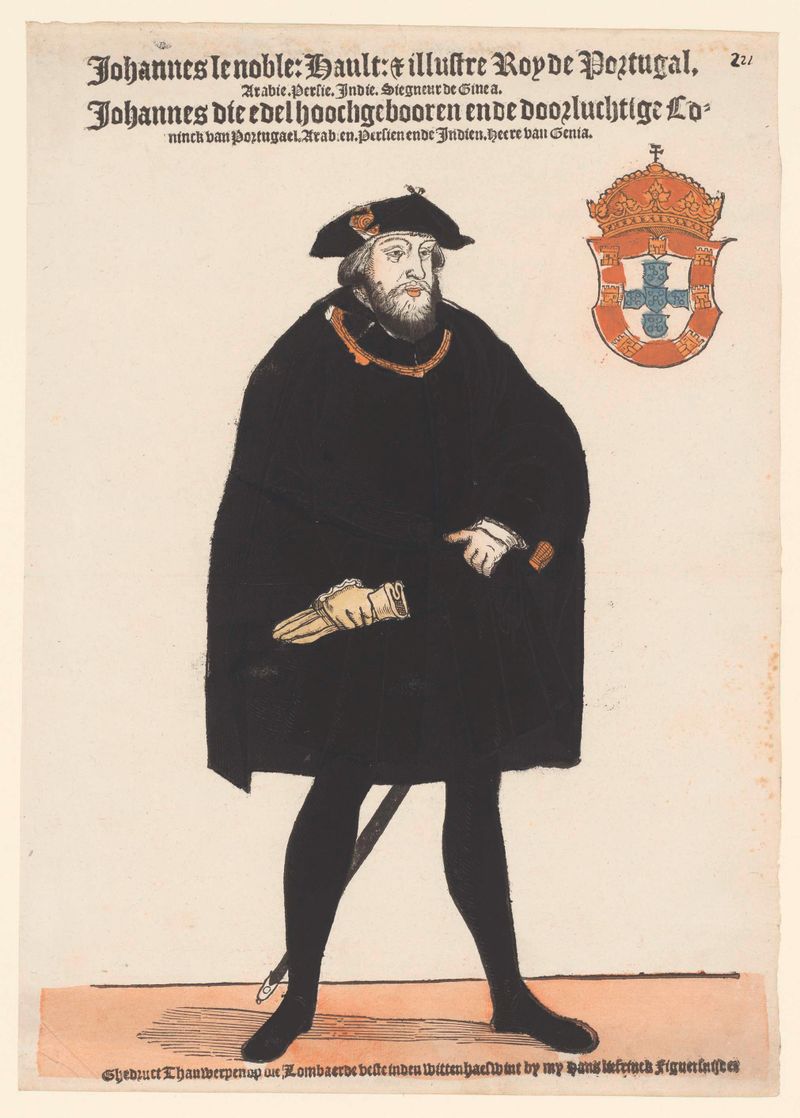
Portret van Johannes III van Portugal
Hans Liefrinck (I)
Mais arte de Arte Religiosa
Ver tudo →
The Return of the Prodigal Son
Rembrandt van Rijn

The Garden of Earthly Delights
El Bosco

Count Orgaz’ funeral
El Greco

The Hundred Guilder Print: the central piece with Christ preaching, the plate arched
Rembrandt van Rijn

The Descent from the Cross
Rogier van der Weyden

The return of the prodigal son
Rembrandt van Rijn