
Duell Baden — História e Análise
In a world where the ephemeral meets the eternal, art transcends mere canvas to become a vessel of creation. Look closely at the vivid interplay of colors that dance across the surface, where deep reds clash with serene blues. Focus on the dynamic tension captured in every figure, their stances filled with an unspoken challenge, a duel captured mid-breath. The meticulous details of the costumes and the play of light emphasize the drama, drawing your eye to the faces that oscillate between fierce determination and contemplative introspection. Beneath the vibrant surface lies a commentary on conflict and resolution.
The positioning of the duelists hints at a struggle not just of skill, but of ideals and personal stakes. Notice the subtle expressions that convey a lifetime of rivalry, while the surrounding spectators embody a spectrum of emotions—anticipation, fear, and excitement. Each element in the composition plays a role in building an atmosphere ripe with tension and potential release. Balthasar Wigand painted Duell Baden in 1832, during a time when Europe was engulfed in political turmoil and artistic transformation.
Living in Germany, he navigated the shifting tides of Romanticism while honing his craft, influenced by the burgeoning interest in depicting the human condition. This work stands as a testament to his ability to capture not just a scene, but the very essence of human struggle and the poignant grace of creation itself.
Mais obras de Balthasar Wigand
Ver tudo →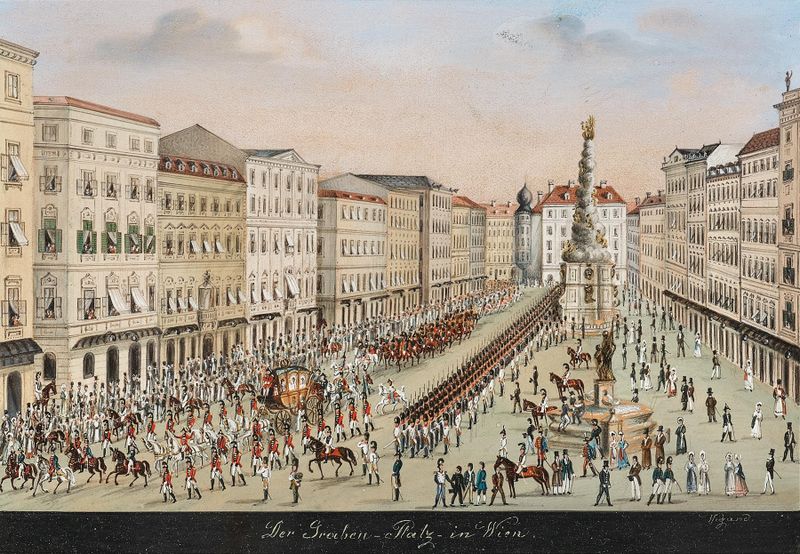
Graben in Vienna with Plague Column, an Imperial coach and a military event
Balthasar Wigand

Wiener Hofburg
Balthasar Wigand

Sewing case
Balthasar Wigand
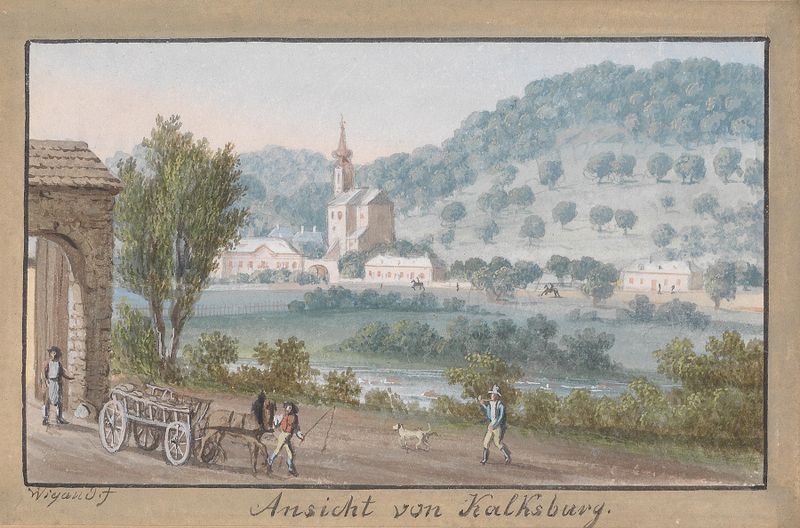
Ansicht von Kalksburg
Balthasar Wigand

Lerchenfelder Linie Große Kirchenparade
Balthasar Wigand
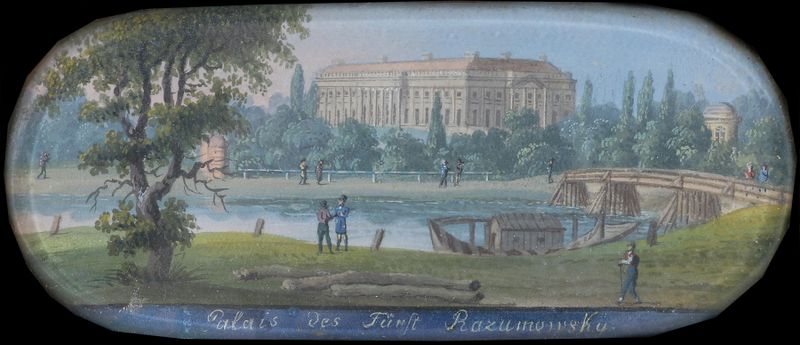
Palais des Fürst Razumowsky
Balthasar Wigand
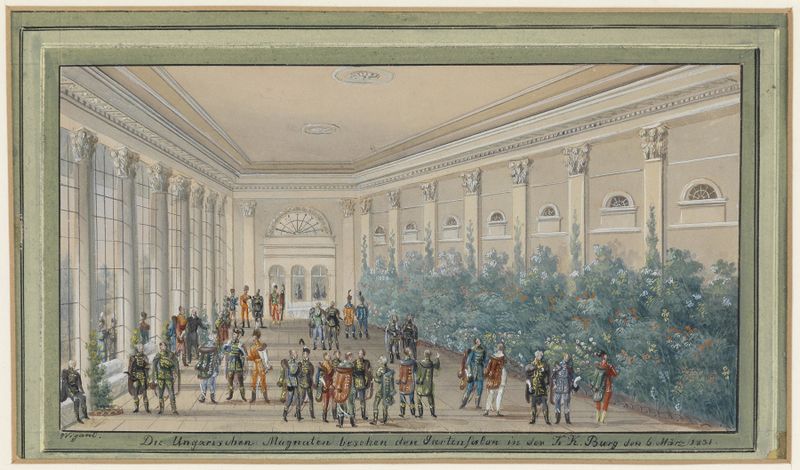
Die Ungarischen Magnaten besuchen den Gartensalon in der Burg
Balthasar Wigand
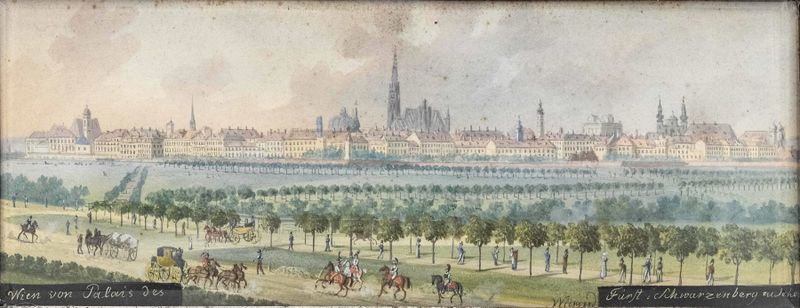
Wien vom Palais Schwarzenberg aus gesehen
Balthasar Wigand
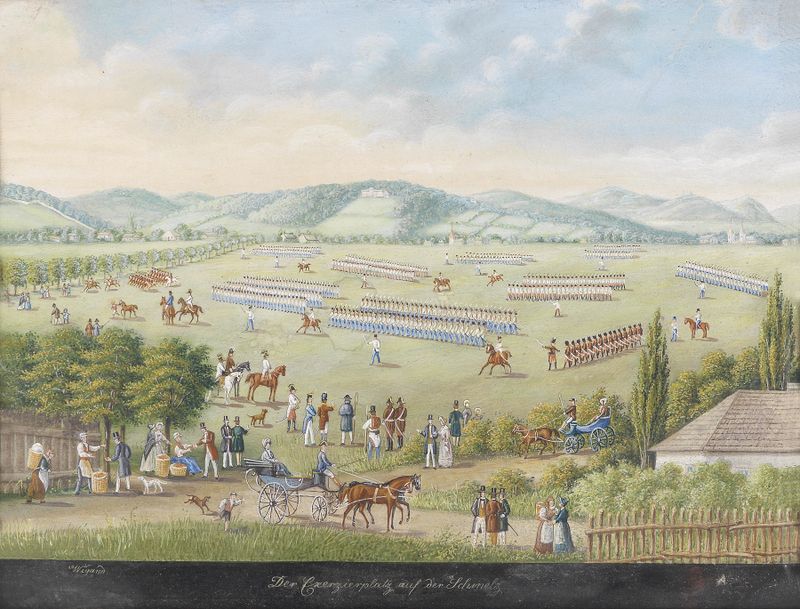
Exerzierplatz auf der Schmelz
Balthasar Wigand
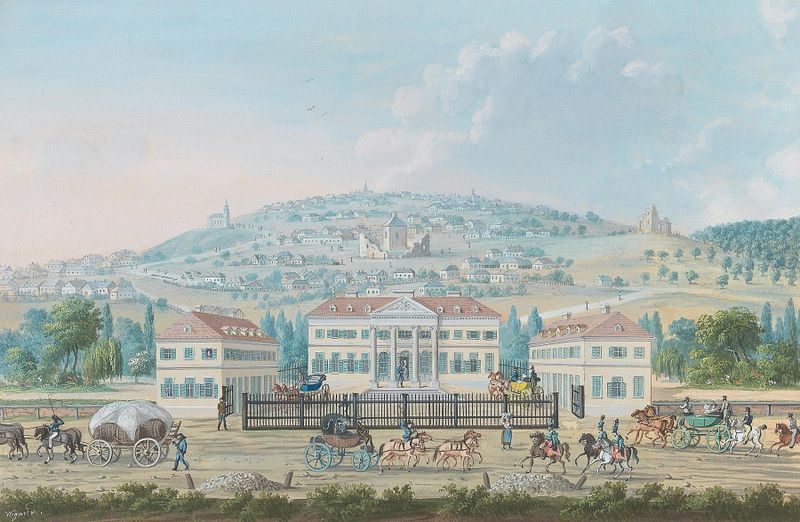
Schloss Zichy
Balthasar Wigand
Mais arte de Pintura Histórica
Ver tudo →
The Night Watch Militia Company of District II under the Command of Captain Frans Banninck Cocq
Rembrandt van Rijn

Lincoln Memorial
Henry Bacon

The Third of May 1808
Francisco de Goya

Isaac and Rebecca, Known as ‘The Jewish Bride’
Rembrandt van Rijn

The Charge of the Mamelukes (1814)
Francisco de Goya

De vier ruiters van de apocalyps
Albrecht Dürer