
East Rock — História e Análise
As we traverse the landscape of our existence, we often find ecstasy nestled within the quiet moments of nature and life. The delicate dance between color and stillness invites us to explore our own emotions, reminding us that beauty can emerge from the most tranquil settings. Look to the foreground of East Rock, where the verdant greens and browns of the foliage create a rich tapestry, drawing your gaze towards the elemental force of the mountain. Notice how the play of light kisses the surfaces, illuminating textures that seem to pulse with life.
In contrast, the expansive sky above unfurls in soft blues and whites, imbuing the scene with a palpable serenity that envelops the viewer, grounding the vibrant colors below. The composition, steeped in realistic detail, invites contemplation and a longing for deeper connection. Delving deeper, we encounter the juxtaposition of human presence against the grandeur of the landscape. A solitary figure stands in the shadow of the towering East Rock, embodying the tension between individuality and the overwhelming power of nature.
The mountain's majestic stillness reflects an inner ecstasy, a sense of peace found when confronting the sublime. This interplay resonates with the viewer, calling forth a shared experience of wonder and introspection. In 1906, John Ferguson Weir created this work during a period marked by a burgeoning appreciation for naturalism and realism in art. Living in Connecticut, he was captivated by the American landscape, blending his academic training with a profound love for the world around him.
This painting captures a moment where the artist sought to bridge the gap between the internal and external realms, all while navigating a changing artistic landscape that celebrated both impressionism and realism.
Mais obras de John Ferguson Weir
Ver tudo →
West Point Foundry, Cold Spring, New York
John Ferguson Weir

West Point Foundry, Cold Spring, New York (Rabbit)
John Ferguson Weir

Niagara Falls
John Ferguson Weir
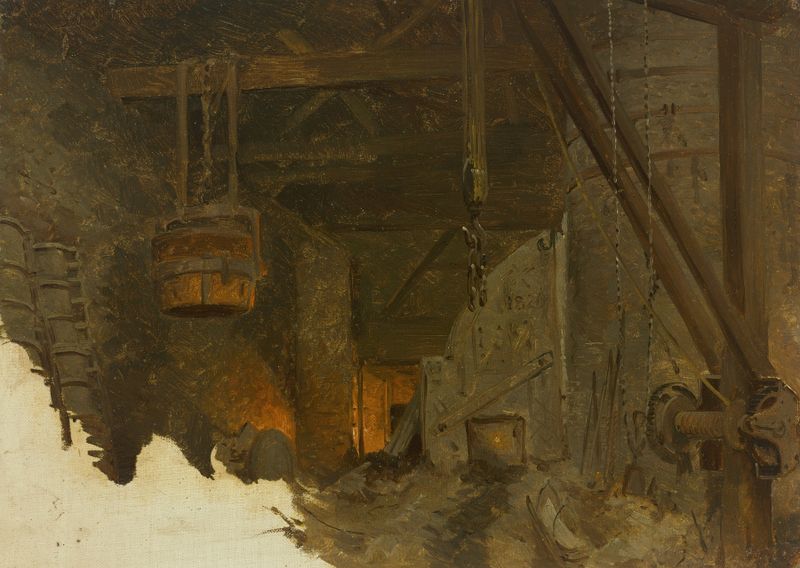
West Point Foundry, Cold Spring, New York
John Ferguson Weir

West Point Foundry, Cold Spring, New York
John Ferguson Weir

Forest Scene
John Ferguson Weir

Forest Scene
John Ferguson Weir

Alhambra, Granada, Spain
John Ferguson Weir

An Abandoned Quarry
John Ferguson Weir
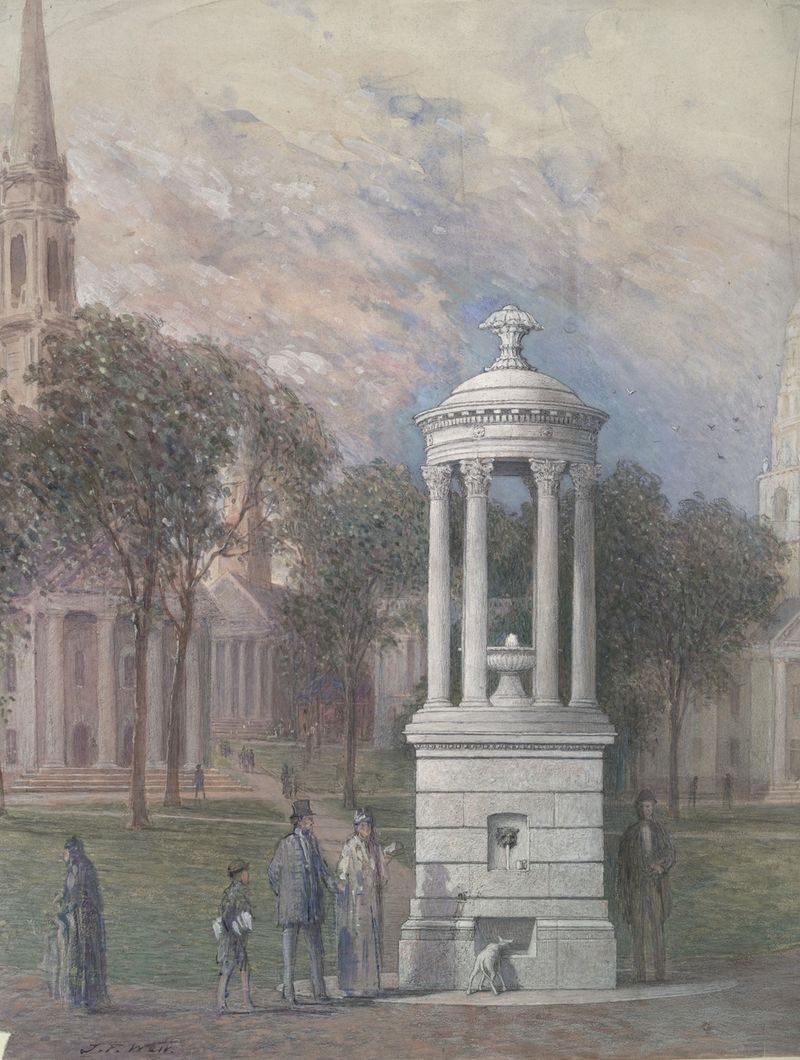
Bennett Fountain on New Haven Green
John Ferguson Weir





