Een harddraverij te Zaandam — História e Análise
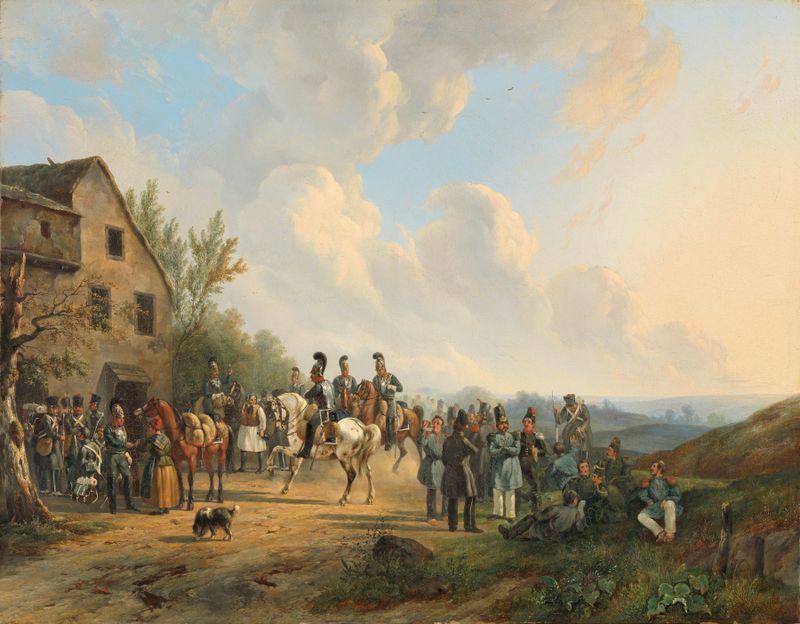
Beneath the veneer of tranquility lies a ripple of deeper emotions, quietly waiting to be felt. Focus on the serene landscape, where the gentle undulations of the land cradle a bustling scene. Look closely at the intricate details of the participants, each figure imbued with a sense of purpose. Notice how the muted palette is punctuated by splashes of color from the horse-drawn carts and the vibrant clothing of the onlookers, creating a tableau that both invites and captivates.
The careful brushwork reveals the texture of the grass, the soft shadows cast by nearby trees, and the palpable energy of the moment, as if time itself is held in suspension. Hidden tensions emerge in the contrast between the idyllic setting and the frenetic activity taking place. The horses, exuding both strength and vulnerability, embody the fragility of life beneath their powerful exteriors. The onlookers, caught between excitement and anxiety, reflect the duality of human experience—a yearning for tranquility in the midst of chaos.
Each face tells a story, whispering of dreams, struggles, and the bittersweet nature of competition. Wouterus Verschuur painted this scene in 1838, at a time when Dutch society was grappling with both agricultural change and a burgeoning sense of national identity. Working in Zaandam, he captured the essence of rural life, infusing his work with a connection to the everyday struggles and joys of the people around him. This painting serves as a testament to the vibrancy of a community, forever etched in the annals of art history.