
El Palleter — História e Análise
Take a moment with Joaquín Sorolla’s El Palleter (1883), and notice how different this feels from his luminous beach scenes. Here, Sorolla steps into history, depicting a powerful moment tied to the Peninsular War. The central figure—Vicente Doménech, known as “El Palleter”—stands elevated, arm raised, passionately calling for resistance against Napoleonic forces.
There’s urgency in his gesture, a sense that this is the very spark of uprising. Look closely at the composition: the crowd gathers below him, their faces turned upward, caught between tension and inspiration. The light is more dramatic here, less about atmosphere and more about emphasis—illuminating the hero while the surrounding figures fall into deeper tones. Sorolla uses this contrast to guide your eye and heighten the emotional intensity of the scene.
You can feel the weight of the moment, the charged air of collective defiance. What makes this work so compelling is its energy and conviction. Before becoming the master of Mediterranean light, Sorolla shows his ability to handle narrative and drama, transforming a historical episode into a vivid, almost theatrical declaration of identity and resistance. It’s not just a painting of the past—it’s a call to feel its urgency in the present.
Mais obras de Joaquín Sorolla
Ver tudo →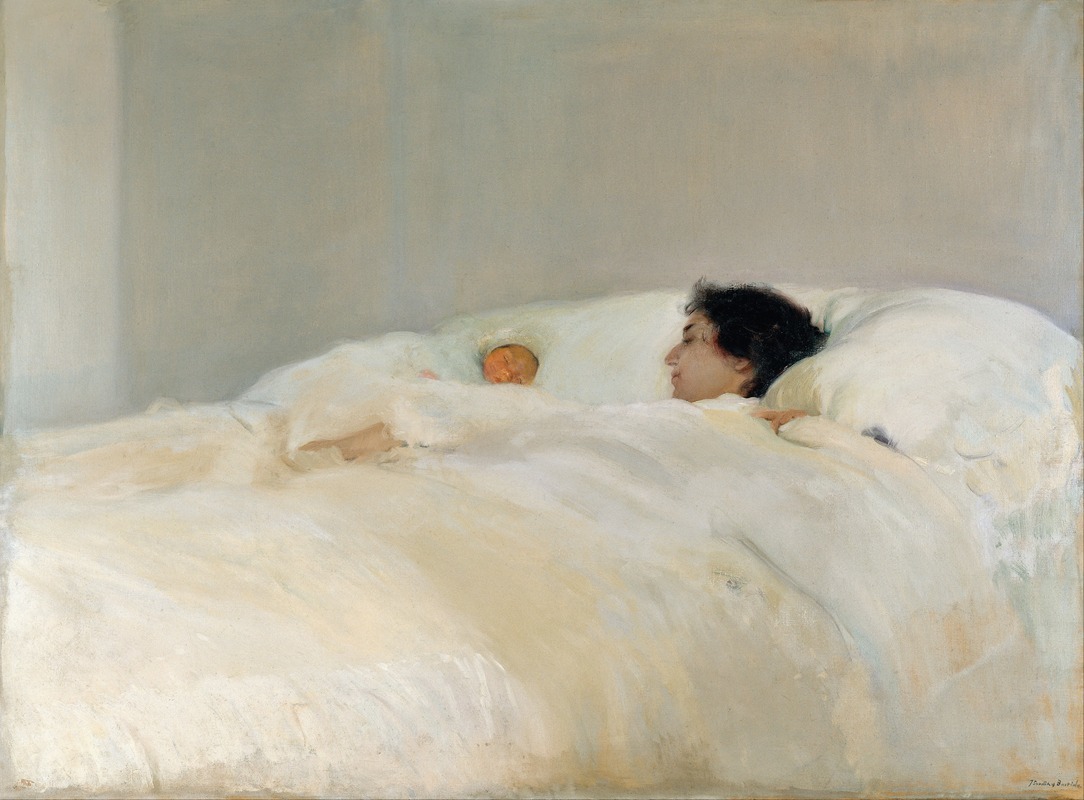
Mother
Joaquín Sorolla
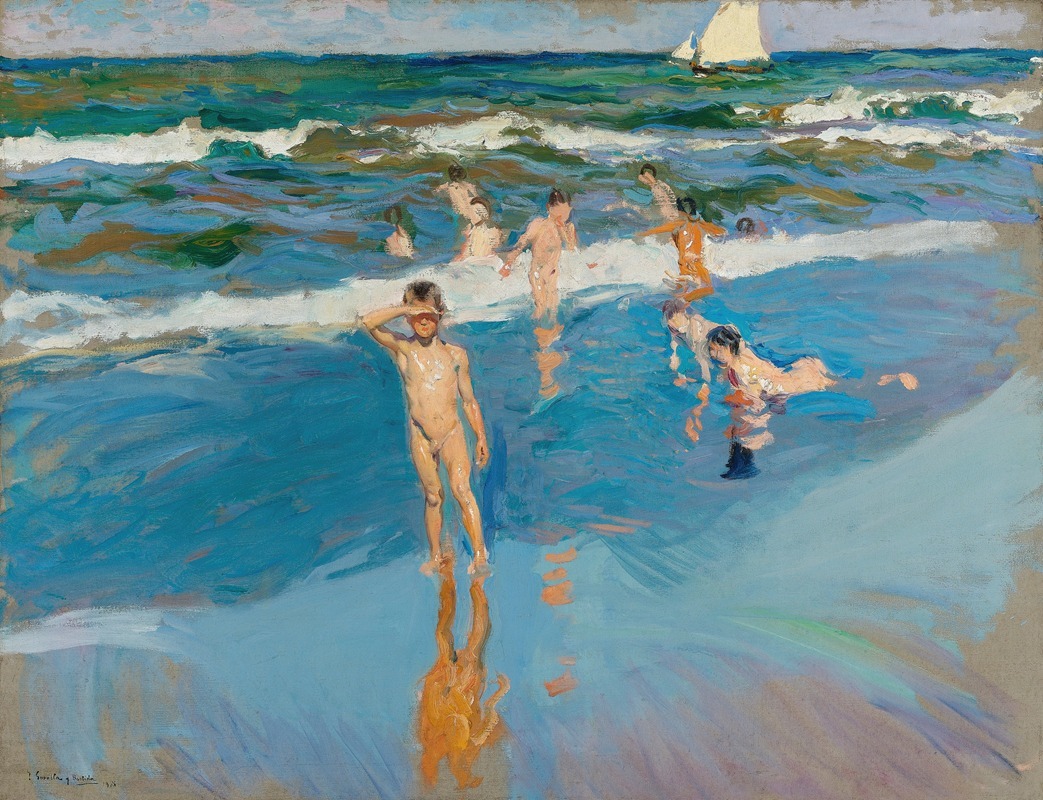
Children In The Sea, Valencia Beach
Joaquín Sorolla
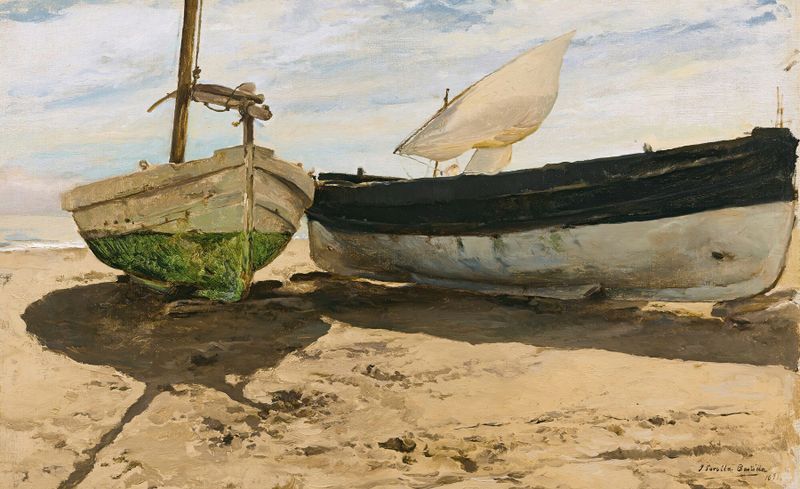
Fishing Boats On The Beach, Valencia
Joaquín Sorolla
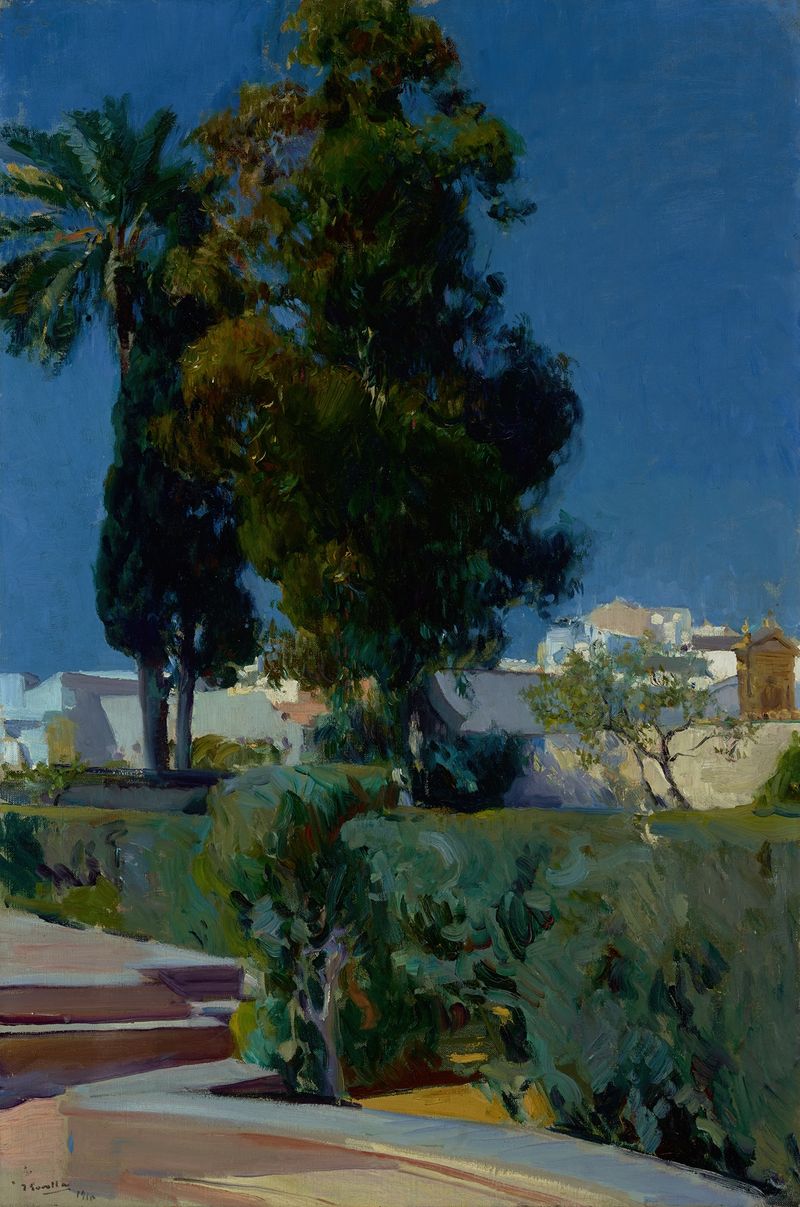
Corner of the Garden, Alcazar, Sevilla
Joaquín Sorolla
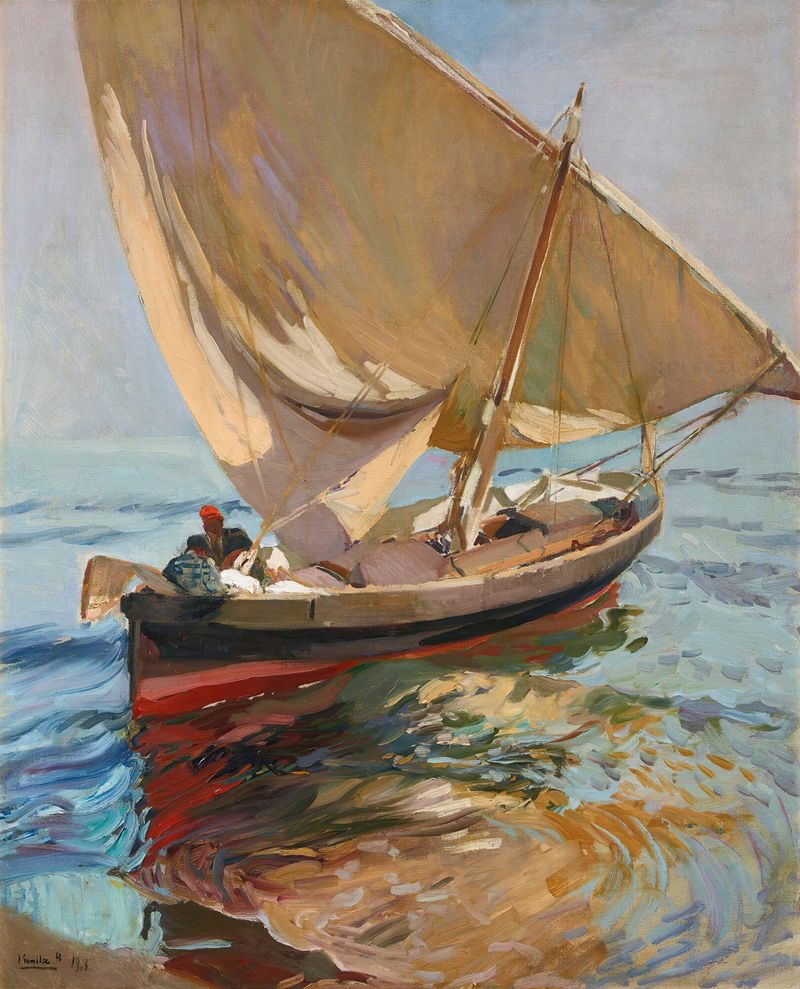
Camino De La Pesca. Valencia (Setting Out To Sea. Valencia)
Joaquín Sorolla
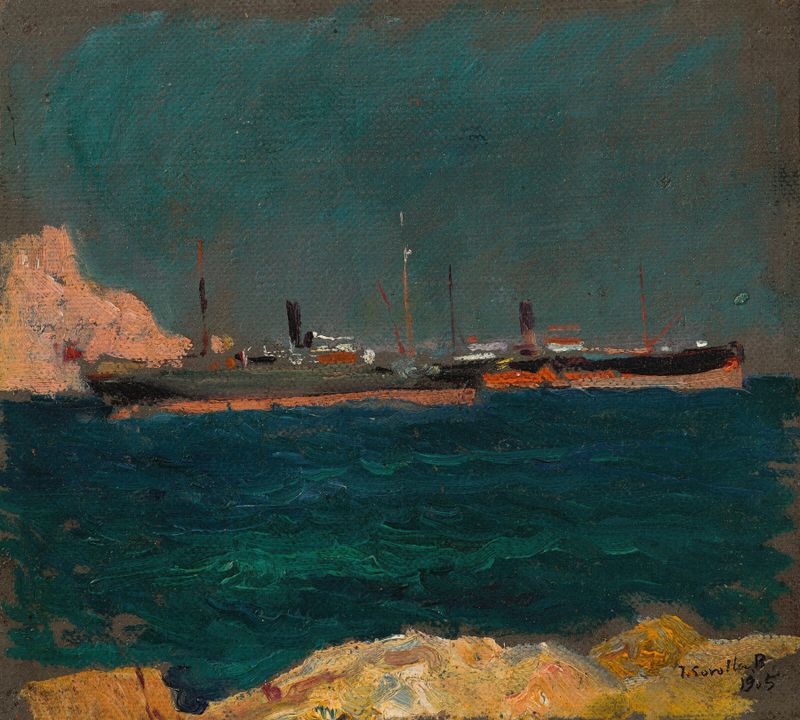
Puerto de Jávea (II)
Joaquín Sorolla
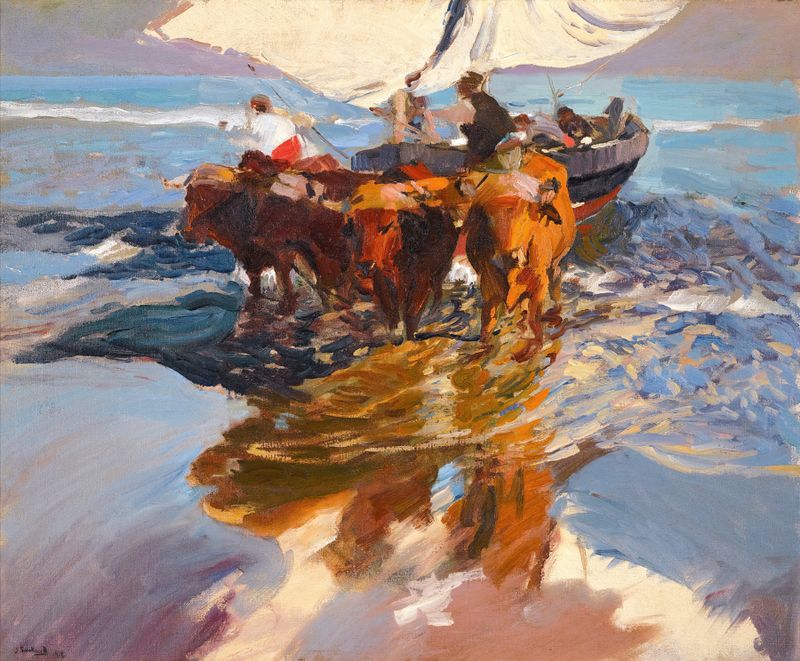
Vuelta De La Pesca. Playa De Valencia (The Return From Fishing, Valencia Beach)
Joaquín Sorolla
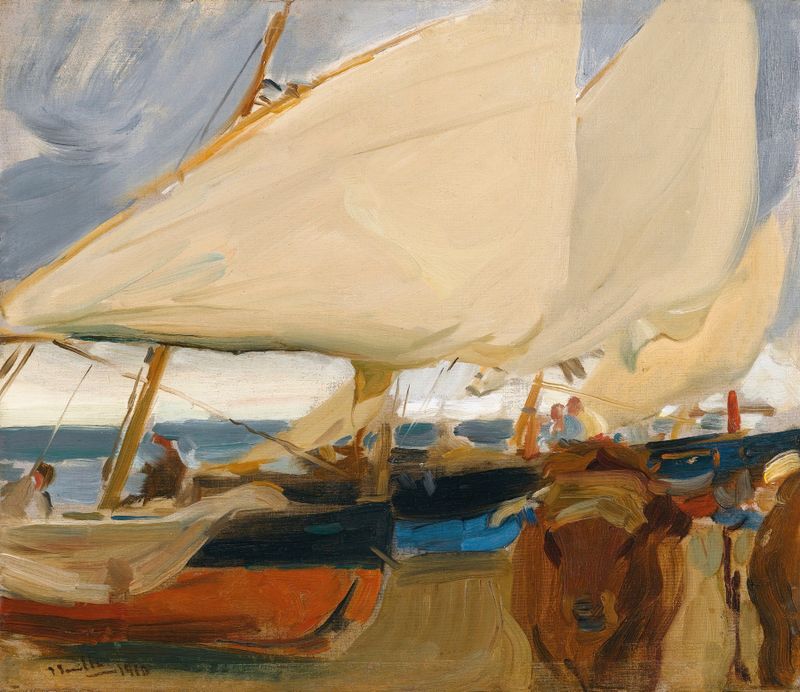
Playa De Valencia
Joaquín Sorolla
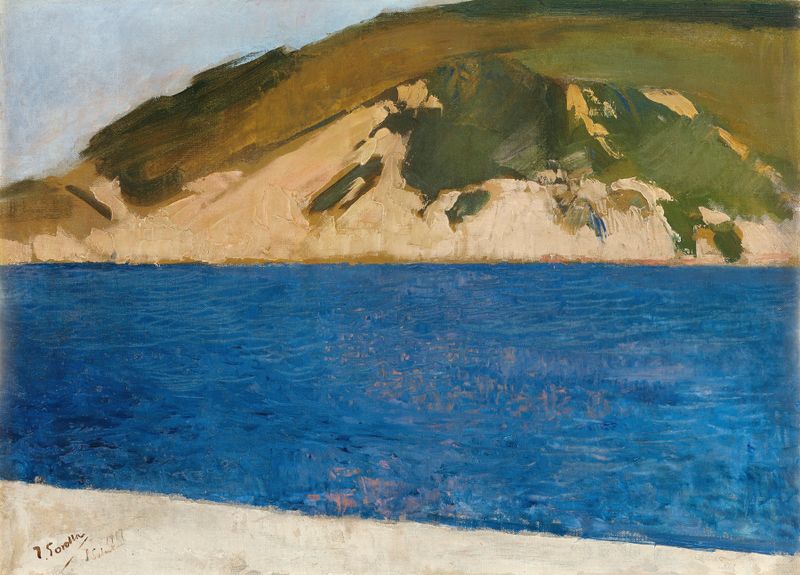
Monte Ulía, San Sebastián
Joaquín Sorolla
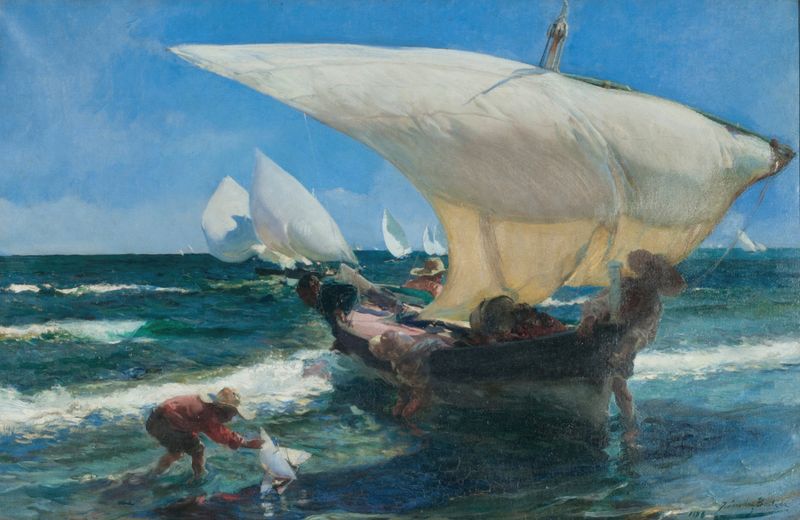
En la costa de Valencia
Joaquín Sorolla
Mais arte de Pintura Histórica
Ver tudo →
The Night Watch Militia Company of District II under the Command of Captain Frans Banninck Cocq
Rembrandt van Rijn

Lincoln Memorial
Henry Bacon

The Third of May 1808
Francisco de Goya

Isaac and Rebecca, Known as ‘The Jewish Bride’
Rembrandt van Rijn

The Charge of the Mamelukes (1814)
Francisco de Goya

De vier ruiters van de apocalyps
Albrecht Dürer