
Farmyard Scene — História e Análise
What if silence could speak through light? In Farmyard Scene, the interplay of shadow and illumination transforms an ordinary moment into a profound exploration of rural life. Look to the left at the gentle curve of the path, where dappled sunlight filters through the trees, casting intricate patterns on the ground. The earthy tones of the barn and the surrounding fields create a warm embrace, while the delicate brushstrokes evoke a palpable texture that invites touch. Notice the careful placement of figures—an act of labor framed within the vastness of nature—imbuing the scene with a sense of harmony and peaceful coexistence. Yet, beneath this tranquil surface lies a tension between humanity and the natural world.
The shadows, which stretch purposefully across the yard, symbolize both the weight of daily toil and the fleeting nature of time. In the background, a distant horizon reminds viewers of the limitless expanse beyond the farm, suggesting the struggles of pastoral life. This contrast between the immediate labor and the expansive backdrop reveals the emotional depth of both solitude and connection. During the early 1870s, as Winslow Homer painted this piece, he was immersed in the American landscape, capturing its essence through his experiences in rural settings.
This period was marked by a shift in art towards realism, echoing the growing appreciation for everyday life. Homer's work, particularly in Farmyard Scene, reflects his keen observation of the simple yet profound interactions within nature, further establishing his reputation as a master of American realism.
Mais obras de Winslow Homer
Ver tudo →
The Gulf Stream
Winslow Homer
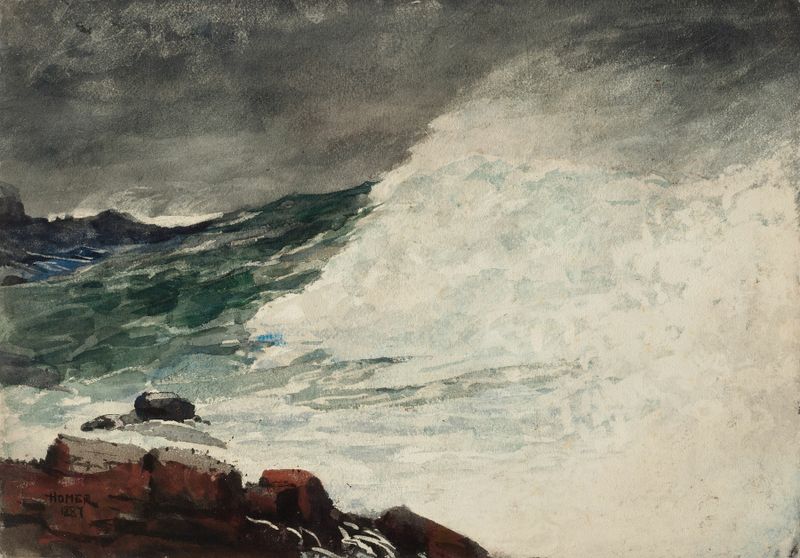
Prout’s Neck, Breaking Wave
Winslow Homer
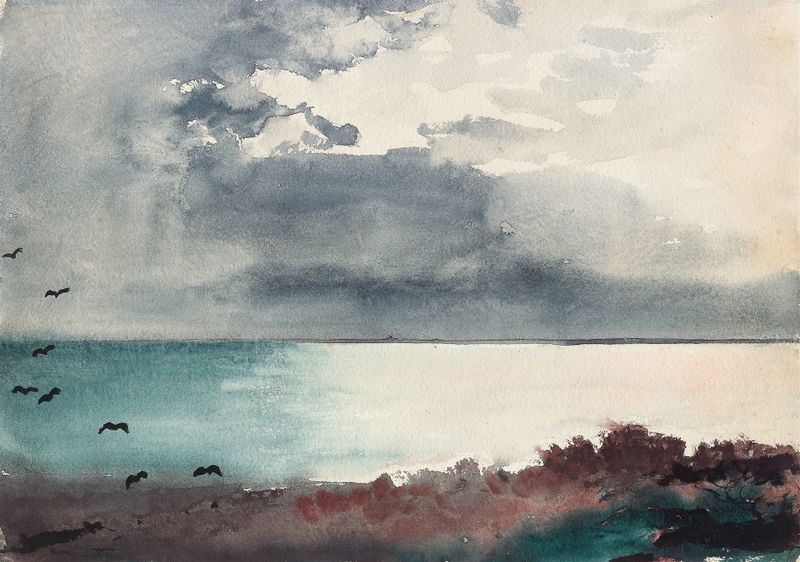
Breaking Storm, Coast of Maine
Winslow Homer
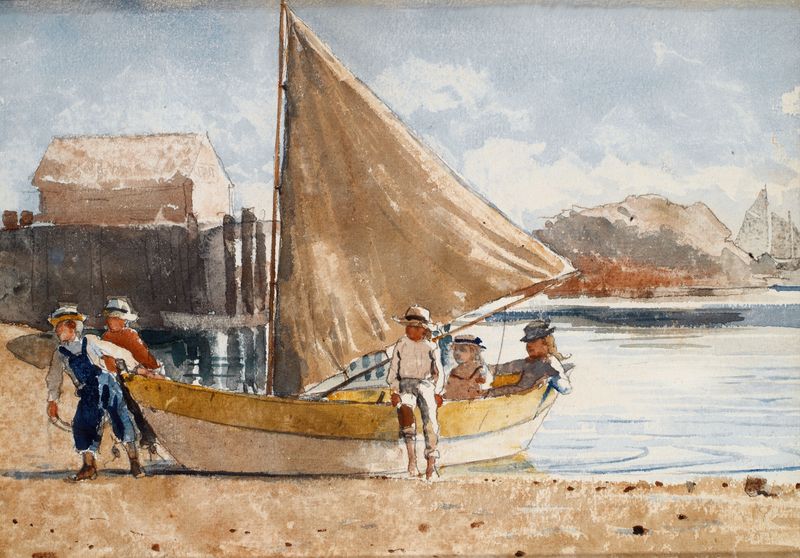
Summertime
Winslow Homer
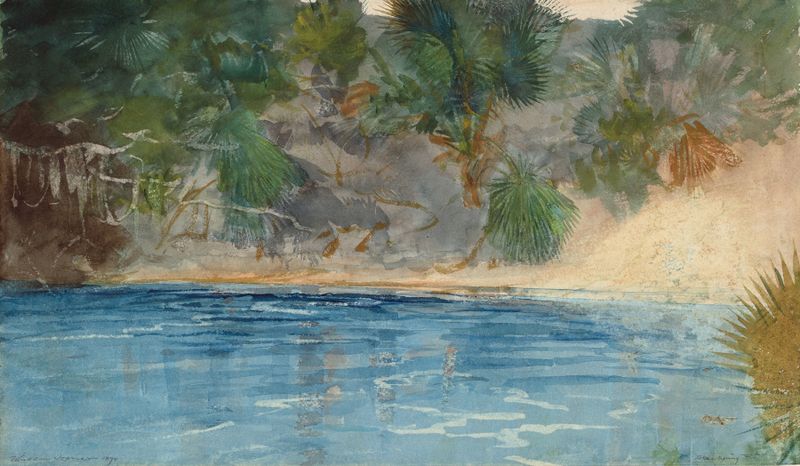
Blue Spring, Florida
Winslow Homer
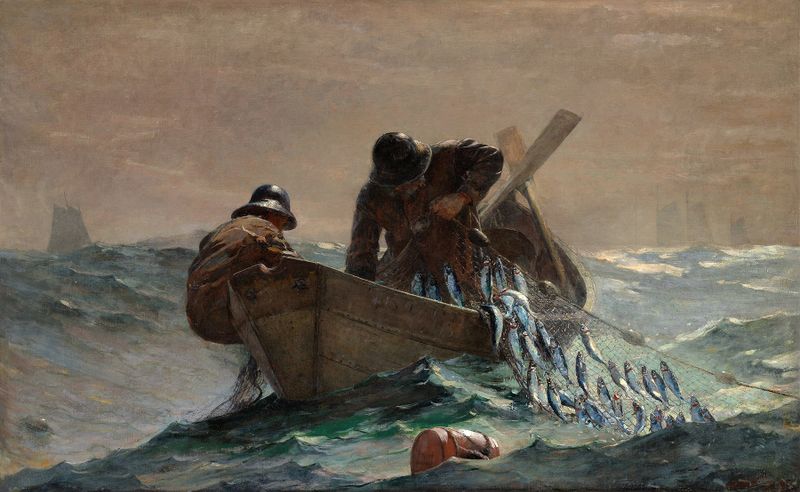
The Herring Net
Winslow Homer
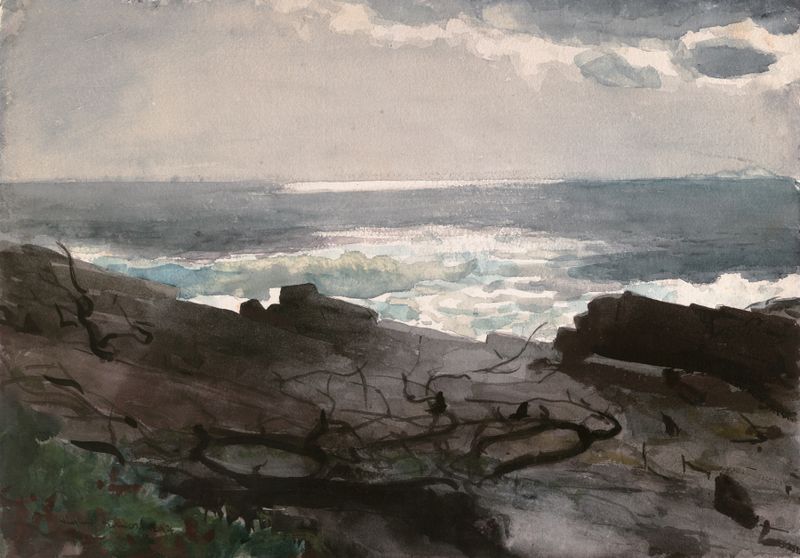
Sunshine and Shadow, Prout’s Neck
Winslow Homer
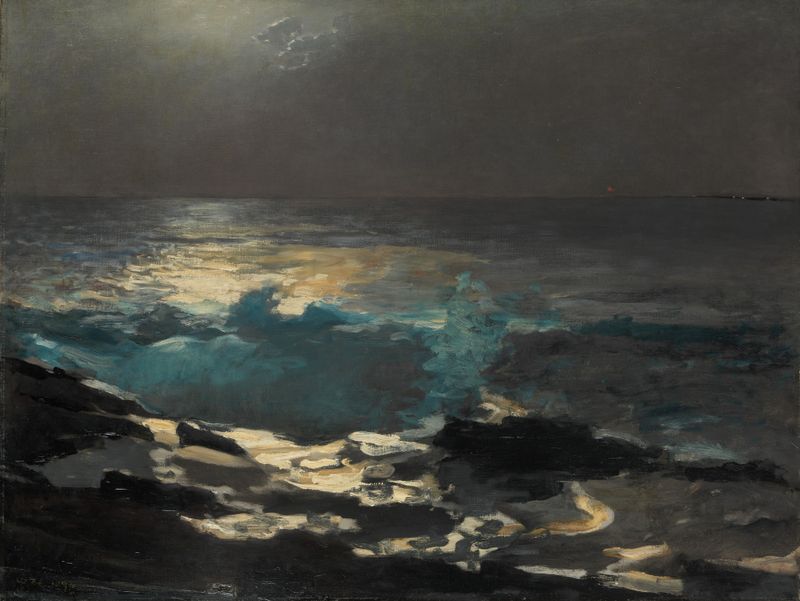
Moonlight, Wood Island Light
Winslow Homer
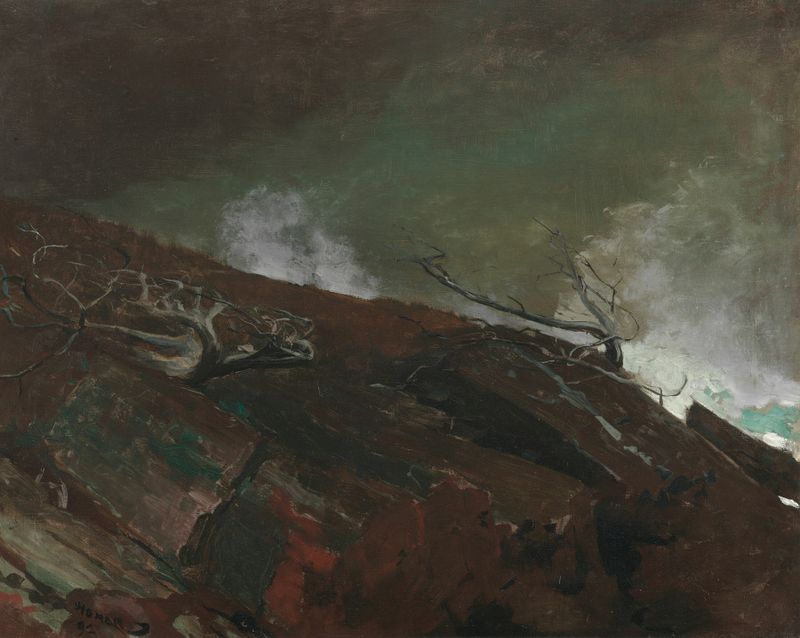
Coast of Maine
Winslow Homer
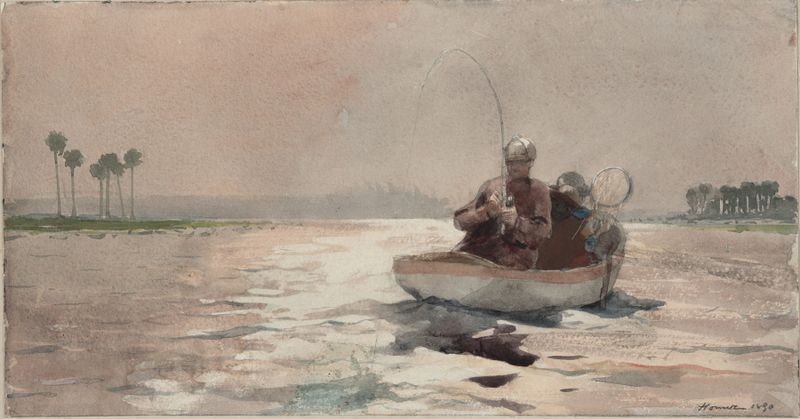
Bass Fishing – Florida
Winslow Homer





