
Faucheurs, deux figures — História e Análise
It holds within it the echoes of labor, loss, and the quiet grief that weaves through the tapestry of daily life. In this moment captured by the brush, the weight of agricultural toil presses down, reminding us of the fragility of existence. Look to the foreground, where two figures stand poised amid a field of golden wheat, their bodies slightly bent, the rhythm of their work palpable. Notice how the light, filtered through the haze of an approaching dusk, casts elongated shadows, imbuing their actions with a haunting grace.
The warm ochres and deep greens blend together, embodying both the richness of life and the quiet desperation inherent in their labor. The emotional tension in this piece lies not only in the act of harvesting but also in the unspoken stories that linger in the spaces between the figures. The weariness etched in their postures speaks of relentless effort, while the distant horizon hints at an uncertain future. Each stroke conveys a deep connection to land and loss, suggesting that beyond the physical toil lies an emotional landscape of grief for what has been and what may never return. Lhermitte painted this work in 1923, a period when the world was still grappling with the aftermath of World War I.
As artists sought to depict the realities of life, he focused on the lives of the rural working class in France, capturing both their resilience and the melancholy that often accompanied their existence. This piece reflects a moment in art history where the exploration of human experience became paramount, bridging the gap between labor and emotional truth.
Mais obras de Léon Augustin Lhermitte
Ver tudo →
The Harvesters
Léon Augustin Lhermitte
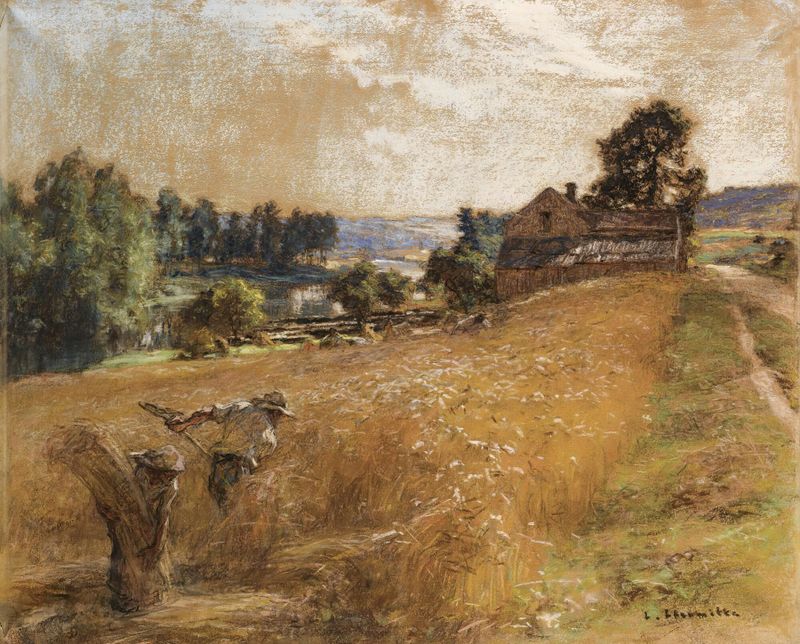
La Fenaison
Léon Augustin Lhermitte
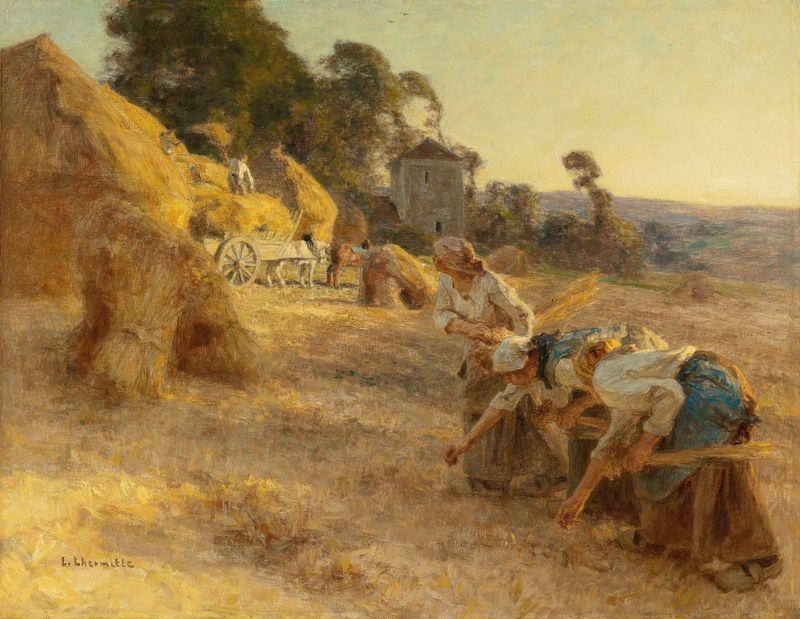
Glaneuses En Avant De Vieilles Meules
Léon Augustin Lhermitte
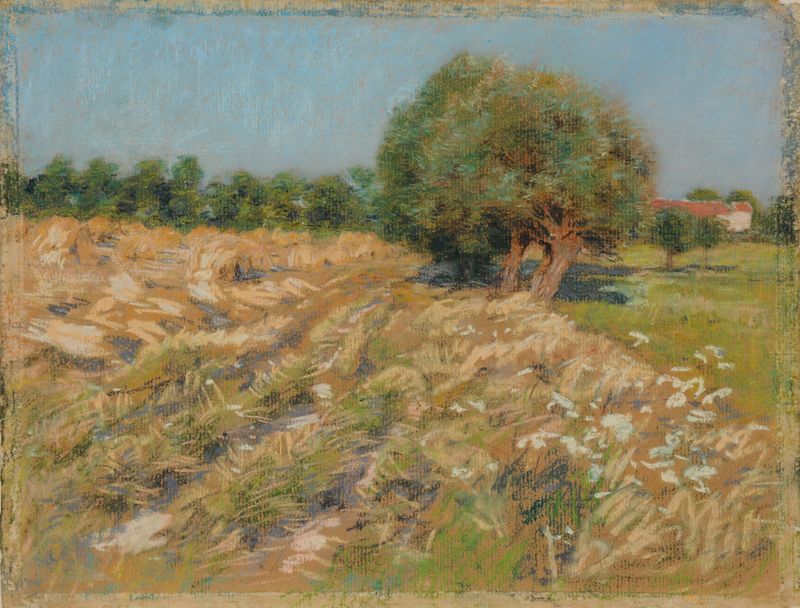
Le chemin de la ferme
Léon Augustin Lhermitte
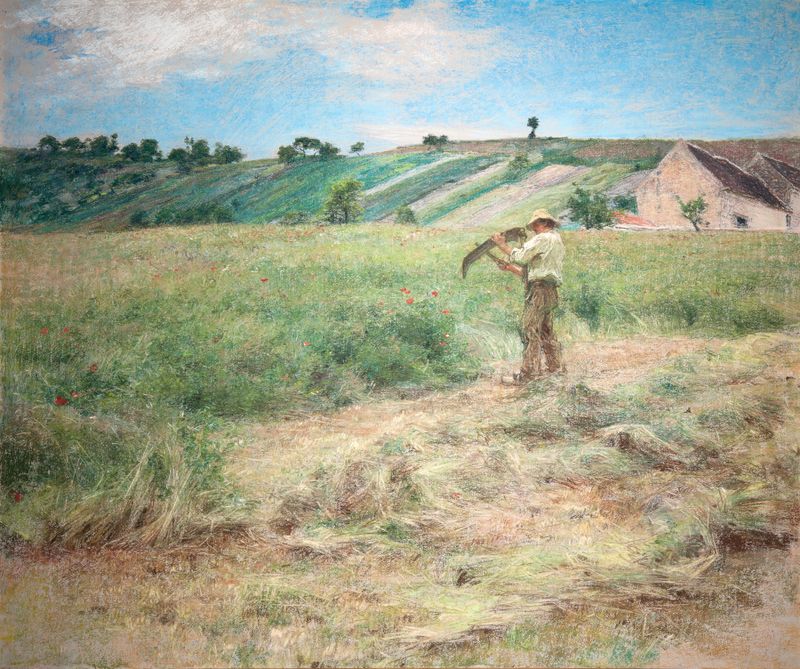
Haymaking
Léon Augustin Lhermitte
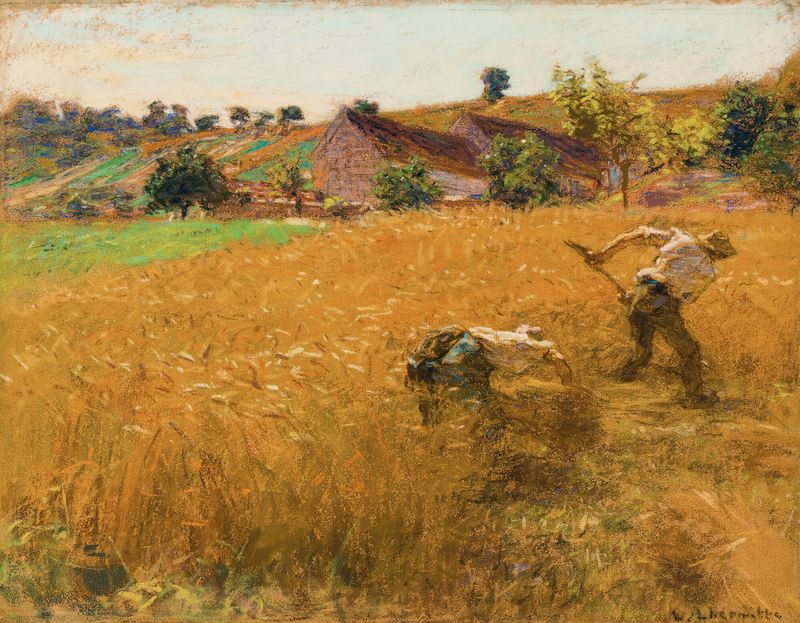
La Moisson
Léon Augustin Lhermitte
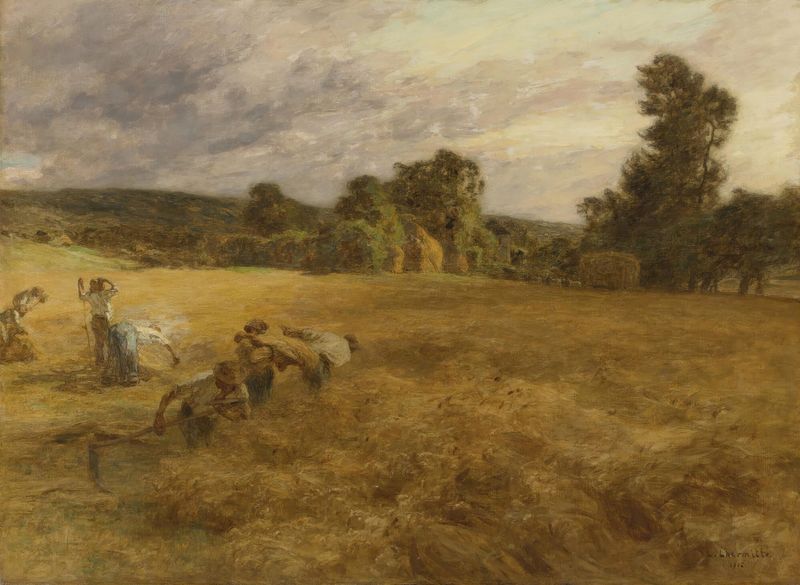
L’orage En Moisson
Léon Augustin Lhermitte
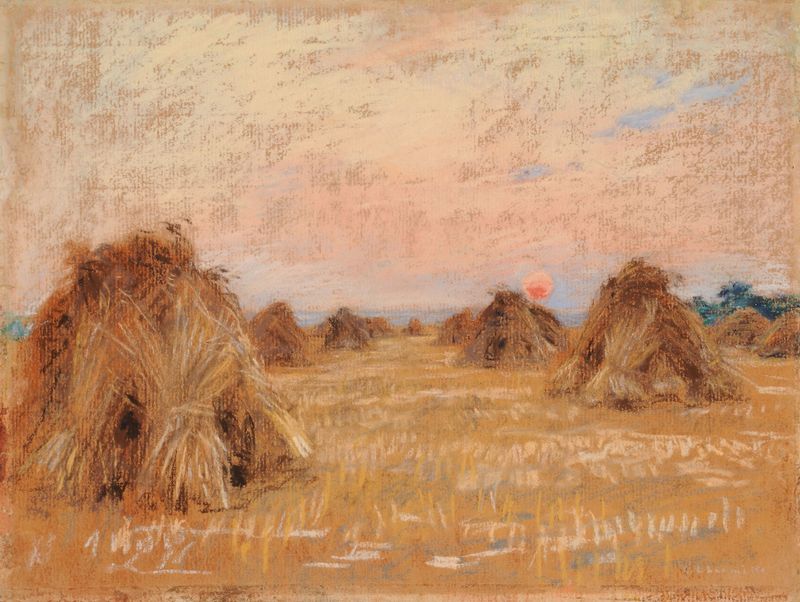
Fin de journée
Léon Augustin Lhermitte
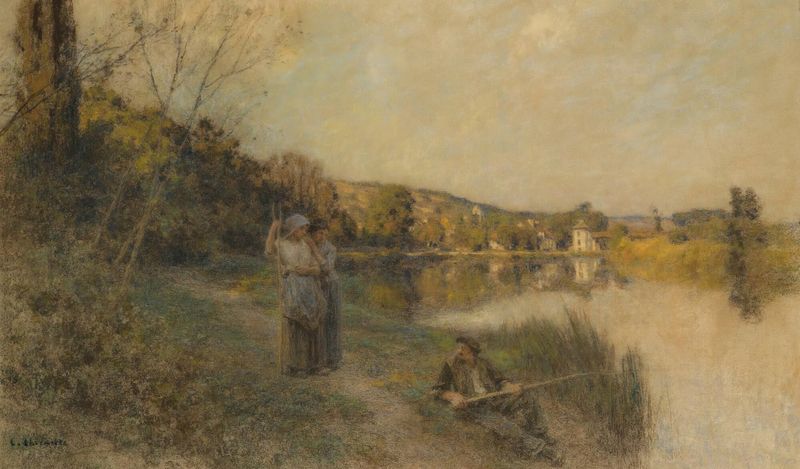
Fin De Belle Journee, Soleil Couchant, Pecheur
Léon Augustin Lhermitte

Quai au Sable, Chartèves
Léon Augustin Lhermitte





