Het gevleugelde varken op de wereld — História e Análise
In a world awash in vibrant hues, it is often the muted tones that whisper the deepest sorrows. Here, the melancholy of existence reveals itself in layers, offering us a glimpse into the complexities of life. Focus your gaze on the center of the composition, where the winged pig stands in stark contrast to its surroundings. The artist’s meticulous attention to detail draws attention to the creature’s textured skin and the ethereal quality of its wings.
Notice how the light gently caresses the pig's form, highlighting its surreal presence against a backdrop of soft, earth-toned landscapes. The thoughtful interplay of light and shadow masterfully creates a sense of depth, inviting the viewer to explore the juxtaposition of the fantastical and the ordinary. Delve deeper into the symbolism embedded within this unusual subject. The winged pig, often regarded as an absurdity, embodies both aspiration and futility, representing unattainable dreams.
The surrounding muted tones evoke a sense of longing, while the juxtaposition of flight and earthiness prompts reflections on the burdens of reality versus the longing for transcendence. This emotional tension speaks to a universal human experience, where hope and melancholy coexist in a delicate balance. Cornelis Anthonisz. painted this intriguing piece between 1541 and 1545, during a time marked by significant shifts in European art and thought.
The artist, deeply influenced by the burgeoning Renaissance, sought to explore themes of human experience and the absurdity of life through innovative compositions. Creating this work in Delft, he was part of a cultural milieu ripe with exploration, yet tinged with the uncertainties of an ever-evolving society, reflecting a tumultuous period that shaped both art and existence.
Mais obras de Cornelis Anthonisz.
Ver tudo →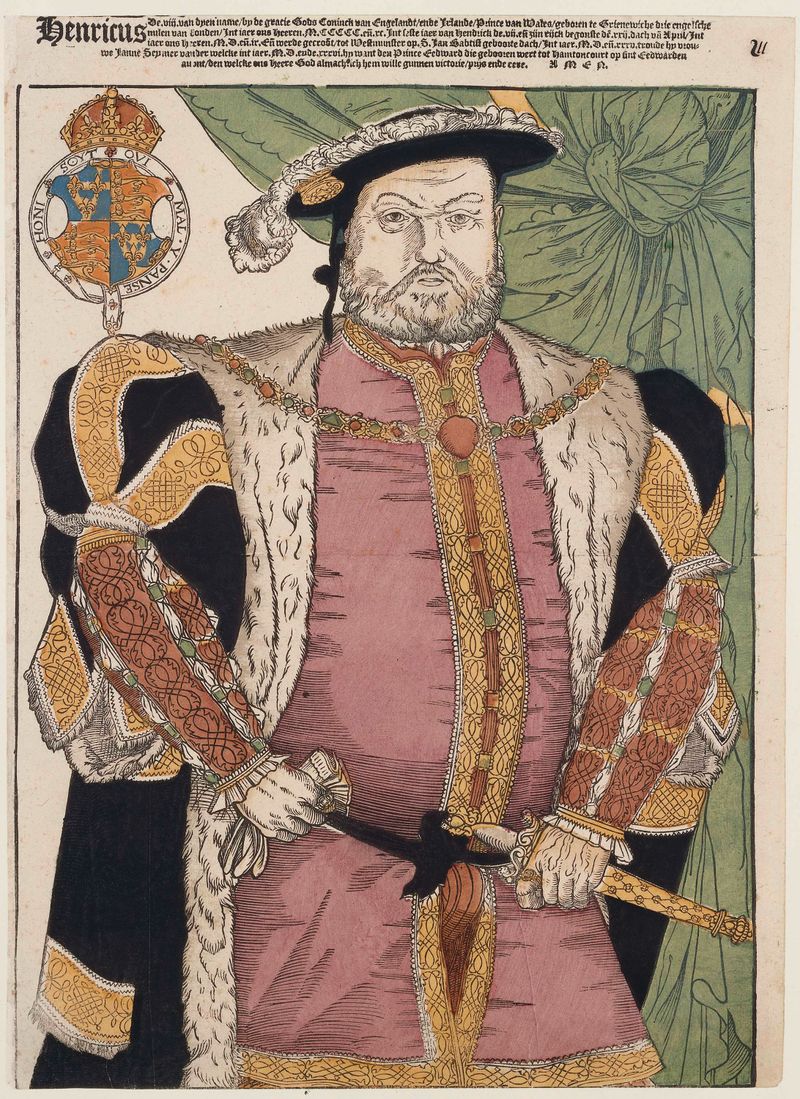
Portret van Hendrik VIII van Engeland
Cornelis Anthonisz.

Portret van Hendrik VIII van Engeland
Cornelis Anthonisz.

Portret van Maarten van Rossum te paard
Cornelis Anthonisz.
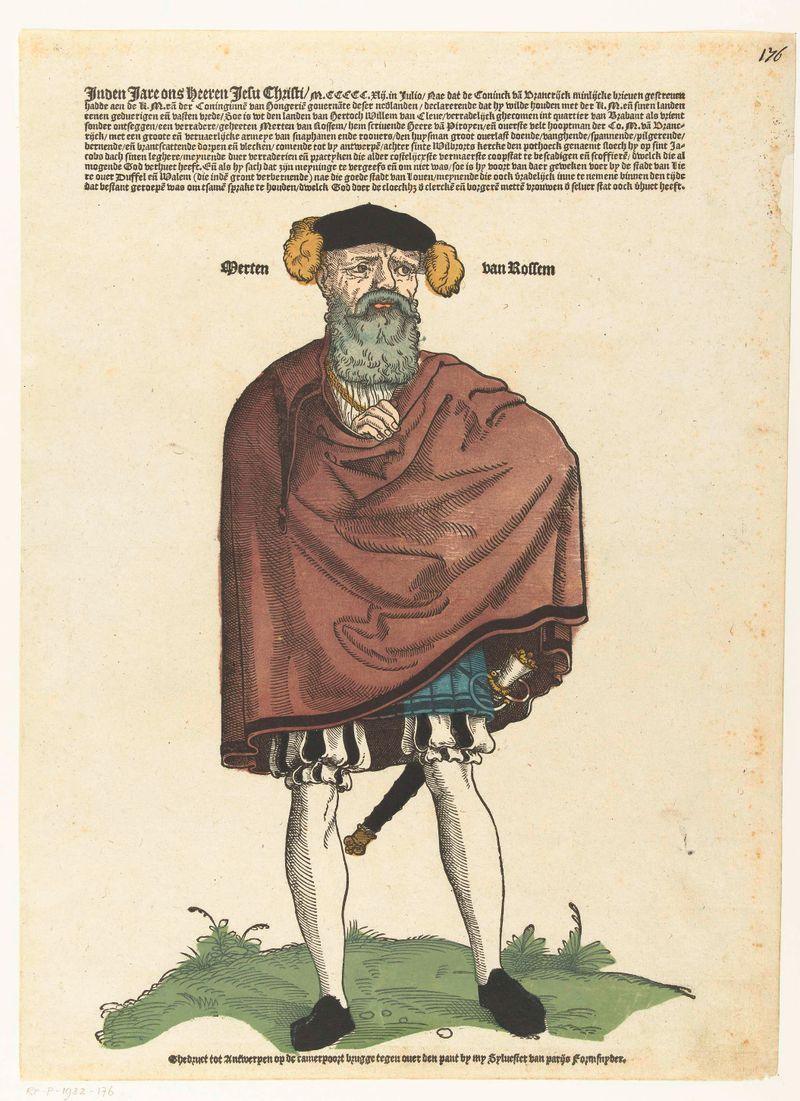
Portret van Maarten van Rossum
Cornelis Anthonisz.

De verloren zoon eet uit de varkenstrog
Cornelis Anthonisz.
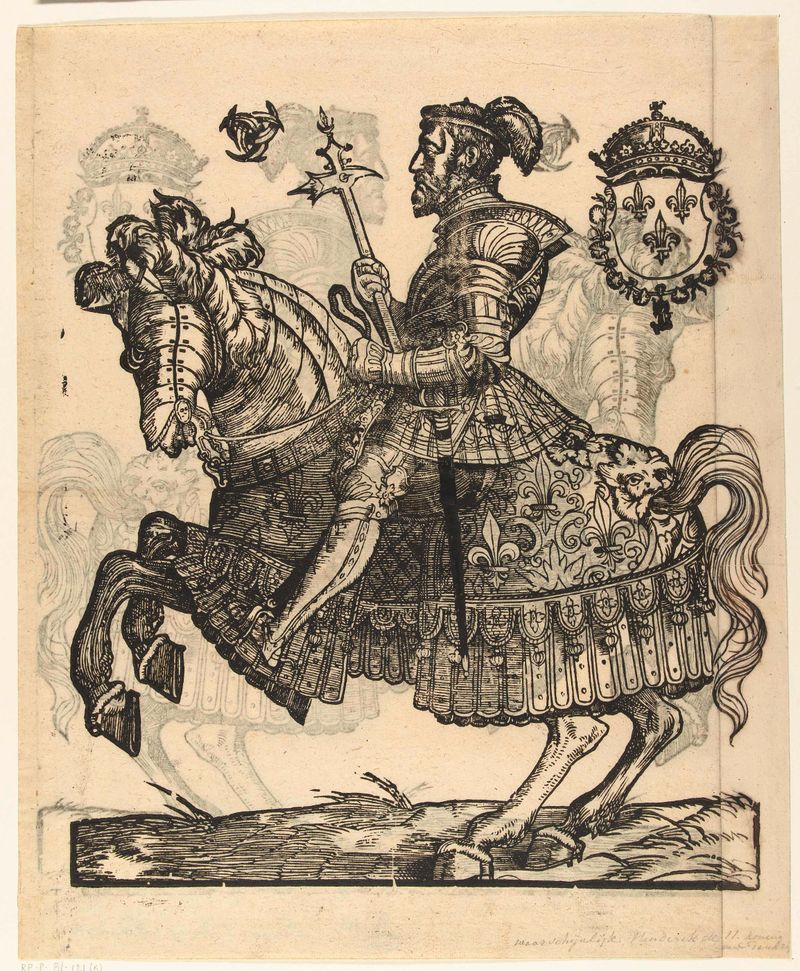
Portret van Hendrik II van Frankrijk te paard
Cornelis Anthonisz.

Portret van hertog Willem van Kleef, Gulik en Berg, graaf van Mark, heer van Ravenstein te paard
Cornelis Anthonisz.

Portret van Karel V te paard
Cornelis Anthonisz.

Portret van Maria van Hongarije te paard
Cornelis Anthonisz.
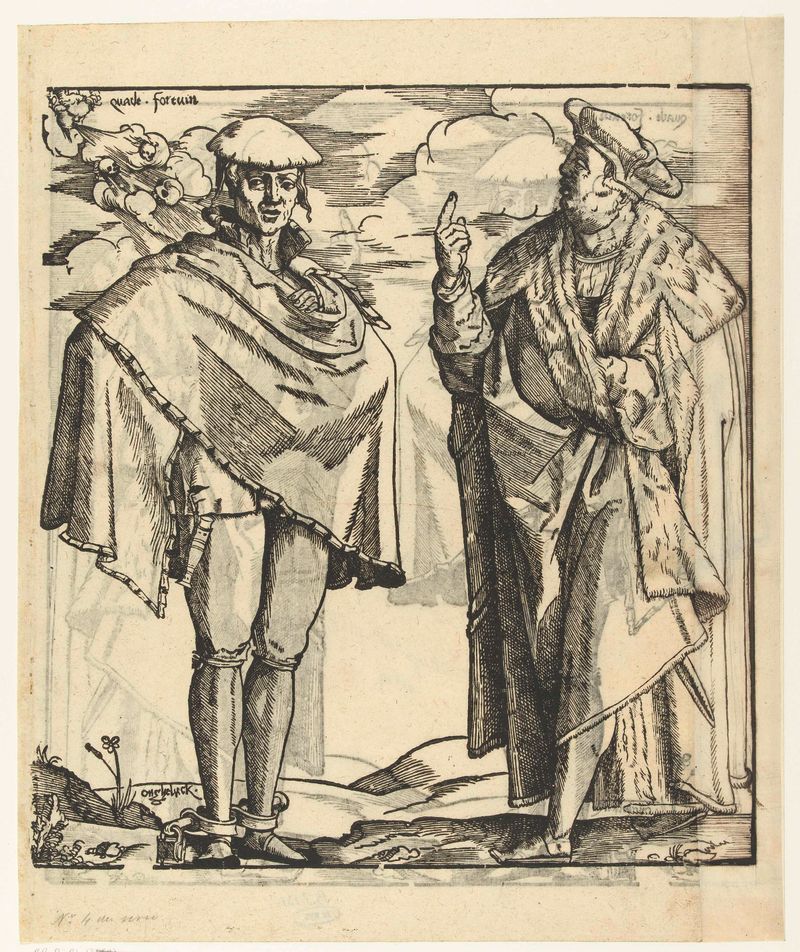
De lichtzinnige jeugd
Cornelis Anthonisz.