
Italian Courtyard — História e Análise
In the quiet moments of stillness, a canvas can pulse with the life of countless memories, revealing the essence of awakening. Look closely at the foreground, where a delicate interplay of light and shadow invites you into a sunlit courtyard. The warm ochres and soft greens harmonize, creating a sanctuary that feels both alive and serene. The textured walls, adorned with creeping vines, guide your gaze upward, revealing glimpses of azure sky and the promise of the day ahead.
Each stroke seems to breathe, capturing time suspended in the gentle embrace of the Italian sun. Yet, amid this peaceful scene lies a subtle tension. The vibrant life of the courtyard contrasts with the muted tones of the surrounding structures, perhaps suggesting the fleeting nature of beauty against the backdrop of permanence. Each detail—like the way the sunlight dapples the stone path—whispers of a moment caught between past and present, evoking the hope of new beginnings.
The composition balances intimacy with the expansive reach of the sky, reminding us of the intricate dance between confinement and freedom. Jørgen Roed painted this work during a period influenced by a burgeoning interest in capturing the nuances of light and space. Active in the late 19th century, he found inspiration in the landscapes of Europe, particularly in Italy, where artistic exploration flourished. This canvas reveals his dedication to portraying the enchanting whispers of everyday life, reflecting a time when artists sought to blend realism with emotional depth.
Mais obras de Jørgen Roed
Ver tudo →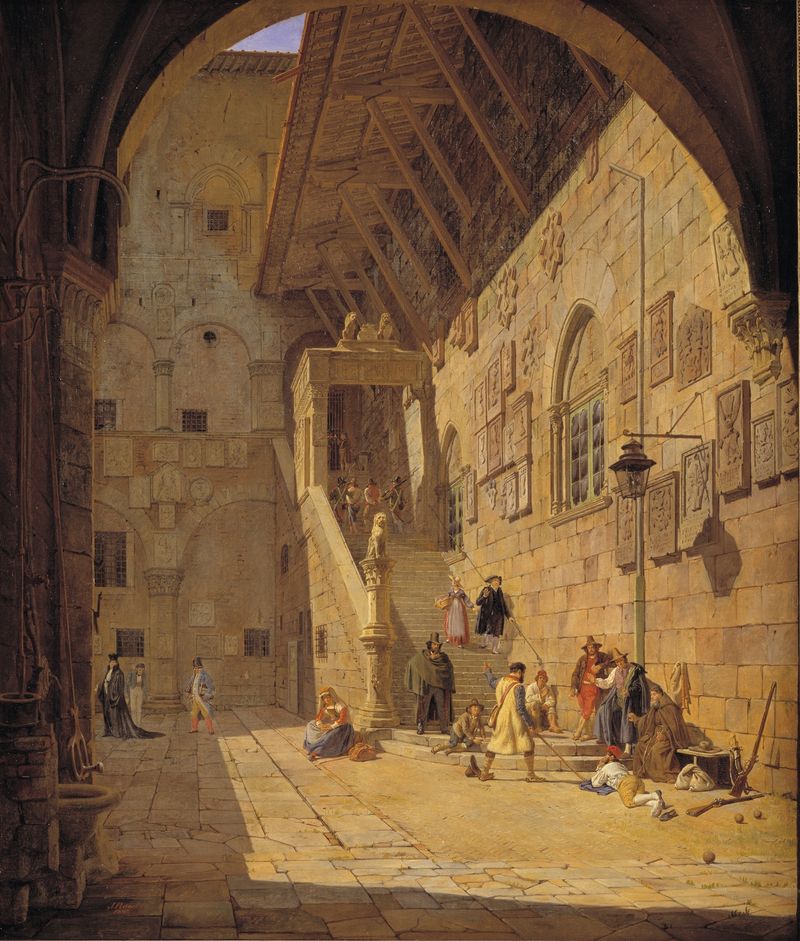
The Courtyard of the Palazzo del Bargello. Florence
Jørgen Roed

The Temple of Hera at Paestum, Italy
Jørgen Roed

The Interior Of Ribe Cathedral
Jørgen Roed
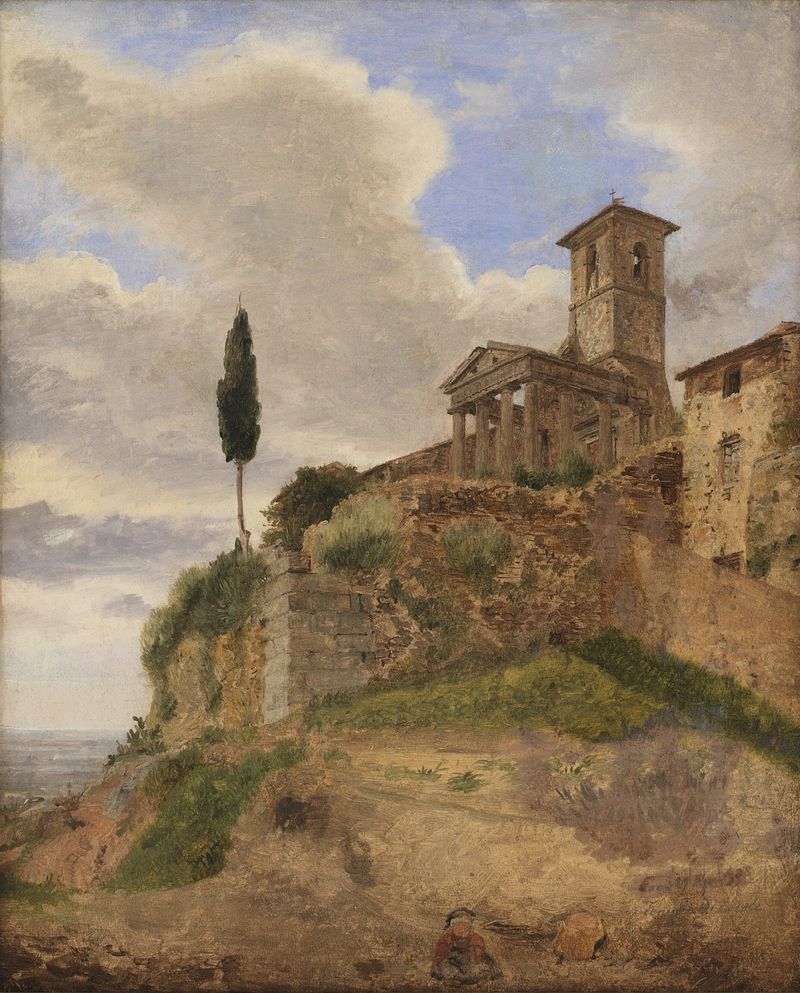
The Temple of Hercules at Cori
Jørgen Roed

Olive Grove from Tivoli near Rome
Jørgen Roed
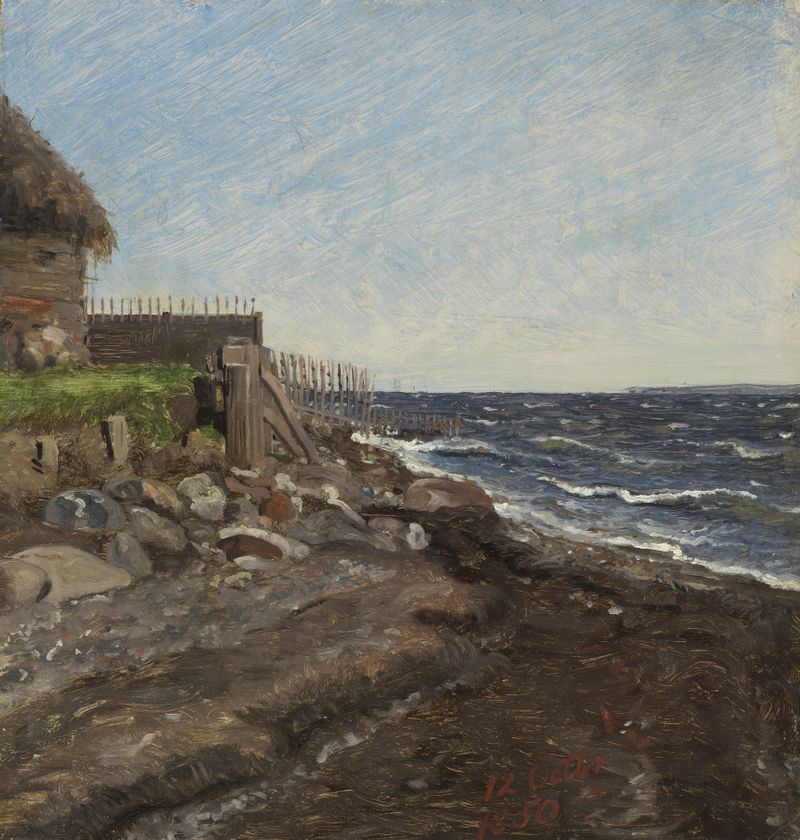
The Coast at Hellebæk. Study
Jørgen Roed
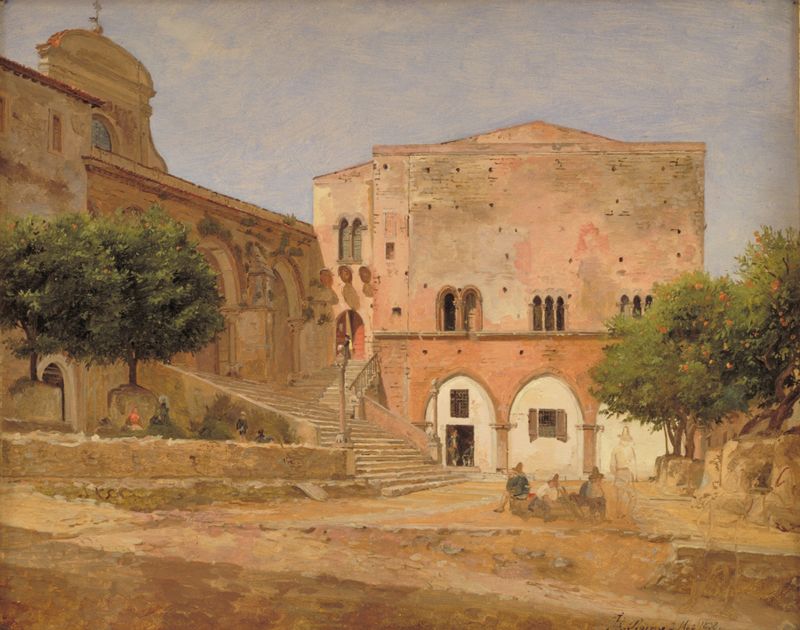
The Market Place in Priverno
Jørgen Roed
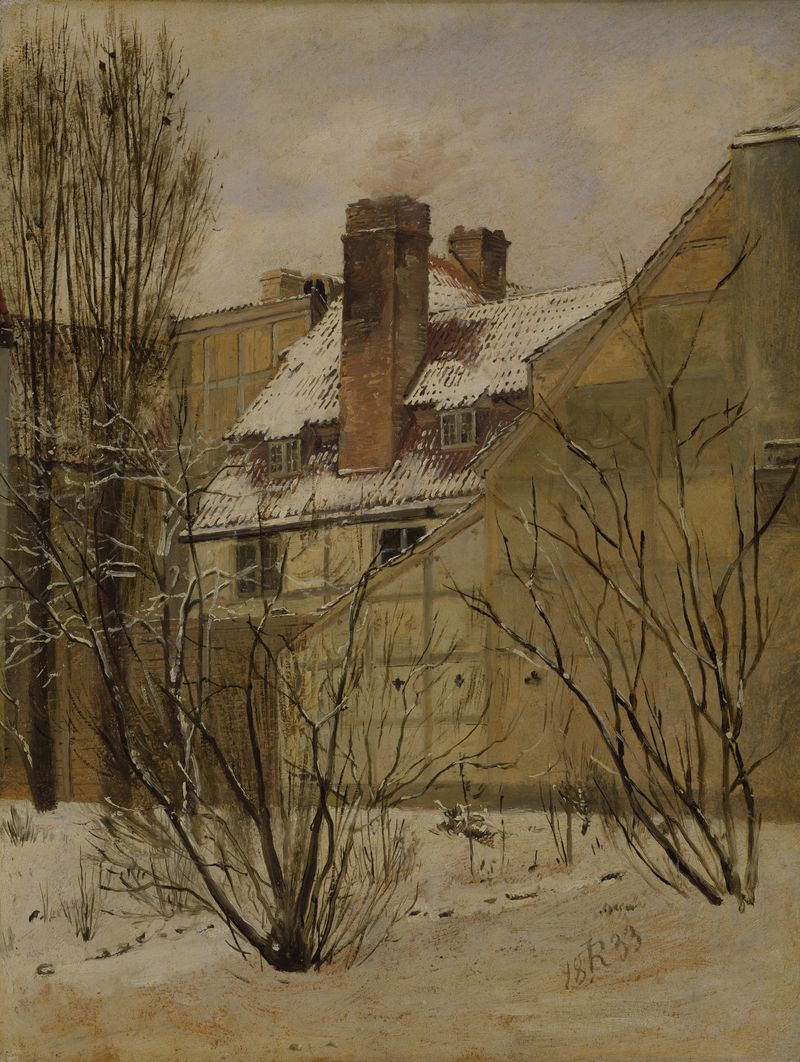
From Collin’s Garden in Copenhagen
Jørgen Roed
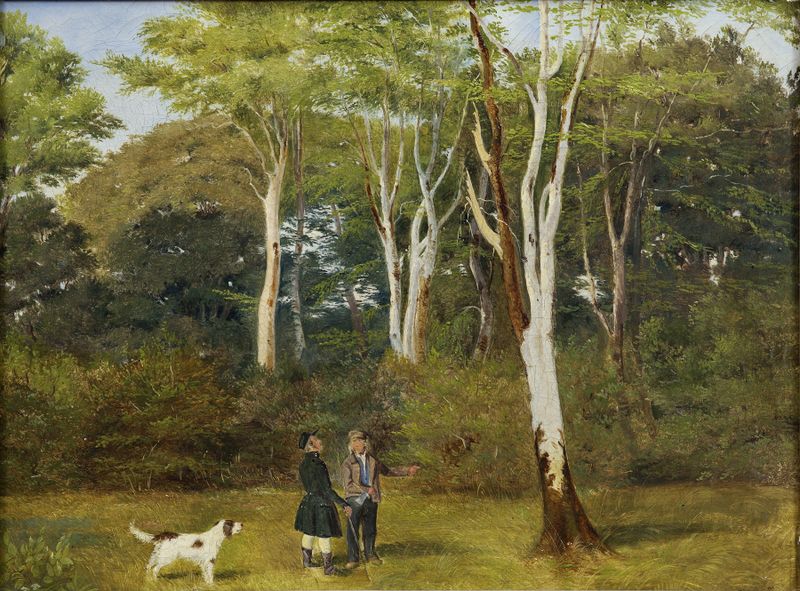
Selecting Trees for Felling
Jørgen Roed
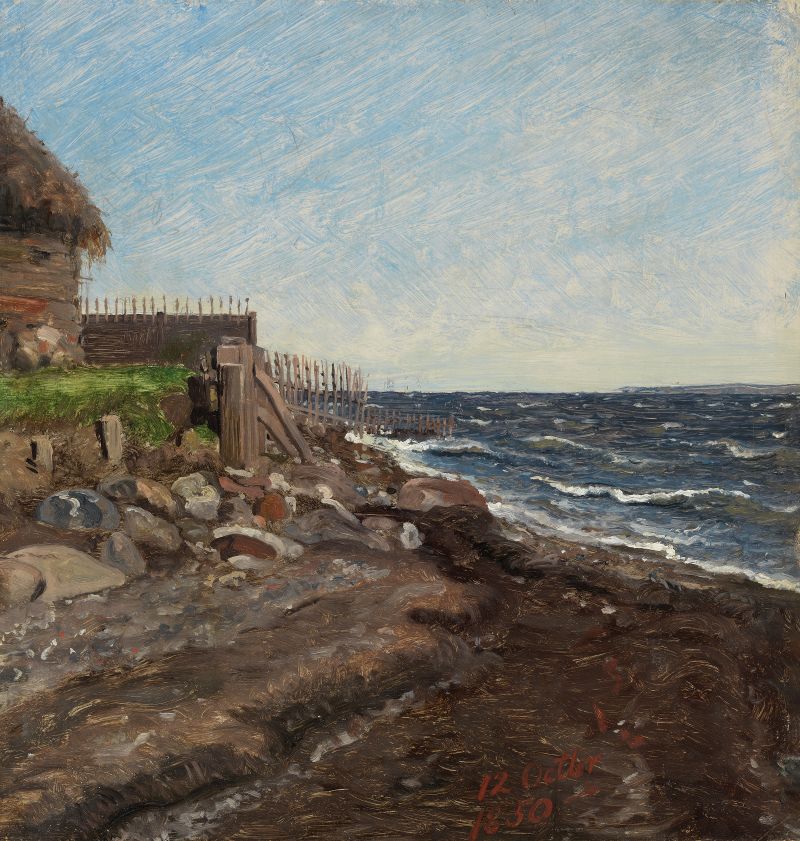
The Coast at Hellebæk. Study
Jørgen Roed





