
Johannes de Evangelist daalt af in eigen graf — História e Análise
In the realm of art, decay often weaves itself into the very fabric of our most cherished moments, challenging our perceptions of life and time. Focus on the striking contrast between the vibrant hues and the somber theme in the artwork. The central figure, depicted with delicate precision, draws the eye immediately, his serene expression belying the weight of his downward journey. Notice how the golden tones of his garments gleam against the muted background, creating a visual tension that eloquently speaks to the duality of existence: beauty entwined with mortality.
The strong lines guide the viewer’s gaze, suggesting movement and a descent that cannot be ignored. As you delve deeper into the imagery, consider the symbolism woven into the details. The rich colors may evoke opulence, yet they also hint at the inevitable decay that shadows the physical form. The juxtaposition between the figure’s calm demeanor and the grave act of descending into his own tomb resonates with a poignant reminder of our own mortality.
Each brushstroke encapsulates a longing to grasp beauty even in its most transient state, inviting contemplation rather than despair. Created between 1510 and 1514, this work emerged during a transformative period for the artist, who was navigating the complexities of the Northern Renaissance. Cranach was deeply influenced by the theological shifts of the time and the burgeoning humanist ideals. His exploration of mortality and beauty reflects not only his personal journey but also the broader artistic dialogue that sought to reconcile life with the inescapable truth of death.
Mais obras de Lucas Cranach (I)
Ver tudo →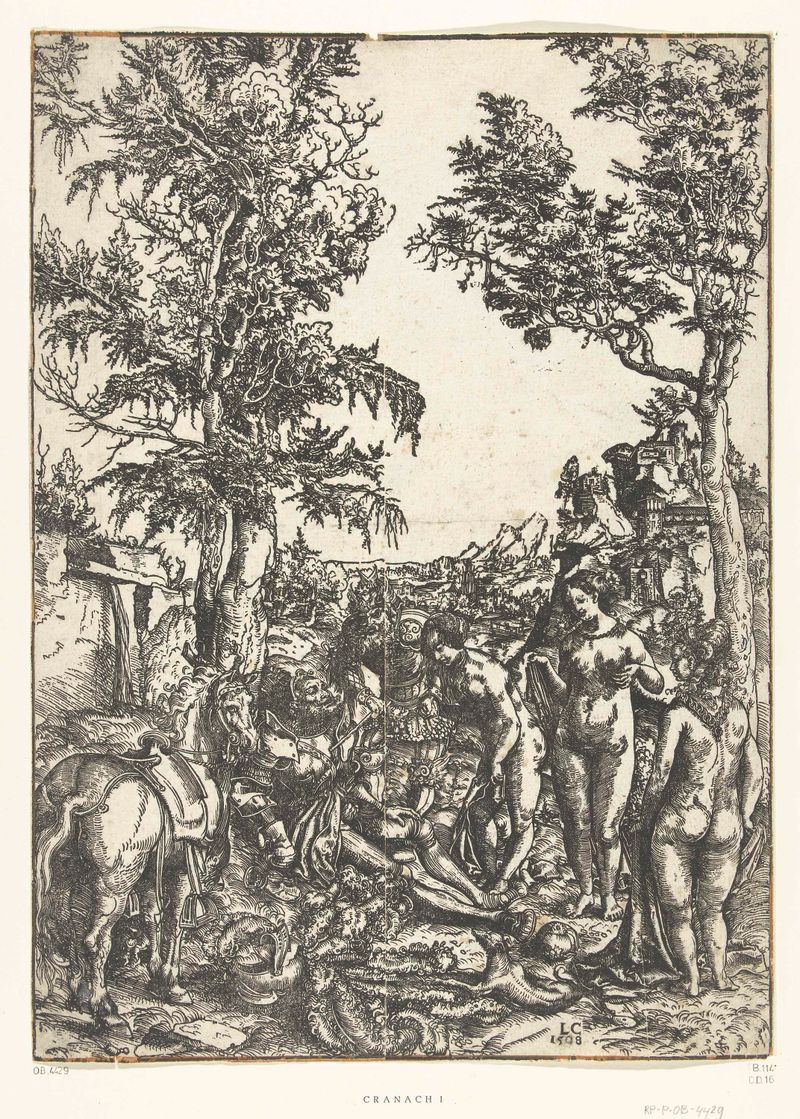
Oordeel van Paris
Lucas Cranach (I)
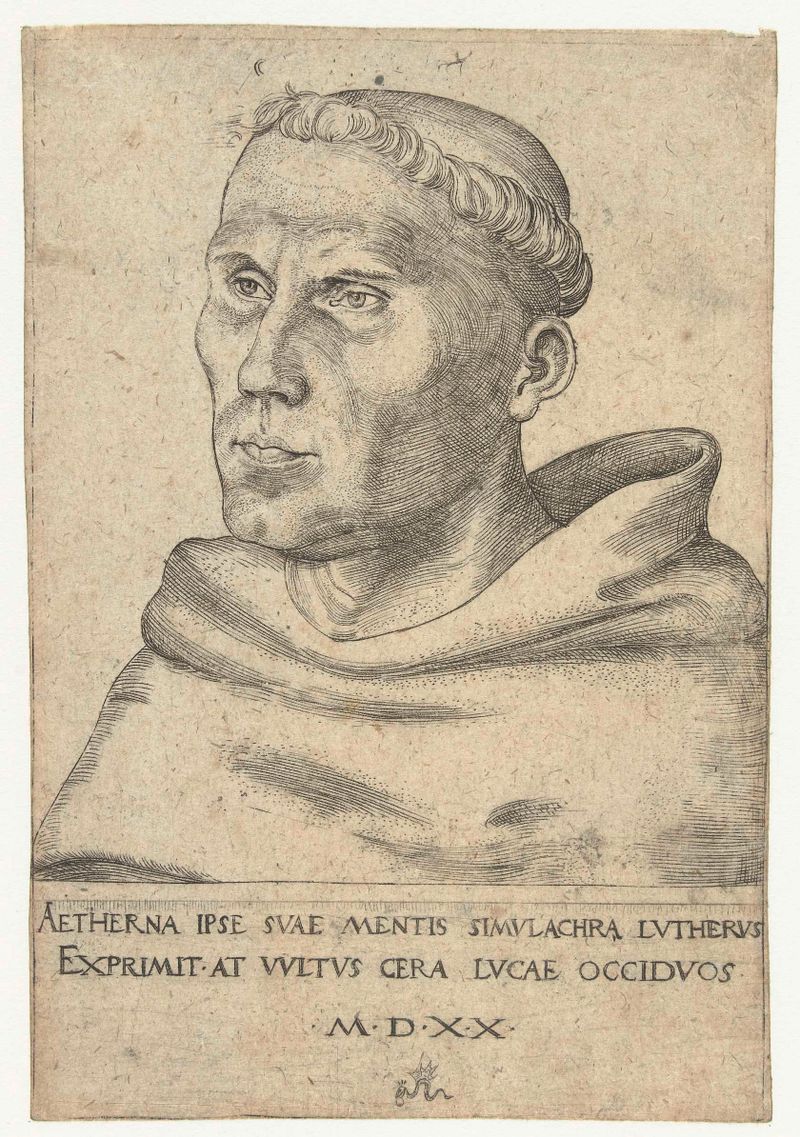
Portret van Martin Luther als Augustijner monnik
Lucas Cranach (I)
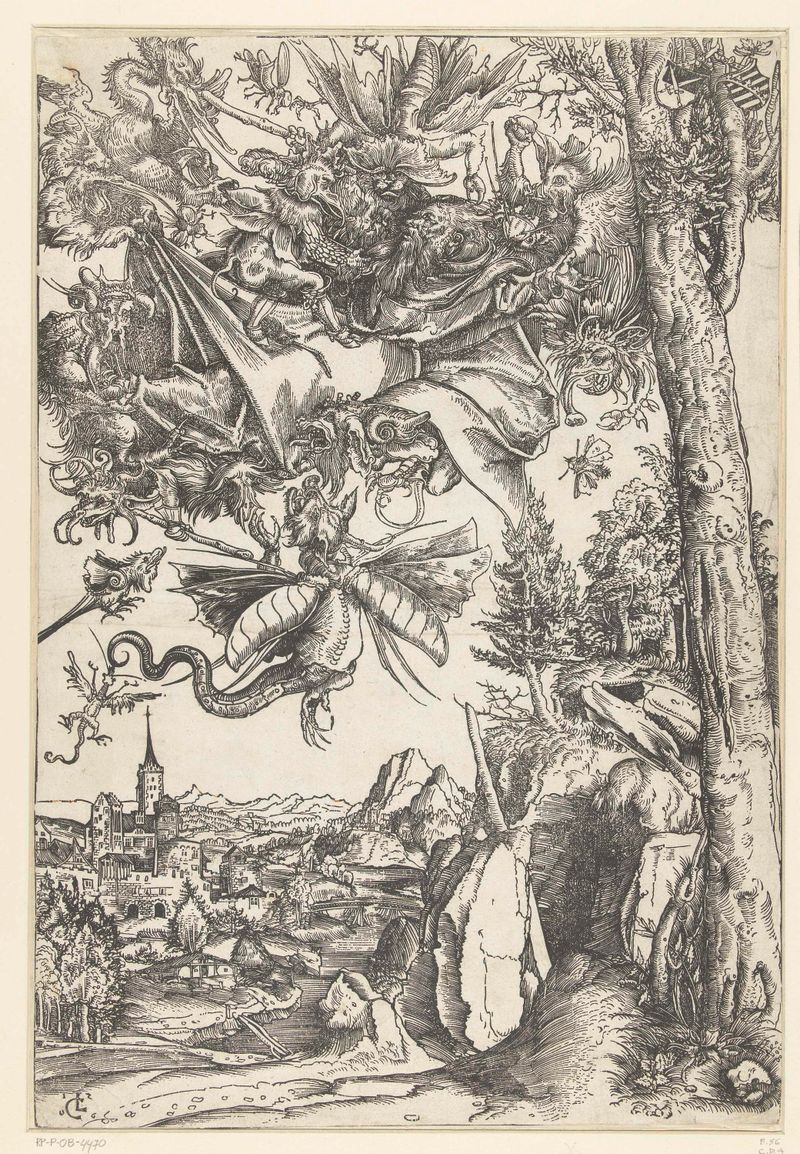
Verzoeking van Antonius met aanval door demonen
Lucas Cranach (I)

Christus en de Samaritaanse vrouw
Lucas Cranach (I)

Duits toernooi met twee edelmannen als ridders te paard
Lucas Cranach (I)
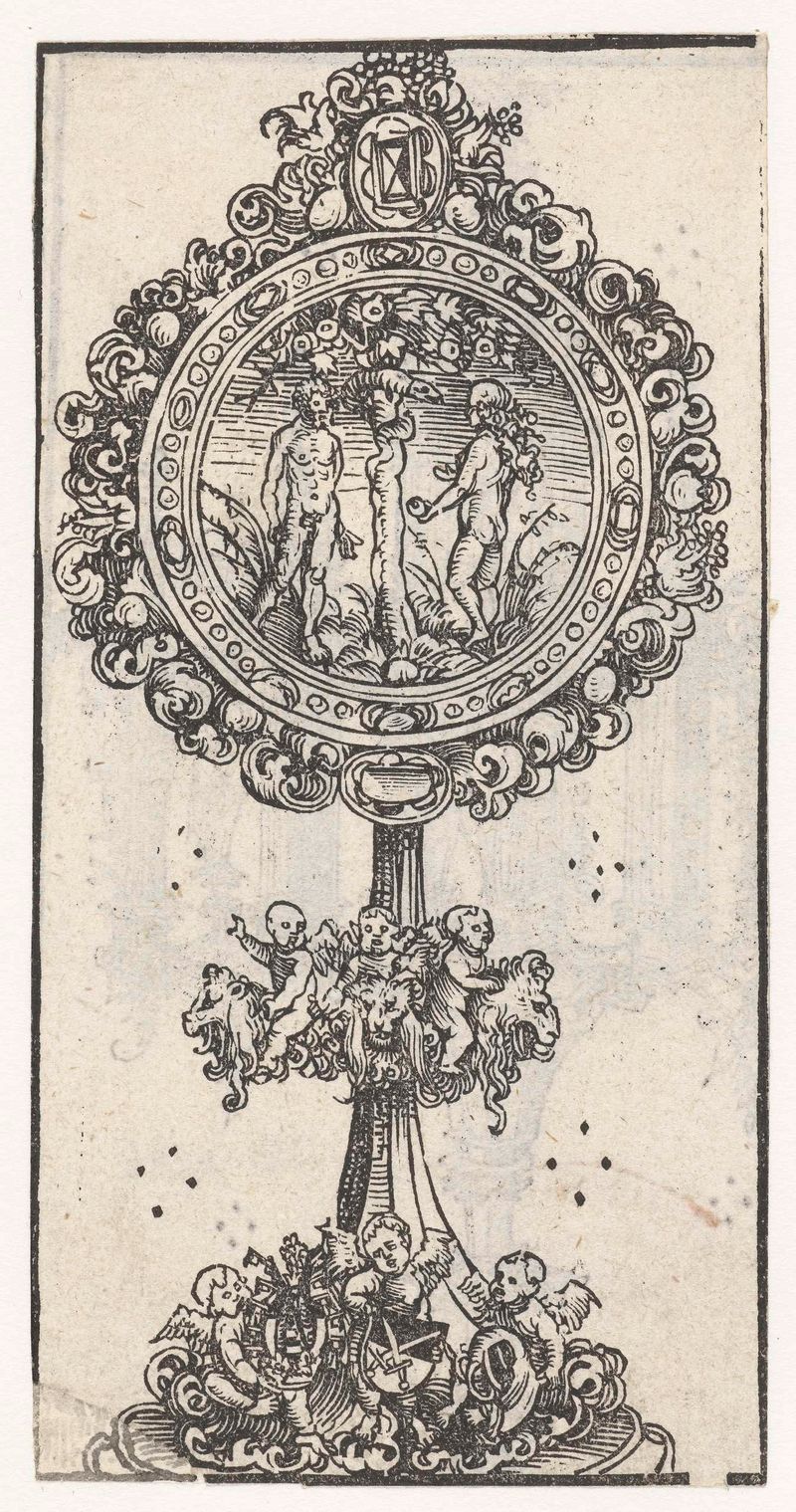
Reliekhouder met de verzoeking van Adam en Eva
Lucas Cranach (I)

Intocht van Christus in Jerusalem
Lucas Cranach (I)
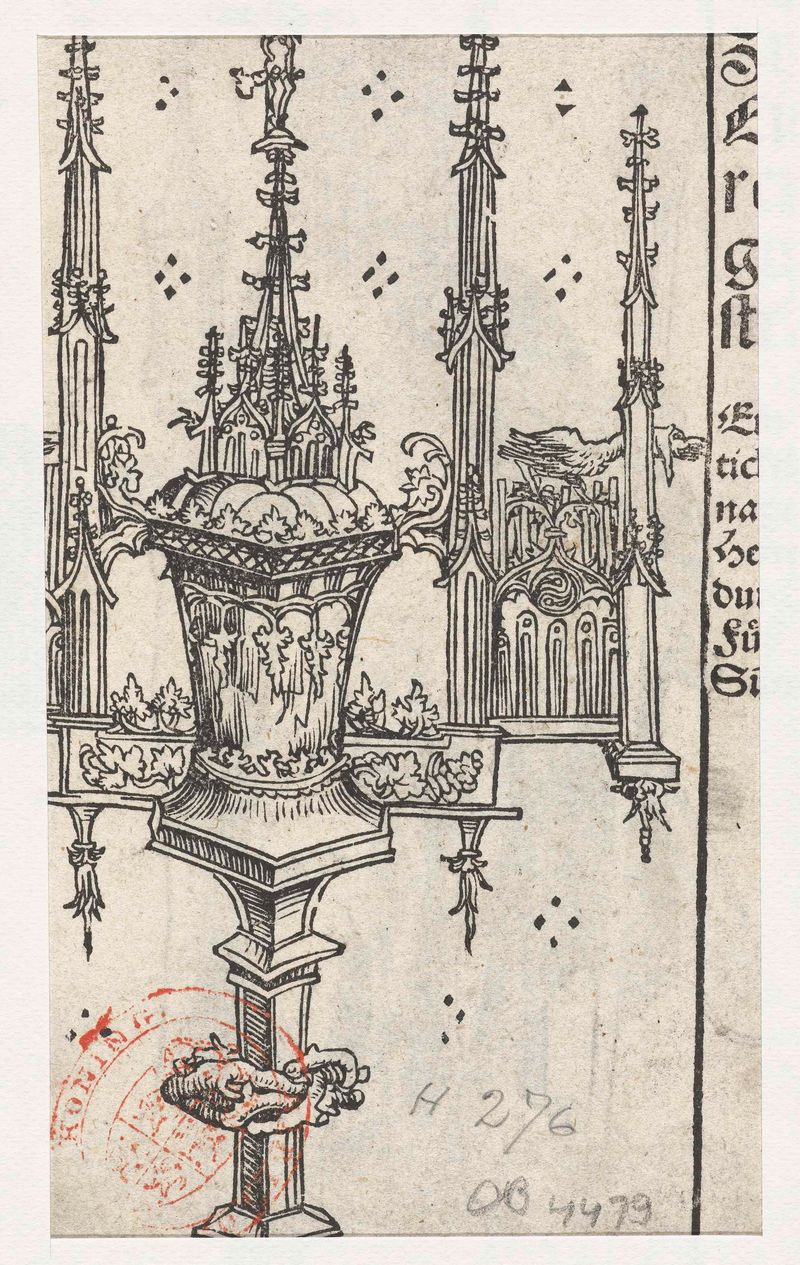
Monstrans met vogel (pelikaan)
Lucas Cranach (I)
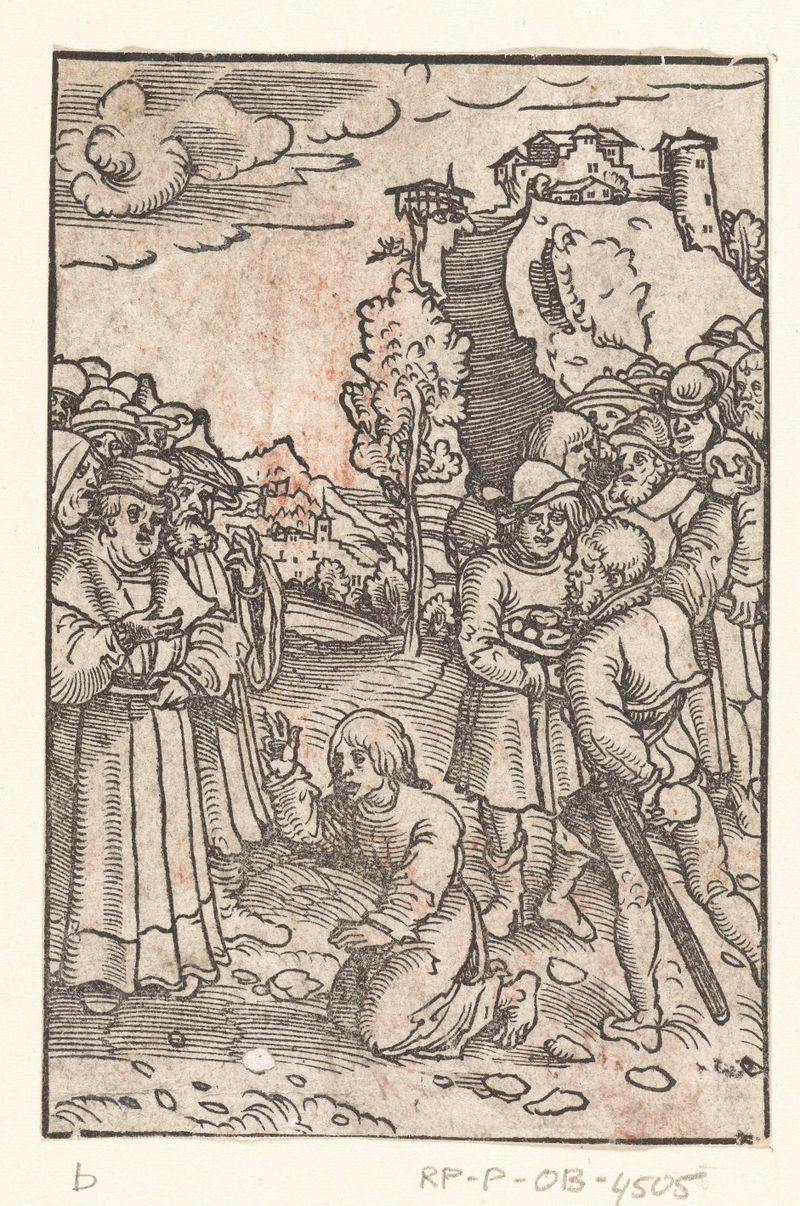
Steniging van Stefanus
Lucas Cranach (I)
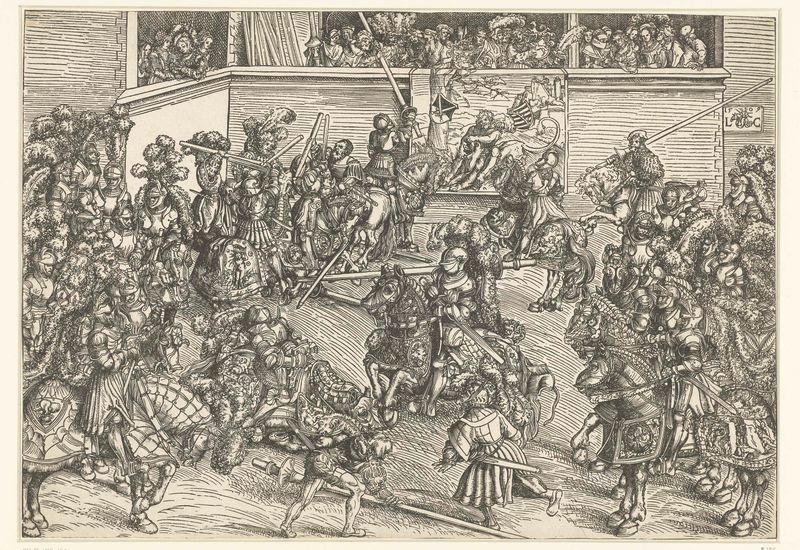
Toernooi van het keurvorstelijk hof van Saksen met wandtapijt Simson doodt de leeuw
Lucas Cranach (I)
Mais arte de Arte Religiosa
Ver tudo →
The Return of the Prodigal Son
Rembrandt van Rijn

The Garden of Earthly Delights
El Bosco

Count Orgaz’ funeral
El Greco

The Hundred Guilder Print: the central piece with Christ preaching, the plate arched
Rembrandt van Rijn

The Descent from the Cross
Rogier van der Weyden

The return of the prodigal son
Rembrandt van Rijn