Kirmes in Schellebelle — História e Análise
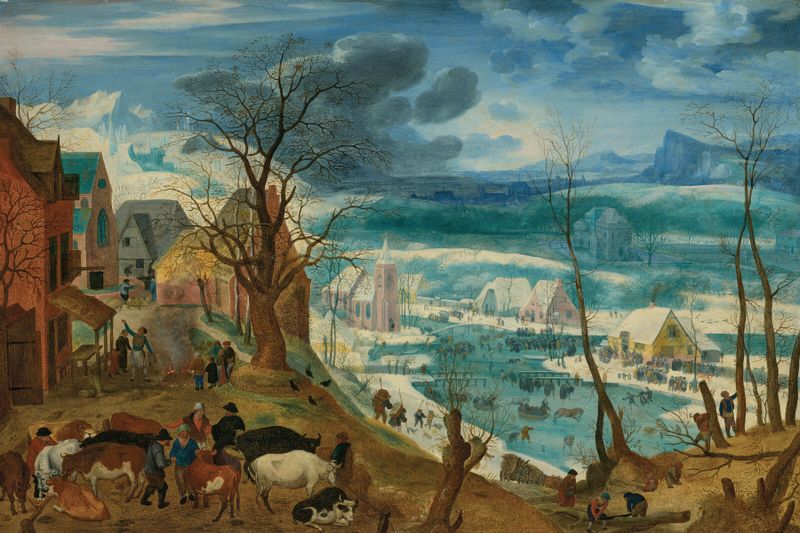
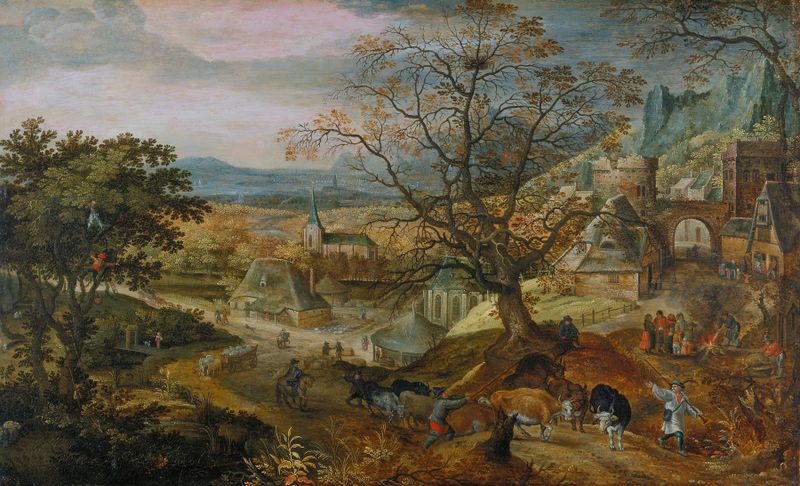
What if silence could speak through light? In the quiet moments of life, serenity reveals itself, whispering truths that words cannot capture. Look closely at the gentle interplay of colors in Kirmes in Schellebelle. Start by directing your gaze towards the soft palette of greens and blues that envelop the scene, evoking a sense of calm. Notice how the figures are arranged in a subtle dance across the canvas, their gestures relaxed and natural, suggesting a day of festivity that is more tranquil than frenzied.
The light, diffusing through the trees, casts delicate shadows, enhancing the feeling of time standing still, inviting the viewer to linger in this harmonious moment. As you explore further, consider the contrast between the joyful activities of the villagers and the serene backdrop of nature. Each character appears engaged in their own world, yet the collective atmosphere is one of peaceful celebration. The subtle details—like the expressions of contentment on their faces and the delicate fluttering of fabric—create a rich emotional tapestry that speaks to the joy found in simple pleasures and communal gatherings, highlighting a universal longing for connection. Jacob Savery the Elder painted this piece during a period characterized by the burgeoning Dutch Golden Age, likely in the late 16th century.
Living in a time of artistic innovation, he captured not just the vibrancy of village life but also the burgeoning interest in natural landscapes and daily scenes. This work reflects a moment in his career when he sought to blend the tranquility of nature with the warmth of human experience, a theme that resonates deeply in the artwork of that era.