
Klassieke zuil in haven van Brindisi — História e Análise
In Klassieke zuil in haven van Brindisi, a yearning permeates the air, inviting us to explore the delicate balance between nature and civilization. Look to the left; your gaze is immediately drawn to the classical column, standing defiantly against a backdrop of rolling waves and dramatic clouds. The artist's masterful use of light captures the soft hues of dusk, casting a warm glow that bathes the structure and the surrounding landscape. Notice how the interplay of shadows and light reveals intricate details, from the aged texture of the stone to the gentle ripples of the water below, each element meticulously rendered to evoke a sense of timelessness. Beneath this picturesque surface lies a tension between the man-made and the natural world.
The column, a symbol of ancient grandeur, yearns for the validation of history amid the transient beauty of the coastal scene. The clouds, heavy yet fleeting, hint at the storms of change, perhaps reflecting the artist’s own struggles in navigating the evolving art world of the late 18th century. Together, these elements speak to a deeper commentary on the passage of time and the echoes of human ambition. In 1778, Ducros painted this work during a period of significant transition in his life, having just moved to Italy where he immersed himself in the vibrant landscape and rich history.
The art world was evolving rapidly, with Romanticism beginning to take shape, yet Ducros remained committed to the clarity and precision of his classical training. This piece captures not only his artistic aspirations but also the longing to connect with the timeless beauty of a world that struggles to hold its place amidst the tides of time.
Mais obras de Abraham-Louis-Rodolphe Ducros
Ver tudo →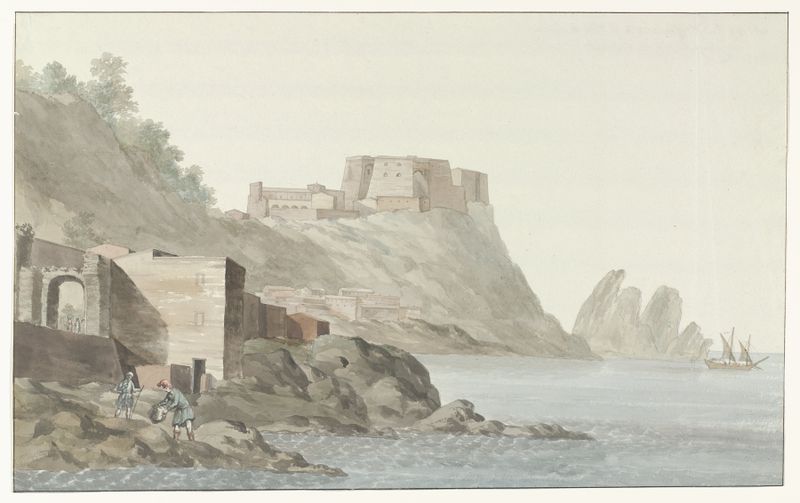
Rots en stad Scilla in de regio Calabrië aan de oostkust
Abraham-Louis-Rodolphe Ducros
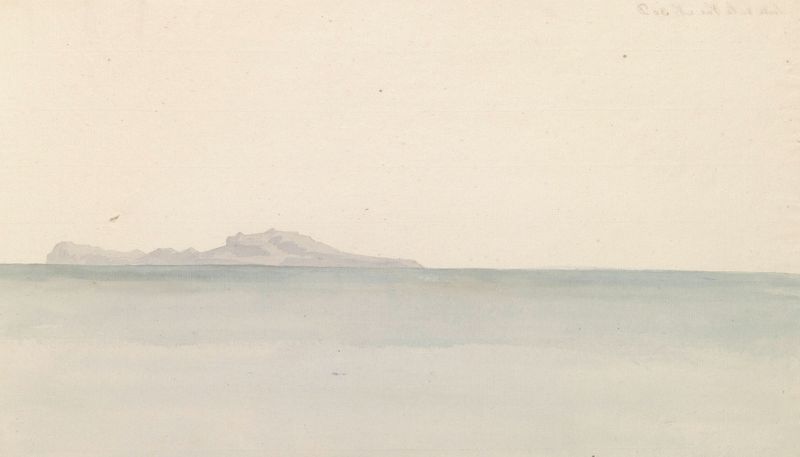
Gezicht op Golf van Napels vanaf kade bij kerk Santa Maria del Carmine
Abraham-Louis-Rodolphe Ducros
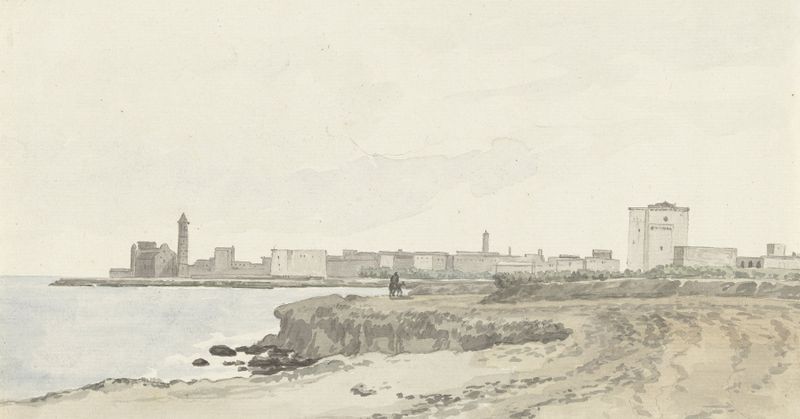
Gezicht op Trani gelegen aan de kust
Abraham-Louis-Rodolphe Ducros
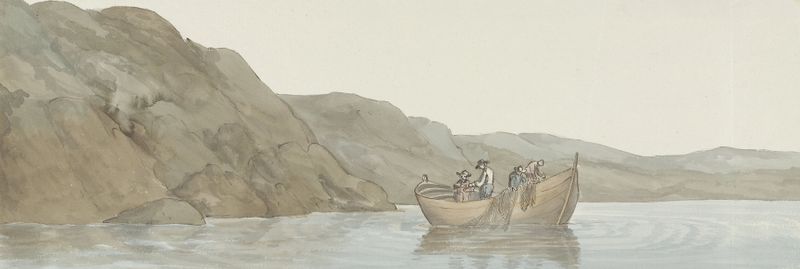
Gezicht op Kaap Paceco in Calabrië nabij de stad Scilla
Abraham-Louis-Rodolphe Ducros
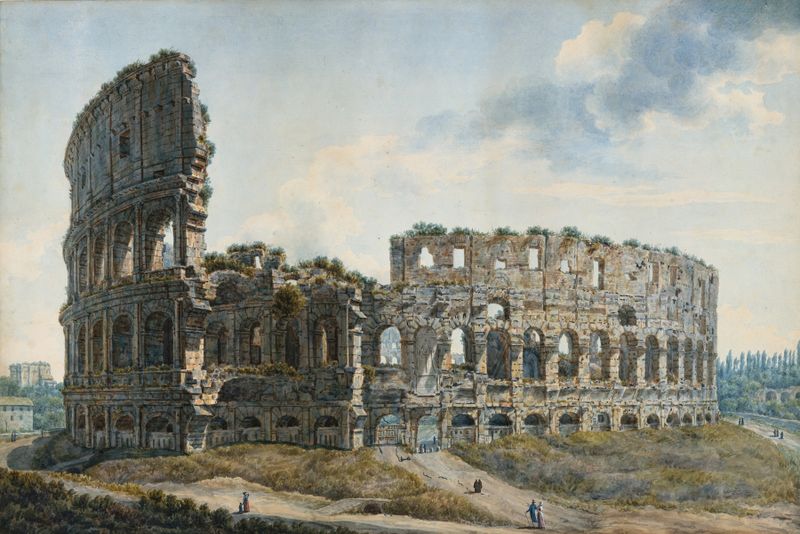
The Colosseum, Rome.
Abraham-Louis-Rodolphe Ducros
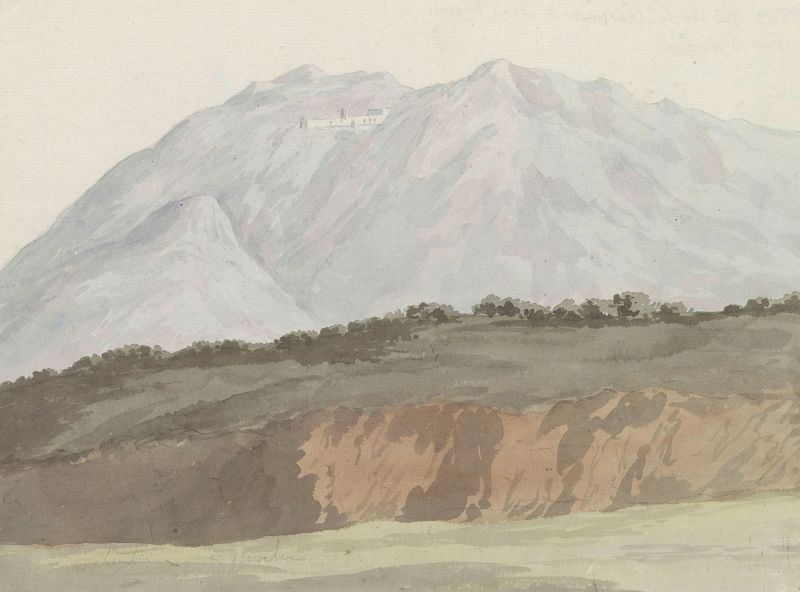
Gezicht op kartuizerklooster van Monte Vergine hoog gelegen boven Avellino
Abraham-Louis-Rodolphe Ducros
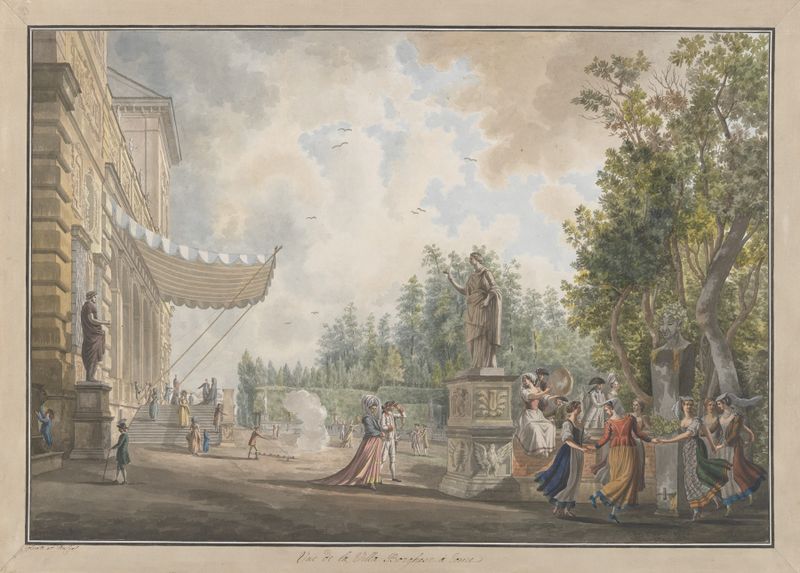
Villa Borghese
Abraham-Louis-Rodolphe Ducros
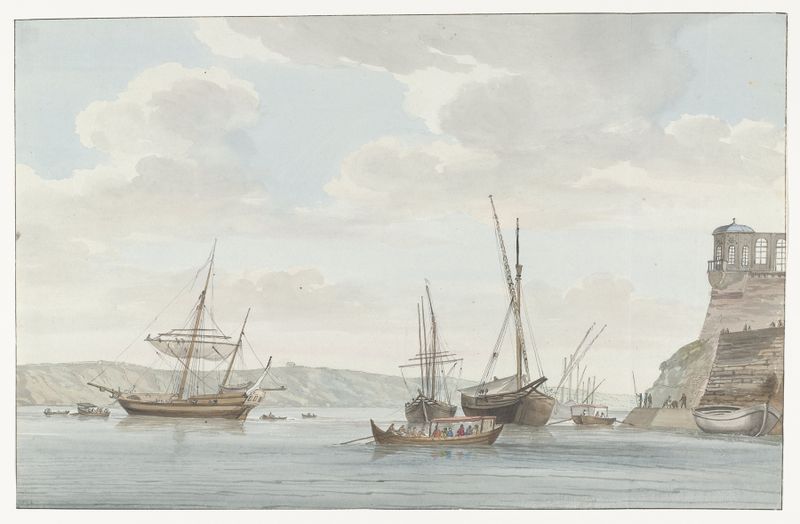
Tuinhuis van de Jardin du Grand Maître uittorend boven de haven met galei schepen op Malta
Abraham-Louis-Rodolphe Ducros
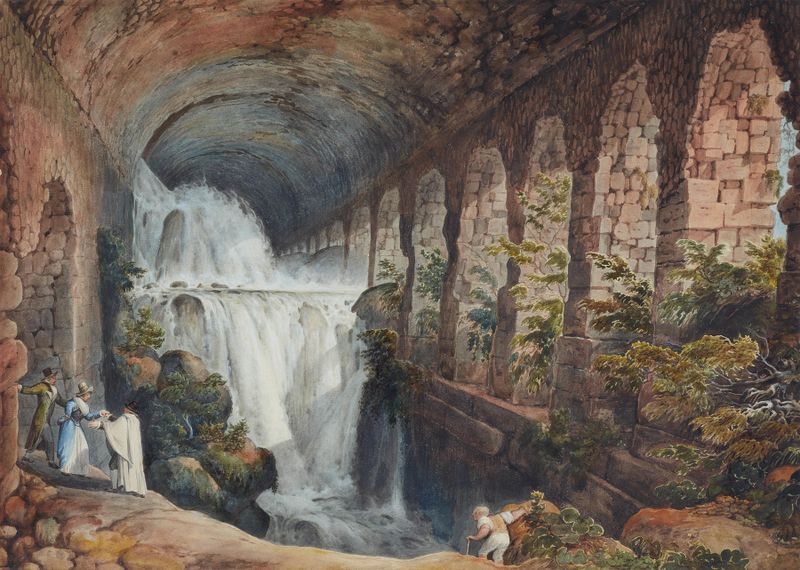
Aquädukt unter der Villa des Maecenas in Tivoli
Abraham-Louis-Rodolphe Ducros
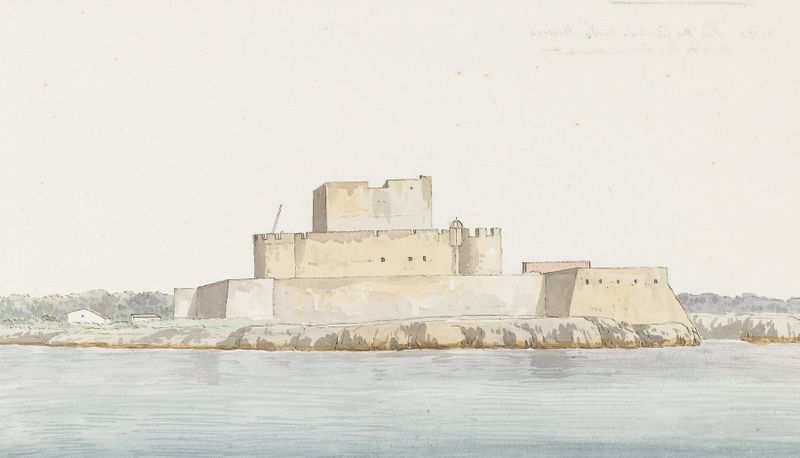
Gezicht op kasteel van San Mauro la Bruca vanaf zee bij aankomst
Abraham-Louis-Rodolphe Ducros
Mais arte de Arquitetura
Ver tudo →
The statue of Liberty
Frédéric Auguste Bartholdi

View of Houses in Delft, Known as ‘The Little Street’
Johannes Vermeer

View of Houses in Delft, Known as ‘The Little Street’
Johannes Vermeer

The Cathedral in Rouen. The portal, Grey Weather
Claude Monet

The yellow house
Vincent van Gogh

The Church in Auvers-sur-Oise, View from the Chevet
Vincent van Gogh