
Kruisiging — História e Análise
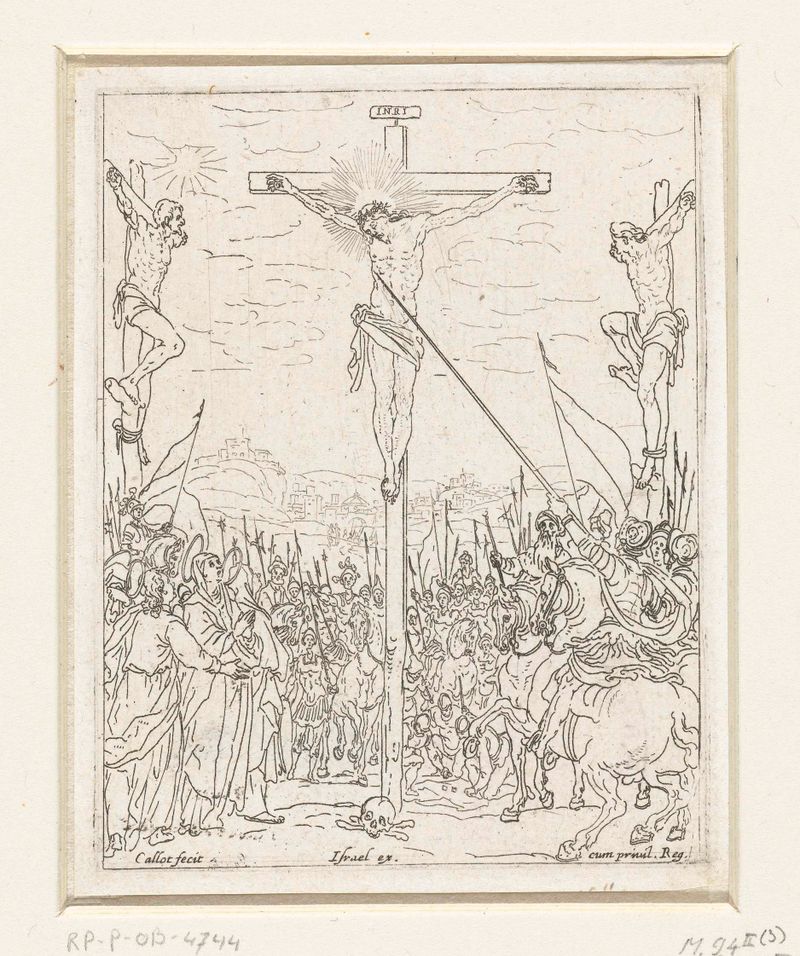
Who listens when art speaks of silence? In the space where shadows linger and sorrow breathes, the weight of melancholy paints a haunting portrait of suffering and reflection. Look to the center of the composition, where the figures are engaging in a silent drama of despair. Notice how the muted palette of browns and grays envelops the scene, imbuing it with a somber tone. The crucified figure, elongated and taut, commands attention, while the spectators—some in mourning, others in disbelief—form a halo of grief around him.
Their bodies twist and contort in a visceral reaction, captured with the artist's meticulous attention to detail. The play of light and shadow is masterful, guiding the viewer’s gaze and emphasizing the stark contrasts between hope and despair. Delve deeper into the emotional resonance; the anguished faces suggest a collective mourning that transcends time. The figure on the left, hands raised in prayer, embodies the struggle between faith and despair, while the one on the right, turned away, reflects the silence of resignation.
This powerful juxtaposition of engagement and withdrawal speaks to the complexities of human emotion in the face of tragedy. Each expression tells a story, echoing the silent cries that often accompany loss. Created between 1608 and 1611 during a period of profound upheaval in Europe, this work emerged while Callot was navigating the tumultuous world of early Baroque art. Living in France, he was influenced by the Counter-Reformation's emotional intensity and the shifting artistic landscape.
The painting captures not just an event, but the collective psychological landscape of a society grappling with faith, suffering, and the search for meaning in despair.
Mais obras de Jacques Callot
Ver tudo →
Titelprent voor de prentreeks 'De kleine apostelen' (Het martelaarschap van de apostelen)
Jacques Callot
Kruisiging
Jacques Callot

De doortocht door de Rode Zee
Jacques Callot

De verloren zoon als zwijnenhoeder
Jacques Callot

Annunciatie
Jacques Callot
Village Fight
Jacques Callot

Titelprent voor prentreeks 'Het leven van Maria'
Jacques Callot
Titelprent voor de prentreeks 'De grote apostelen' (Christus, Maria en de apostelen)
Jacques Callot

Christus aan het volk getoond (Ecce homo)
Jacques Callot
Portret van de Heilige Franciscus
Jacques Callot
Mais arte de Arte Religiosa
Ver tudo →
The Return of the Prodigal Son
Rembrandt van Rijn

The Garden of Earthly Delights
El Bosco

Count Orgaz’ funeral
El Greco

The Hundred Guilder Print: the central piece with Christ preaching, the plate arched
Rembrandt van Rijn

The Descent from the Cross
Rogier van der Weyden

The return of the prodigal son
Rembrandt van Rijn