
Landscape, sunset — História e Análise
What if silence could speak through light? In Landscape, sunset, the interplay between dusk and dawn envelops the viewer in a tranquil ecstasy that transcends mere observation, inviting introspection. Look to the left at the rich, saturated orange hues that bleed into the canvas, creating a horizon that feels both inviting and otherworldly. The meticulous brushwork captures the delicate balance between light and shadow, while the rising sun casts a warm glow across the landscape, illuminating the rolling hills and the placid water below. Notice how the fluidity of the sky contrasts with the solidity of the earth, evoking a sense of harmony that is both serene and powerful. Beneath the surface beauty lies a deeper resonance of longing and reflection.
The radiant colors symbolize the fleeting nature of time, while the stillness of the scene speaks to an innate desire for peace amidst life’s chaos. The careful details in the foliage, rendered with precision, suggest not only the beauty of nature but also its transience, urging the viewer to contemplate both existence and impermanence. Created in 1845, this work emerged during a transformative period for its creator, as Frederic Edwin Church embraced the ideals of the Hudson River School, focusing on romanticized landscapes that celebrated the sublime. During this time, America was grappling with its identity, and artists began exploring themes that echoed the societal shifts of the era, emphasizing the power and beauty of the natural world as a source of inspiration and solace.
Mais obras de Frederic Edwin Church
Ver tudo →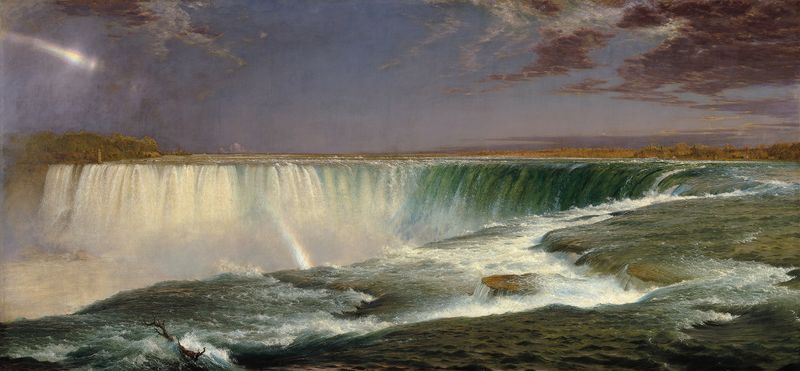
Niagara
Frederic Edwin Church
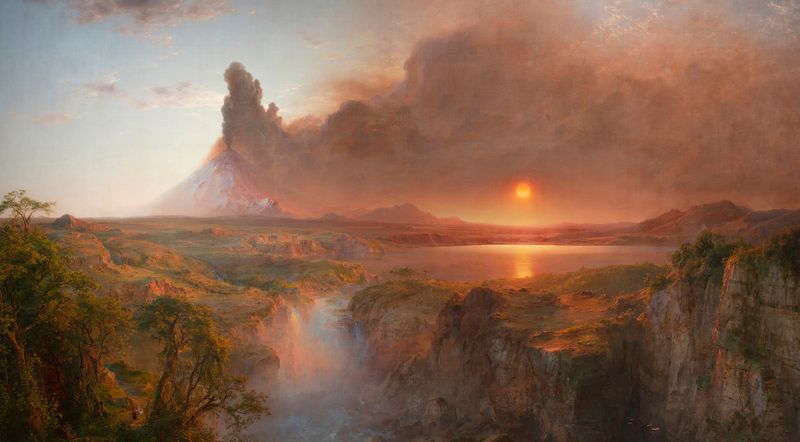
Cotopaxi
Frederic Edwin Church
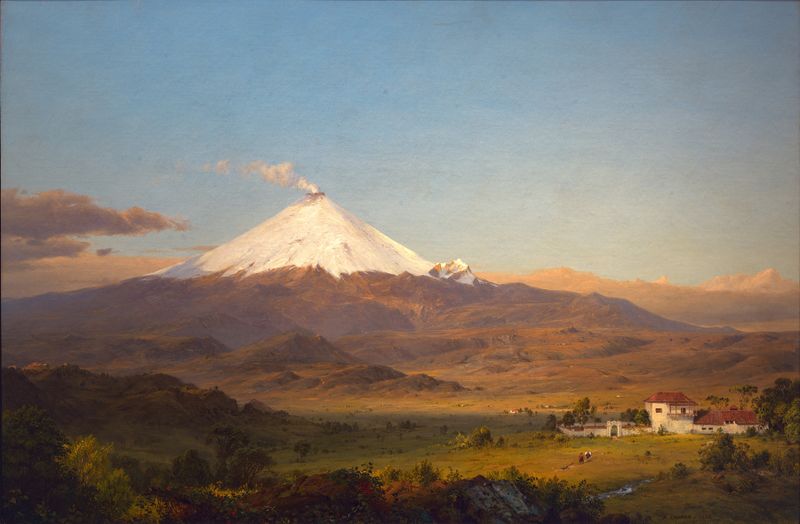
Cotopaxi
Frederic Edwin Church
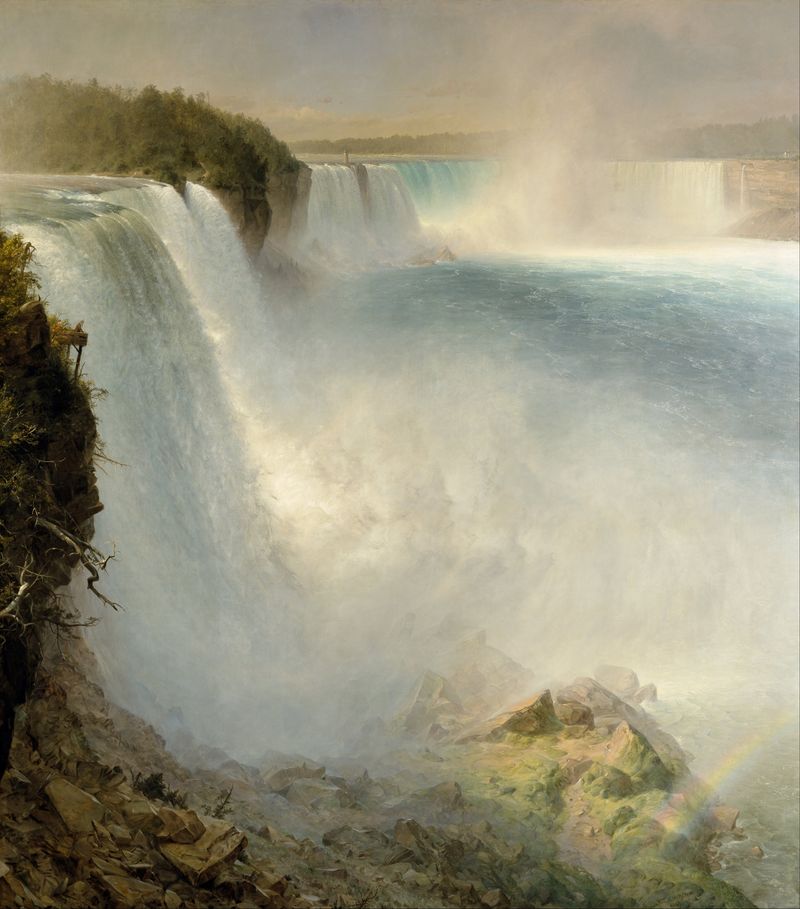
Niagara Falls, from the American Side
Frederic Edwin Church
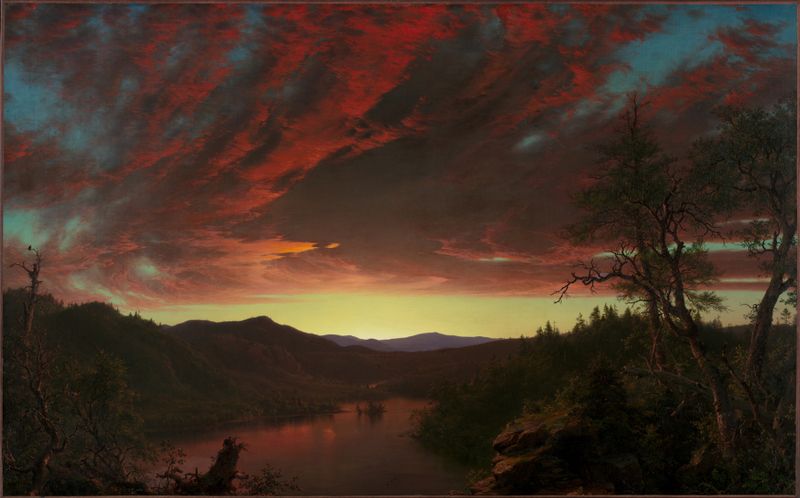
Twilight in the Wilderness
Frederic Edwin Church
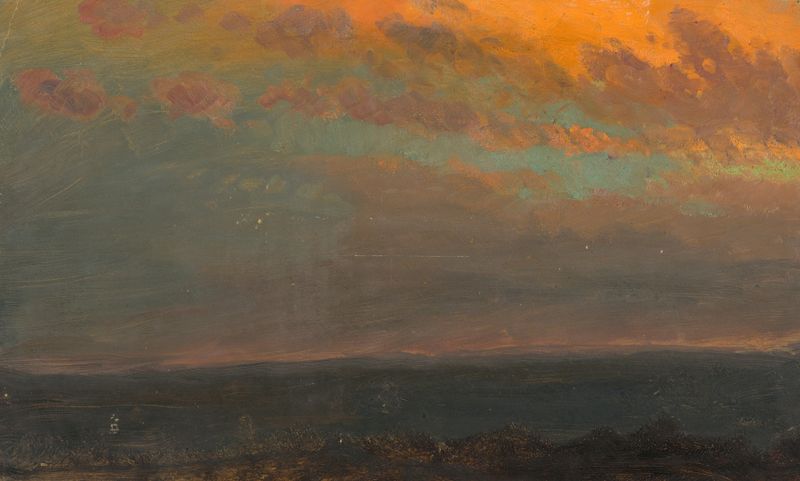
Hudson Valley at Sunset
Frederic Edwin Church
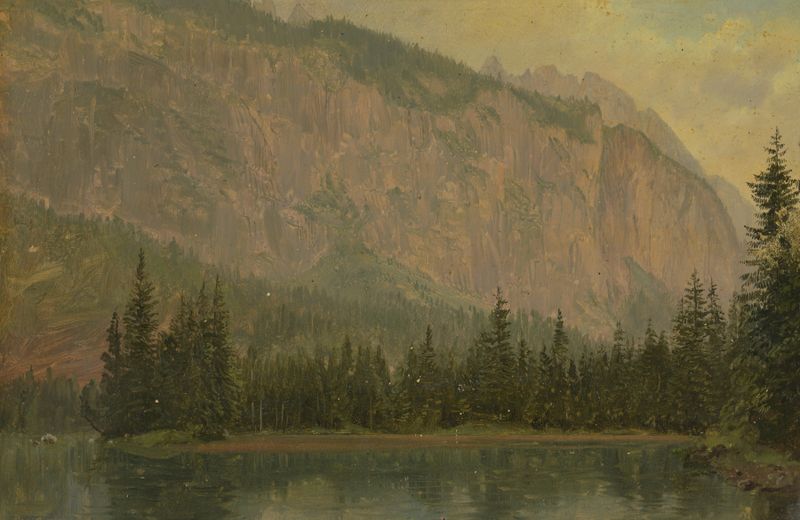
The Hintersee, near Berchtesgaden, Bavaria
Frederic Edwin Church
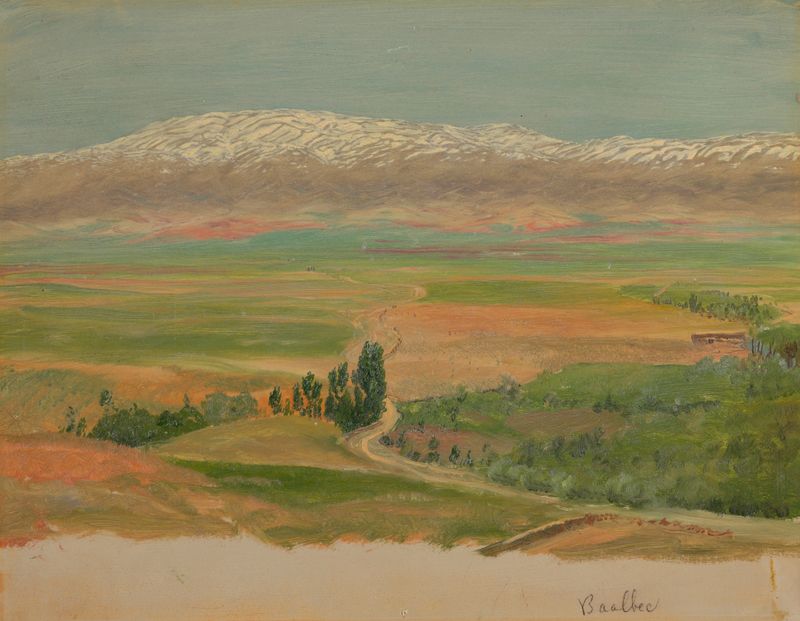
Mountains near Baalbec
Frederic Edwin Church
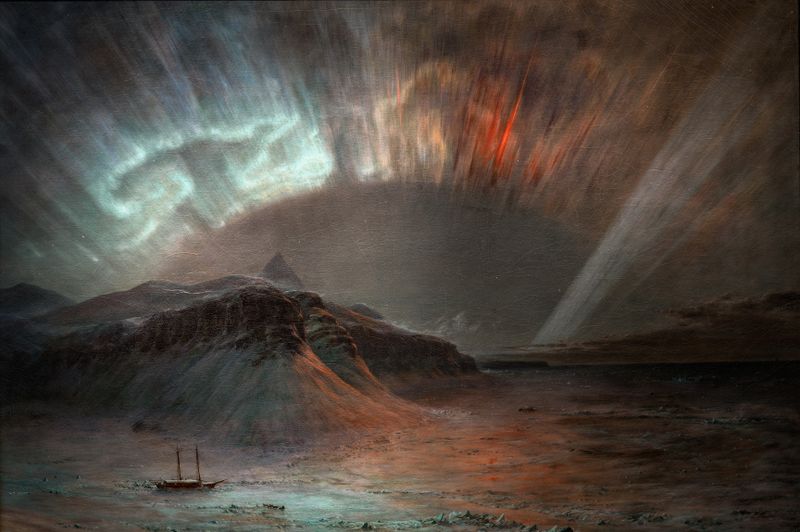
Aurora Borealis
Frederic Edwin Church
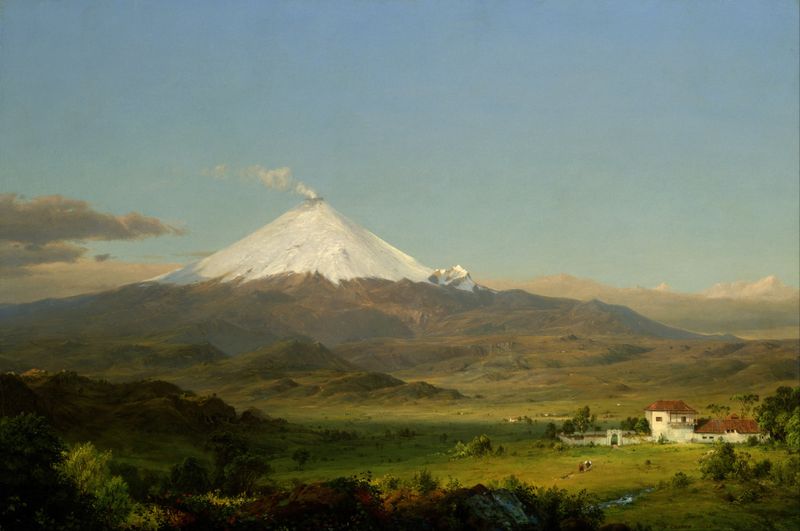
Cotopaxi
Frederic Edwin Church





