
Lot en zijn dochters — História e Análise
In this moment of quiet tension, the weight of transformation hangs palpably in the air, hinting at the duality of human nature and the complexities of morality. Look to the center, where Lot stands, his posture a blend of indecision and sorrow. His daughters flank him, their expressions a mixture of fear and determination, pulling the viewer into their emotional tumult. The delicate interplay of light accentuates the figures, casting soft shadows that heighten the scene's drama while the muted colors evoke a somber atmosphere.
Notice how the artist skillfully employs vertical lines in the architecture behind them, directing our gaze upward, perhaps symbolizing their complicated relationship with divine will. The contrast between the twisted expressions of the daughters and Lot’s stoic facade reveals the emotional burden of their fate. Each detail—the crumpled folds of their garments and the asymmetrical placement of their bodies—whispers of the tension between duty and desire, innocence and complicity. In this charged moment, the act of transformation looms large; the daughters are on the brink of an irrevocable shift, their destinies forever intertwined with their father's choices. Painted in 1530, this work emerged during a period of significant artistic evolution in Northern Europe.
Lucas van Leyden, a pivotal figure of the Northern Renaissance, was experimenting with printmaking and narrative composition. His choice to depict a biblical scene reflects not only his personal exploration of moral dilemmas but also the broader societal tensions of the Reformation, where questions of faith and personal responsibility were reshaping cultural landscapes.
Mais obras de Lucas van Leyden
Ver tudo →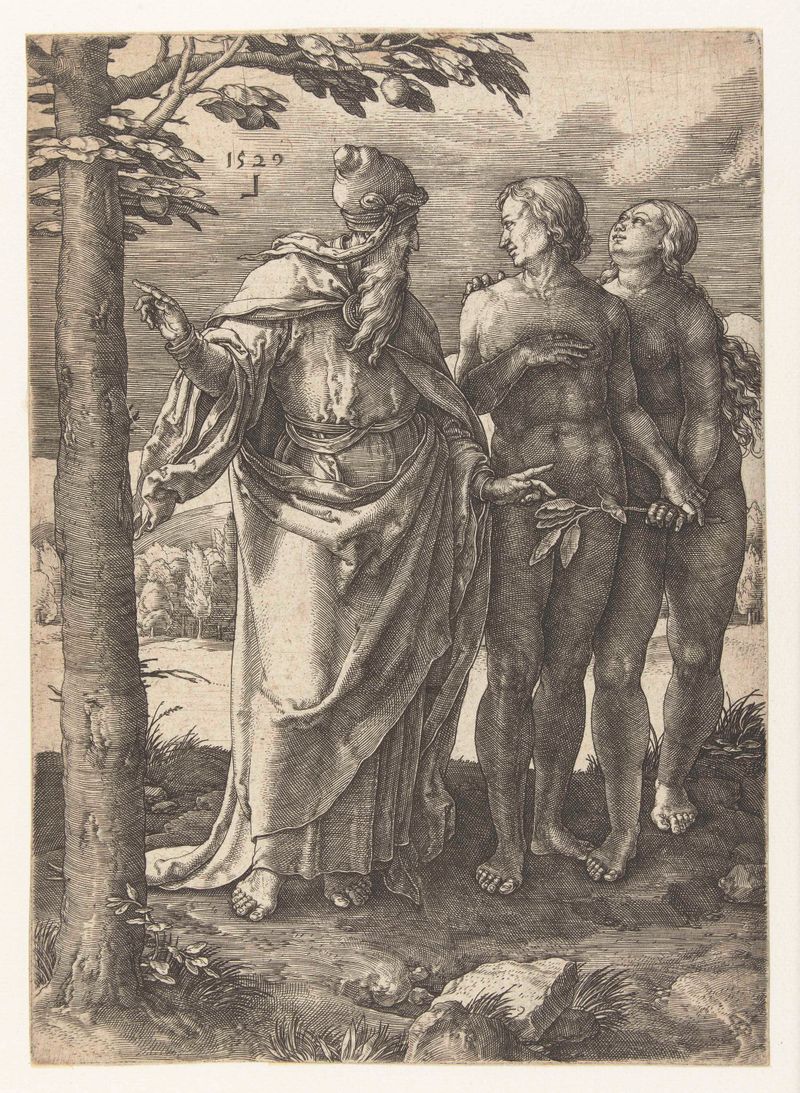
Het eerste verbod
Lucas van Leyden
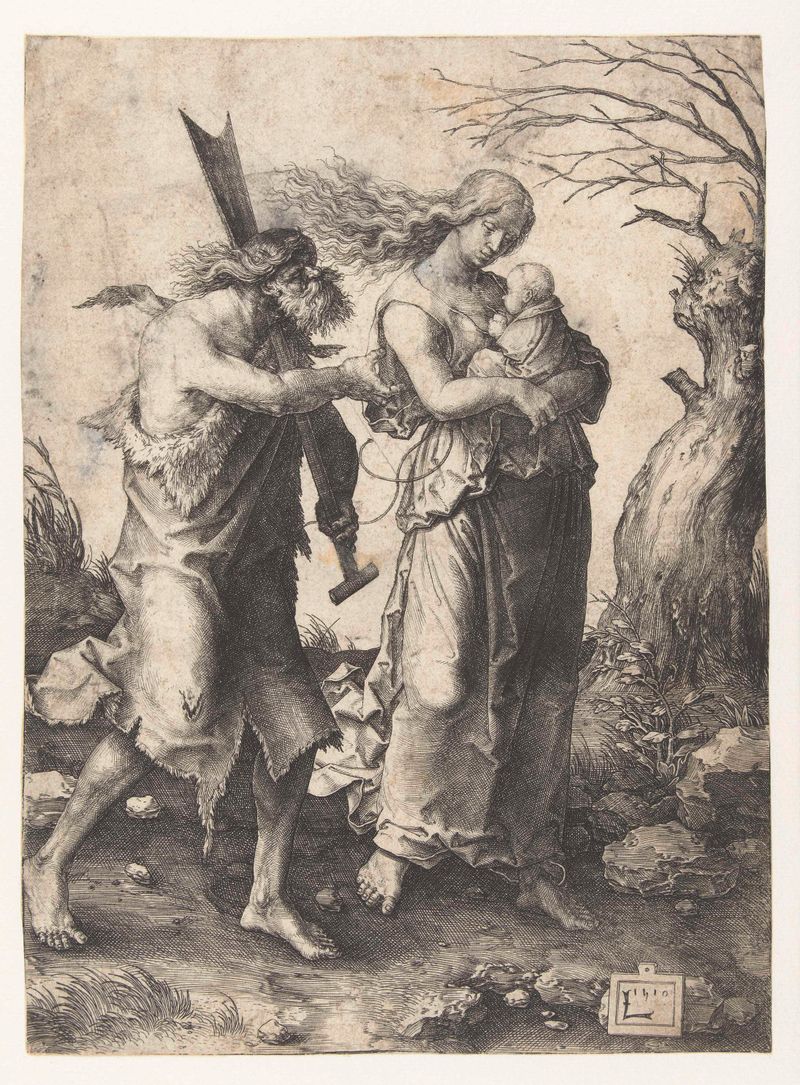
Adam en Eva na de verdrijving uit het paradijs
Lucas van Leyden
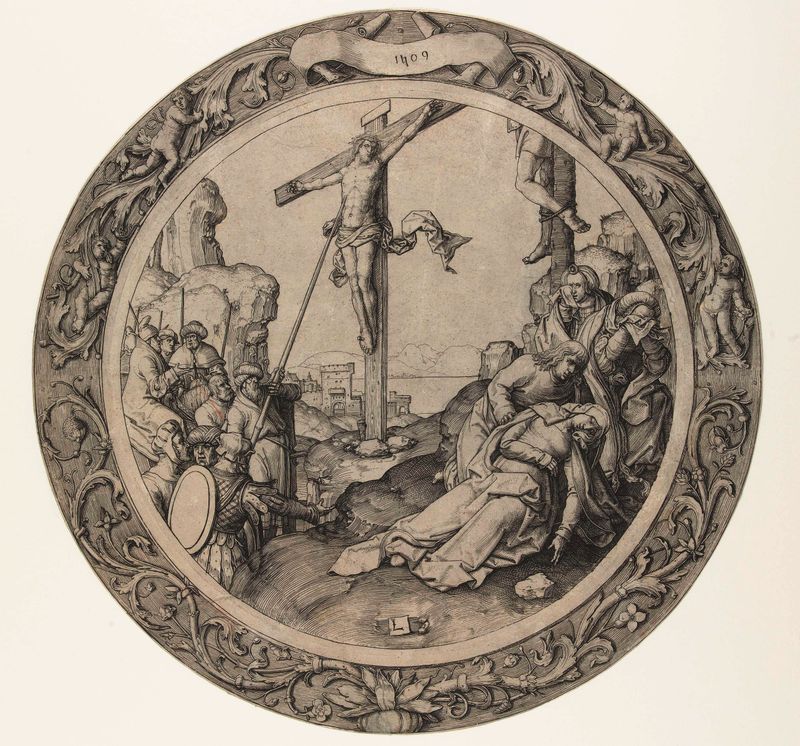
De kruisiging
Lucas van Leyden
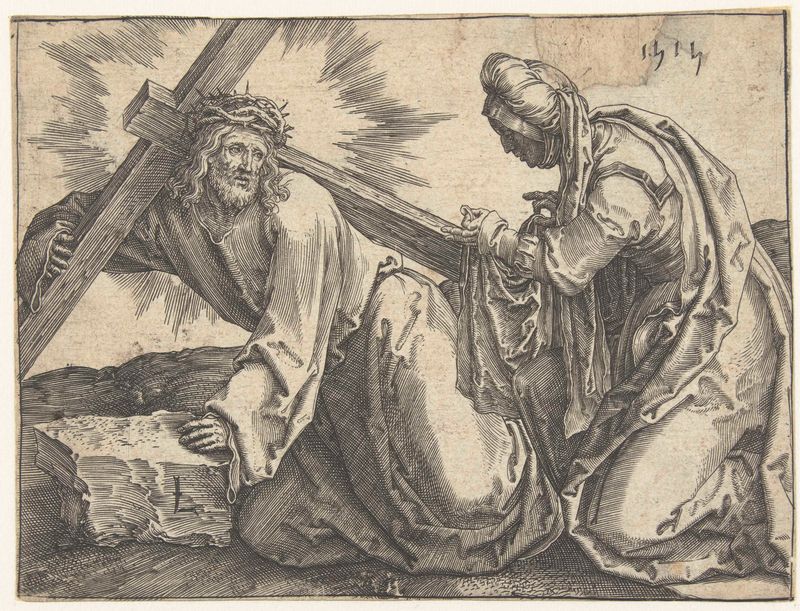
Kruisdraging
Lucas van Leyden
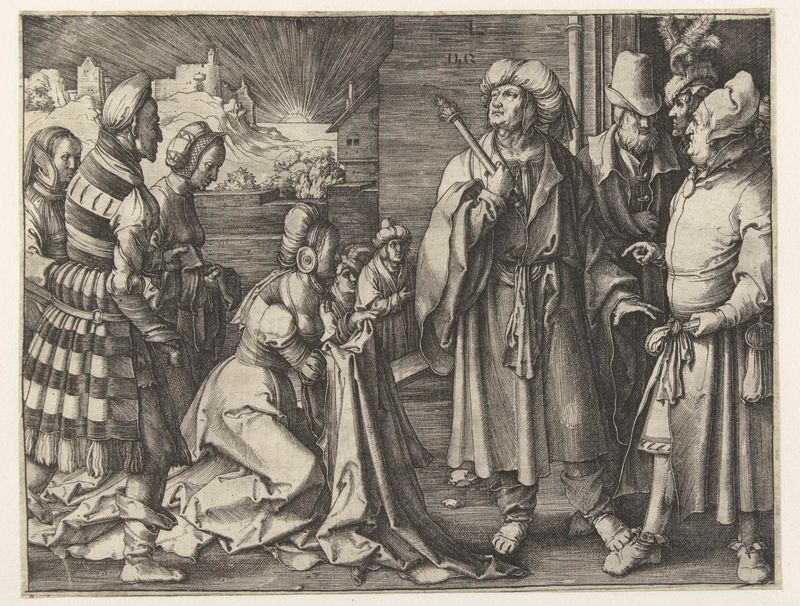
De vrouw van Potifar beschuldigt Jozef
Lucas van Leyden
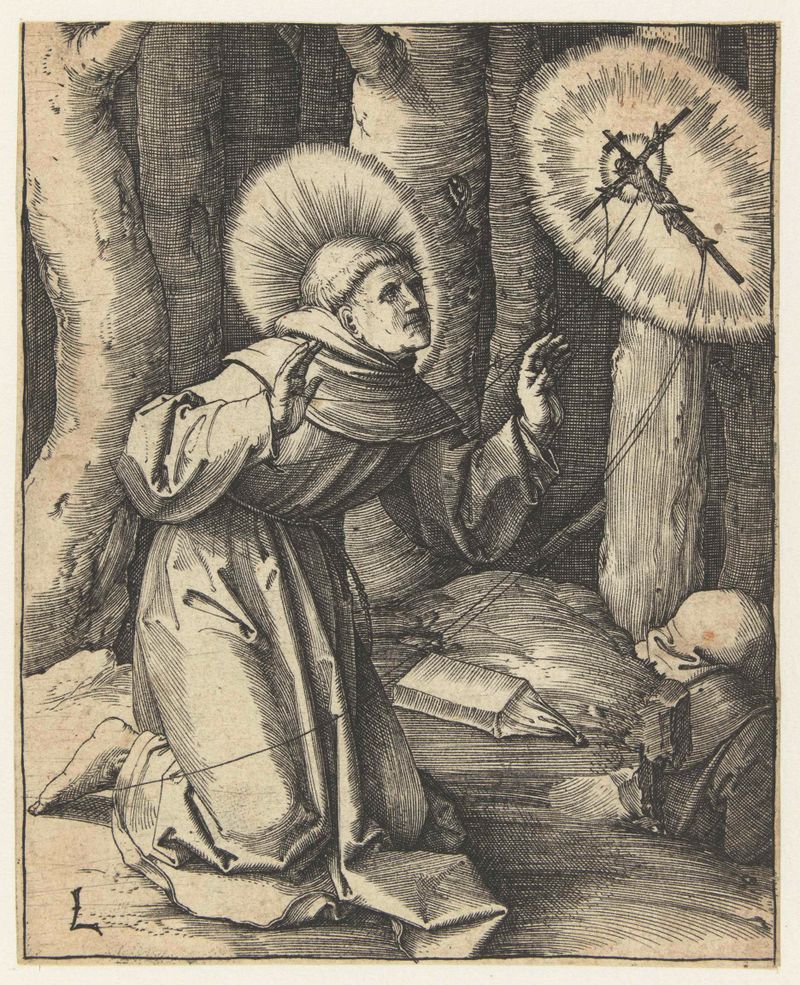
De stigmatisatie van de heilige Franciscus
Lucas van Leyden
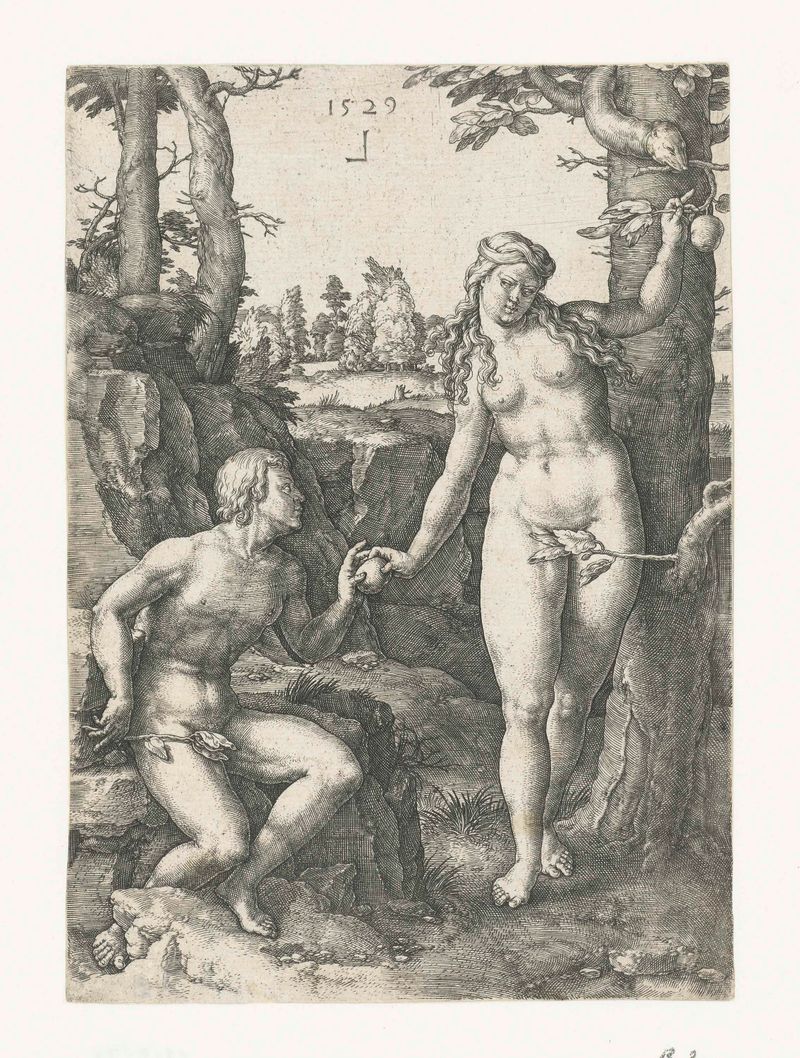
De zondeval
Lucas van Leyden
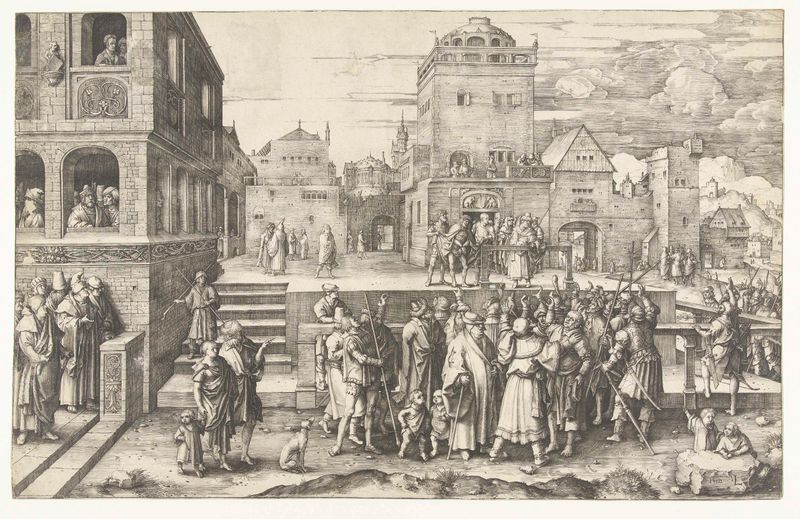
De grote Ecce Homo
Lucas van Leyden
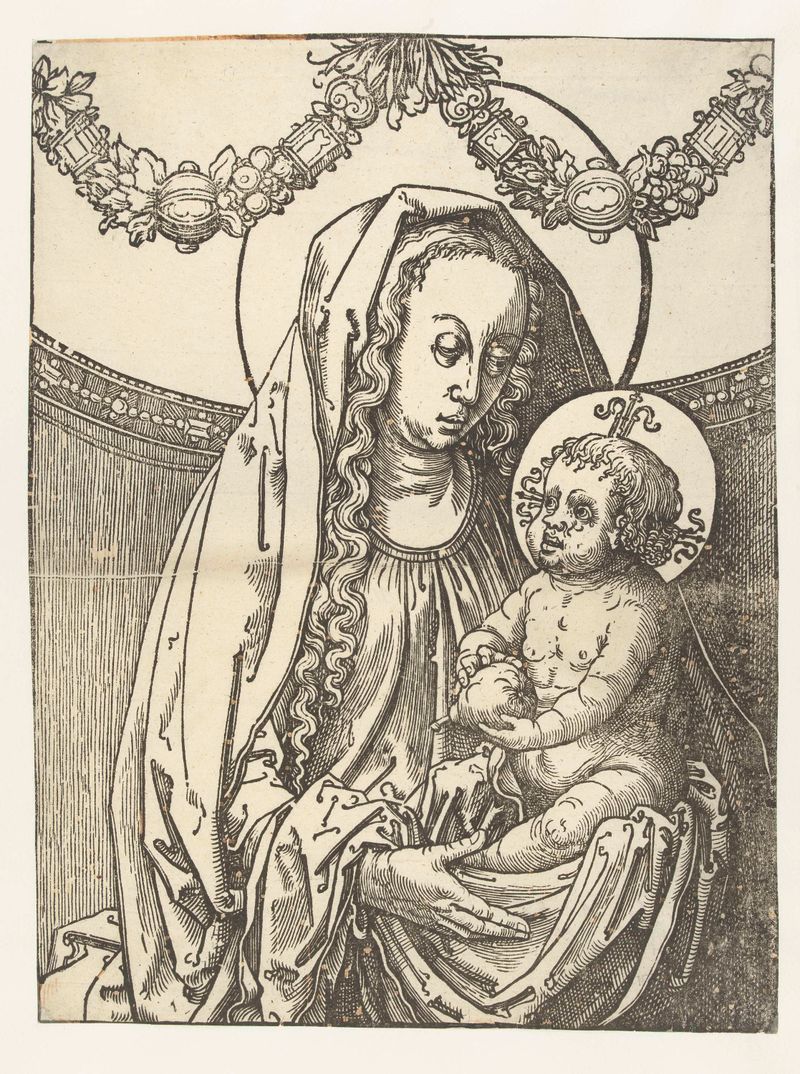
Maria met kind
Lucas van Leyden

Doornenkroning
Lucas van Leyden
Mais arte de Pintura Histórica
Ver tudo →
The Night Watch Militia Company of District II under the Command of Captain Frans Banninck Cocq
Rembrandt van Rijn

Lincoln Memorial
Henry Bacon

The Third of May 1808
Francisco de Goya

Isaac and Rebecca, Known as ‘The Jewish Bride’
Rembrandt van Rijn

The Charge of the Mamelukes (1814)
Francisco de Goya

De vier ruiters van de apocalyps
Albrecht Dürer