
Maaltijd in Emmaüs — História e Análise
Where does light end, and longing begin? In Maaltijd in Emmaüs, a glimmer of hope dances between the figures, illuminating the profound communion of revelation and belief. Look to the center of the composition, where Christ, clad in a glowing robe, anchors the scene with his open gesture. His outstretched hand seems to beckon not only the two disciples but also the viewer, inviting us to share in this ethereal moment. Notice how the soft light cascades over the table, casting gentle shadows that ground the figures in a reality tinged with divinity.
The artist's masterful use of warm tones and contrasting cool shadows creates an atmosphere that is both intimate and expansive, reflecting the emotional depth of the characters. The tension between doubt and faith pulses in the expressions of the disciples. The one on the left, with wide-open eyes, is caught in a moment of revelation, while the other, mouth slightly agape, wrestles with disbelief. This interplay of emotions signifies not just their personal transformation but echoes a larger quest for understanding in the time following Christ’s resurrection.
Additionally, the subtle details—like the fruit on the table and the faint glimmer of wine—represent the mingling of the earthly and the divine, suggesting hope and sustenance in spiritual awakening. Created between 1534 and 1535 during his time in Nuremberg, the artist was influenced by the burgeoning Protestant Reformation, a period marked by intense religious debate and a quest for personal faith. Surrounded by a vibrant community of artists and thinkers, he sought to express theological concepts through his art, mirroring the spiritual awakening of his time. This painting is a testament to the search for meaning amid the turbulence of belief.
Mais obras de Georg Pencz
Ver tudo →
Parabel van de zaaier
Georg Pencz

Parabel van de arbeiders in de wijngaard
Georg Pencz
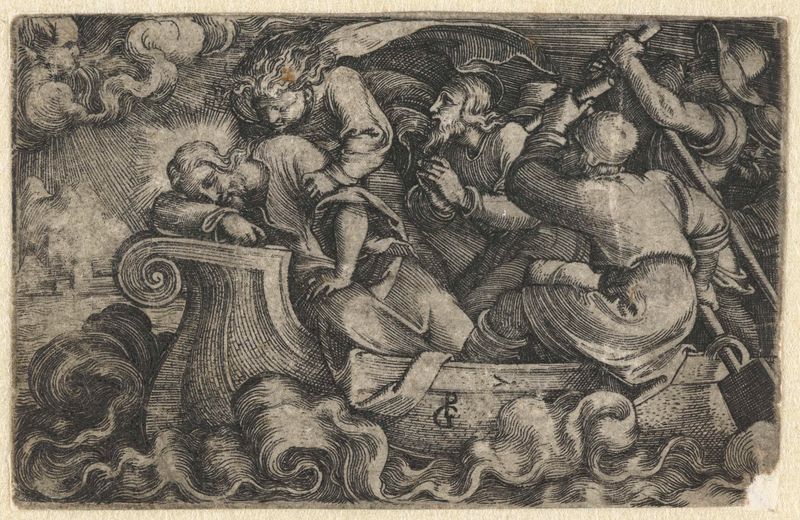
Discipelen wekken slapende Christus tijdens storm op Meer van Galilea
Georg Pencz

Afgunst (Invidia)
Georg Pencz
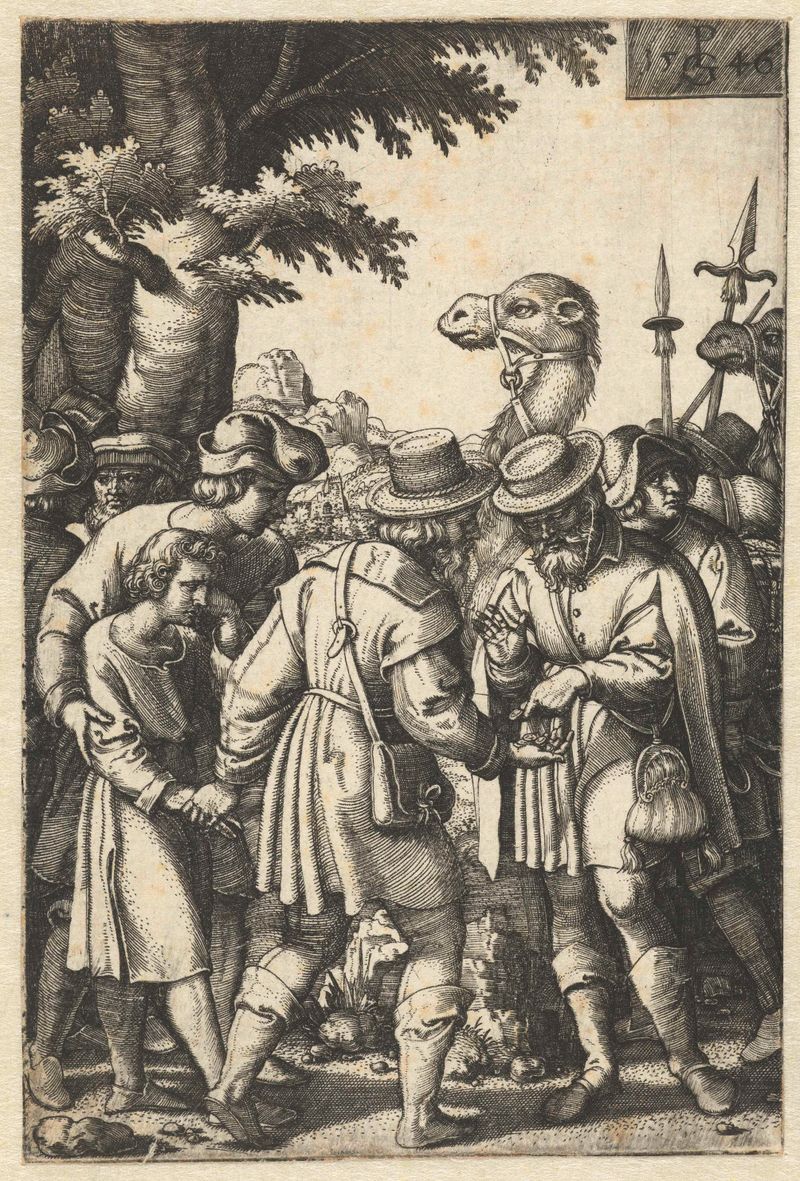
Jozef wordt verkocht aan kooplieden op weg naar Egypte
Georg Pencz

Aanbidding der koningen
Georg Pencz
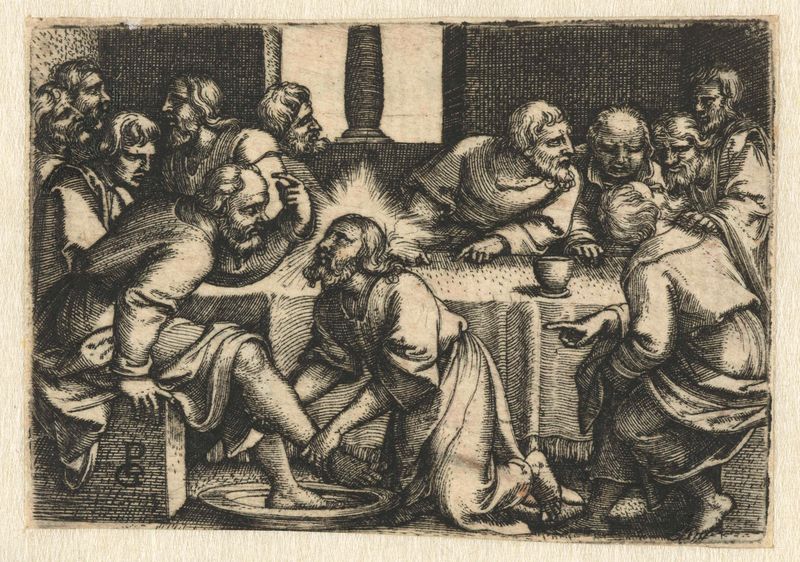
Petrus protesteert als Christus zijn voeten wast
Georg Pencz
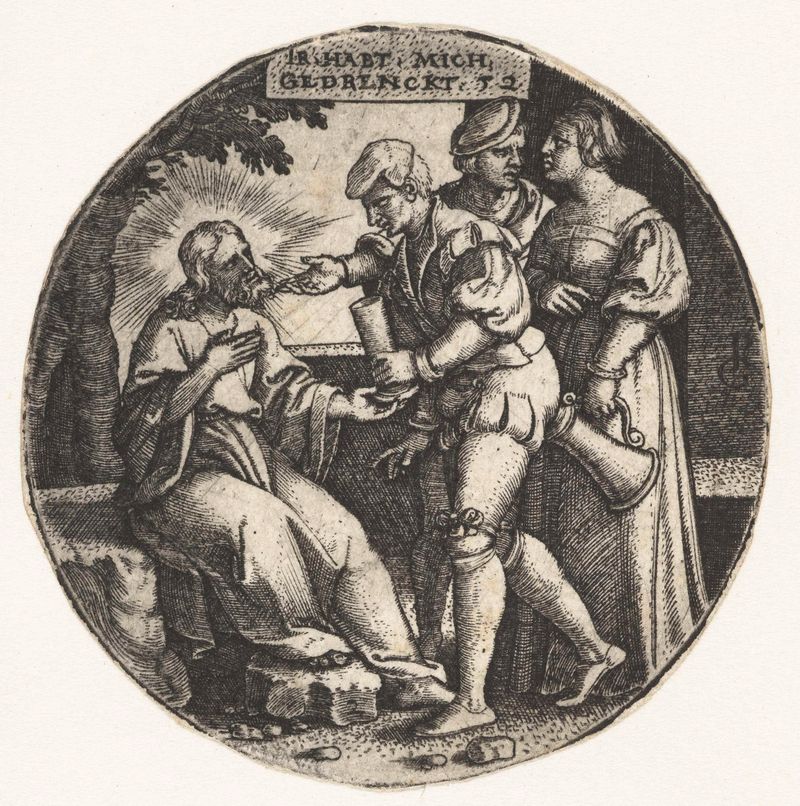
Christus heeft dorst en krijgt drinken aangeboden
Georg Pencz
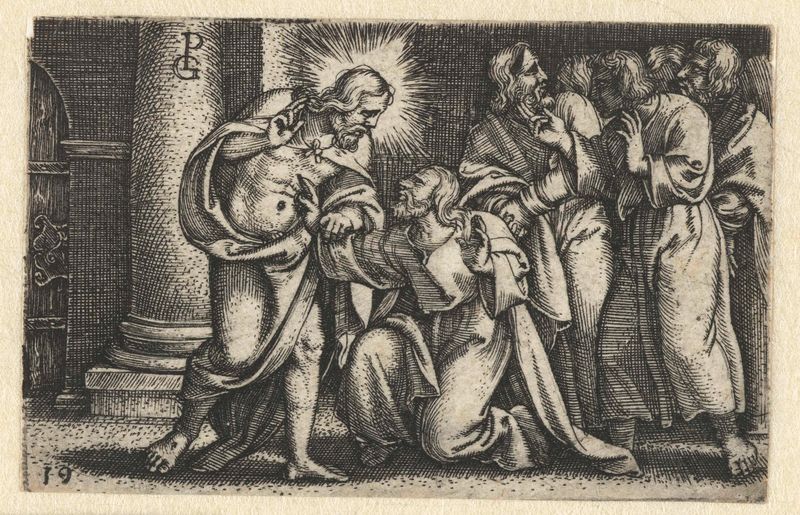
Ongelovige Thomas raakt wonden Christus aan
Georg Pencz

Offer van Abraham van Isaak
Georg Pencz
Mais arte de Arte Religiosa
Ver tudo →
The Return of the Prodigal Son
Rembrandt van Rijn

The Garden of Earthly Delights
El Bosco

Count Orgaz’ funeral
El Greco

The Hundred Guilder Print: the central piece with Christ preaching, the plate arched
Rembrandt van Rijn

The Descent from the Cross
Rogier van der Weyden

The return of the prodigal son
Rembrandt van Rijn