
Maria, een sterrenkroon op het hoofd en een scepter in de hand, met kind op de maansikkel — História e Análise
In this remarkable work, hope takes form as an ethereal connection between the divine and the earthly, melding reality with aspiration. Here, a figure adorned with a crown of stars symbolizes not just royalty, but the potential for transcendence. Look to the center of the canvas where Maria stands with a serene grace, her child nestled against her in the crescent moon’s embrace. The delicate play of light accentuates the contours of her face, illuminating her gentle expression and signifying maternal warmth.
Notice how the rich, deep blues of the night sky wrap around her, contrasting with the soft golds of her attire, suggesting the divine nature of her purpose. The careful layering of paint creates a textural depth, inviting the viewer to peer beyond the surface into a realm of spiritual significance. The juxtaposition of the celestial and the earthly invites reflection on the duality of existence — the hardships of life and the hope that guides us through. The moon cradling the child represents the fragility of innocence, while the stars symbolize aspirations that glimmer amid darkness.
This tension between vulnerability and strength resonates deeply, allowing the viewer to draw parallels with their own experiences of faith and resilience. Created in 1516, this piece emerged during a time of significant transformation in both Dürer’s life and the broader artistic landscape of the Renaissance. As he delved into human emotion and spiritual themes, the artist was navigating the complexities of personal loss and the quest for meaning, mirroring the societal shifts towards individualism and humanism. This period marked a shift towards more intimate expressions in art, setting the stage for the profound emotional depth found in works like this.
Mais obras de Albrecht Dürer
Ver tudo →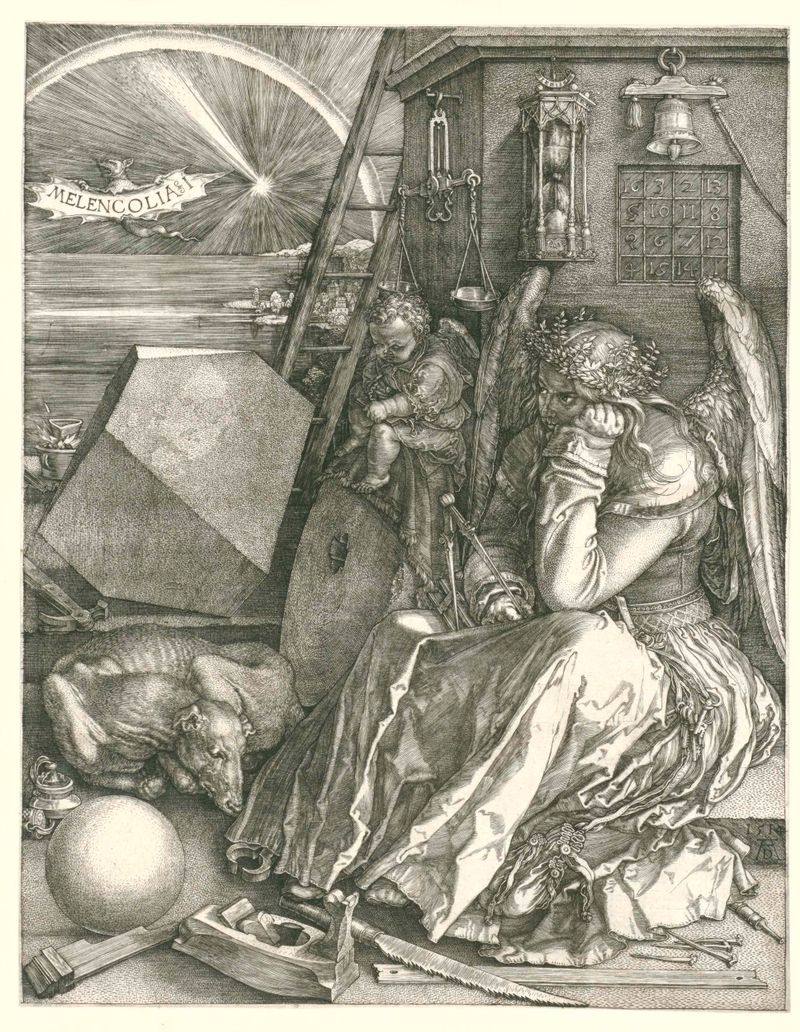
Melancholia
Albrecht Dürer
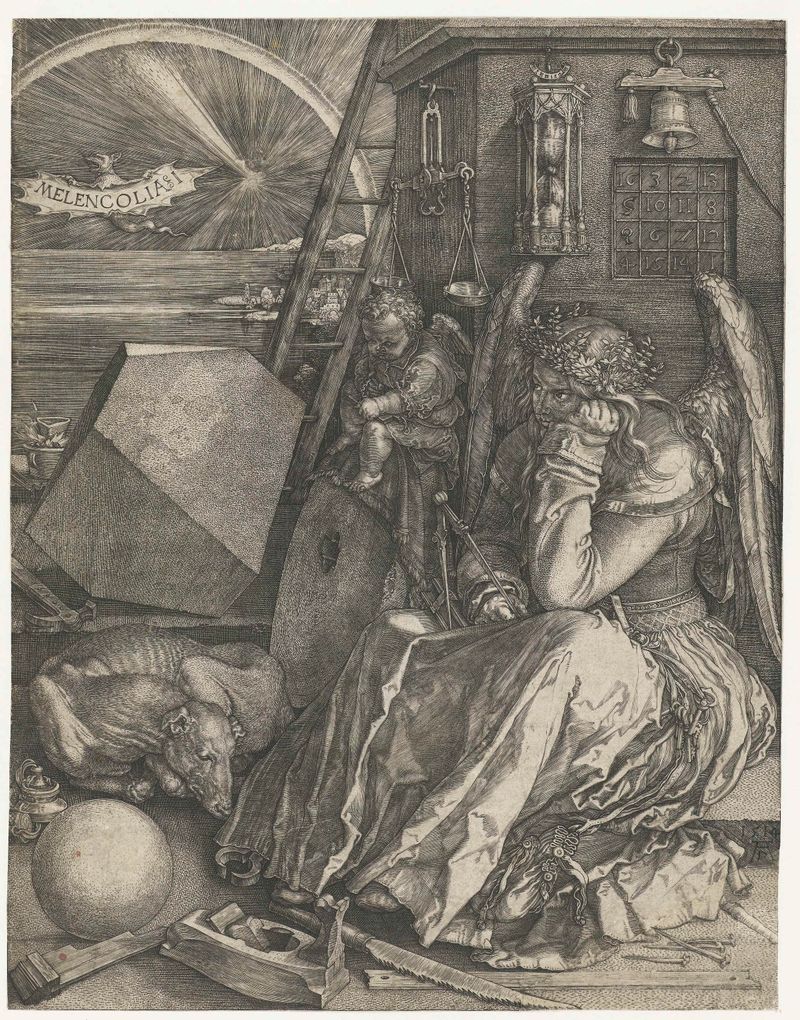
Melancholie
Albrecht Dürer
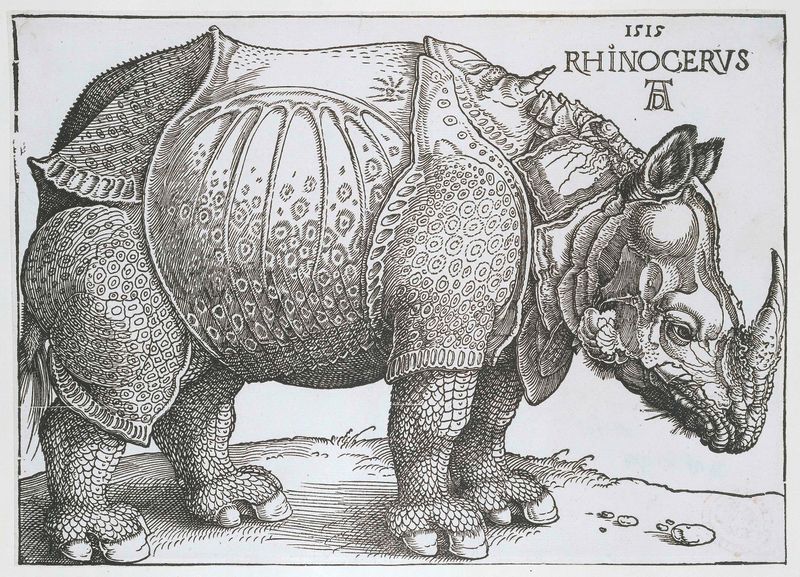
Neushoorn
Albrecht Dürer
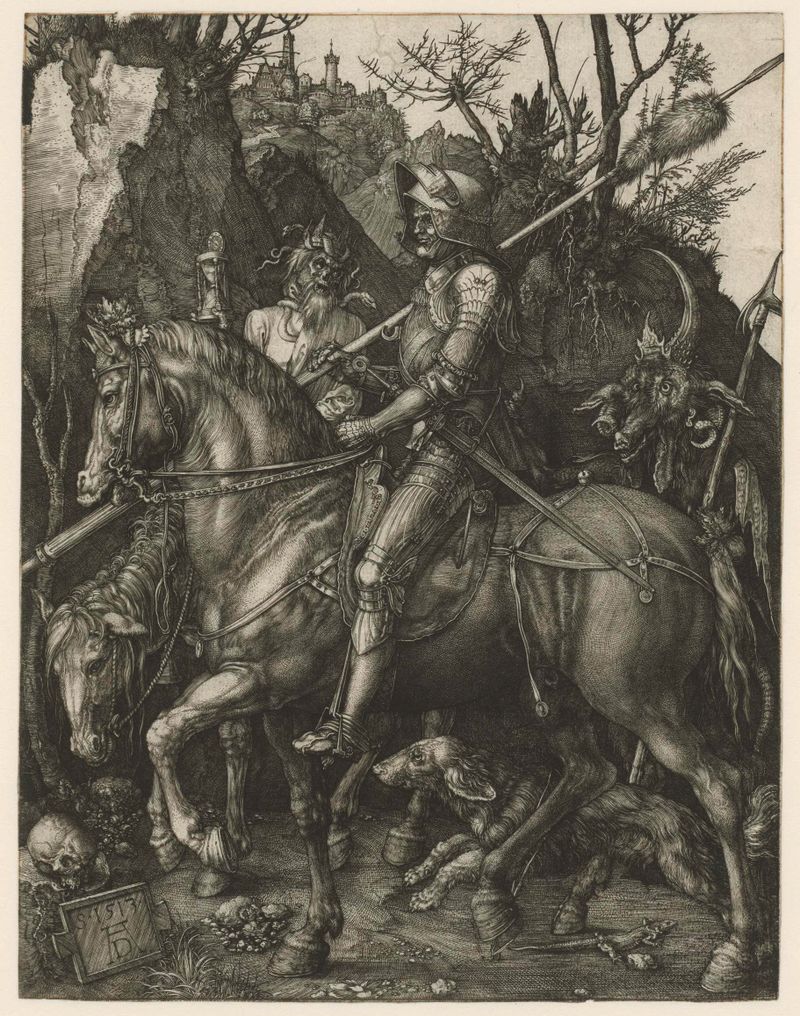
Knight, Death, and the Devil
Albrecht Dürer

De vier ruiters van de apocalyps
Albrecht Dürer

De vier ruiters van de apocalyps
Albrecht Dürer
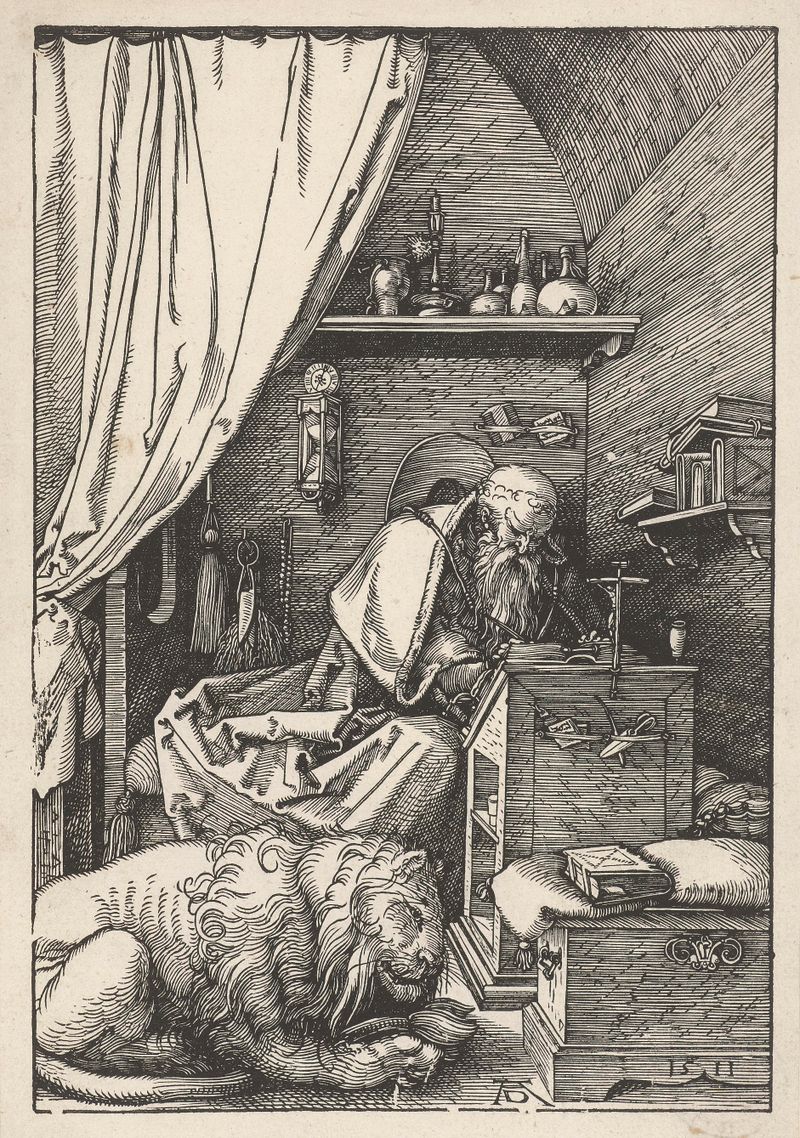
De Heilige Hiëronymus in zijn studeervertrek
Albrecht Dürer
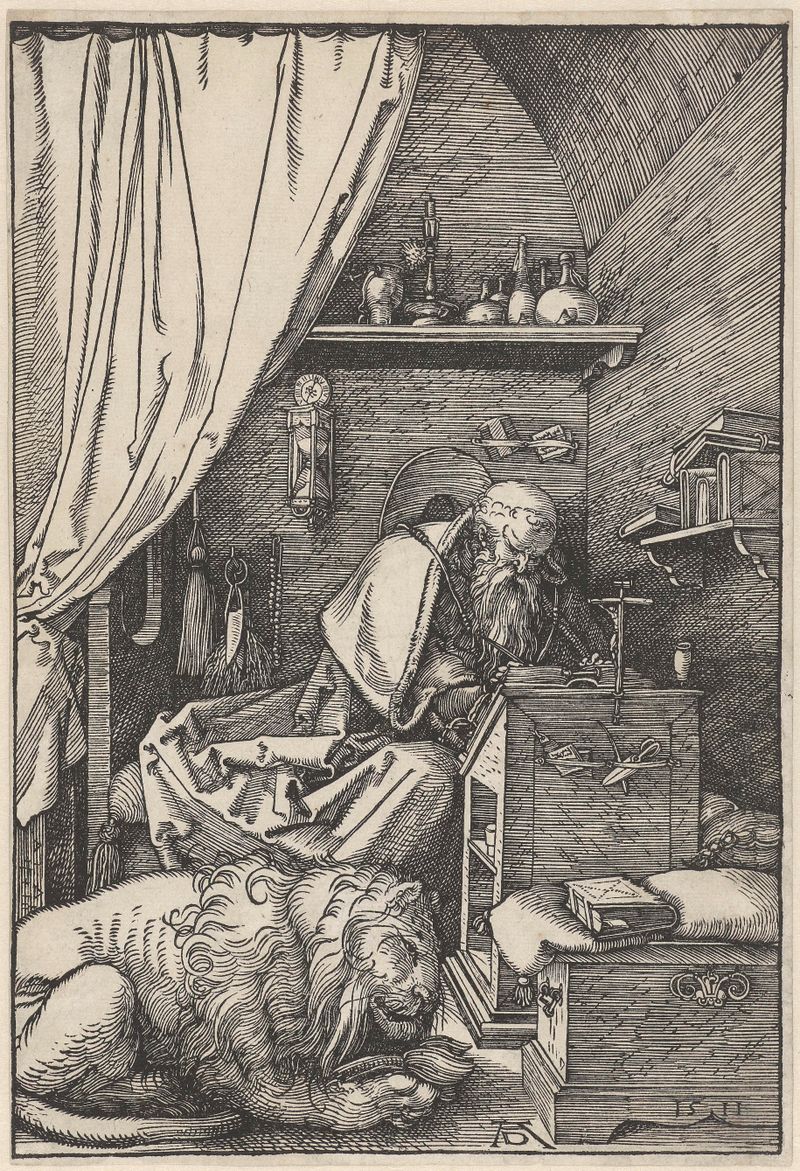
De Heilige Hiëronymus in zijn studeervertrek
Albrecht Dürer
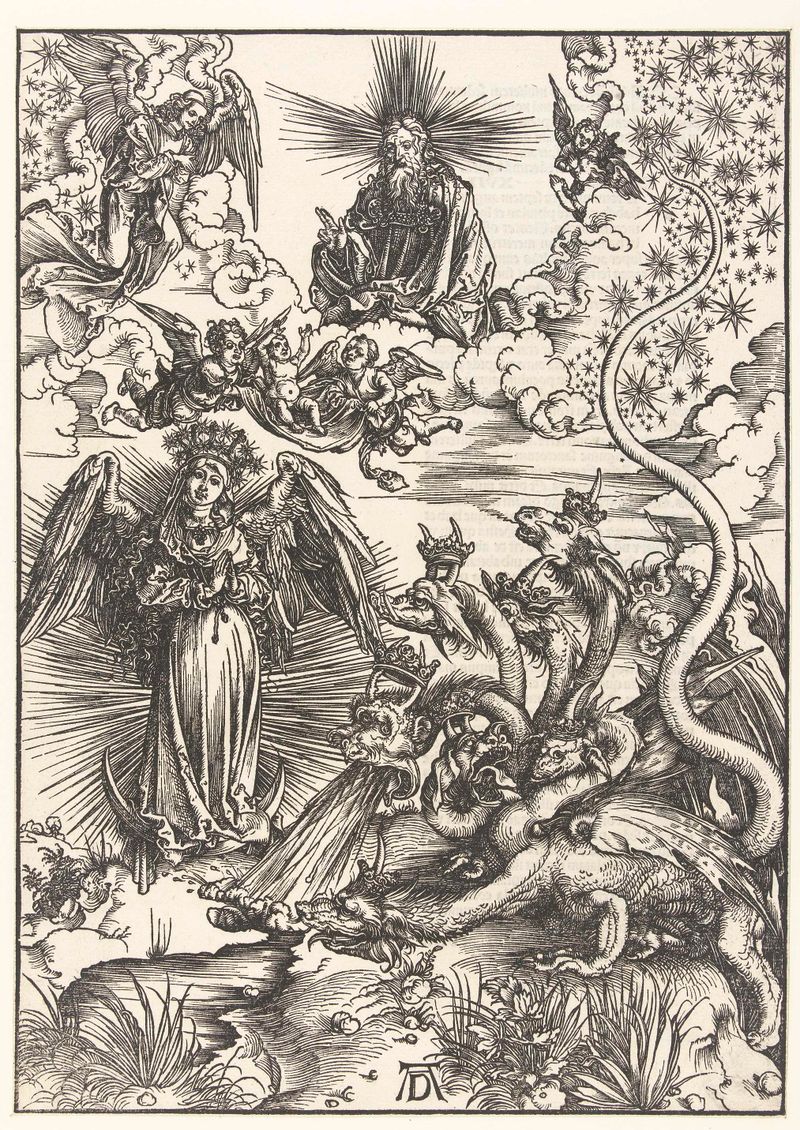
De apocalyptische vrouw en de zevenkoppige draak
Albrecht Dürer
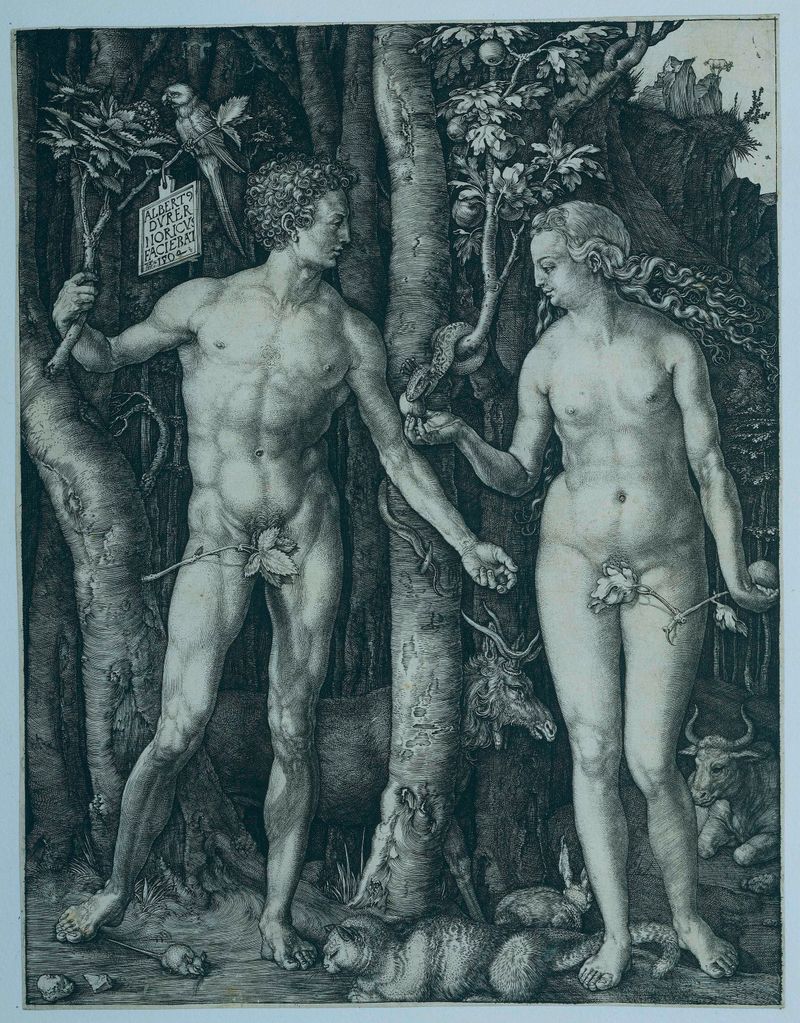
Adam en Eva
Albrecht Dürer
Mais arte de Arte Religiosa
Ver tudo →
The Return of the Prodigal Son
Rembrandt van Rijn

The Garden of Earthly Delights
El Bosco

Count Orgaz’ funeral
El Greco

The Hundred Guilder Print: the central piece with Christ preaching, the plate arched
Rembrandt van Rijn

The Descent from the Cross
Rogier van der Weyden

The return of the prodigal son
Rembrandt van Rijn