
Maria met Christuskind — História e Análise
Can paint confess what words never could? In the stillness of a moment, the weight of connection hangs in the air, ripe with unspoken truths and profound reverence. There is an urgency in the gaze, a silent exchange that transcends the boundaries of time and language, inviting viewers to bear witness to the sanctity of this encounter. Look to the center of the composition, where the delicate figures of Maria and Christuskind draw the eye with their tender embrace. The interplay of light, soft and ethereal, bathes their forms in a celestial glow, emphasizing the emotional depth of the scene.
Notice the details in Hollar's meticulous line work, making each fold of fabric and contour of the face come alive. The muted palette evokes a sense of serenity and warmth, while the intricate backgrounds enrich the context, grounding this sacred moment within a larger narrative. As you study the piece further, consider how the tender expressions hint at layers of longing and fulfillment, suggesting a bond that defies earthly concerns. The interplay between the simplicity of their surroundings and the complexity of their emotions reveals the artist's mastery in capturing the human experience.
There is an inherent contrast between the divine and mortal, a reminder of the fragility of faith amidst the turbulence of an evolving world, echoing the revolutionary sentiments of Hollar’s time. Wenceslaus Hollar created this artwork in 1648, during a year marked by political upheaval and social change in Europe. Living in London after fleeing the Thirty Years' War, Hollar was immersed in a vibrant artistic community. This period of his life saw him exploring various themes and techniques while grappling with the implications of faith, identity, and the transformative power of art in turbulent times.
Mais obras de Wenceslaus Hollar
Ver tudo →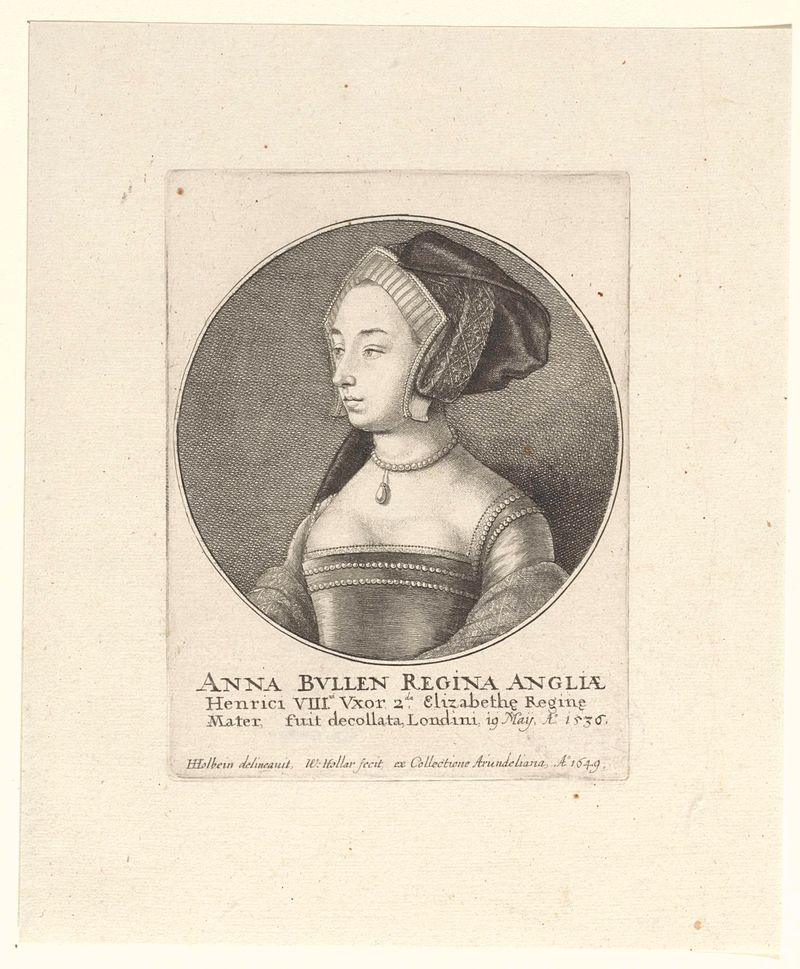
Portret van Anna Boleyn, koningin van Engeland
Wenceslaus Hollar
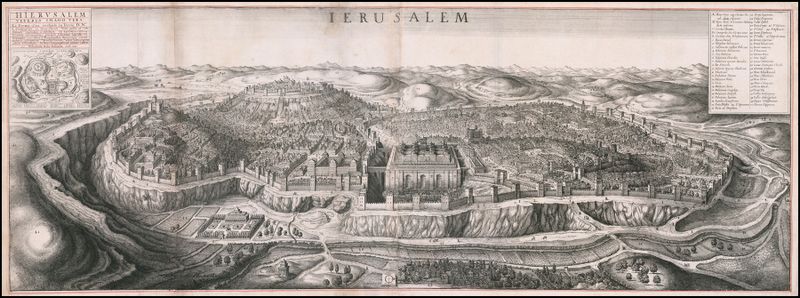
Bird’s eye view of Jerusalem
Wenceslaus Hollar
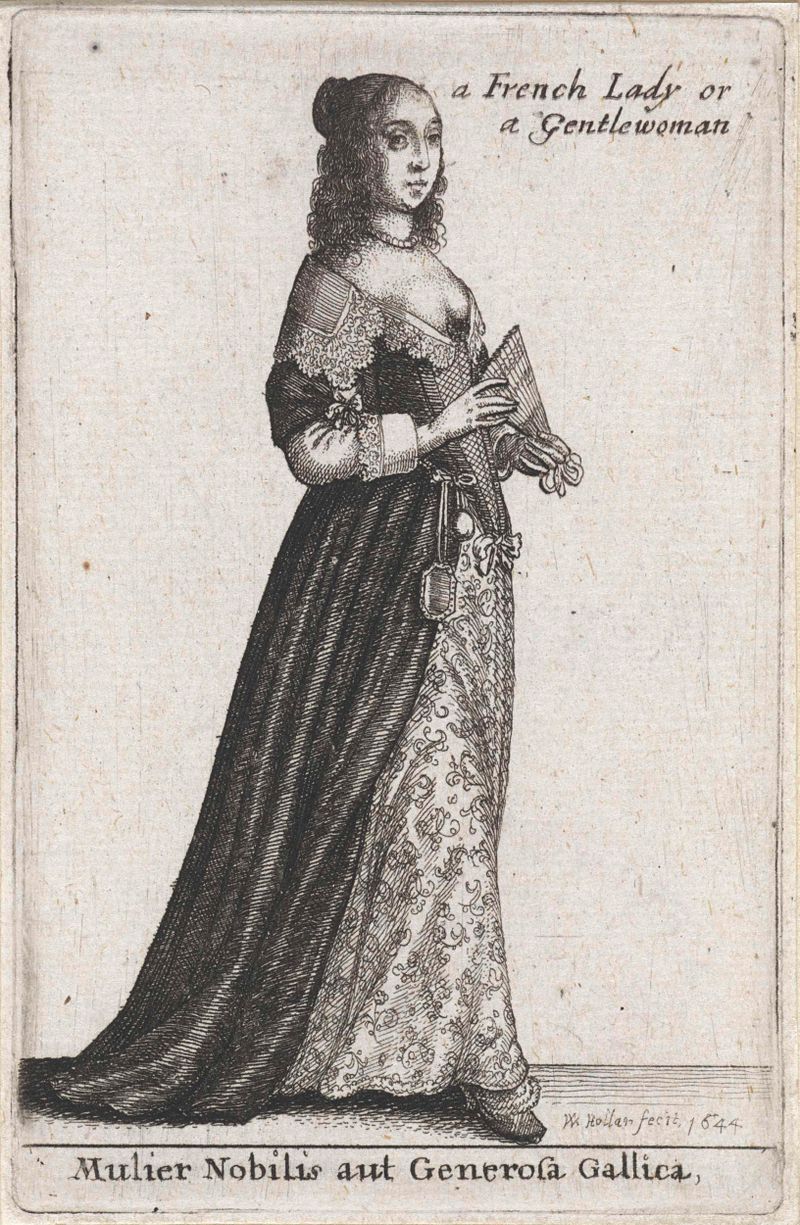
Mulier Nobilis aut Generosa Gallica / a French Lady or Gentlewoman
Wenceslaus Hollar
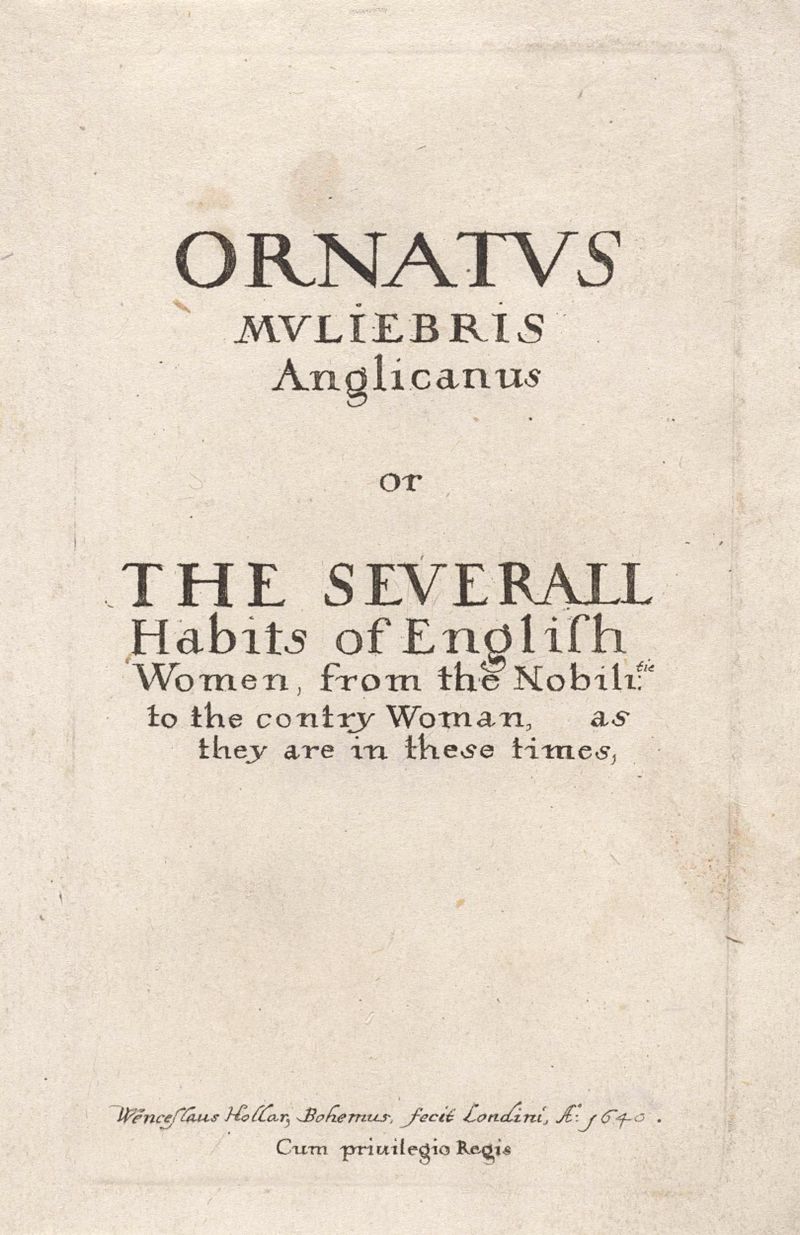
Titelprent voor: Ornatus Muliebris Anglicanus
Wenceslaus Hollar
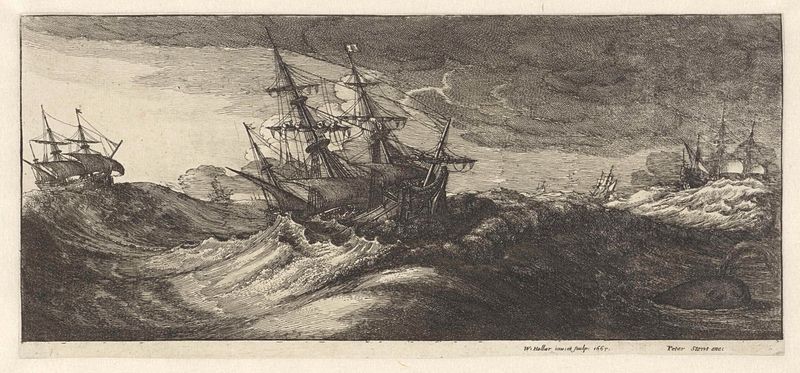
Oorlogsschepen en een walvis in een zeestorm
Wenceslaus Hollar
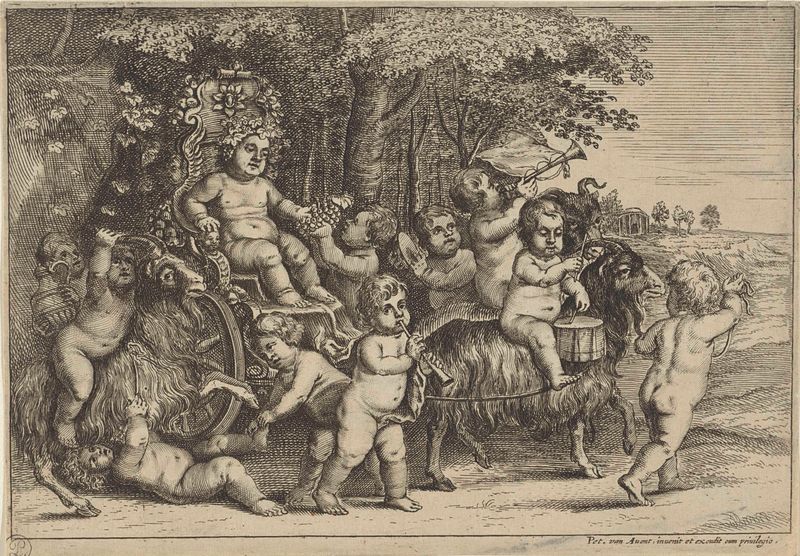
Optocht van bacchant en jongetjes op geiten
Wenceslaus Hollar
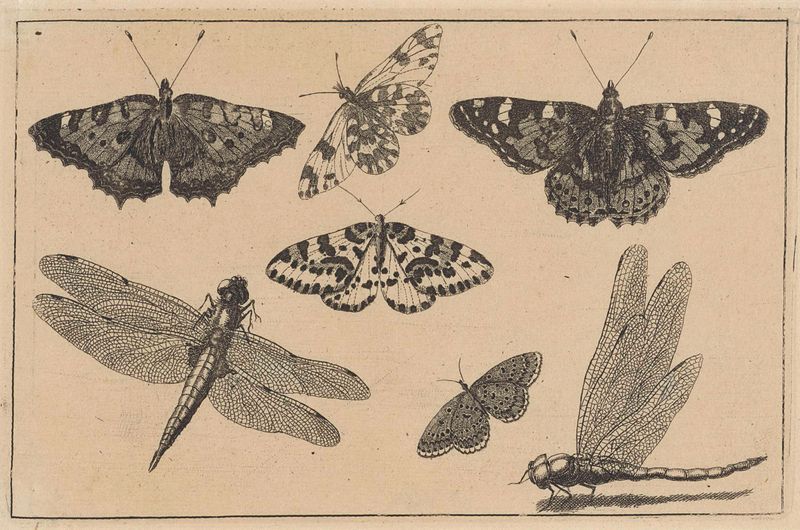
Twee libellen en vijf vlinders
Wenceslaus Hollar
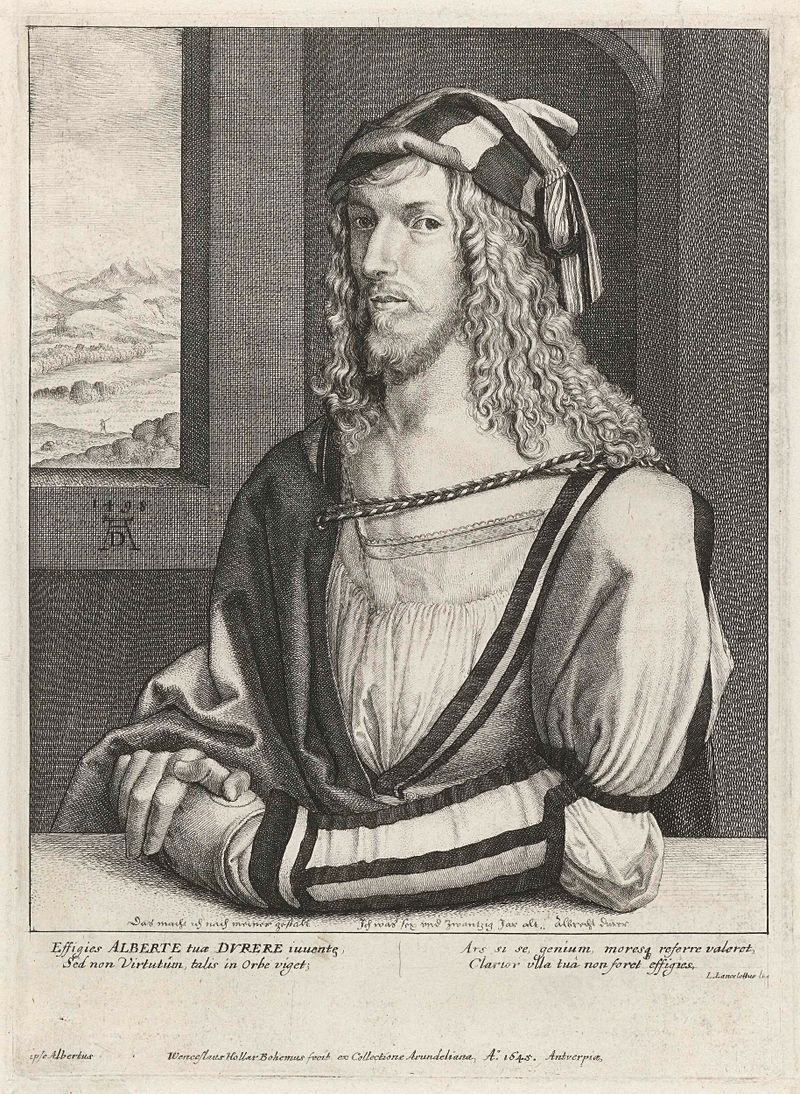
Portret van Albrecht Dürer
Wenceslaus Hollar
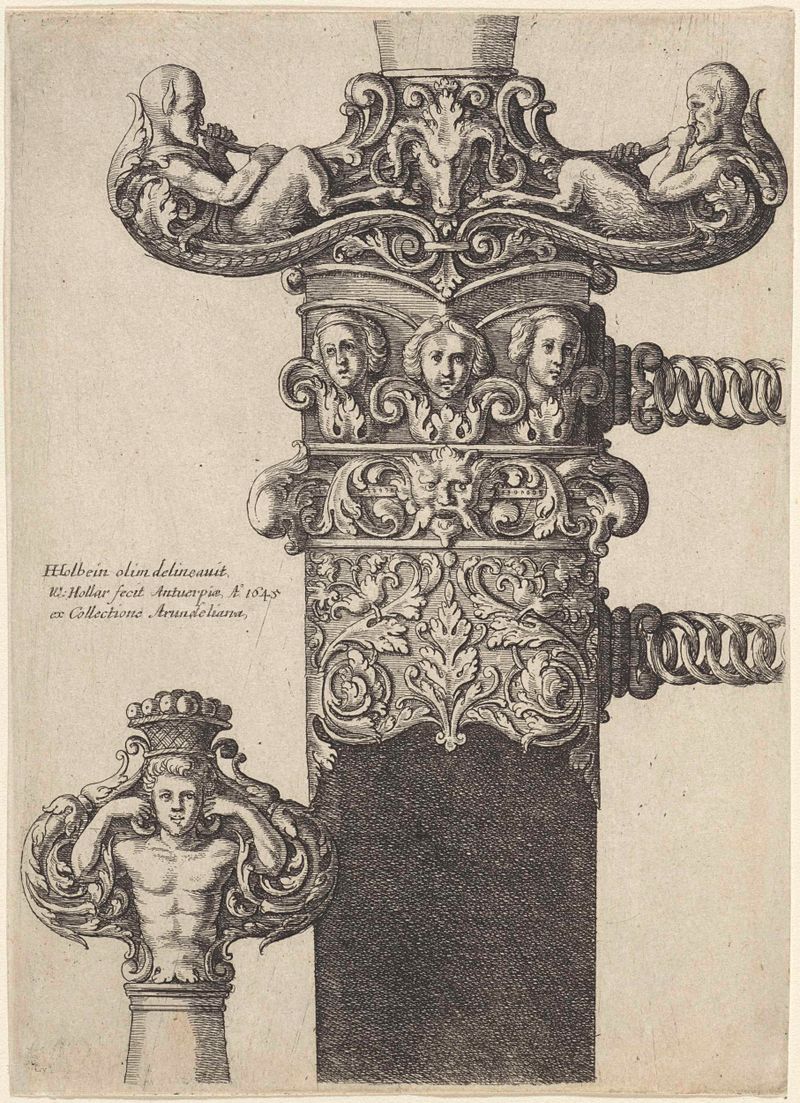
Ornamenteel ontwerp voor een dolk
Wenceslaus Hollar
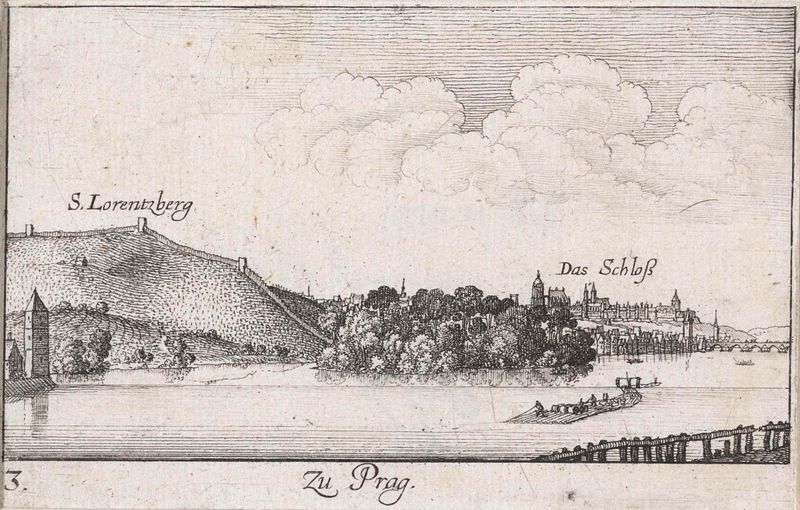
Gezicht op Praag vanaf de Moldau
Wenceslaus Hollar
Mais arte de Arte Religiosa
Ver tudo →
The Return of the Prodigal Son
Rembrandt van Rijn

The Garden of Earthly Delights
El Bosco

Count Orgaz’ funeral
El Greco

The Hundred Guilder Print: the central piece with Christ preaching, the plate arched
Rembrandt van Rijn

The Descent from the Cross
Rogier van der Weyden

The return of the prodigal son
Rembrandt van Rijn