
Matrona Bernensis — História e Análise
Can paint confess what words never could? In Matrona Bernensis, a powerful revelation is captured, revealing the essence of a woman whose presence speaks volumes beyond the canvas. Look closely at the figure in the center, adorned in rich, flowing fabrics that cascade around her like a gentle embrace. The warm, earthy tones dominate the scene, while subtle highlights dance upon the intricate textures of her clothing. Notice how the artist uses soft chiaroscuro to create depth, allowing the light to kiss her face tenderly, illuminating her features—an invitation to understand her soul.
The intimate gaze directed outward draws the viewer in, as if to share an unspoken truth. Delve deeper, and you’ll discover layers of meaning woven into this portrait. The choice of attire reflects status and dignity, yet the expression hints at vulnerability, suggesting a complexity of emotions—perhaps pride mixed with solitude. Examine the delicate hand gestures; they speak of both grace and restraint, inviting contemplation on the role of women in society during the 17th century, and the tension between duty and desire. Wenceslaus Hollar created Matrona Bernensis in 1644, amidst a period marked by shifting artistic movements and personal upheavals.
Living in England, he was influenced by the Baroque style, embracing intricate detail and a focus on human emotion. This work, indicative of his skill in portraiture, emerged during a time when societal portrayals were evolving, embracing both identity and introspection in the face of changing norms.
Mais obras de Wenceslaus Hollar
Ver tudo →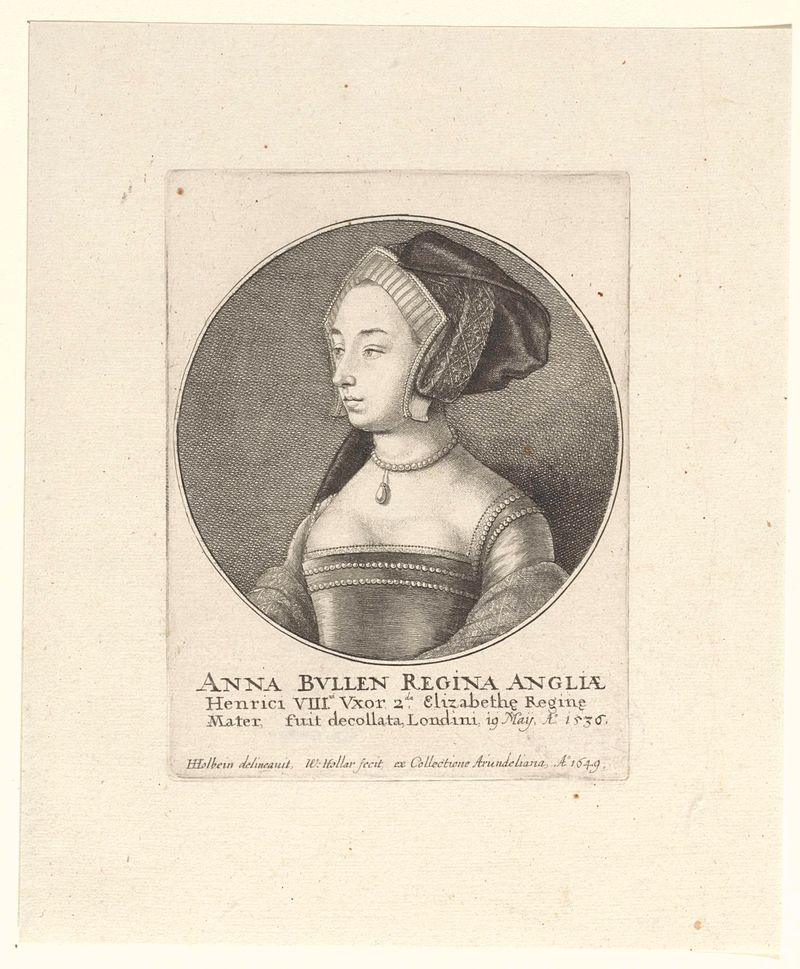
Portret van Anna Boleyn, koningin van Engeland
Wenceslaus Hollar
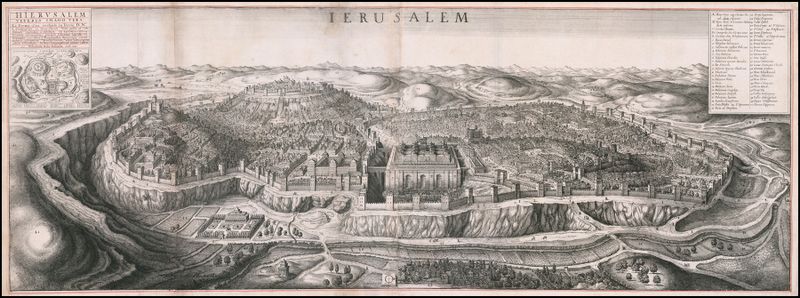
Bird’s eye view of Jerusalem
Wenceslaus Hollar
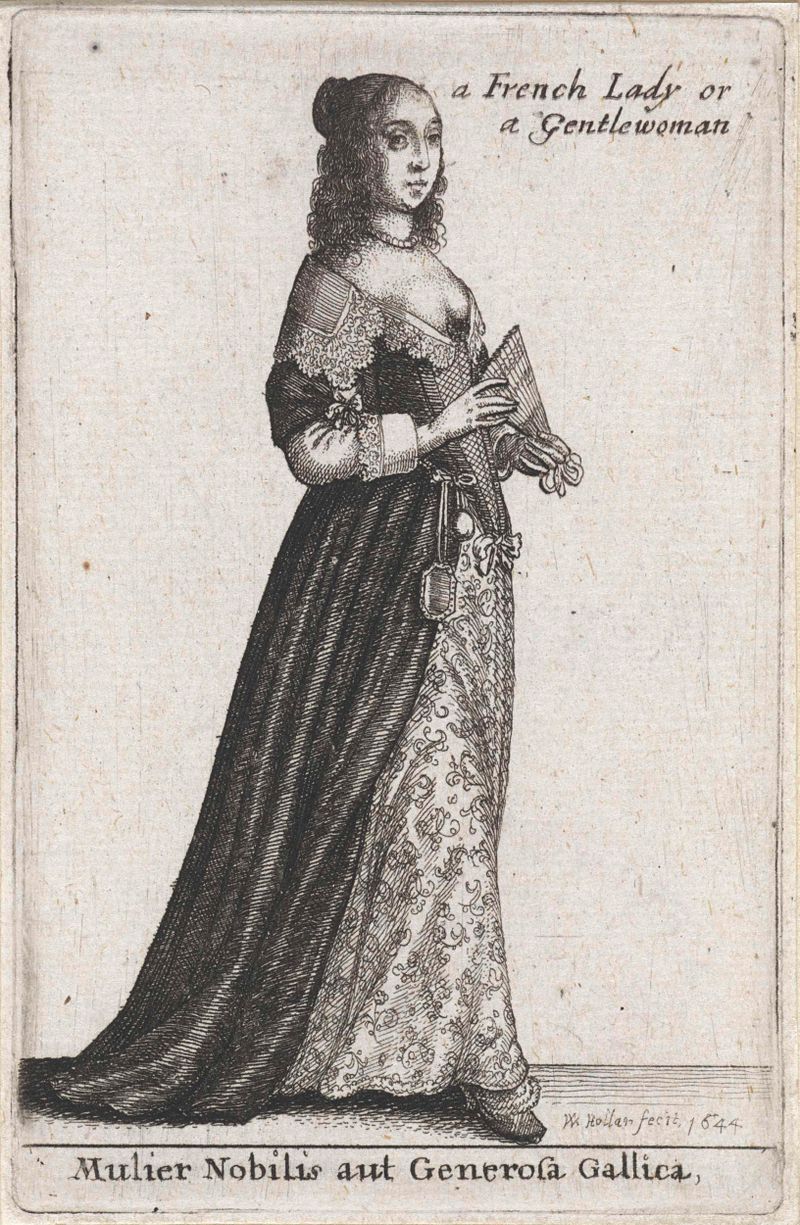
Mulier Nobilis aut Generosa Gallica / a French Lady or Gentlewoman
Wenceslaus Hollar
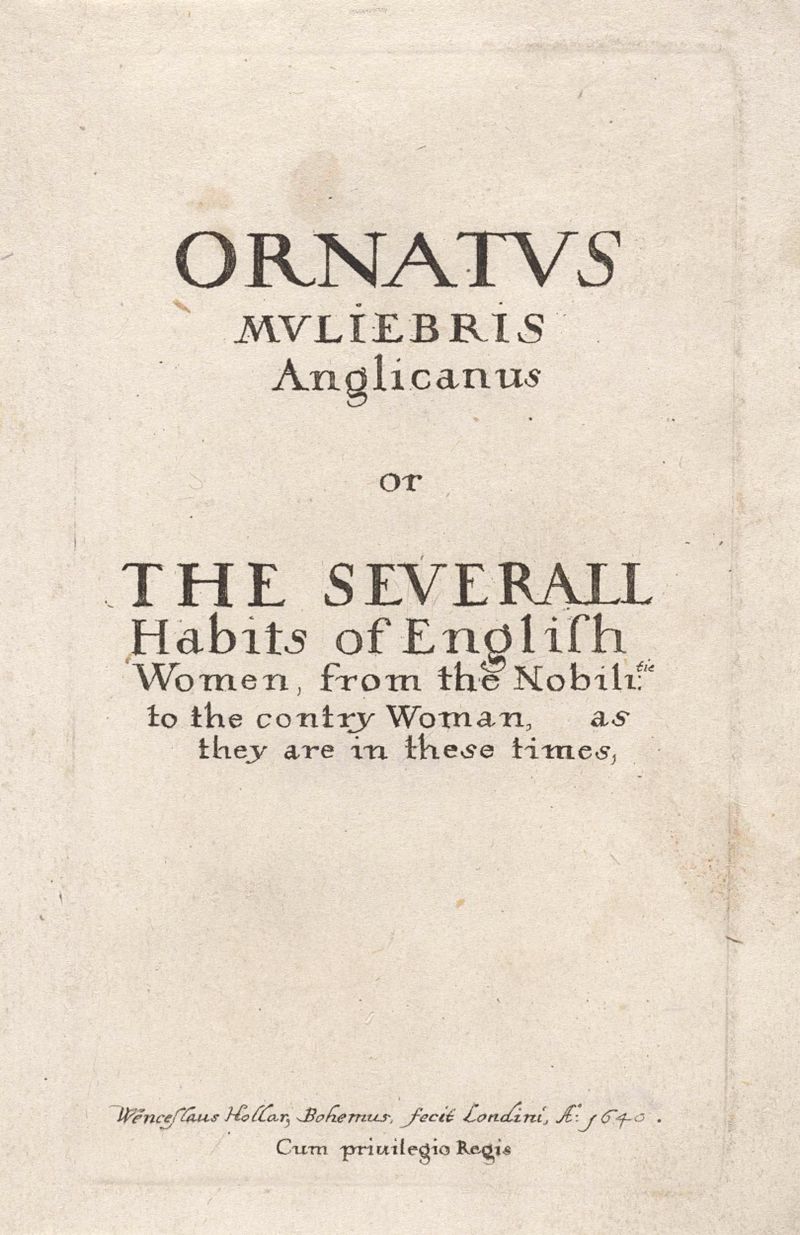
Titelprent voor: Ornatus Muliebris Anglicanus
Wenceslaus Hollar
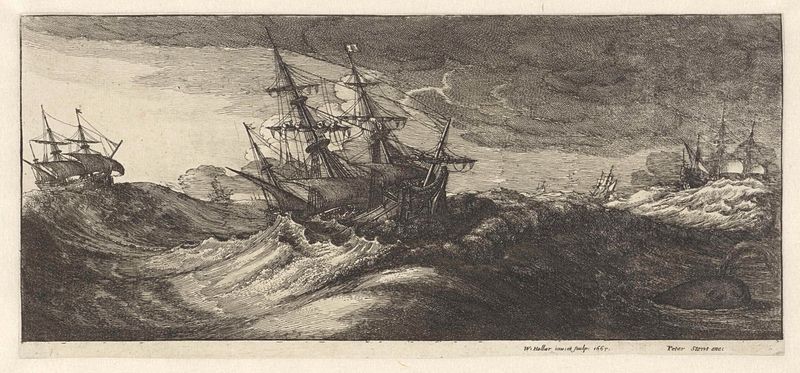
Oorlogsschepen en een walvis in een zeestorm
Wenceslaus Hollar
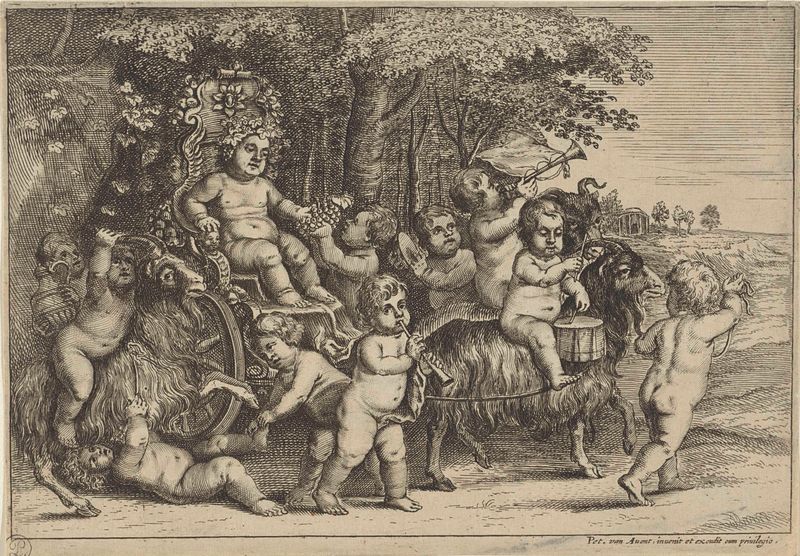
Optocht van bacchant en jongetjes op geiten
Wenceslaus Hollar
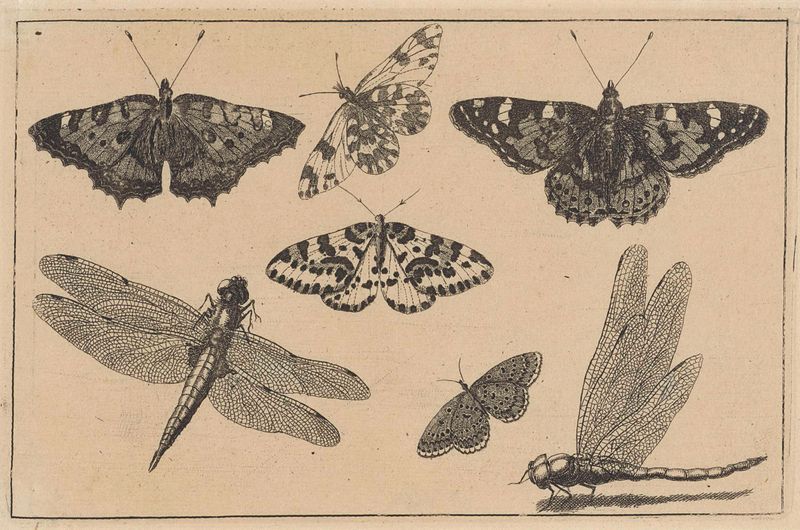
Twee libellen en vijf vlinders
Wenceslaus Hollar
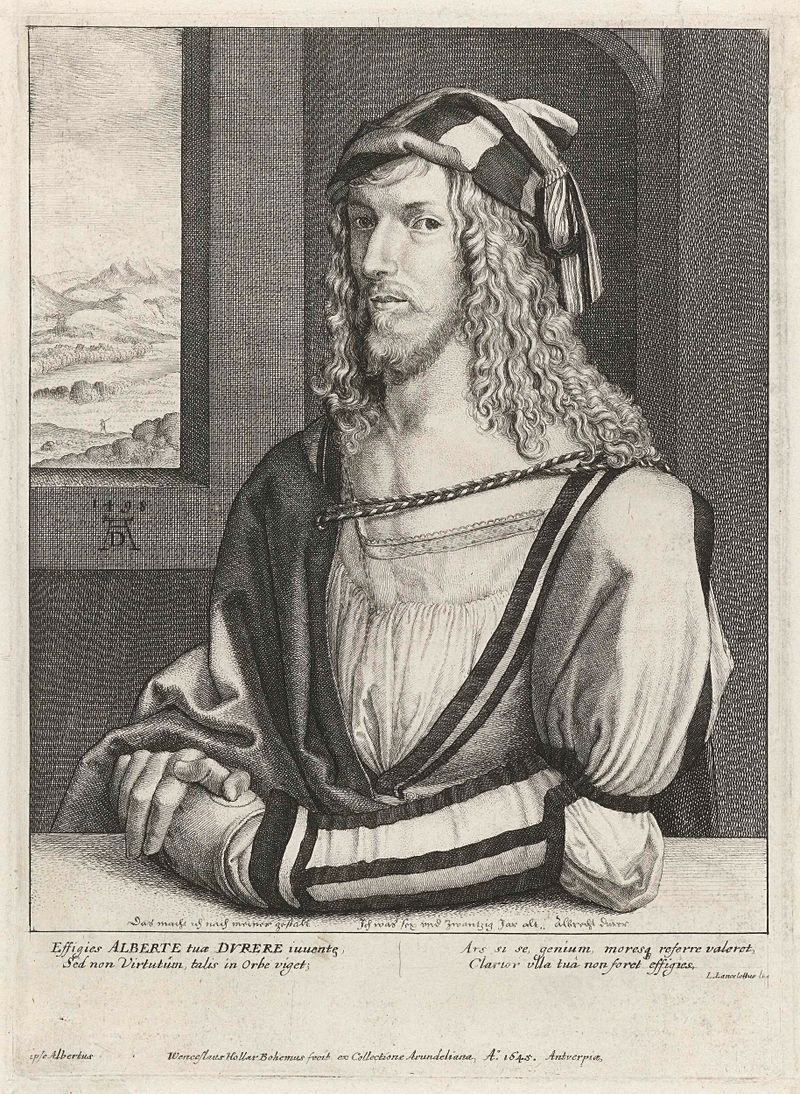
Portret van Albrecht Dürer
Wenceslaus Hollar
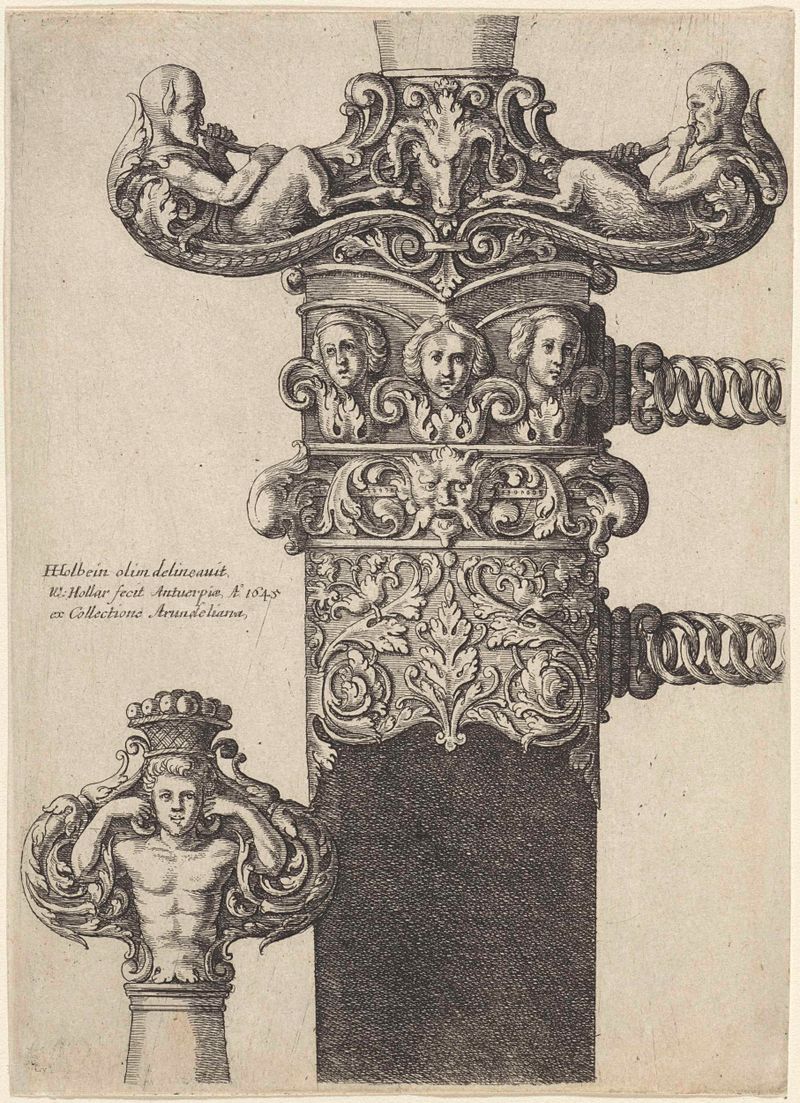
Ornamenteel ontwerp voor een dolk
Wenceslaus Hollar
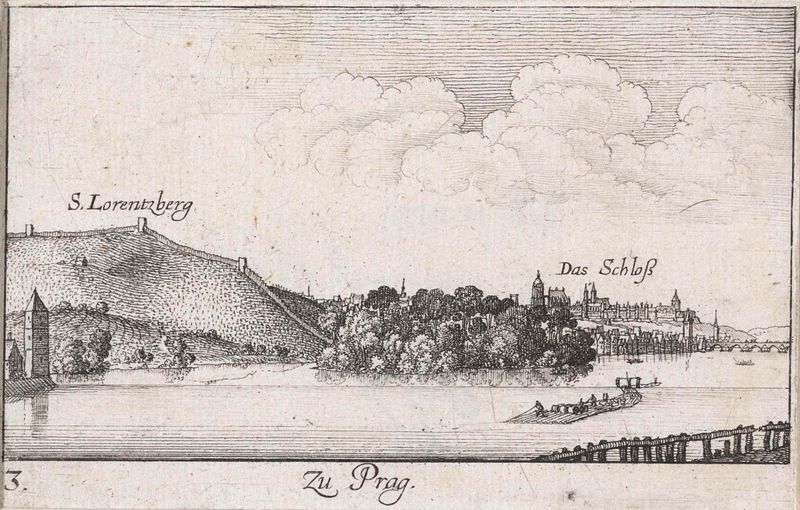
Gezicht op Praag vanaf de Moldau
Wenceslaus Hollar
Mais arte de Retrato
Ver tudo →
Las meninas
Diego Velázquez

Self-portrait with a Bandaged Ear and Pipe
Unidentified artist

Girl with a Pearl Earring
Johannes Vermeer

The Sampling Officials of the Amsterdam Drapers’ Guild, Known as ‘The Syndics’
Rembrandt van Rijn

The Hundred Guilder Print: the man seen on the back in the lower left corner
Rembrandt van Rijn

Portrait of Dr Gachet
Vincent van Gogh