
Mädchen Im Mohn — História e Análise
In an era where innocence often fades beneath the weight of reality, some artists dare to capture its essence, allowing it to bloom in vivid splendor. Through this lens, we encounter a scene of unguarded beauty, a moment suspended in time that speaks to the heart of youth and the fragility of life. Look to the left at the girl, her porcelain skin a luminous contrast against the vibrant red poppies that envelop her. The delicate folds of her dress blend seamlessly with the flowers, as if she is part of this pastoral scene rather than an observer.
Notice how the sunlight filters through the petals, casting a soft, ethereal glow that hints at both joy and longing. Each brushstroke reveals a meticulous attention to detail, creating a harmony between the subject and her surroundings that invites the viewer into her world. Yet, beneath this serene surface lies a poignant tension. The juxtaposition of the girl's innocence with the vibrant yet fleeting nature of the poppies suggests an awareness of impermanence.
Her gaze seems to wander beyond the canvas, hinting at dreams and aspirations that may be stifled by the outside world. This duality is echoed in the play of light and shadow, where the warmth of the sun battles against the encroaching darkness of reality, merging hope with apprehension. In 1892, Theodor Von Hörmann painted this work during a period marked by a growing fascination with nature and the human experience. Living in Vienna, he was influenced by the burgeoning Symbolist movement, which emphasized emotion and the inner psyche.
This backdrop, combined with his interest in folklore and Romantic themes, allowed him to create a piece that resonates with the viewer, transcending time and capturing the essence of fleeting innocence.
Mais obras de Theodor Von Hörmann
Ver tudo →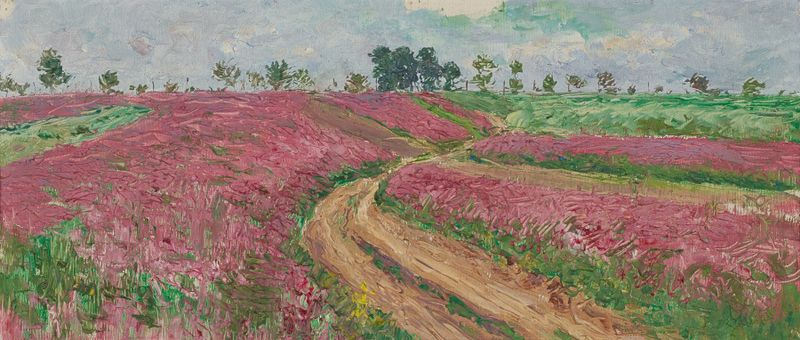
Esparsettenfeld Bei Znaim Ii
Theodor Von Hörmann

Blick Auf Paris
Theodor Von Hörmann

A Watering Place in Kis Bagh
Theodor Von Hörmann

Auf Der Ligethi Puszta
Theodor Von Hörmann
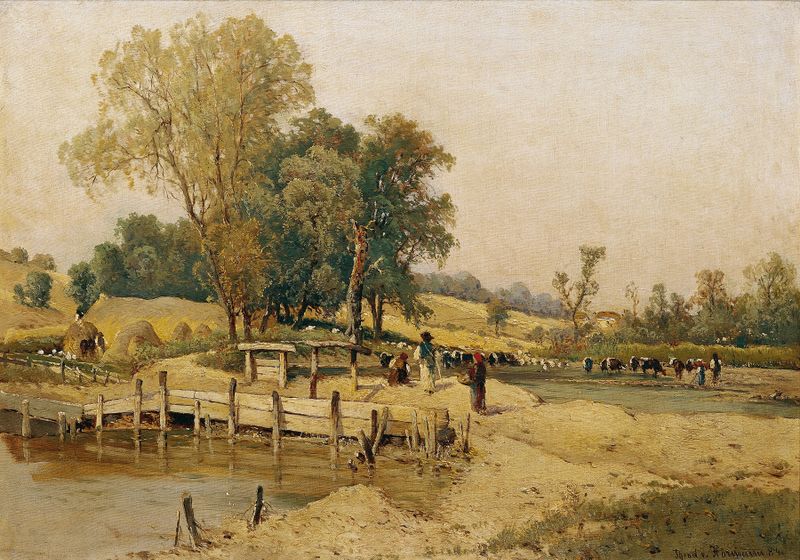
Ungarische Landschaft Mit Viehtränke
Theodor Von Hörmann
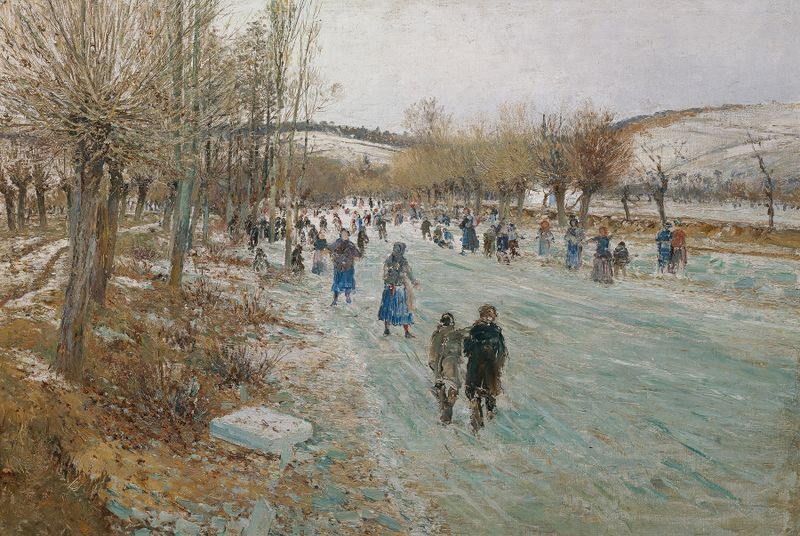
Eisläufer Auf Der Thaya Bei Lundenburg
Theodor Von Hörmann
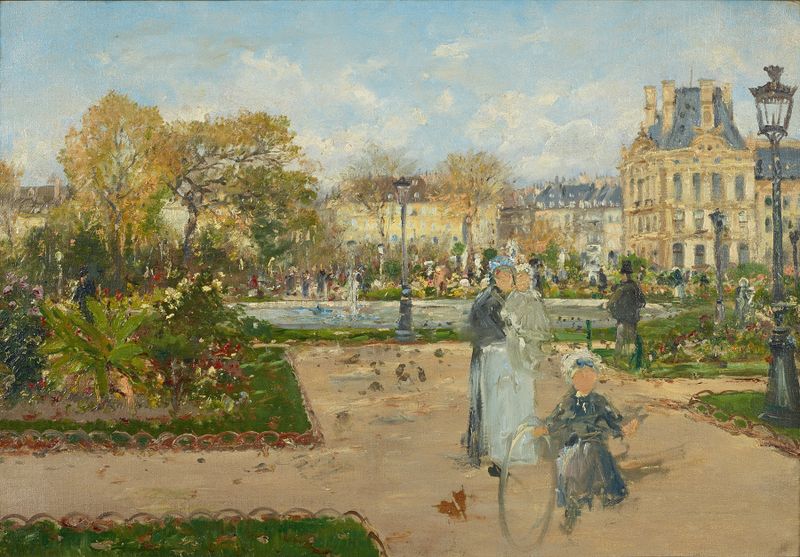
In Den Tuilerien
Theodor Von Hörmann

A Winter Day, Scene near St. Pölten
Theodor Von Hörmann

Znaim Im Schnee Ii
Theodor Von Hörmann
Dorfmotiv von Albeins bei Brixen, Tirol
Theodor Von Hörmann





