
Montmartre; behind the Moulin de la Galette — História e Análise
Can beauty exist without sorrow? In Montmartre; behind the Moulin de la Galette, the vibrant hues and bustling activity of Parisian life evoke both joy and an undercurrent of betrayal. The viewer is drawn into a world where laughter intertwines with whispers of discontent, compelling us to ponder the complexities of existence amid the charm. Look to the left, where a group of figures gathers, their animated gestures capturing a fleeting moment of camaraderie. The interplay of warm yellows and cool blues creates a dynamic contrast, while the brushstrokes pulse with energy, mimicking the vivacity of the scene.
Notice how the dappled sunlight punctuates the canvas, illuminating the faces and the rustic architecture, casting a gentle glow that invites you into this lively bohemian landscape. Yet, the unevenness in the composition hints at an underlying tension, as if the idyllic façade masks deeper emotional truths. Delve into the subtle details; the way shadows loom over some figures while others bask in light signifies the duality of joy and pain. The slight disarray of the scene suggests a community on the brink of change, mirroring the artist’s own tumultuous experiences.
This painting serves as a reflection of the artist's internal struggles, where beauty exists alongside the specter of betrayal, unveiling the fragility of human connection amidst the fleeting joys of life. In 1887, during a period of intense creativity, Van Gogh lived in Paris, surrounded by the vibrant avant-garde community. The artistic climate was charged with innovation, yet he grappled with feelings of isolation and rejection, even as he sought to express his own emotional truth. This piece captures that poignant interplay between the allure of the Parisian nightlife and the artist's inner turmoil, forever immortalizing a moment where beauty and sorrow coexist.
Mais obras de Vincent van Gogh
Ver tudo →
Starry Night
Vincent van Gogh
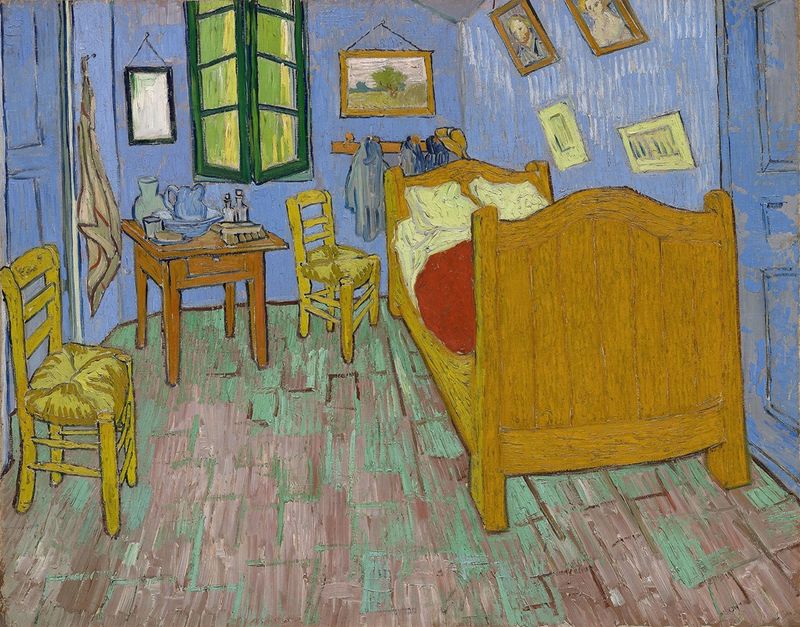
The Bedroom
Vincent van Gogh
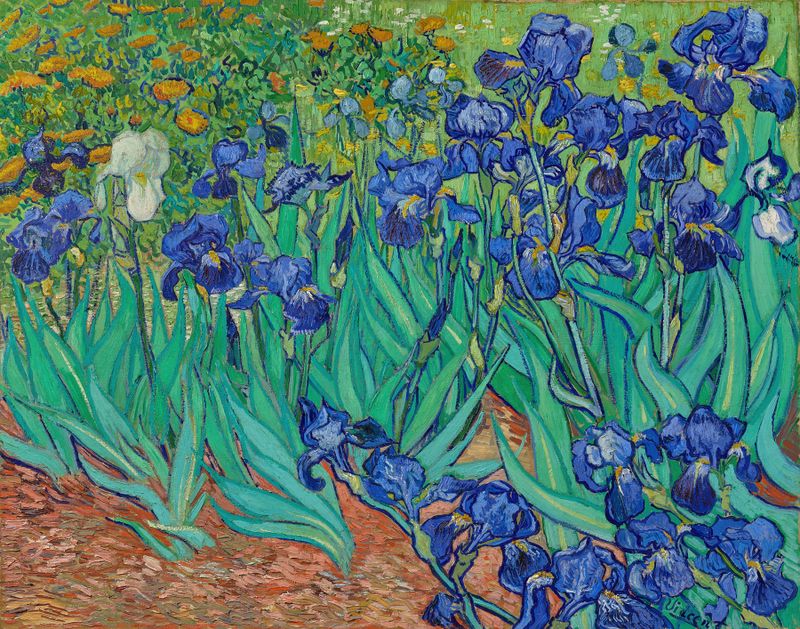
Irises
Vincent van Gogh
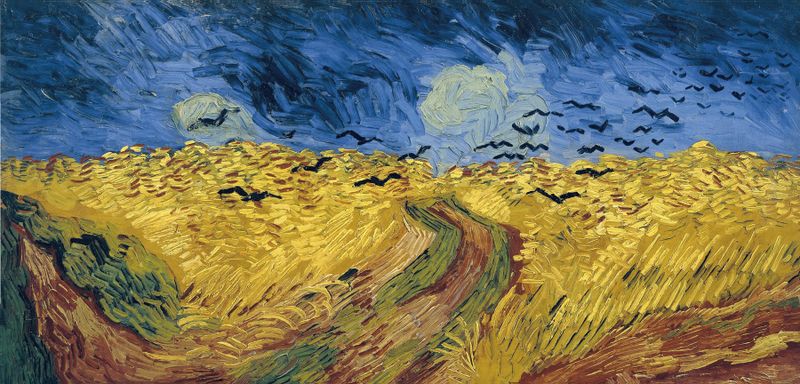
Wheatfield with Crows
Vincent van Gogh
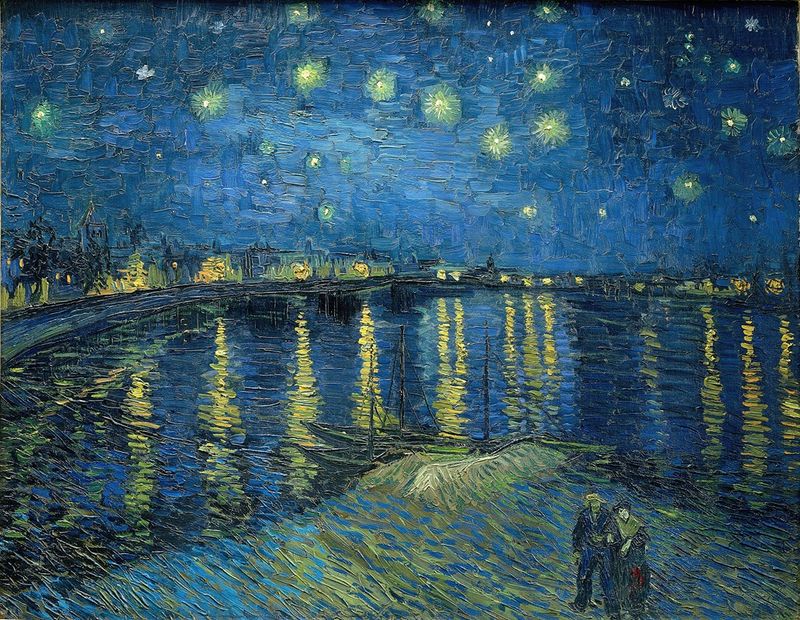
Starry Night over the Rhone
Vincent van Gogh

The yellow house
Vincent van Gogh
Almond tree in blossom
Vincent van Gogh

Portrait of Dr Gachet
Vincent van Gogh

The Church in Auvers-sur-Oise, View from the Chevet
Vincent van Gogh

Self-Portrait
Vincent van Gogh





