Motten, vlinders en een hommel — História e Análise
What if silence could speak through light? In the delicate dance of nature, chaos and harmony intertwine, inviting contemplation on the fragility of existence. Look closely at the composition, where moths, butterflies, and a bumblebee converge in a vibrant celebration of life. The intricate details of each insect, rendered with finesse, draw your attention first to their delicate wings, adorned with patterns that pulsate with color. Notice how the soft, golden light seems to caress their forms, illuminating vibrant hues against a muted background, as if to highlight the ephemeral beauty amid the chaos of nature. As you delve deeper, consider the juxtaposition of life and stillness.
The fluttering insects, caught in a moment of chaos, evoke a sense of urgency that contrasts sharply with the serene, muted background. This tension mirrors the fleeting nature of existence, suggesting that beauty can often be found in moments of turmoil. Each element, meticulously placed, speaks to the complexity of the natural world—delicate yet resilient, chaotic yet structured. In 1646, Hollar produced this work amidst a flourishing baroque period in Europe, characterized by detailed realism and rich narratives.
Living in a time marked by political turmoil and social change, he captured the essence of life in this still-life piece, reflecting both personal and collective struggles. His dedication to the natural world and its vulnerabilities speaks to a broader artistic movement that sought to encapsulate the intricate beauty of life’s transient moments.
Mais obras de Wenceslaus Hollar
Ver tudo →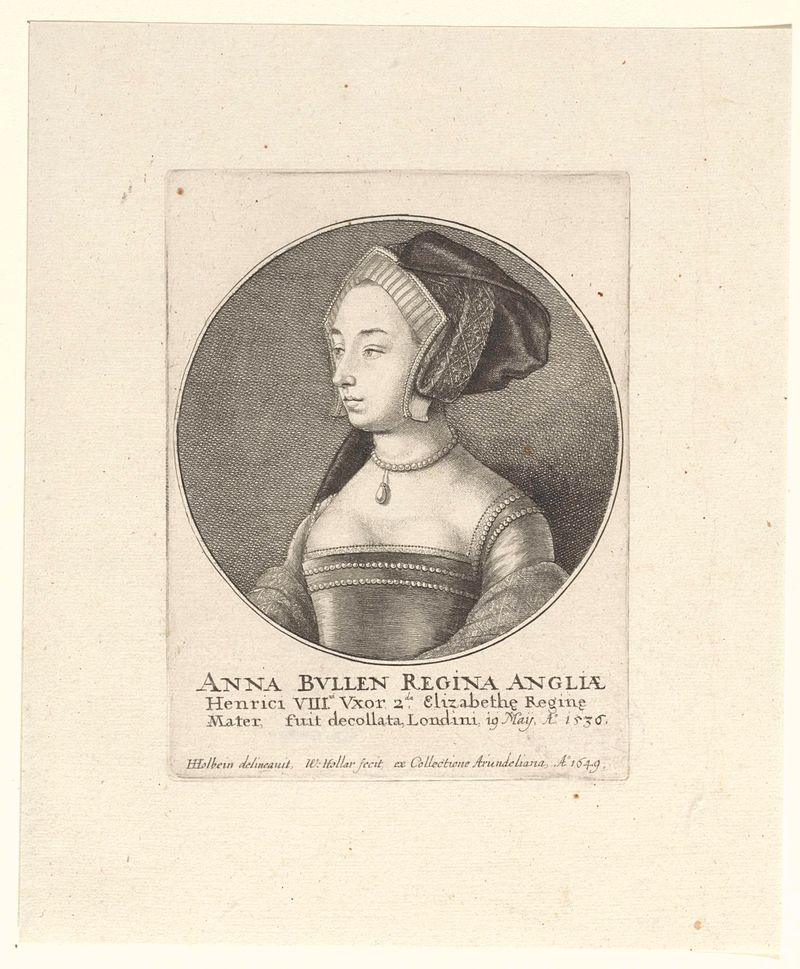
Portret van Anna Boleyn, koningin van Engeland
Wenceslaus Hollar
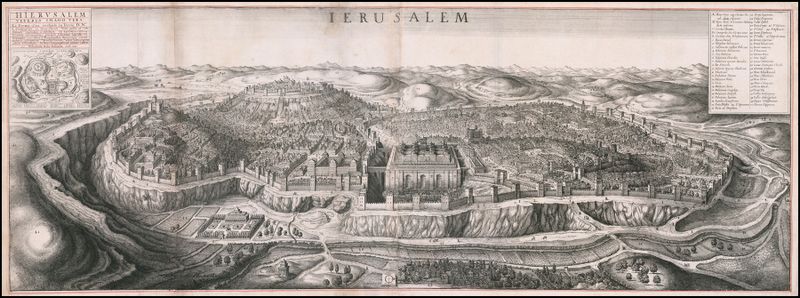
Bird’s eye view of Jerusalem
Wenceslaus Hollar
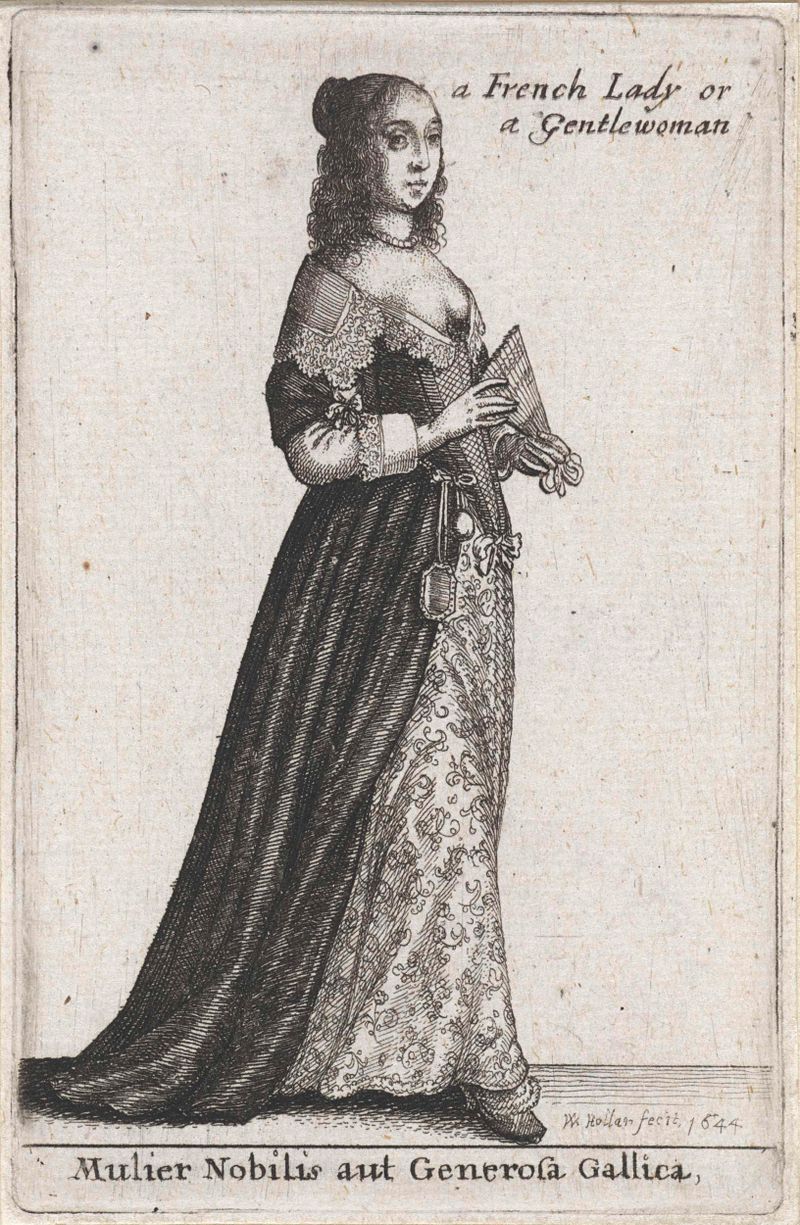
Mulier Nobilis aut Generosa Gallica / a French Lady or Gentlewoman
Wenceslaus Hollar
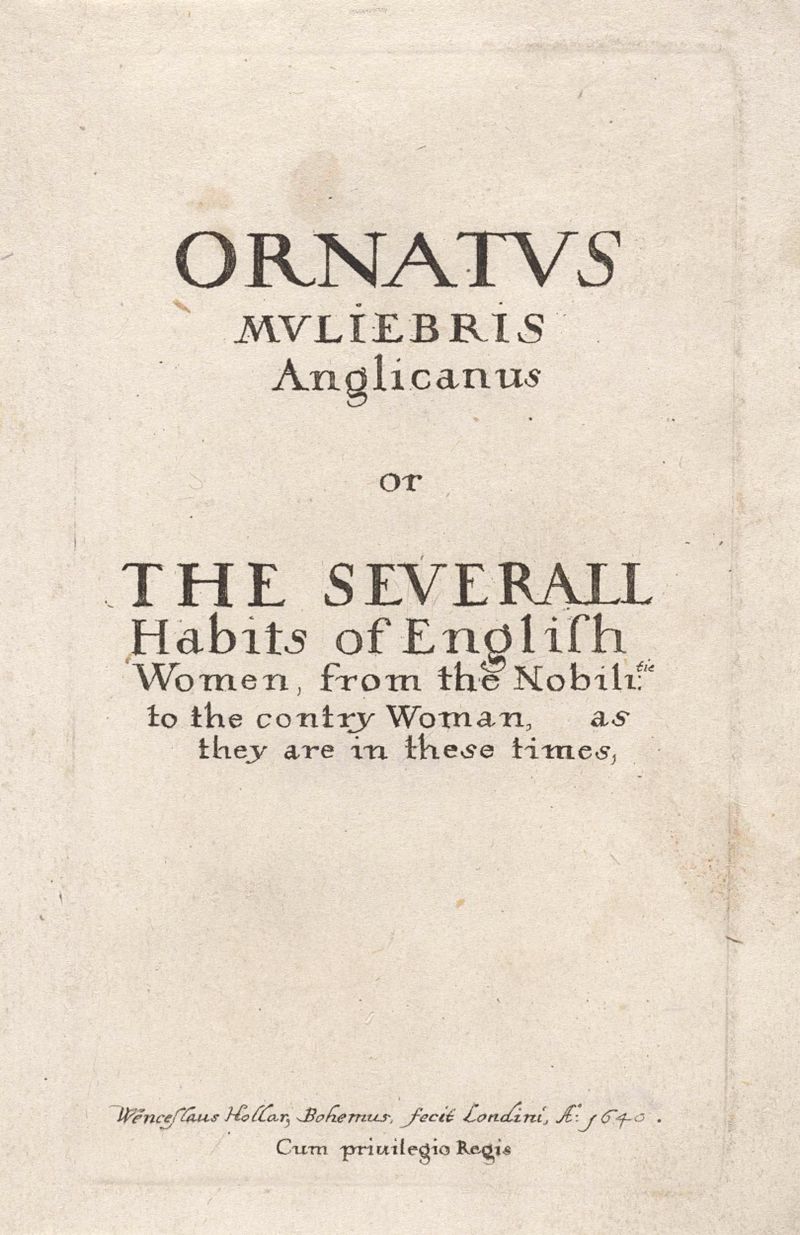
Titelprent voor: Ornatus Muliebris Anglicanus
Wenceslaus Hollar
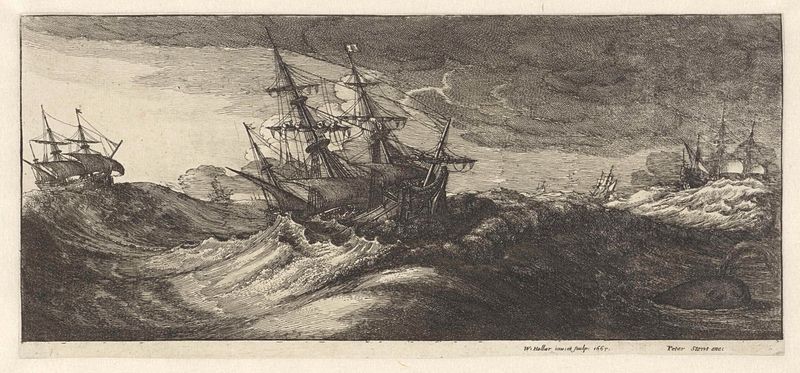
Oorlogsschepen en een walvis in een zeestorm
Wenceslaus Hollar
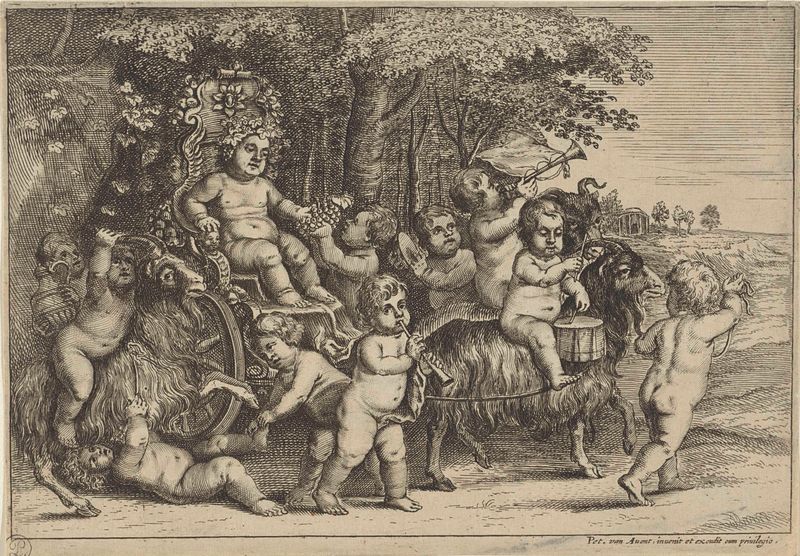
Optocht van bacchant en jongetjes op geiten
Wenceslaus Hollar
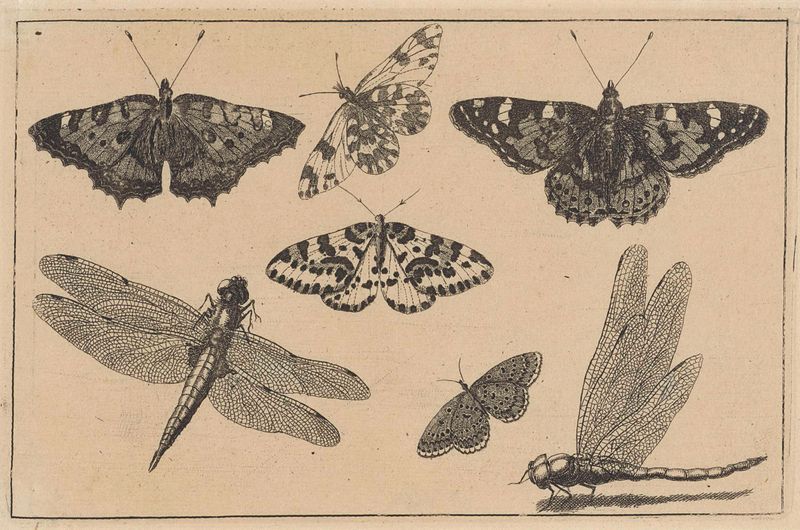
Twee libellen en vijf vlinders
Wenceslaus Hollar
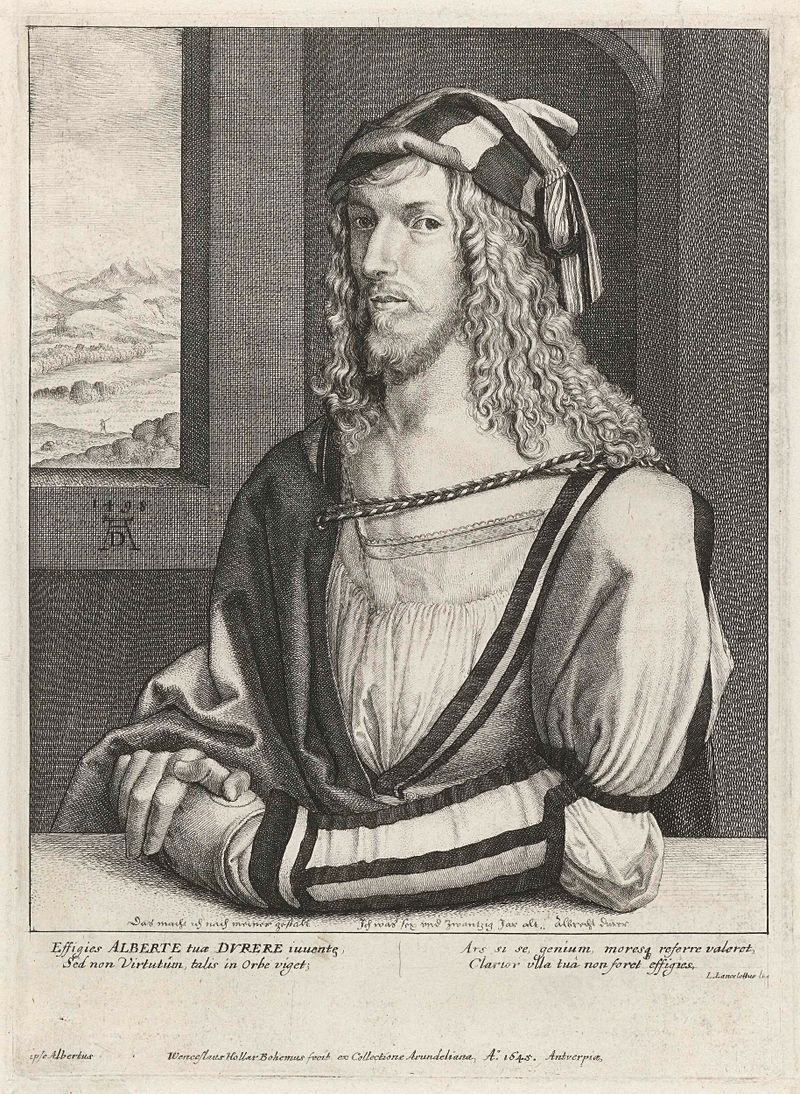
Portret van Albrecht Dürer
Wenceslaus Hollar
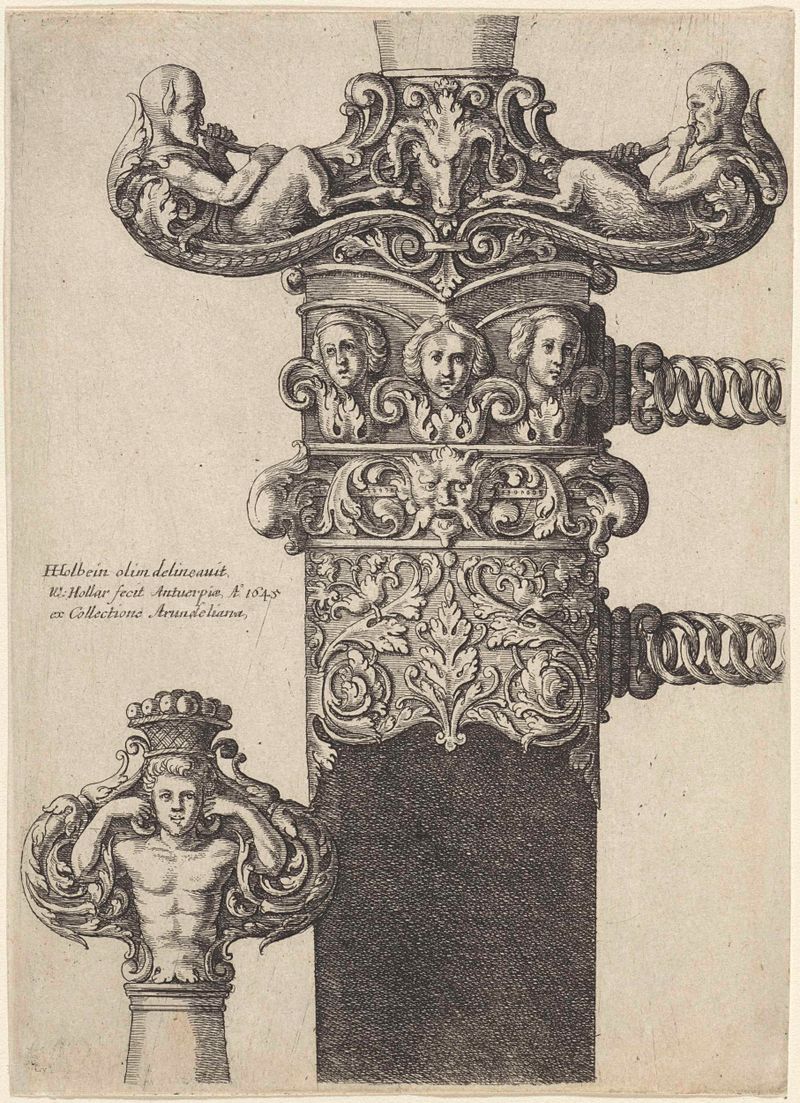
Ornamenteel ontwerp voor een dolk
Wenceslaus Hollar
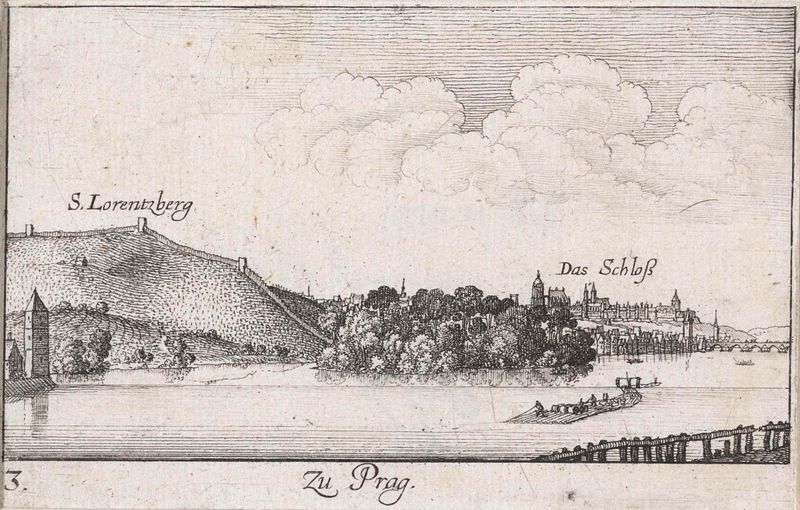
Gezicht op Praag vanaf de Moldau
Wenceslaus Hollar