
Place du Carrousel — História e Análise
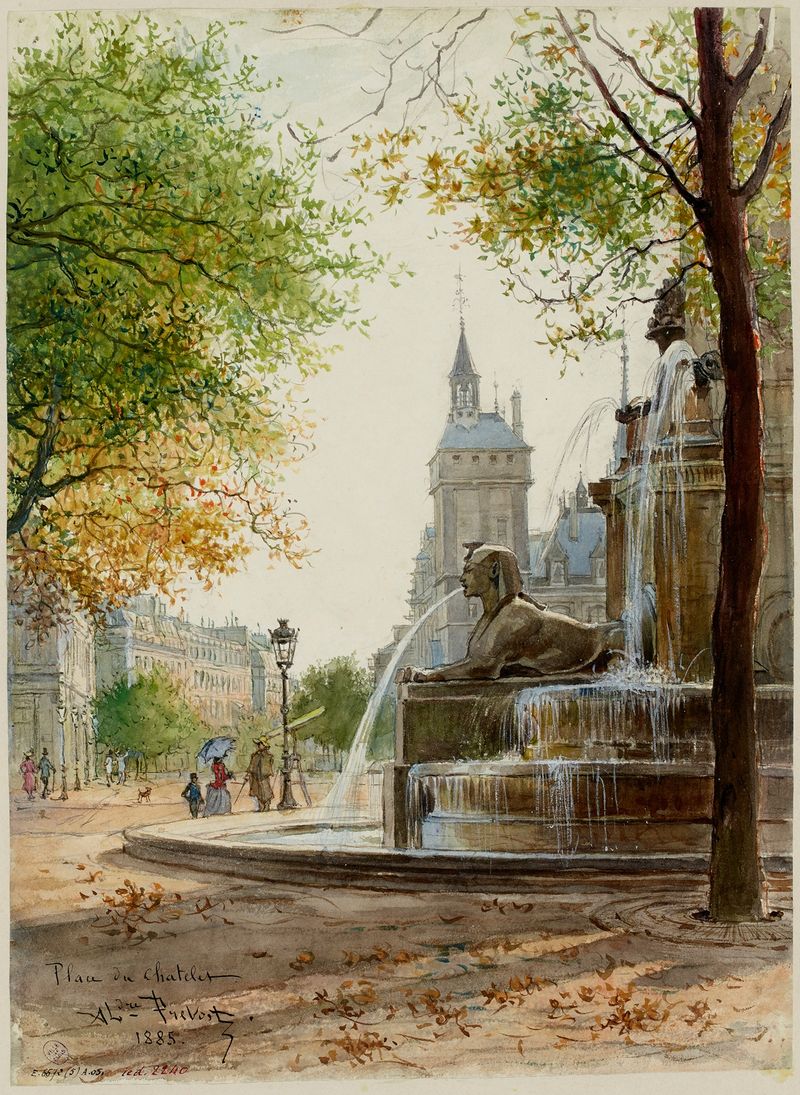
Can paint confess what words never could? In Place du Carrousel, the canvas breathes life into an intricate moment, capturing the delicate balance of human experience amidst an urban landscape. Focus on the center, where figures of varying stature create a rhythmic dance against the architectural backdrop. The gentle interplay of light and shadow highlights the textures of their clothing, emphasizing the distinction between each character's individuality. Notice how the muted palette of earthy tones is interrupted by glimpses of vibrant color—this contrast draws your eye around the composition, inviting you to explore the narrative embedded in the scene. Life and art converge in this piece, reflecting the tension between public and private worlds.
In the distance, the looming grandeur of the Louvre hints at historical weight, while the figures in the foreground engage in their own unspoken dialogues. Each gesture, whether a tilt of the head or a shift of weight, suggests stories untold, secrets carried in silence. The balance of these elements evokes a sense of harmony and disarray, embodying the complexities of existence itself. In 1885, Alexandre Prévost painted Place du Carrousel while immersed in the artistic movements of Paris.
It was a time when Impressionism was reshaping the boundaries of representation, and artists sought to capture fleeting moments of beauty. Amidst this vibrant backdrop, Prévost carved out his own space, blending traditional techniques with a modern sensibility that echoes through his work today.
Mais obras de Alexandre Prévost
Ver tudo →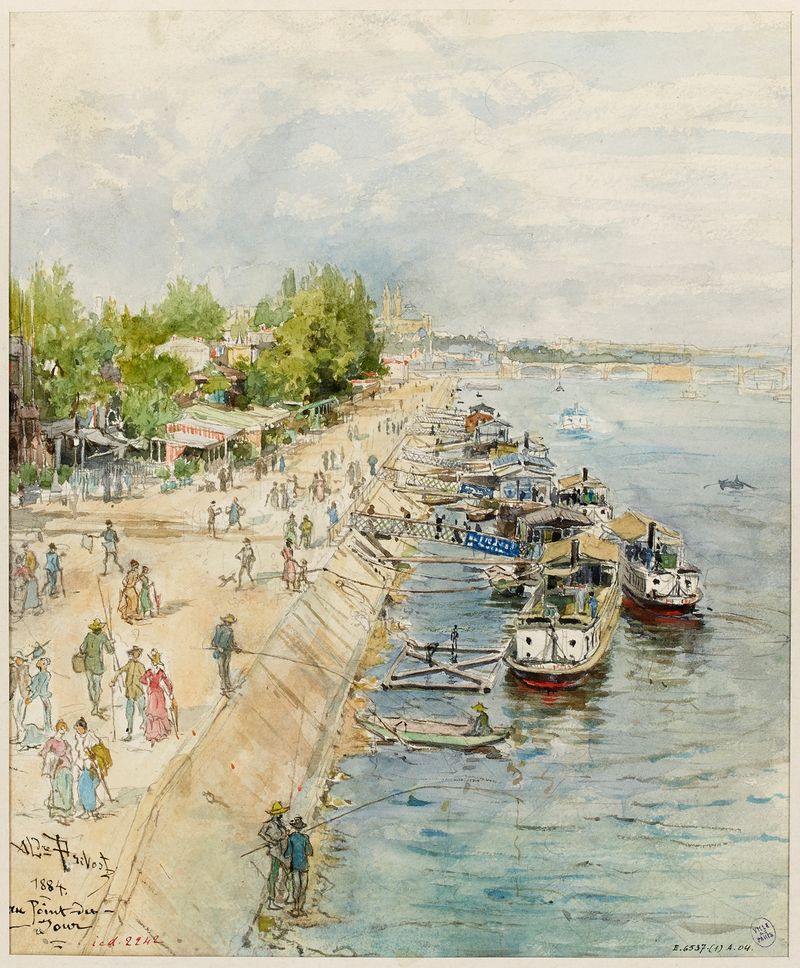
Embarcadère au Point du Jour
Alexandre Prévost
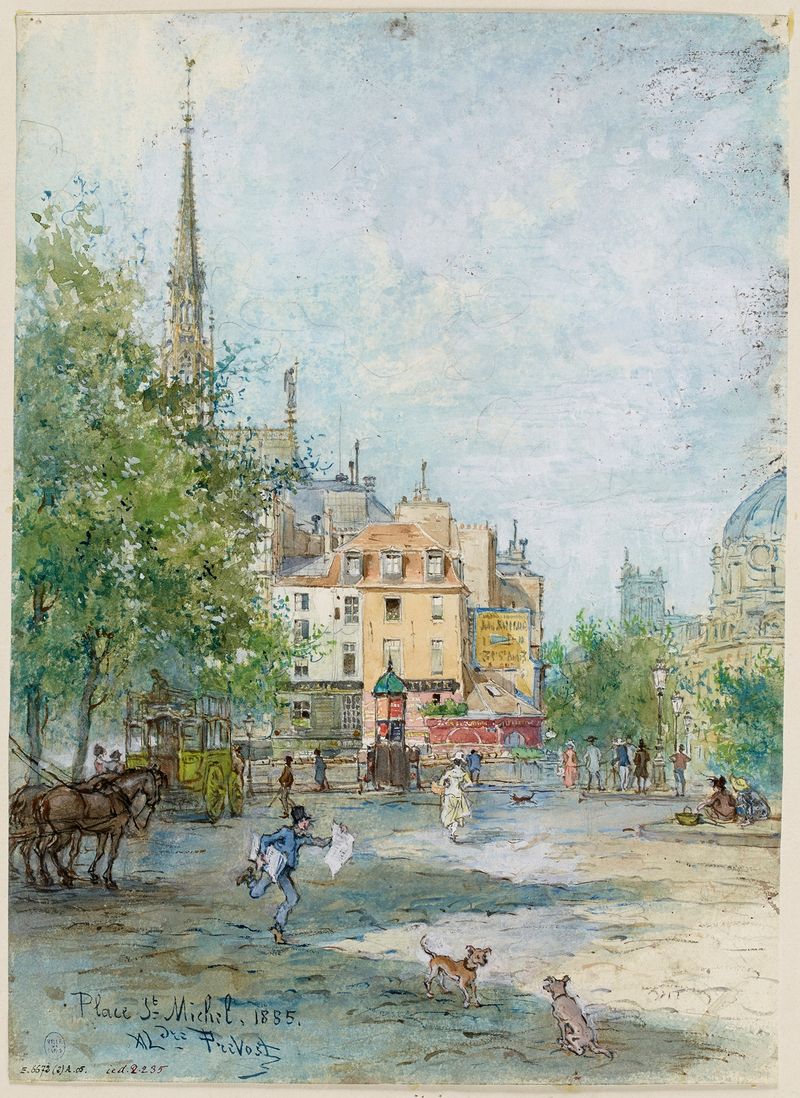
La place Saint Michel
Alexandre Prévost

Bains Henri IV
Alexandre Prévost
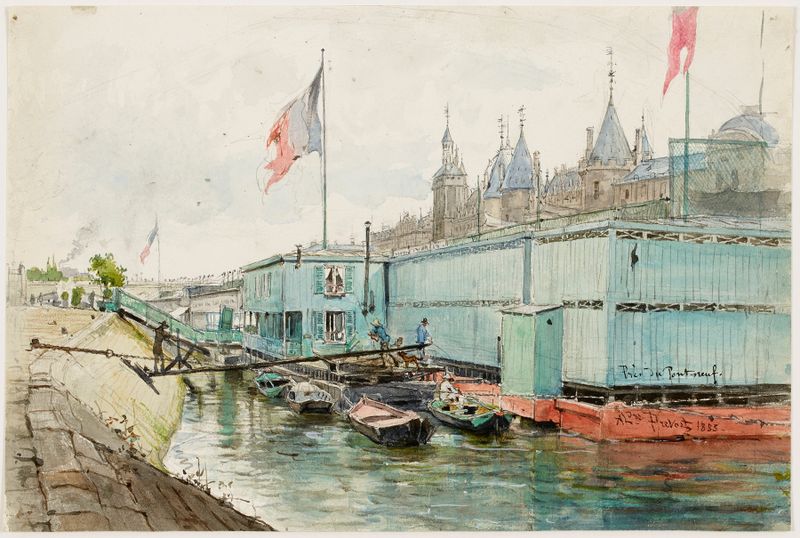
Bains froids au dessous du Pont Neuf
Alexandre Prévost

Square du Vert Galant
Alexandre Prévost
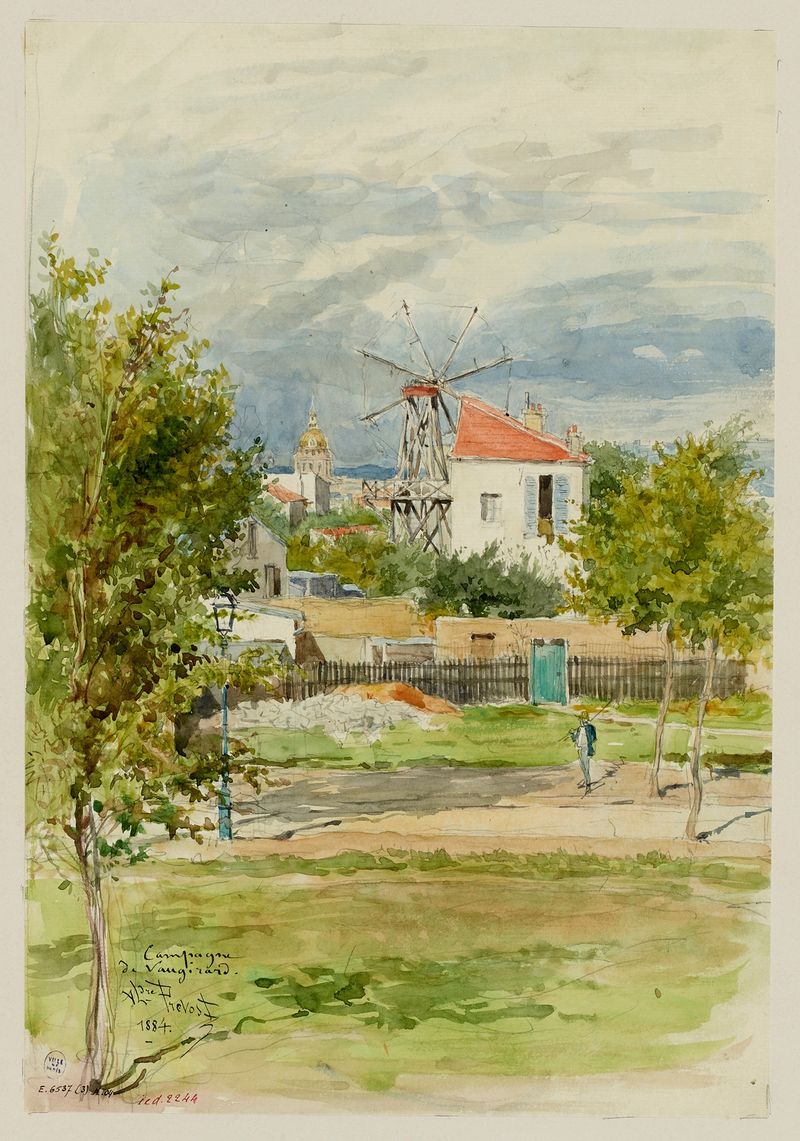
Campagne de Vaugirard
Alexandre Prévost

Le rocher au jardin du Trocadéro
Alexandre Prévost
Fontaine du Châtelet
Alexandre Prévost

Fontaine du Trocadéro
Alexandre Prévost





