
Ploughman — História e Análise
The essence of longing permeates through the canvas, inviting the viewer to discover the unspoken emotions hidden beneath the surface. It is a sentiment that lingers, echoing in the spaces between brushstrokes and hues. Look to the left, where a robust figure stands poised with a plough in hand, bodily muscles taut with effort against a softly blended background of muted earth tones. Notice how the light dances across the contours of the figure, illuminating the determination etched on his face, while shadows play coyly along the edges, suggesting the weight of untold stories.
The palette is characterized by rich browns and ochres, grounding the scene in a sense of raw, earthy reality. The composition draws the eye towards the central figure, establishing a palpable connection between the laborer and the landscape he inhabits. Delve deeper, and one can sense the tension between toil and tranquility. The ploughman’s stance speaks of resilience, yet his eyes reflect a yearning for something beyond the fields—perhaps a life not defined solely by labor.
The contrast between the ruggedness of his existence and the serenity of the surrounding environment evokes a bittersweet narrative, a longing for freedom amidst duty. Each element, from the lines of the plough to the expansive horizon, encapsulates a silent dialogue of aspiration and restraint. In the years between 1930 and 1935, the artist worked during a time of great upheaval across Europe, marked by economic struggle and shifting cultural landscapes. Living in Czechoslovakia, Weisz-Kubínčan was influenced by his surroundings as he navigated his own artistic path.
This work reflects a moment of introspection, grounding itself in the realities of labor while hinting at the deeper desires within the human spirit.
Mais obras de Arnold Peter Weisz-Kubínčan
Ver tudo →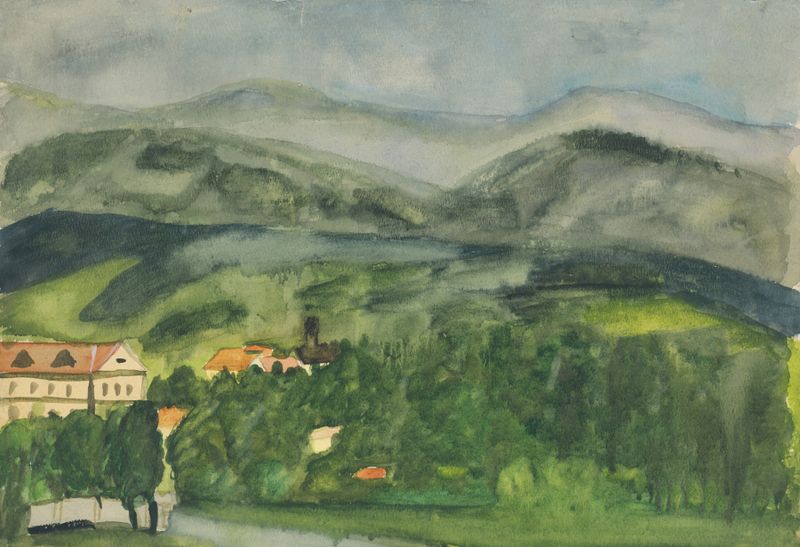
Landscape with houses
Arnold Peter Weisz-Kubínčan
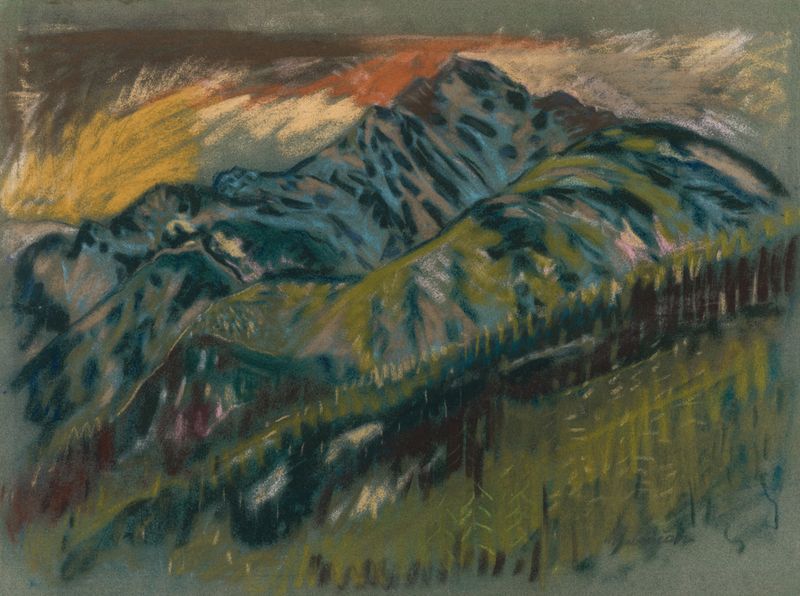
The Roháče Mountains
Arnold Peter Weisz-Kubínčan
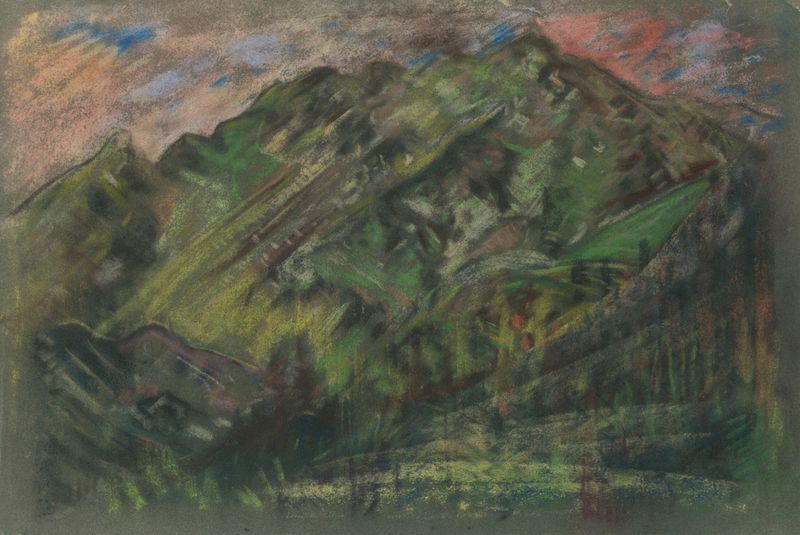
Motif from the High Tatras
Arnold Peter Weisz-Kubínčan

A man from Orava on a horse
Arnold Peter Weisz-Kubínčan

Motif from Dolný Kubín
Arnold Peter Weisz-Kubínčan
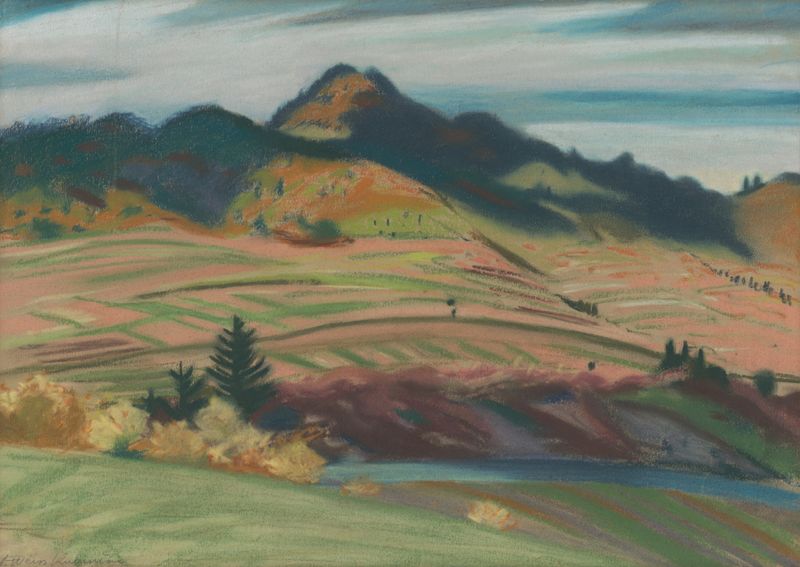
Thorns
Arnold Peter Weisz-Kubínčan

Sad man in the village
Arnold Peter Weisz-Kubínčan
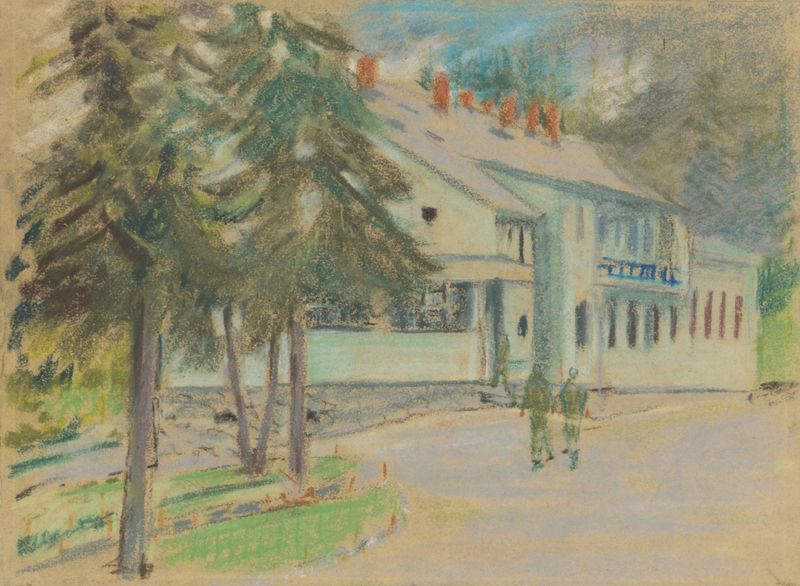
Barracks
Arnold Peter Weisz-Kubínčan

Sunset in the Mountains
Arnold Peter Weisz-Kubínčan

Lonely House
Arnold Peter Weisz-Kubínčan





