
Portret van Maria Tudor, koningin van Engeland — História e Análise
Where does light end, and longing begin? In the delicate lines and soft hues of Portret van Maria Tudor, koningin van Engeland, memory intertwines with the visual echoes of history, inviting us to peer into the soul of a queen. Look closely at the graceful curve of her jaw and the subtle arch of her brow. Notice how the light gently cascades down her cheek, illuminating the richness of the fabric draping her shoulders. The artist employs a muted palette, with warm golds and rich browns, highlighting her serene expression against a darker background that seems to dissolve into shadows.
Such contrast reveals both her regal stature and the weight of her solitary existence. The delicate embroidery on her gown hints at opulence but also a sense of entrapment, emblematic of the tension between power and vulnerability. Her gaze, both proud and pensive, invites speculation about her internal struggles—perhaps a longing for love, acceptance, or the legacy she would leave behind. Each stroke of Hollar's skilled hand captures not just her likeness but the complex tapestry of emotion woven into her reign. In 1647, Wenceslaus Hollar worked in England, having fled his native Prague during the Thirty Years' War.
This period was marked by upheaval and transformation in the art world, where portraiture began to shift toward more intimate and psychological representations. Hollar’s meticulous attention to detail in this portrait reflects his desire to encapsulate not only the physical likeness of Mary Tudor but also the profound essence of her character amidst a tumultuous historical backdrop.
Mais obras de Wenceslaus Hollar
Ver tudo →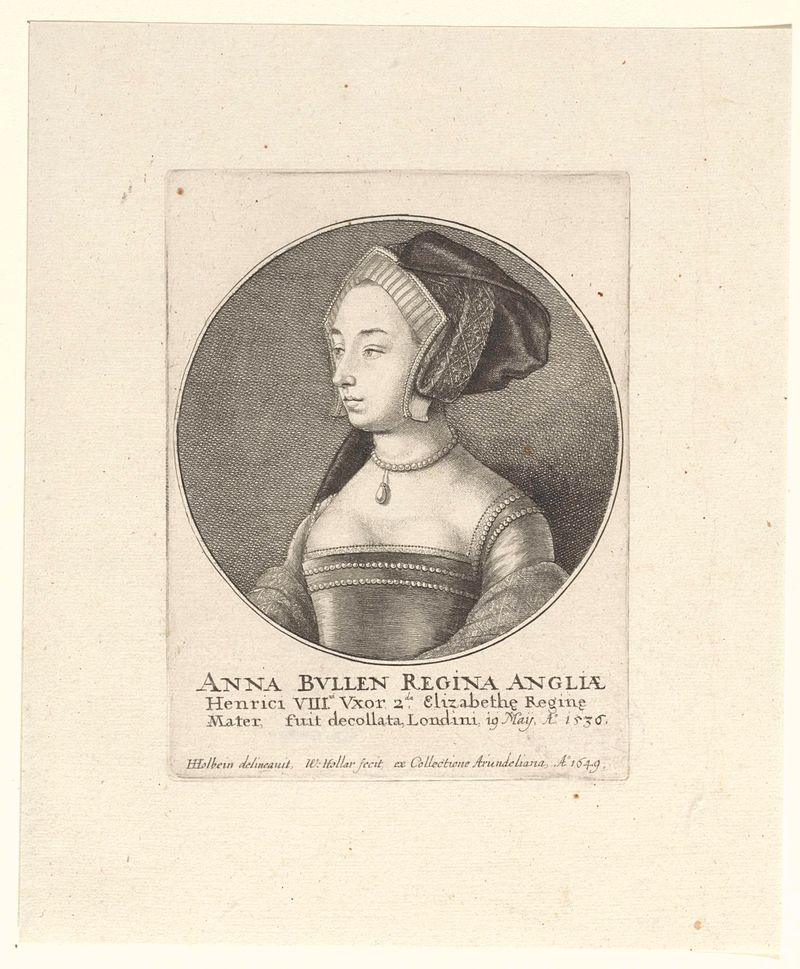
Portret van Anna Boleyn, koningin van Engeland
Wenceslaus Hollar
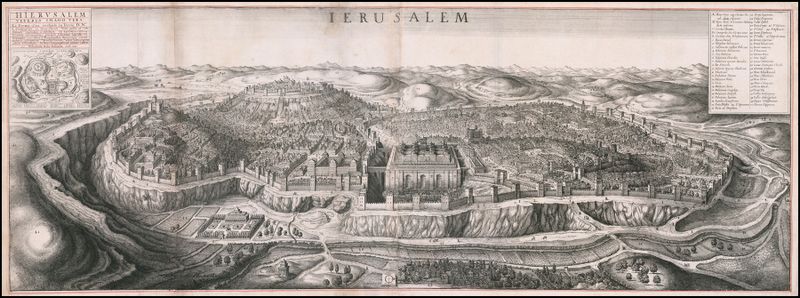
Bird’s eye view of Jerusalem
Wenceslaus Hollar
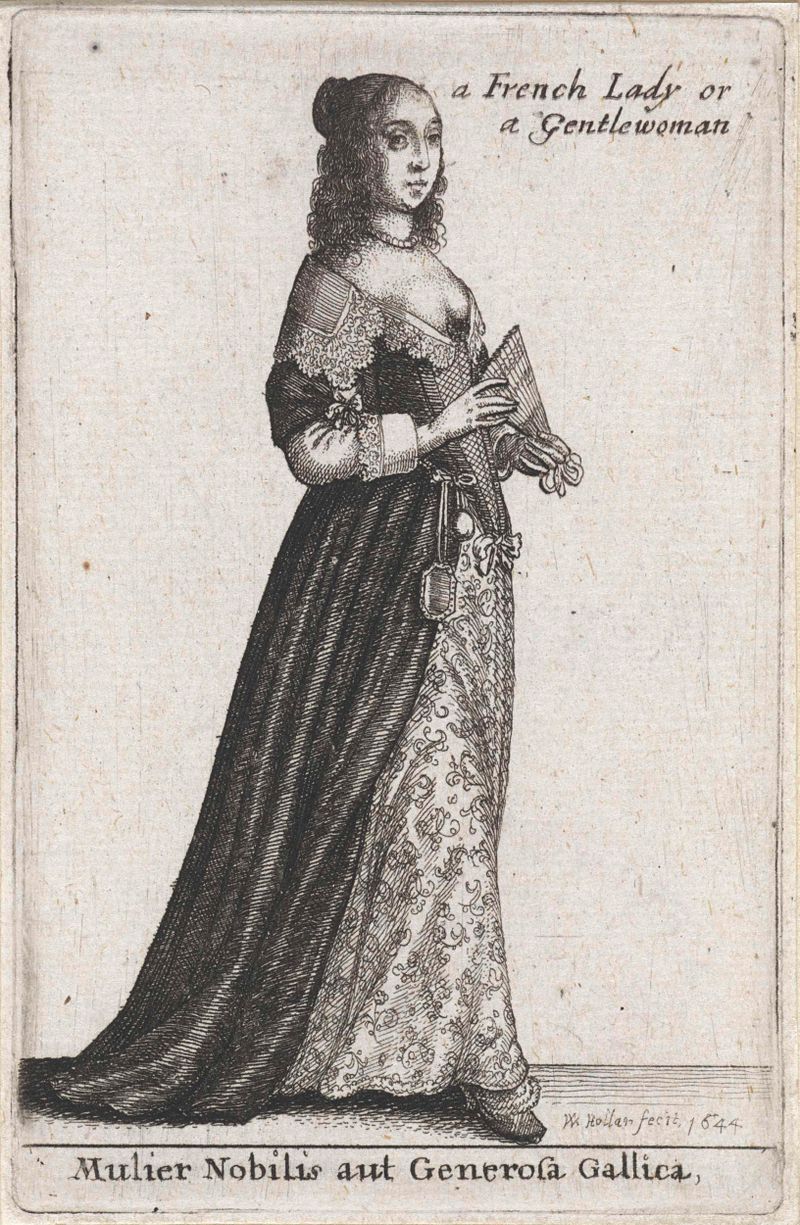
Mulier Nobilis aut Generosa Gallica / a French Lady or Gentlewoman
Wenceslaus Hollar
Titelprent voor: Ornatus Muliebris Anglicanus
Wenceslaus Hollar
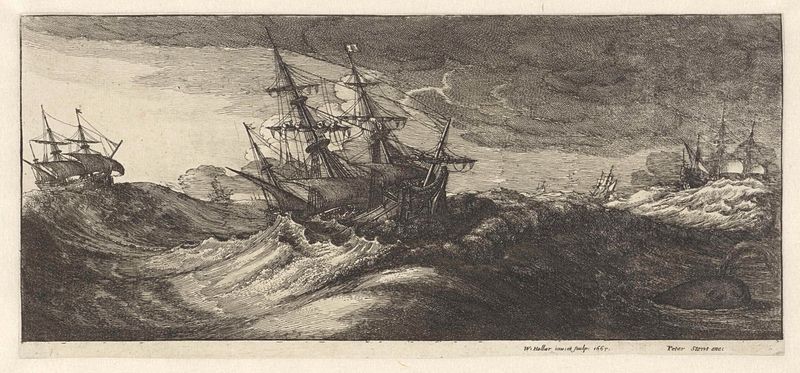
Oorlogsschepen en een walvis in een zeestorm
Wenceslaus Hollar
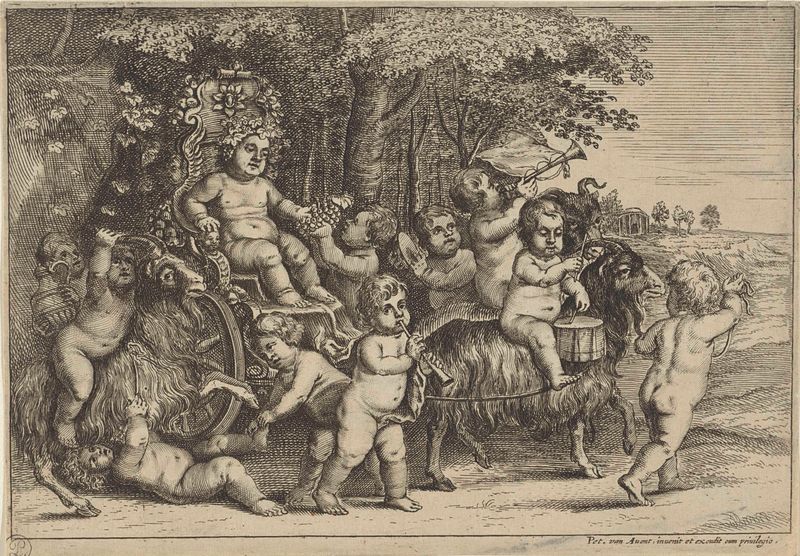
Optocht van bacchant en jongetjes op geiten
Wenceslaus Hollar
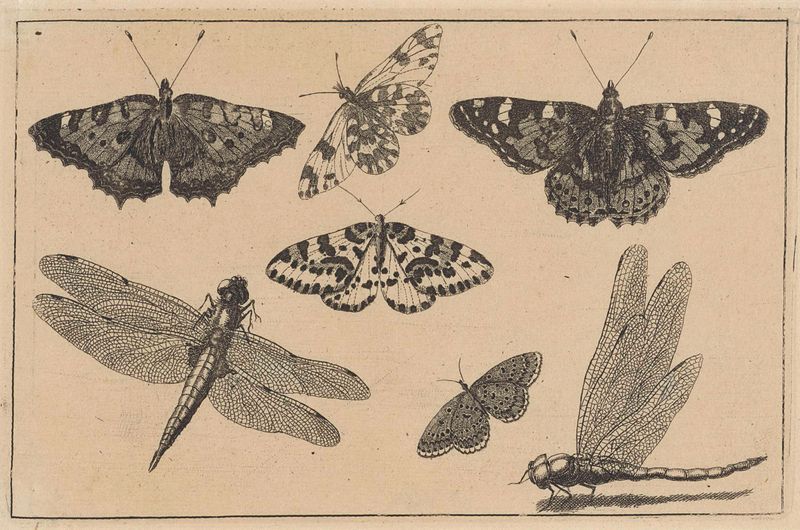
Twee libellen en vijf vlinders
Wenceslaus Hollar
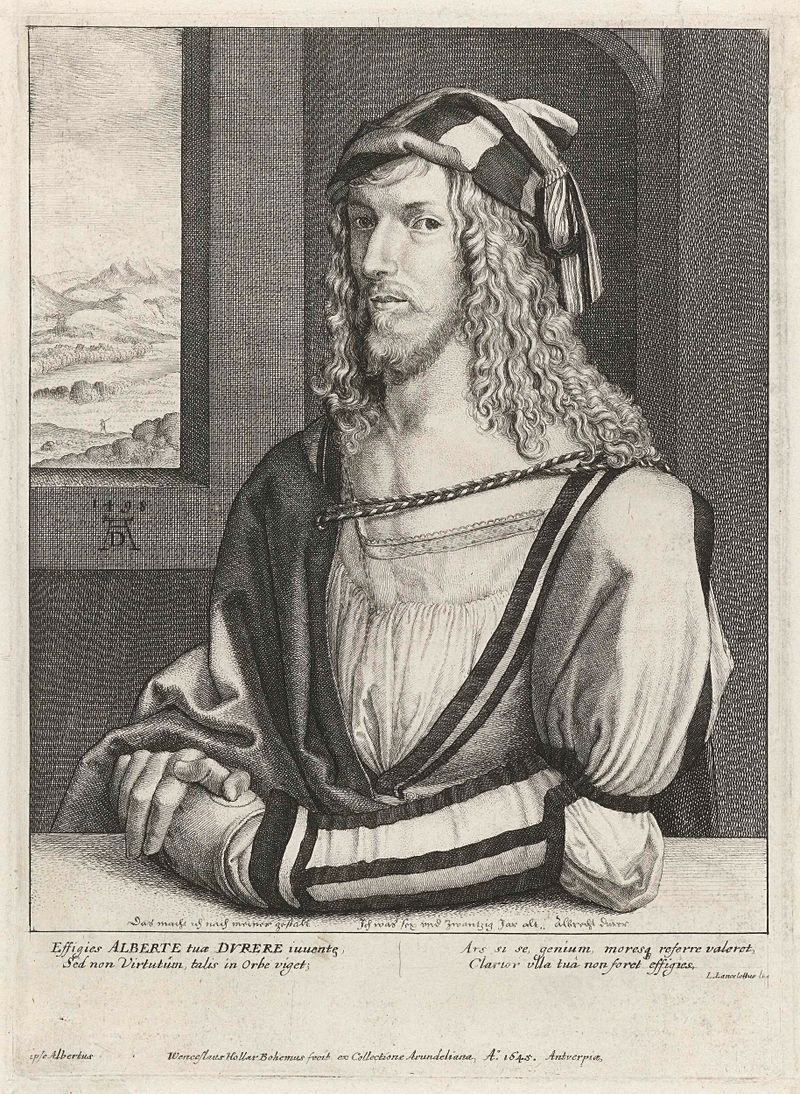
Portret van Albrecht Dürer
Wenceslaus Hollar
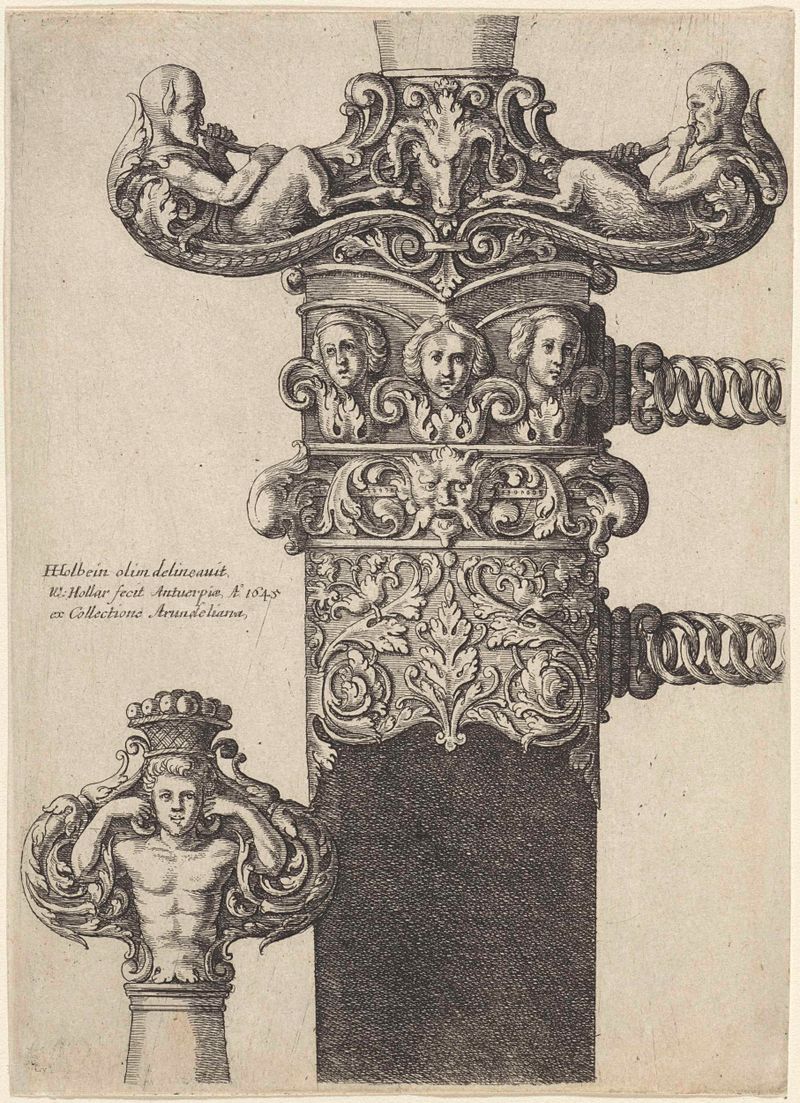
Ornamenteel ontwerp voor een dolk
Wenceslaus Hollar
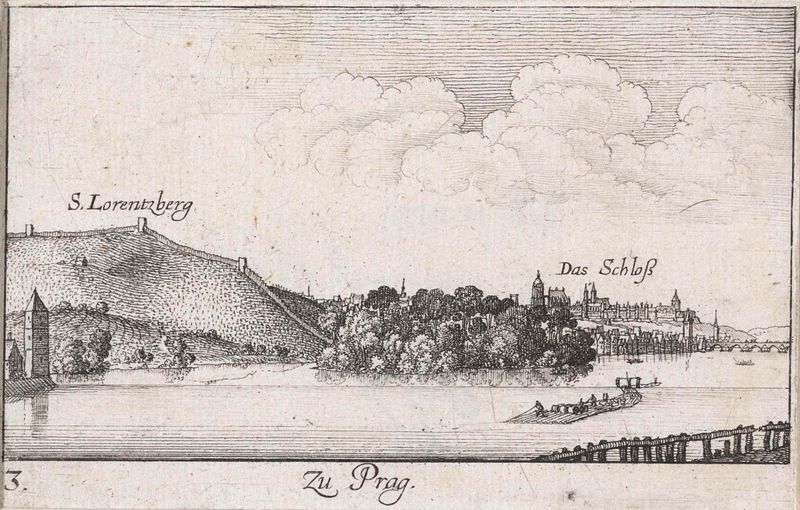
Gezicht op Praag vanaf de Moldau
Wenceslaus Hollar
Mais arte de Retrato
Ver tudo →
Las meninas
Diego Velázquez

Self-portrait with a Bandaged Ear and Pipe
Unidentified artist

Girl with a Pearl Earring
Johannes Vermeer

The Sampling Officials of the Amsterdam Drapers’ Guild, Known as ‘The Syndics’
Rembrandt van Rijn

The Hundred Guilder Print: the man seen on the back in the lower left corner
Rembrandt van Rijn

Portrait of Dr Gachet
Vincent van Gogh