
Presentatie van Maria in de tempel — História e Análise
When did color learn to lie? The vibrant hues of Presentatie van Maria in de tempel breathe life into an ancient story, yet they whisper secrets beneath their brilliant surface. The silence conveyed through the meticulous brushwork and serene expressions invites viewers to ponder the deeper truths of faith and innocence. Look to the center of the composition, where the young Mary, draped in a cascade of blues and reds, stands poised as she is presented to the temple. Her delicate features are bathed in a soft light that echoes the purity of her spirit, drawing your gaze immediately toward her.
Notice how the surrounding figures, adorned in richly colored garments, create a contrasting atmosphere, their muted expressions reflecting a mixture of reverence and curiosity. The architectural elements frame the scene beautifully, guiding the eye upwards, suggesting the divine presence underpinning this moment. The emotional tension lies in the juxtaposition of the youthful innocence of Mary and the solemnity of the temple's environment. The figures’ drawn-back gazes seem to encapsulate a collective anticipation and awe, while the intricate details of their garments speak to social hierarchies.
Each fold and shadow captures the weight of tradition, contrasting with the lightness of Mary, symbolizing hope and new beginnings. The silence in the scene resonates, suggesting that this profound moment is laden with unspoken expectations and a sacred journey yet to unfold. Created between 1501 and 1505, this work emerged during a time of profound transformation in art, as Northern European painters began to explore humanism and expressiveness more deeply. Albrecht Dürer, known for his mastery of detail and innovative techniques, was navigating the realms of both the sacred and the secular.
His works began to reflect complex emotional narratives, influenced by the evolving cultural landscape of the Renaissance, marking a pivotal moment in art history.
Mais obras de Albrecht Dürer
Ver tudo →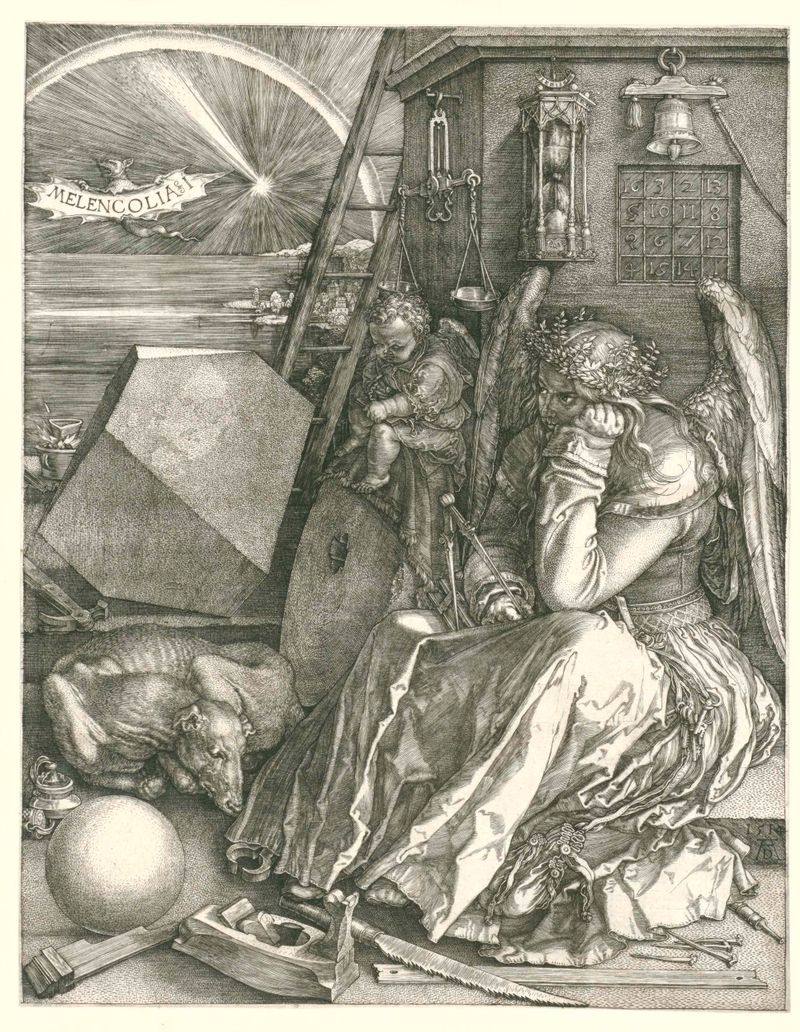
Melancholia
Albrecht Dürer
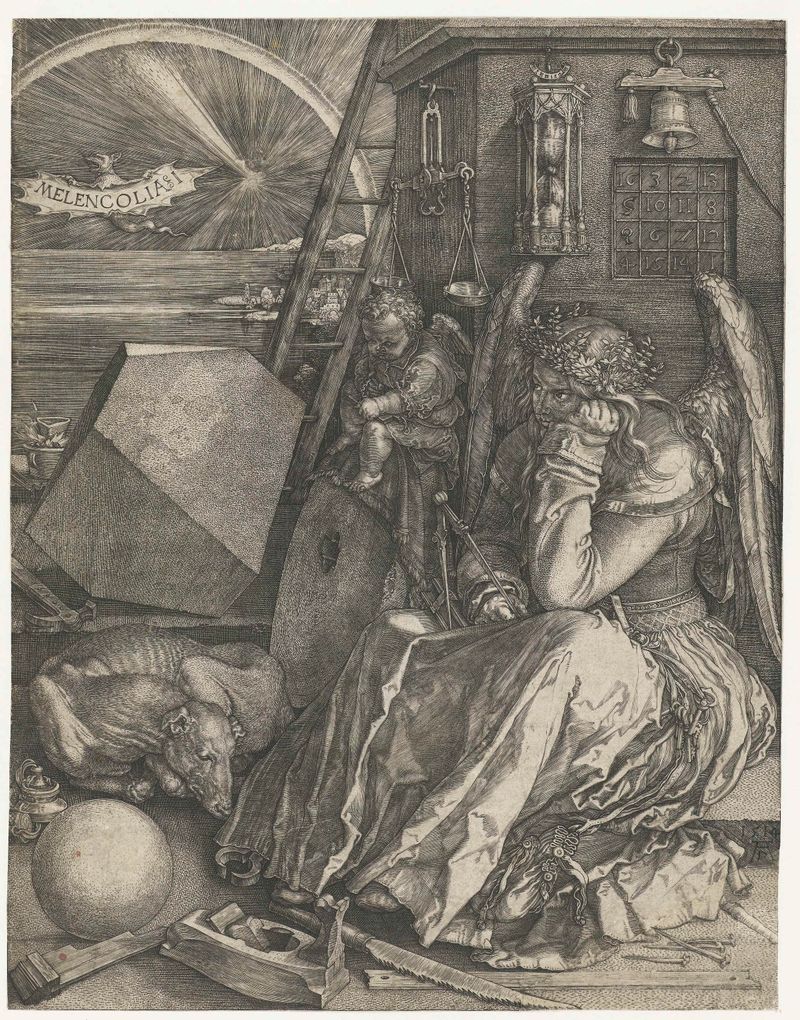
Melancholie
Albrecht Dürer

Neushoorn
Albrecht Dürer
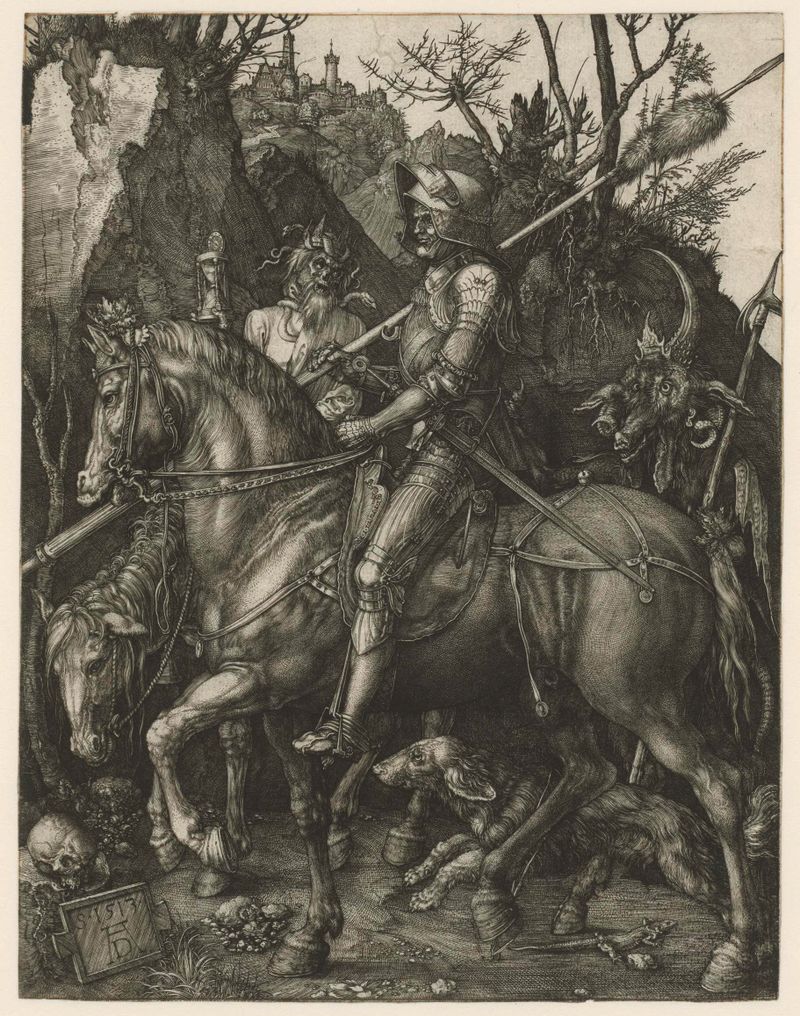
Knight, Death, and the Devil
Albrecht Dürer

De vier ruiters van de apocalyps
Albrecht Dürer

De vier ruiters van de apocalyps
Albrecht Dürer
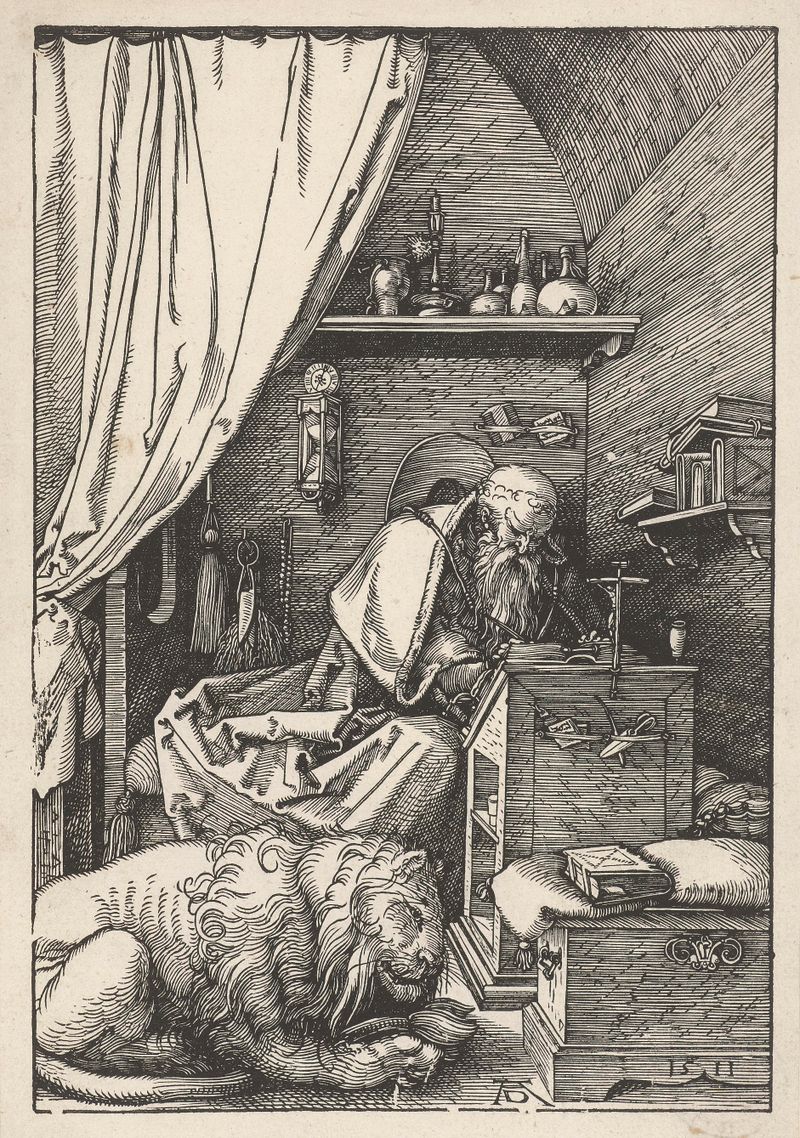
De Heilige Hiëronymus in zijn studeervertrek
Albrecht Dürer
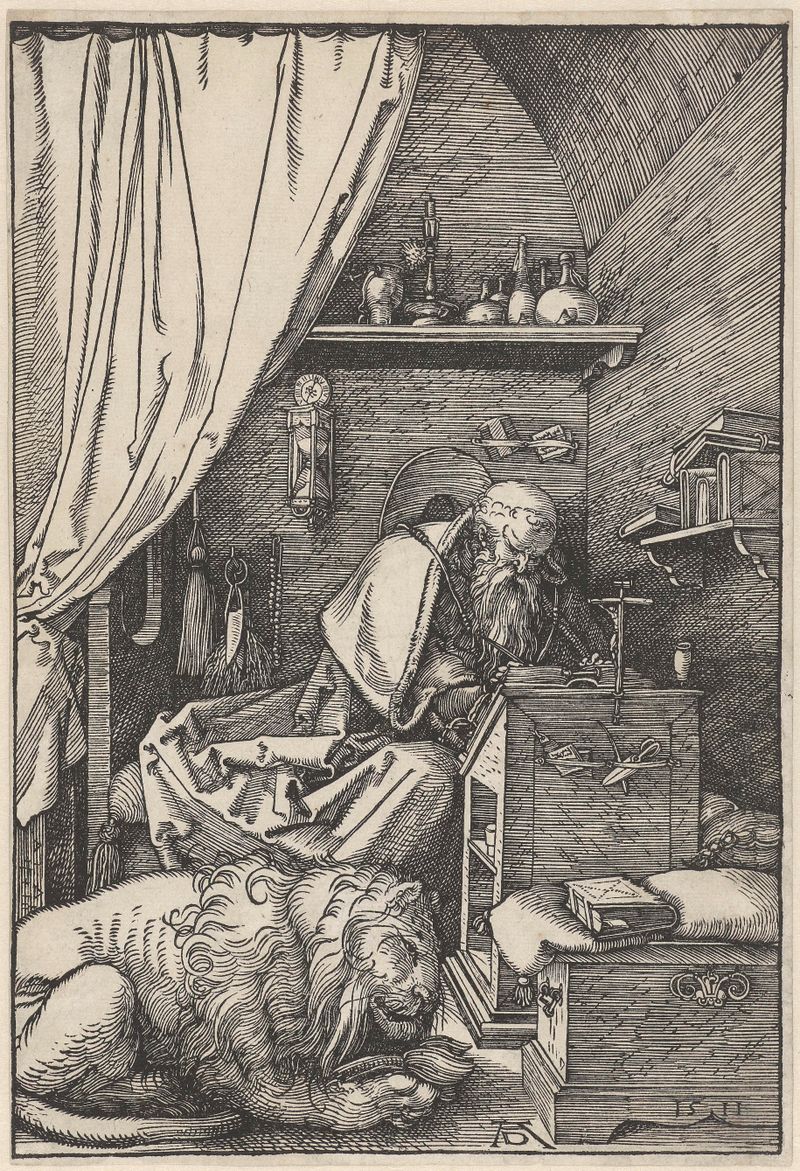
De Heilige Hiëronymus in zijn studeervertrek
Albrecht Dürer
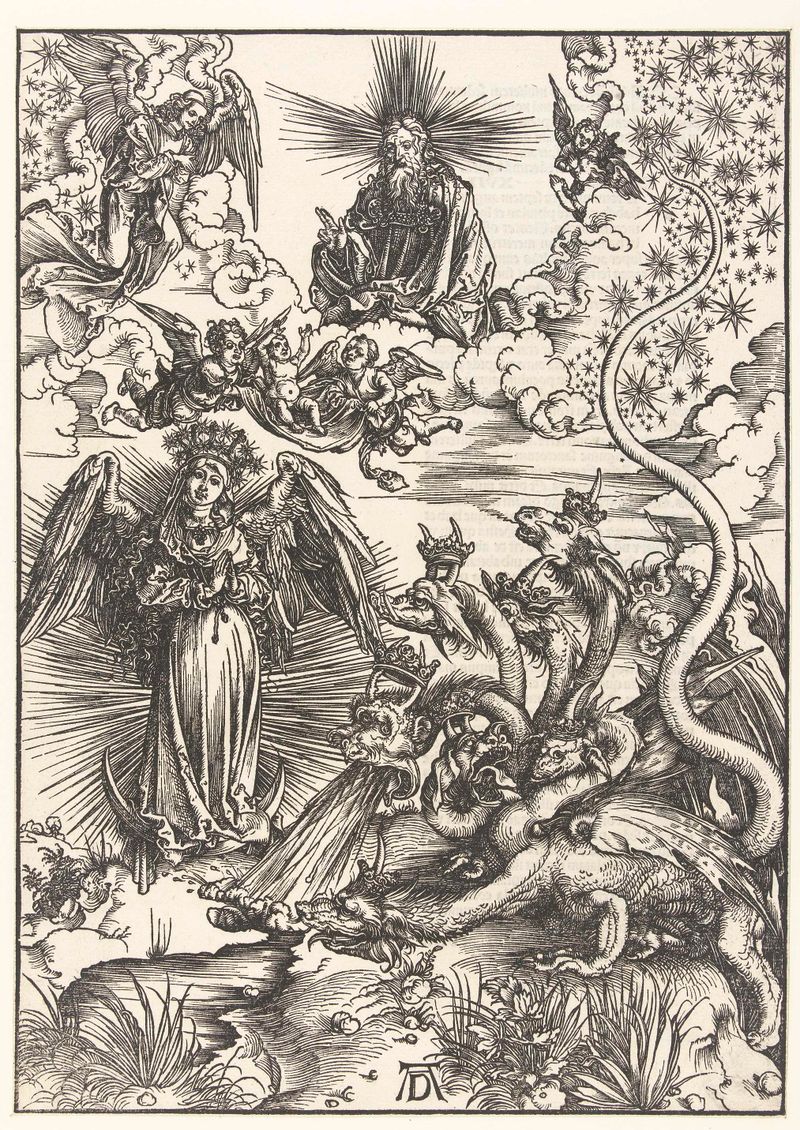
De apocalyptische vrouw en de zevenkoppige draak
Albrecht Dürer
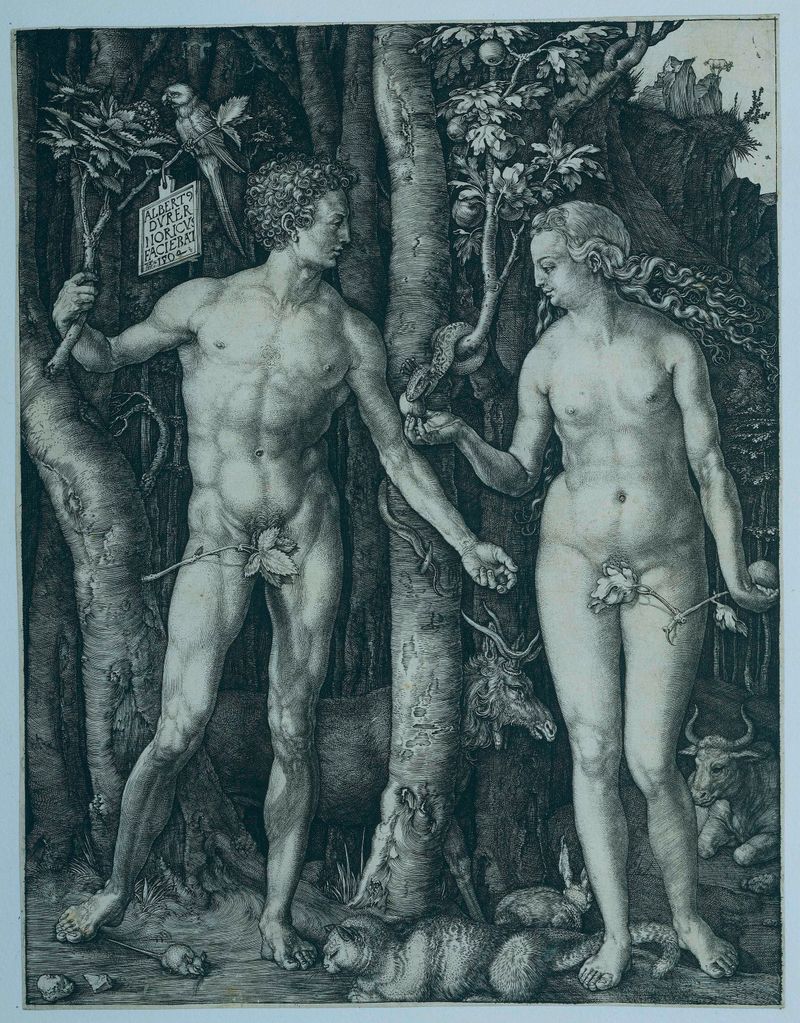
Adam en Eva
Albrecht Dürer
Mais arte de Arte Religiosa
Ver tudo →
The Return of the Prodigal Son
Rembrandt van Rijn

The Garden of Earthly Delights
El Bosco

Count Orgaz’ funeral
El Greco

The Hundred Guilder Print: the central piece with Christ preaching, the plate arched
Rembrandt van Rijn

The Descent from the Cross
Rogier van der Weyden

The return of the prodigal son
Rembrandt van Rijn