
Religious Ceremony in Ancient Greece — História e Análise
When did color learn to lie? In the delicate interplay of hues, beauty dances on the edge of truth, inviting the viewer to question the very essence of representation. Begin your exploration by focusing on the ornate details of the central figure, an ancient priest adorned in rich, flowing robes. Notice how the artist captures the luminosity of gold against the deep blues and earthy reds, creating a visual tension that breathes life into the sacred ritual. The carefully arranged figures encircle the altar, while soft, diffused light cascades down, illuminating their faces and drawing attention to the reverent expressions that embody the weight of tradition. As you delve deeper, consider the juxtaposition of serenity and intensity within the composition.
The serene faces of the supplicants contrast sharply with the fervor of the ceremony, suggesting a complex relationship between divine worship and personal sacrifice. Each gesture, from outstretched arms to bowed heads, reveals an undercurrent of longing—an invitation to a dialogue between man and the divine. The rich palette, while vibrant, hints at a deeper complexity that beckons reflection on the nature of faith and ritual. In 1835, Francis Oliver Finch painted this piece amidst a growing interest in classical themes and the revival of ancient art forms.
Living in England, a time marked by romanticism and a fascination with history, he sought to capture not only the aesthetic beauty of ancient Greece but also the emotional gravitas that such ceremonies inspired in humanity. This work reflects Finch’s ambition to bridge the gap between past and present, inviting viewers to contemplate their own spiritual journeys.
Mais obras de Francis Oliver Finch
Ver tudo →
Valley of Rocks, Lynton, North Devon
Francis Oliver Finch

Landscape with Castle, Waterfall and Stream in Foreground
Francis Oliver Finch
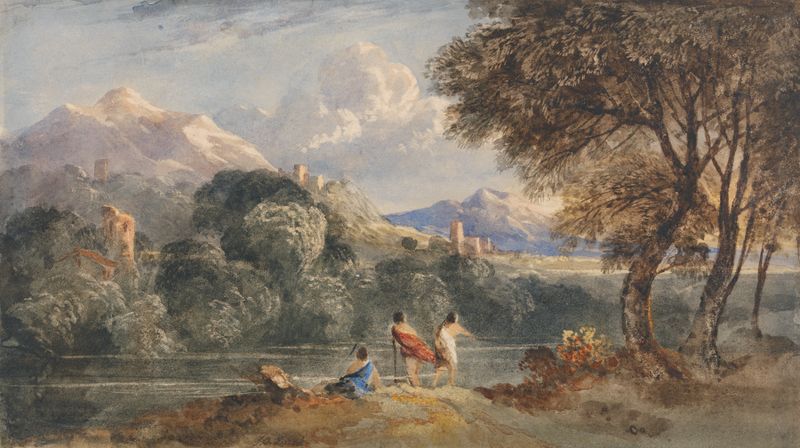
Classical Landscape with Figures
Francis Oliver Finch
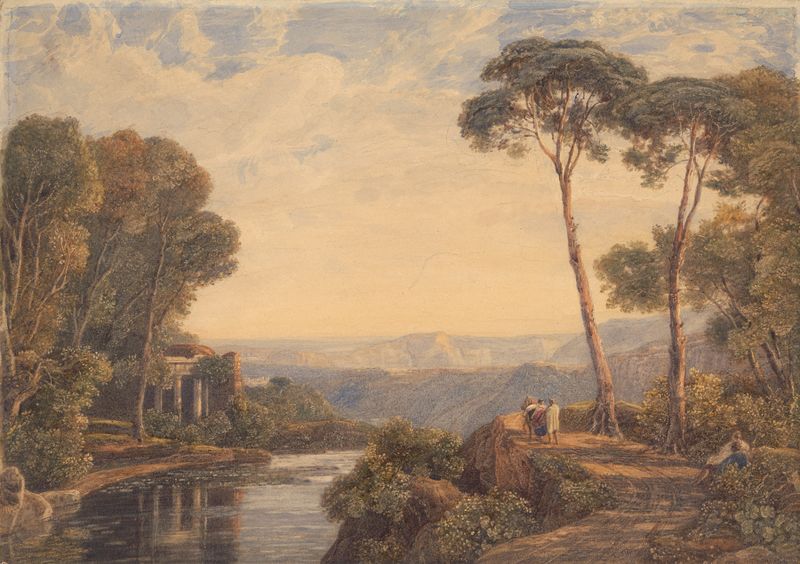
Landscape with a Temple and Figures by a River
Francis Oliver Finch
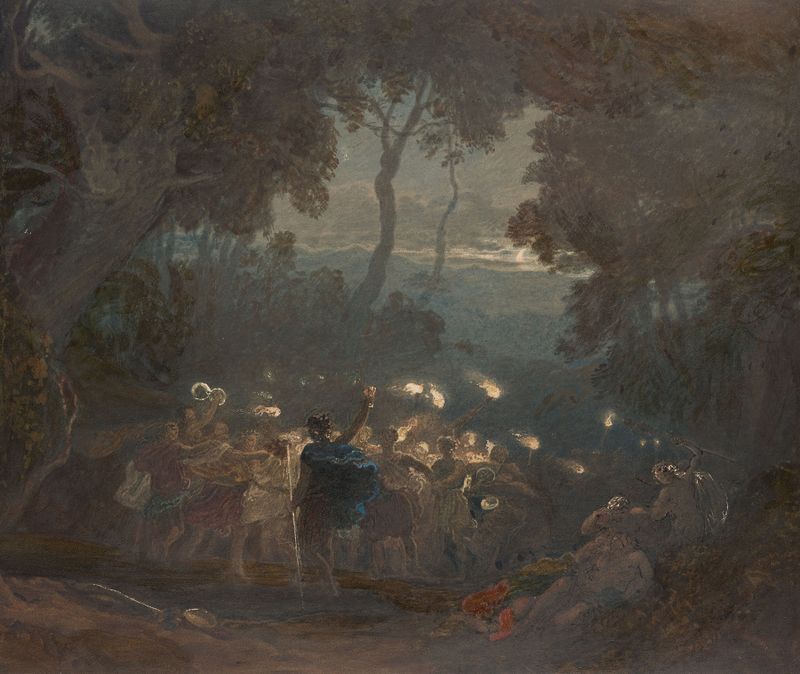
The Dell of Comus
Francis Oliver Finch
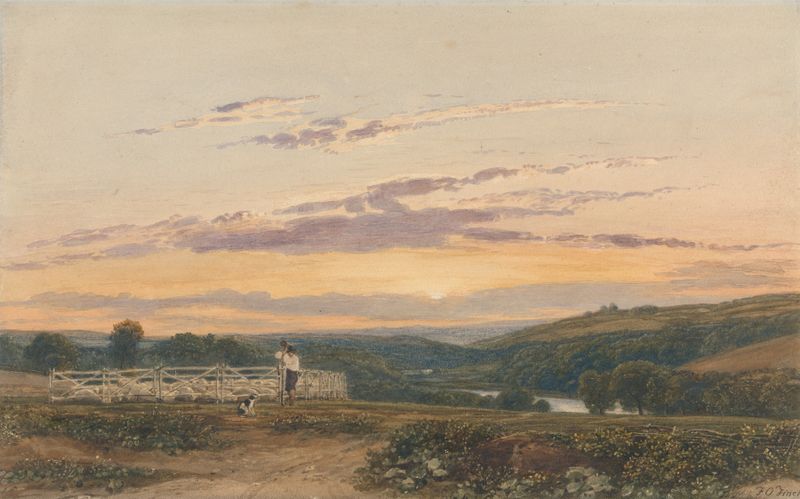
The Shepherd – Evening
Francis Oliver Finch

Classical Scene
Francis Oliver Finch
Mais arte de Arte Religiosa
Ver tudo →
The Return of the Prodigal Son
Rembrandt van Rijn

The Garden of Earthly Delights
El Bosco

Count Orgaz’ funeral
El Greco

The Hundred Guilder Print: the central piece with Christ preaching, the plate arched
Rembrandt van Rijn

The Descent from the Cross
Rogier van der Weyden

The return of the prodigal son
Rembrandt van Rijn