
Rue À Alger — História e Análise
When did color learn to lie? In the stillness of Rue À Alger, every hue whispers a truth that lingers just beyond our grasp. Look to the left at the vibrant ochres and deep blues that dance against one another, evoking the fluidity of the street life. Marquet’s deft brushwork creates a textured surface where the cobblestones seem to breathe under a warm, golden light. The buildings tower above, their muted façades offering a contrast that pulls the eye into the heart of the composition, where shadows deepen and colors vibrate with an unexpected intensity. As you gaze deeper, notice the subtle interplay between light and shadow.
This tension suggests a moment hanging in time — perhaps the aftermath of bustling activity or the anticipation of the day ahead. The empty street, devoid of figures, challenges our understanding of solitude; it speaks to a silence that can feel both oppressive and liberating. The choice of palette transforms the ordinary into something extraordinary, blurring the lines between reality and dream. Completed between 1942 and 1944, this work emerged during a turbulent time for Albert Marquet, as Europe grappled with the crises of war.
Living in Paris under German occupation, he turned to serene scenes as a refuge, channeling his emotions into his art. The quiet beauty of Algerian streets, infused with a vibrant color palette, reveals a yearning for peace amidst chaos, marking a poignant moment in his artistic journey.
Mais obras de Albert Marquet
Ver tudo →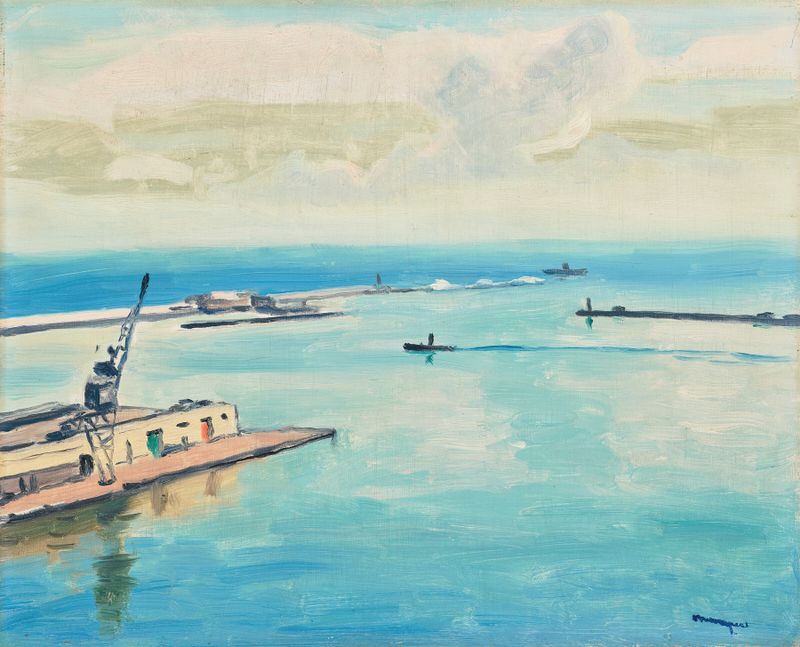
Le Port d’Alger
Albert Marquet
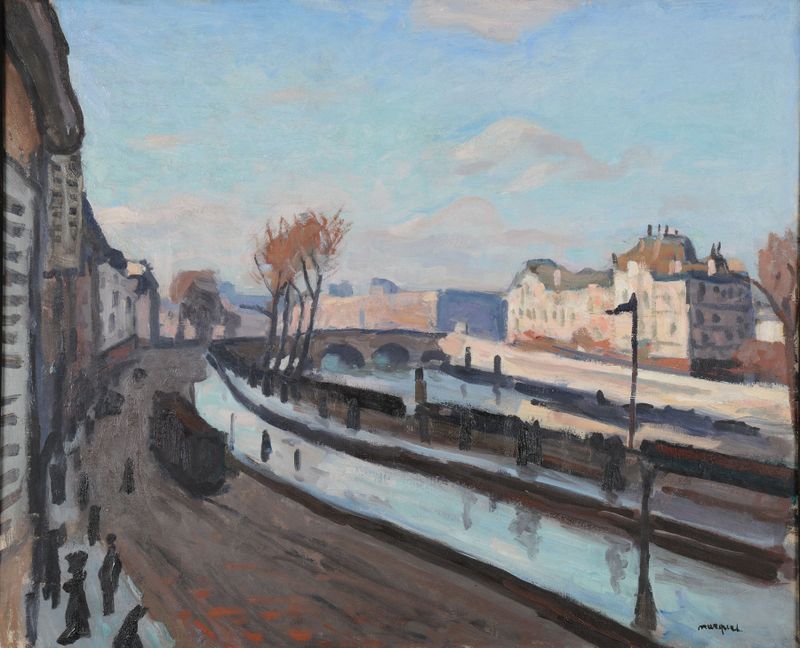
Le quai des Grands Augustins
Albert Marquet
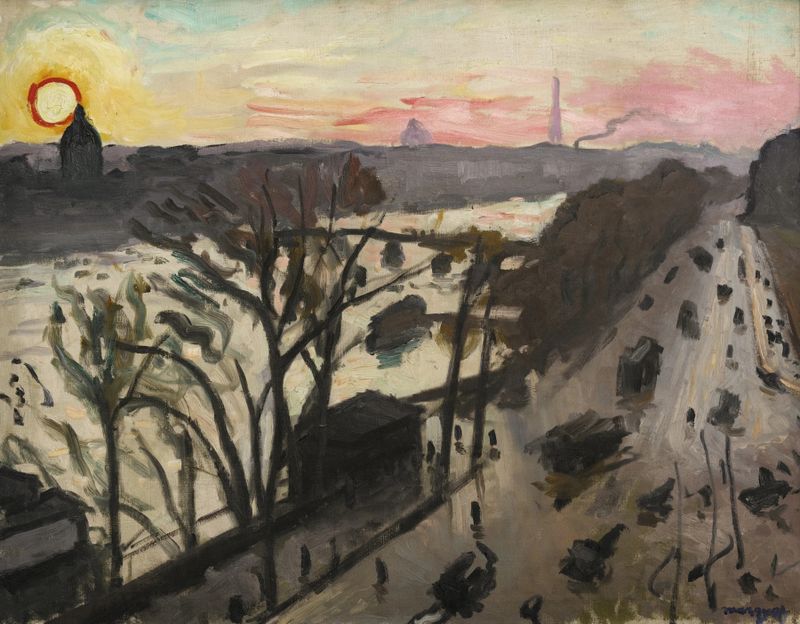
Paris, quai du Louvre, soleil d’hiver
Albert Marquet
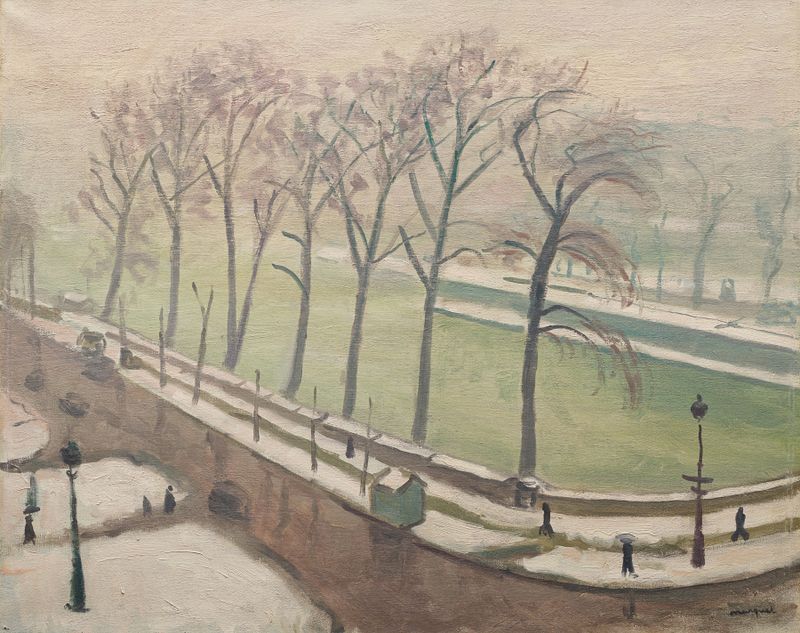
Pont-Neuf sous la neige
Albert Marquet
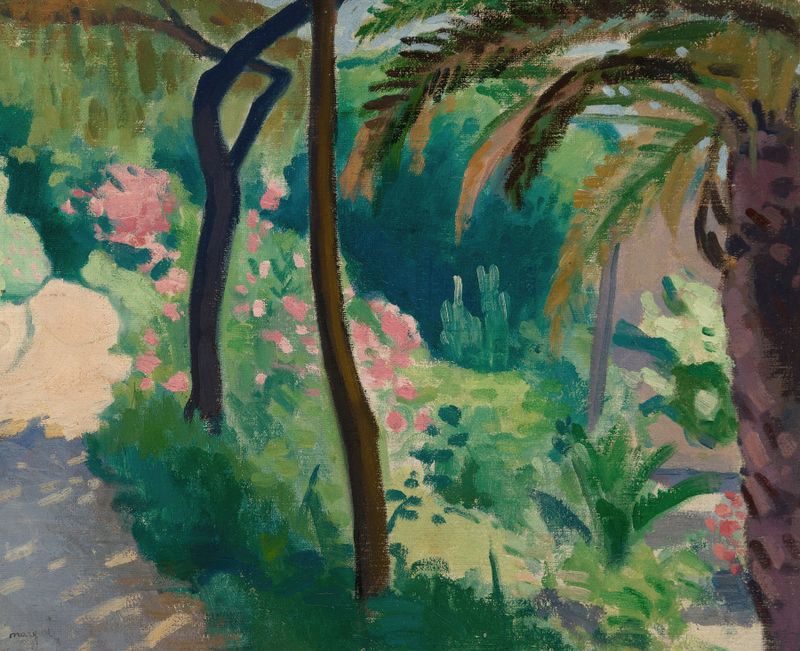
Le jardin à l’Estaque
Albert Marquet
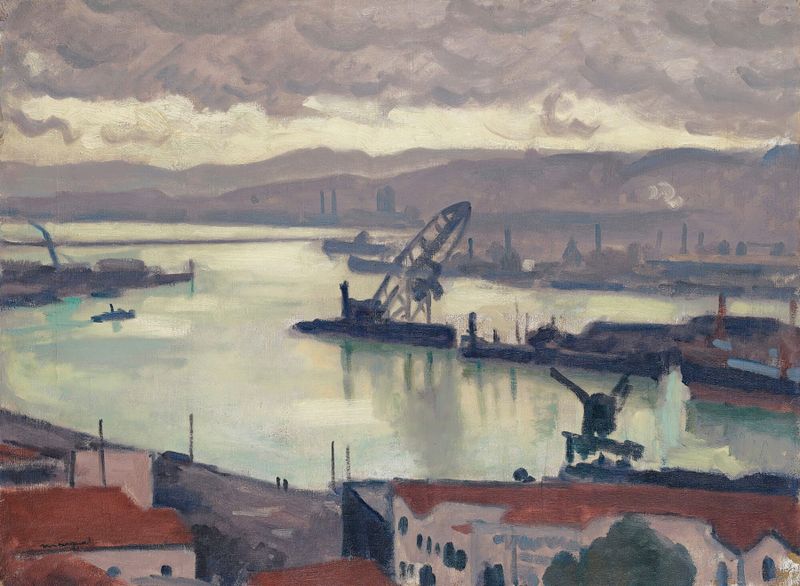
Alger, Temps Gris
Albert Marquet
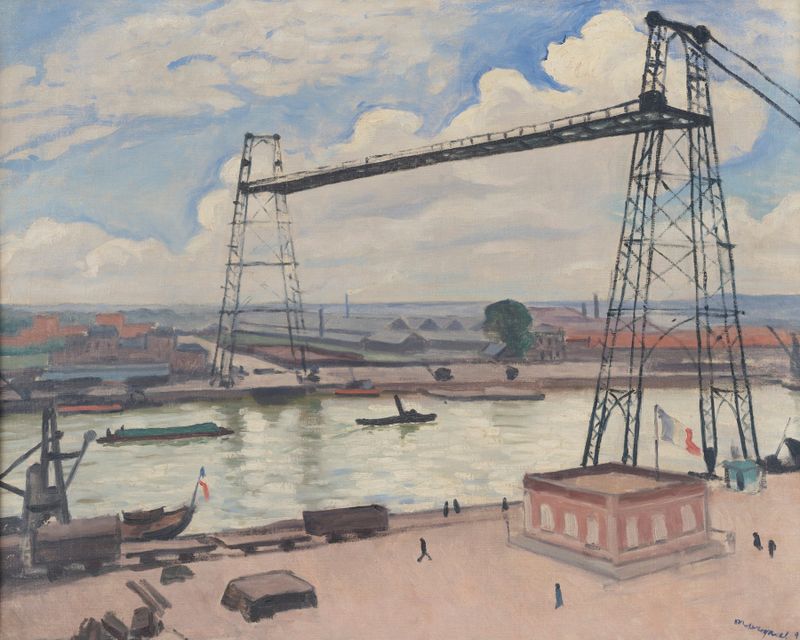
Rouen, le pont transbordeur
Albert Marquet
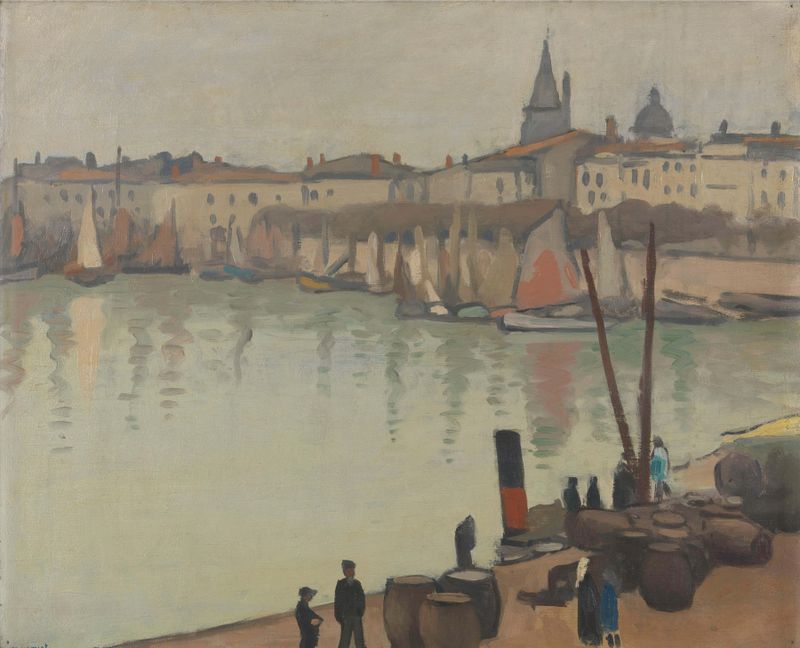
Port of La Rochelle
Albert Marquet

Berge de la Seine à Méricourt
Albert Marquet
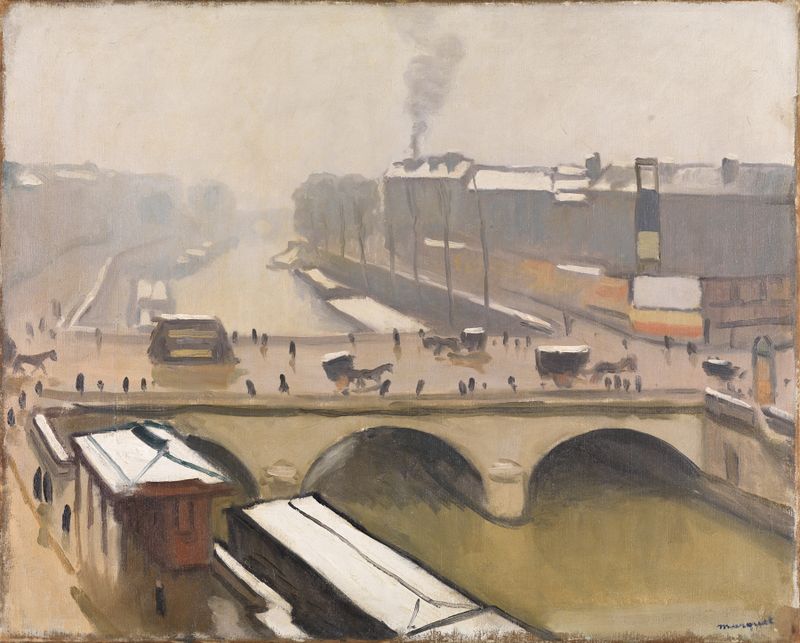
View of the Pont Saint-Michel in Paris
Albert Marquet





