Silberpappeln — História e Análise
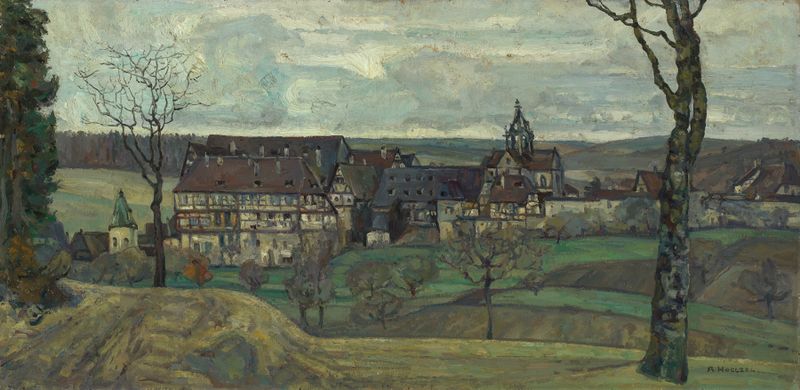
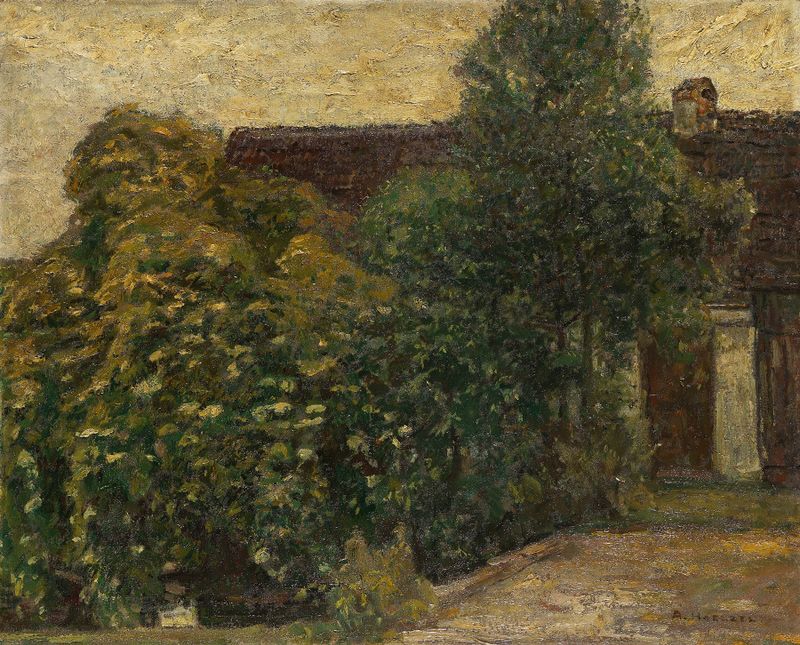
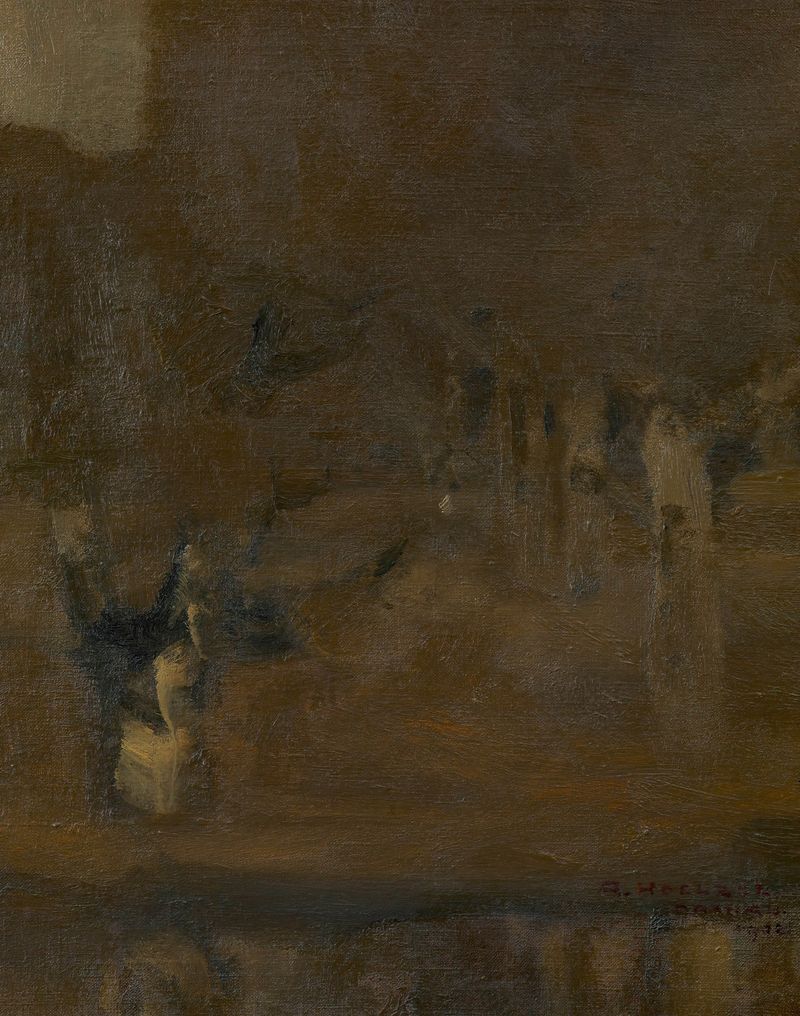
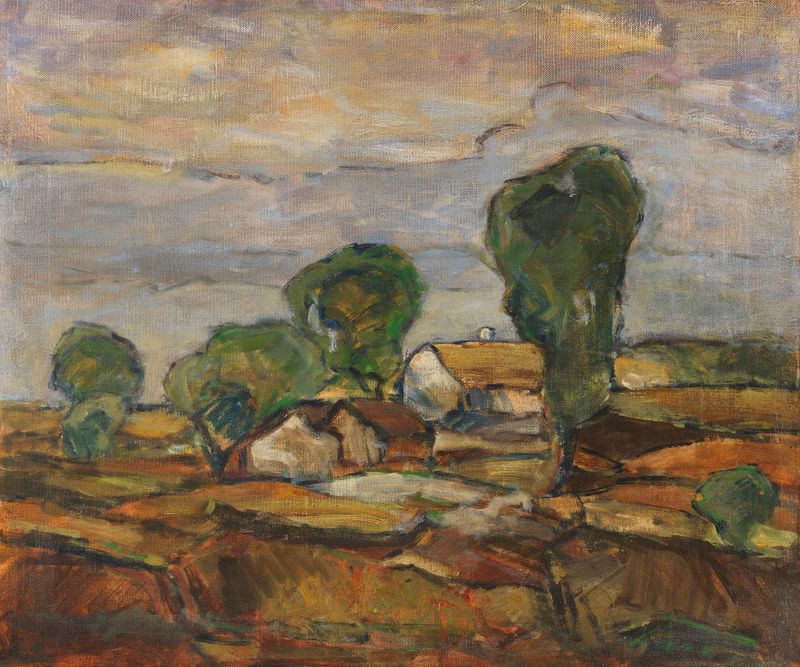
Could beauty survive in a century of chaos? This question echoes in the depths of Silberpappeln, a canvas that grapples with the duality of serenity and madness in a tumultuous era. Focus on the vibrant hues that dance across the surface, particularly the silvery greens and shimmering blues of the poplar trees. Notice how the light falls upon their delicate leaves, creating a mesmerizing interplay of shadow and luminosity. The brushstrokes are both precise and spontaneous, inviting your eyes to wander through the landscape while evoking a sense of unease.
The composition is rich with depth, leading you to a horizon that feels both inviting and distant, a threshold between calm and chaos. Within this enchanting scene lies a tension between nature's tranquility and the underlying madness of the human condition. The silvery poplars stand stoic, yet their very presence suggests the fragility of beauty amid an uncertain world. The ghostly atmosphere hints at a deeper narrative of longing and displacement, as if the trees are witnesses to the turmoil that surrounds them.
This layered symbolism resonates with the viewer, provoking contemplation of the balance between order and disorder. Adolf Hölzel created Silberpappeln in 1900, during a time when the art world was shifting towards modernism. Living in Germany, Hölzel was influenced by both Impressionism and the emerging abstraction. As he explored the interplay of color and form, he sought to express the emotional undercurrents of life, reflecting the societal challenges that marked the dawn of the 20th century.