Stacks — História e Análise
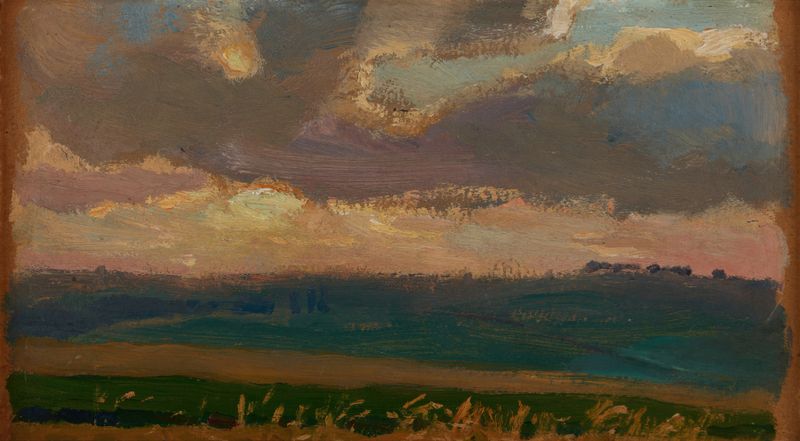
In this stillness, we find a tranquility that speaks volumes about innocence and the beauty of simplicity. Look to the center of the work, where layers of color bloom like soft whispers against a muted backdrop. The artist’s use of gentle pastels invites the viewer's eye to wander, revealing delicate contrasts between light and shadow. Notice how the strokes blend harmoniously, creating a sense of depth and texture that draws you into this sanctuary of calm.
The careful arrangement of forms, almost like a serene landscape, suggests a world untouched, where each hue seems to breathe life. As you explore further, consider the subtle complexities nestled within the apparent simplicity. The interplay between light and dark hints at the tension between innocence and experience, suggesting that within the fragile beauty lies a story waiting to unfold. Each layer is a reminder of what is cherished and lost, reflecting the innocence that exists within all of us.
Observe how certain elements are rendered with precision while others dissolve into abstraction, emphasizing the dichotomy of clarity and mystery. In 1903, Jan Stanisławski painted this piece during a period of personal exploration and development in the world of Polish art. Living in Warsaw, he was actively engaged with the Symbolist movement, which sought to express deeper emotional truths through representative forms. Stanisławski was inspired by the natural world and the innocence found in everyday moments, a theme that resonates powerfully in this artwork.
Mais obras de Jan Stanisławski
Ver tudo →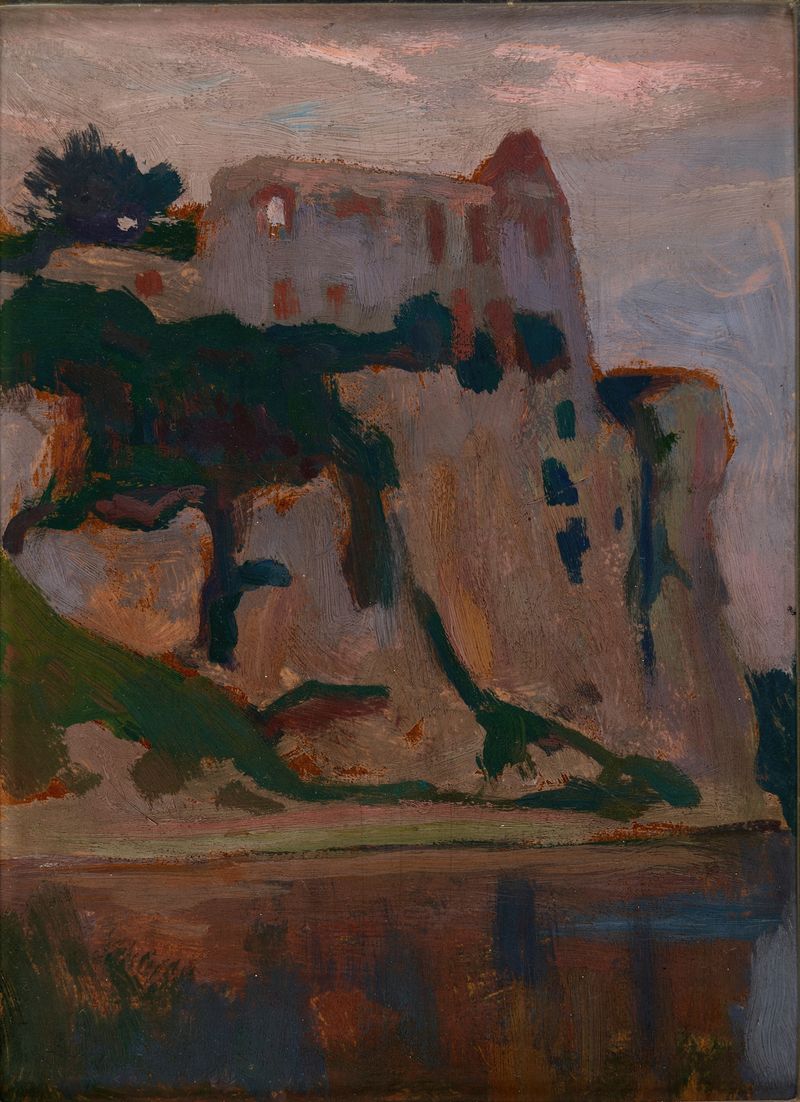
Tyniec at Dawn
Jan Stanisławski
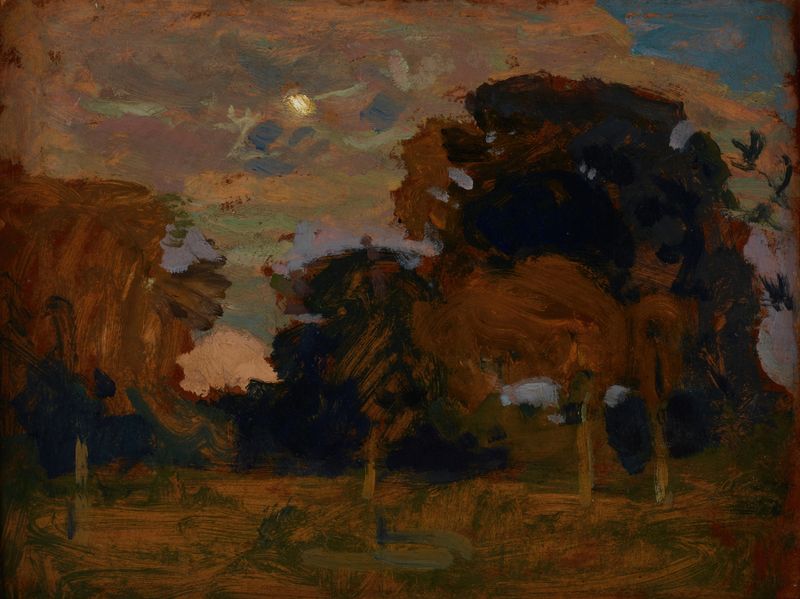
Moon in the Clouds
Jan Stanisławski
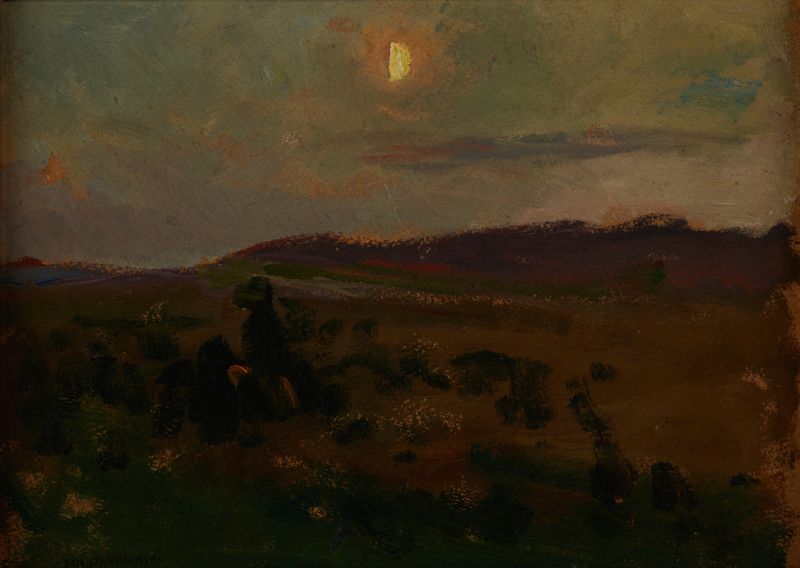
Moonrise
Jan Stanisławski
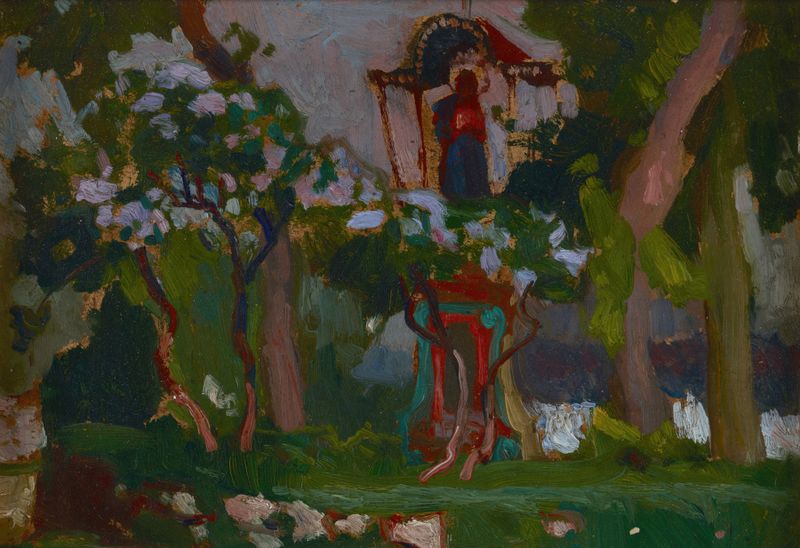
May
Jan Stanisławski
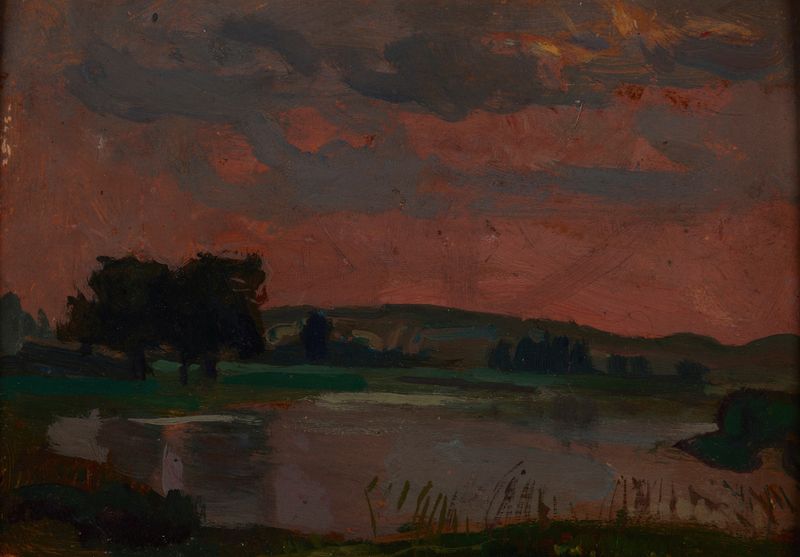
The Vistula in the Twilight
Jan Stanisławski
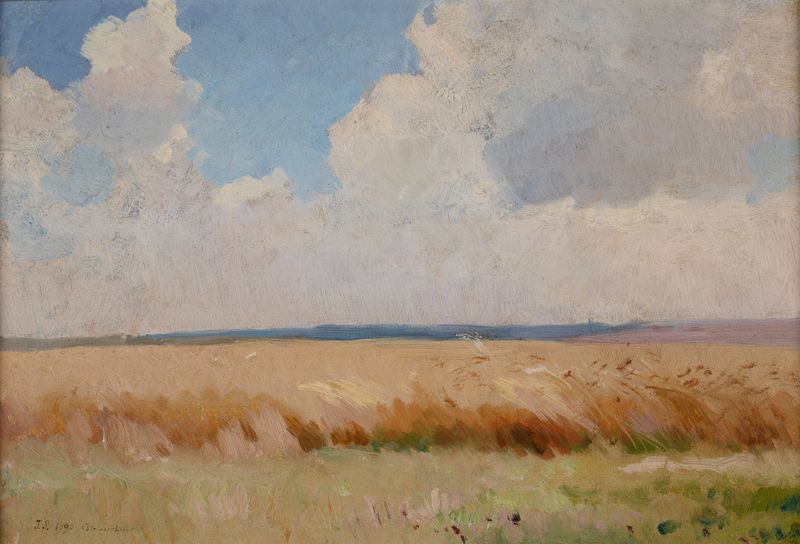
Field at Białocerkiew (Bila Tserkva)
Jan Stanisławski
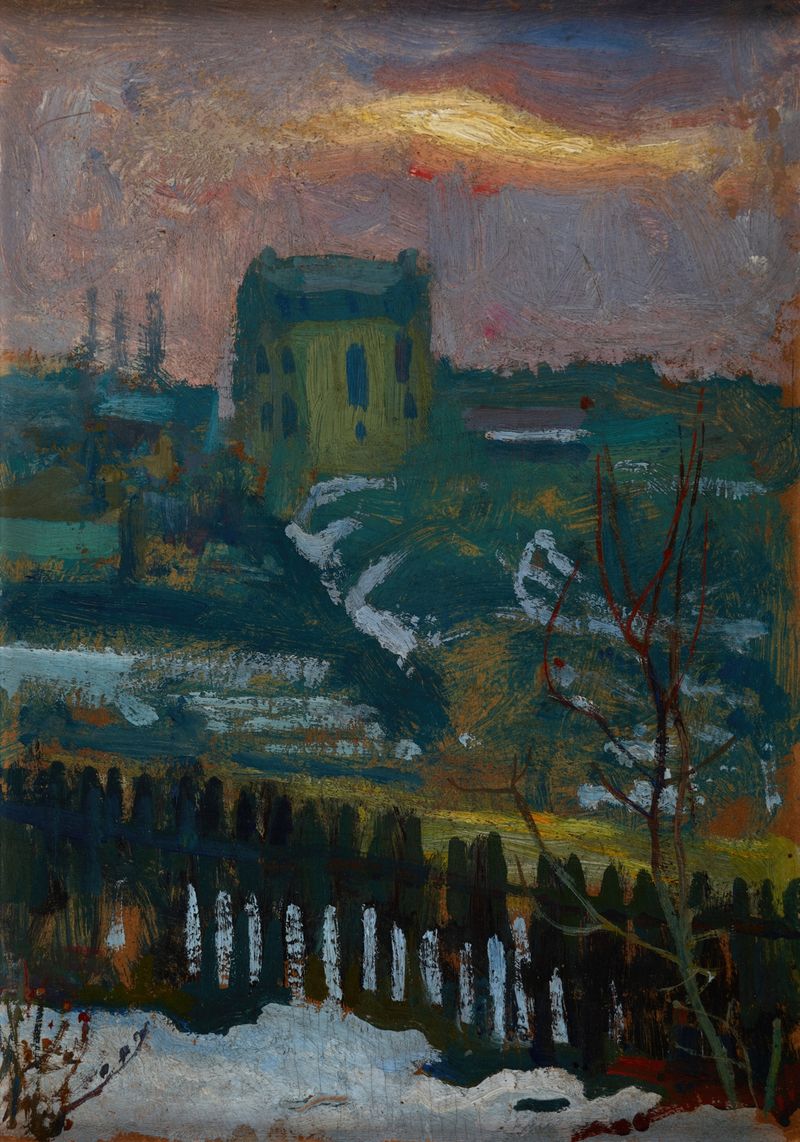
House in Winter
Jan Stanisławski
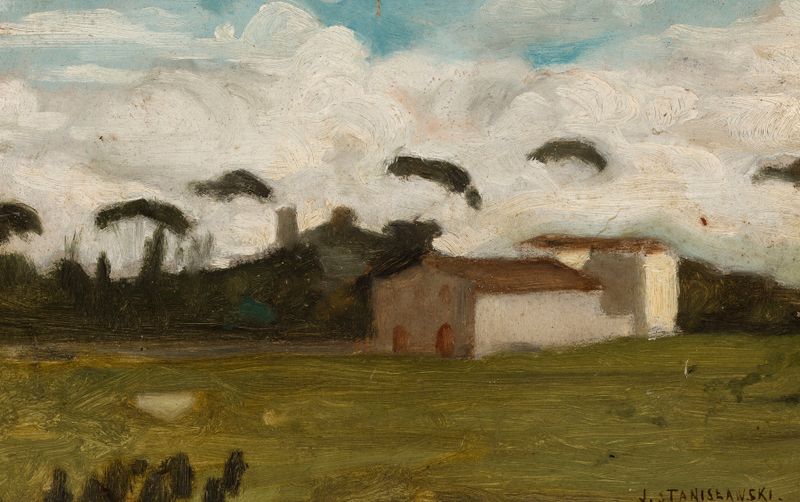
Landscape
Jan Stanisławski
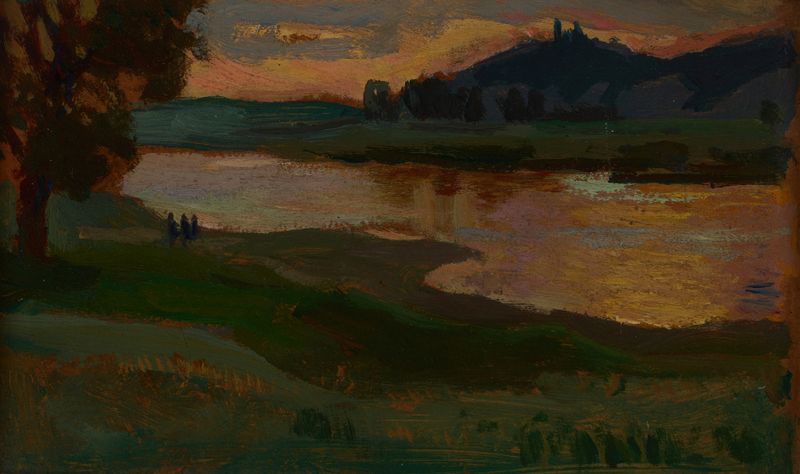
Bielany at Dusk
Jan Stanisławski
Fields at Proszowice
Jan Stanisławski