
Statue de Charlemagne sur le parvis de Notre Dame — História e Análise
When did color learn to lie? In the presence of monumental sculptures, we find ourselves wrapped in a silence that echoes across centuries, longing for stories that may never be told. Look towards the center of the composition, where the statue of Charlemagne stands resolutely on the steps of Notre Dame. The artist's skill is evident in the intricate details of the king’s armor, each fold and curve capturing the light with a delicate gleam. Surrounding him, the stone of the cathedral looms tall, rendered in muted tones that contrast sharply against the vivid hues of the sky.
This interplay of light and shadow invites the viewer to consider both the might of the figure and the modesty of the structure behind him. As your gaze shifts, notice how the figures at the base of the statue, seemingly small and insignificant, breathe life into the scene. These human silhouettes evoke a sense of scale, emphasizing the loneliness of the great king atop his pedestal. The tension between the grandeur of Charlemagne and the fragile humanity at his feet suggests a deeper narrative of longing—perhaps for recognition, relevance, or even redemption, intertwining the past with the present. In 1921, the artist created this work during a period marked by the aftermath of World War I, a time when Europe was grappling with its identity and heritage.
Living in France, Peske was deeply influenced by the classical themes of leadership and valor, seeking to immortalize figures of importance amidst a landscape reshaped by conflict. His choice to depict Charlemagne was both a tribute and a challenge to contemporary society, urging viewers to reflect on the weight of history and the legacy we carve in stone.
Mais obras de Jean Misceslas Peske
Ver tudo →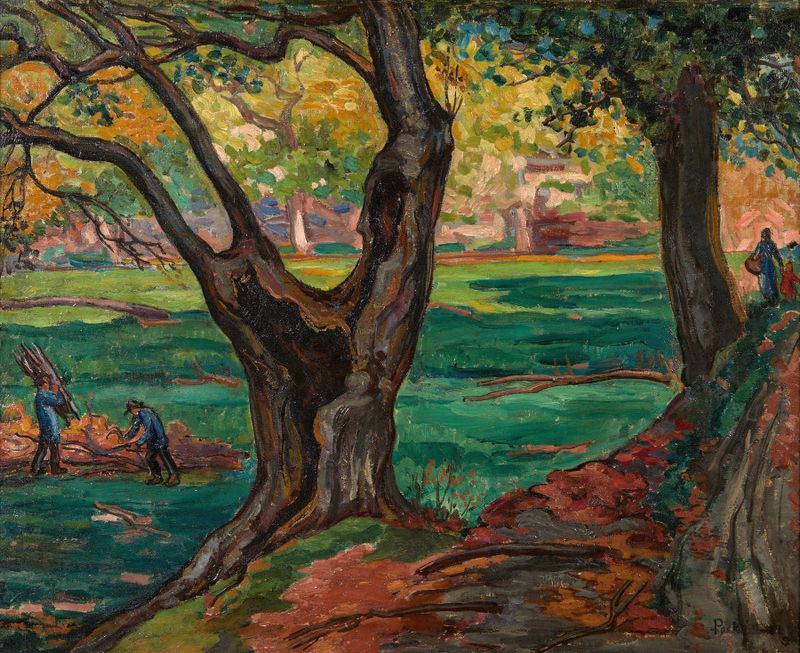
Dans les bois
Jean Misceslas Peske
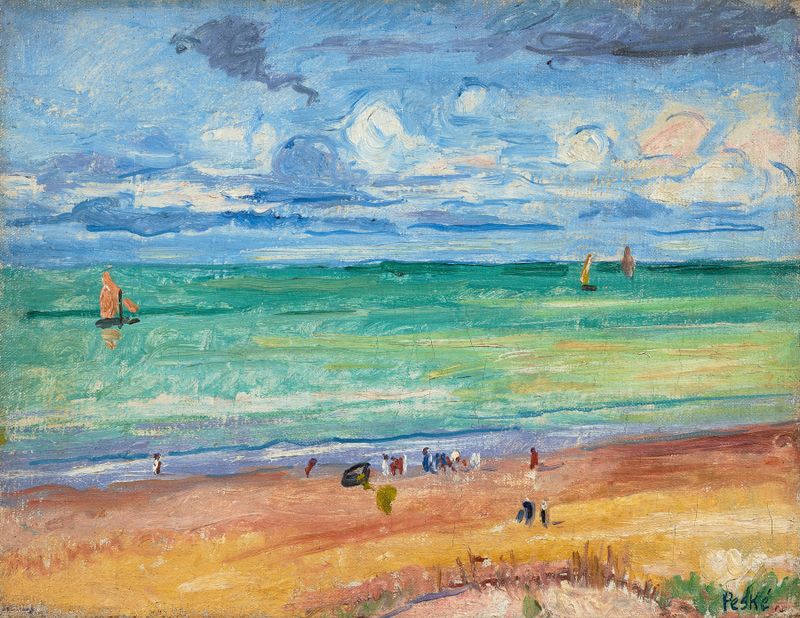
La plage
Jean Misceslas Peske

Pont du Carroussel
Jean Misceslas Peske

Jardin du Bureau International du Travail à Genève
Jean Misceslas Peske
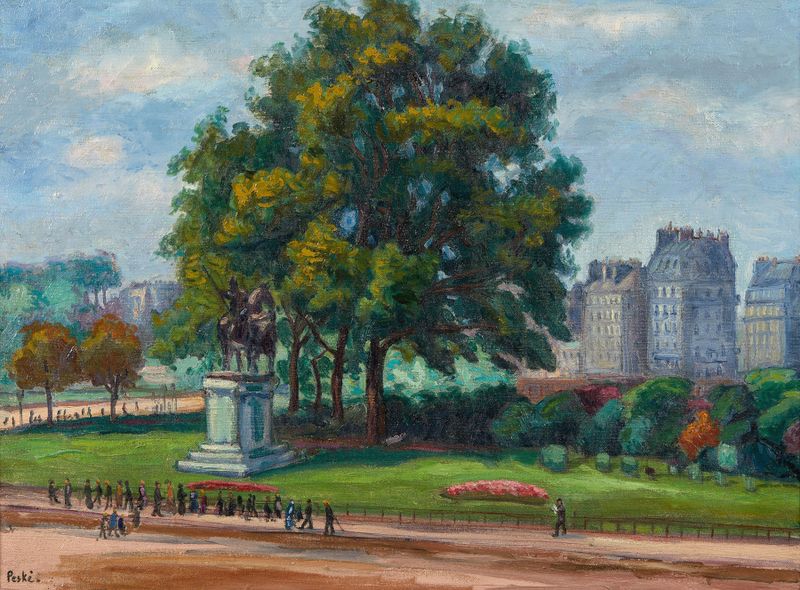
Statue de Charlemagne, parvis de Notre-Dame
Jean Misceslas Peske

Au jardin, la lessive
Jean Misceslas Peske
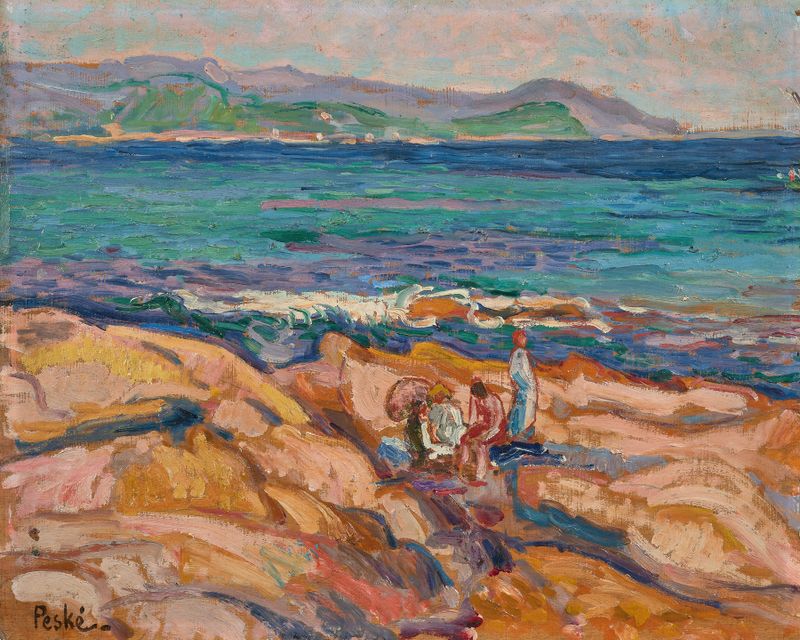
Côte rocheuses, personnages
Jean Misceslas Peske
Mais arte de Pintura Histórica
Ver tudo →
The Night Watch Militia Company of District II under the Command of Captain Frans Banninck Cocq
Rembrandt van Rijn

Lincoln Memorial
Henry Bacon

The Third of May 1808
Francisco de Goya

Isaac and Rebecca, Known as ‘The Jewish Bride’
Rembrandt van Rijn

The Charge of the Mamelukes (1814)
Francisco de Goya

De vier ruiters van de apocalyps
Albrecht Dürer