
Sterfbed van Maria — História e Análise
In the delicate interplay of shadow and light, loneliness finds its haunting expression, evoking the intricate dance between sorrow and elegance. Look to the center, where the figure of the Virgin Mary lies, draped in sorrowful grace. Notice the vibrant hues of her robes, the deep reds and soft blues, contrasting sharply with the pallid skin that speaks of mortality. The chiaroscuro technique highlights her serene yet anguished face, while the ornate details of her surroundings envelop her in a rich tapestry of texture and complexity.
This juxtaposition captivates the viewer, drawing them into a moment that is both sacred and profoundly human. Within the scene, the emotional tension resides in the stillness of the figures surrounding her. The mourners, with their anguished expressions and downturned gazes, encapsulate the weight of loss and grief. The delicate flowers scattered around her, though beautiful, symbolize fragility and the transient nature of life.
Each element contributes to an overarching narrative of solitude; even in death, the divine figure remains isolated in her suffering, a poignant reminder of the loneliness that accompanies great beauty. At the time Sterfbed van Maria was created, Jacques Callot was situated in Nancy, France. The early 17th century was a period marked by intricate Baroque developments in art, where emotional depth and delicate detail were paramount. Callot, known for his ability to convey profound narratives through intricate etching, was grappling with personal struggles and the realities of the tumultuous world around him—giving rise to this hauntingly beautiful representation of death and the solitary experience of grief.
Mais obras de Jacques Callot
Ver tudo →
Titelprent voor de prentreeks 'De kleine apostelen' (Het martelaarschap van de apostelen)
Jacques Callot
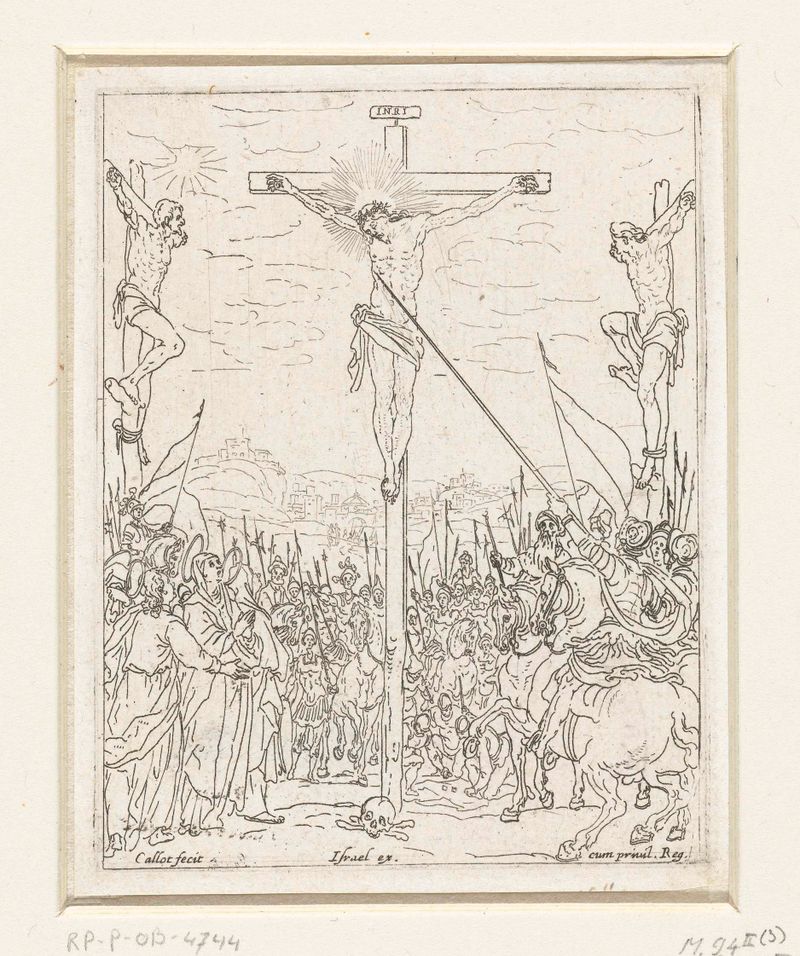
Kruisiging
Jacques Callot

De doortocht door de Rode Zee
Jacques Callot

De verloren zoon als zwijnenhoeder
Jacques Callot

Annunciatie
Jacques Callot
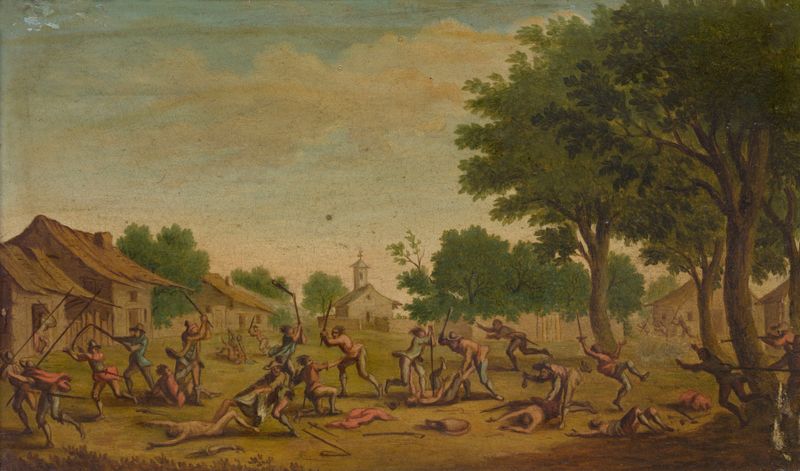
Village Fight
Jacques Callot

Titelprent voor prentreeks 'Het leven van Maria'
Jacques Callot
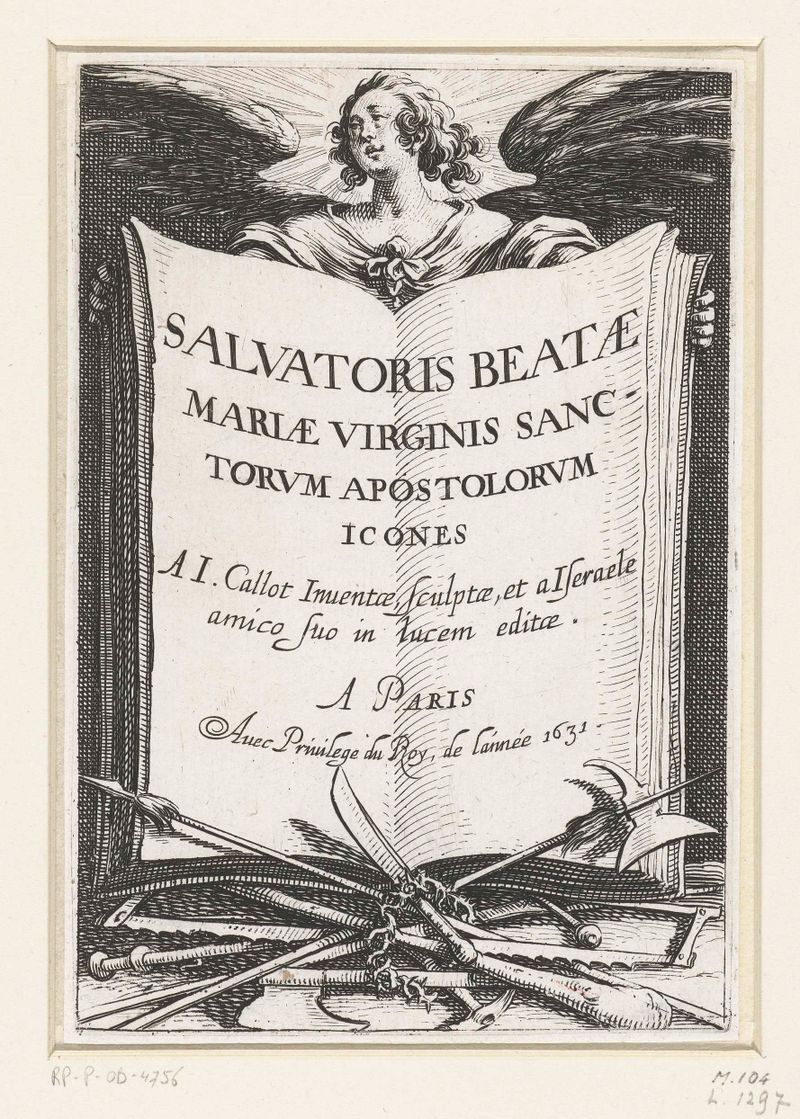
Titelprent voor de prentreeks 'De grote apostelen' (Christus, Maria en de apostelen)
Jacques Callot

Christus aan het volk getoond (Ecce homo)
Jacques Callot
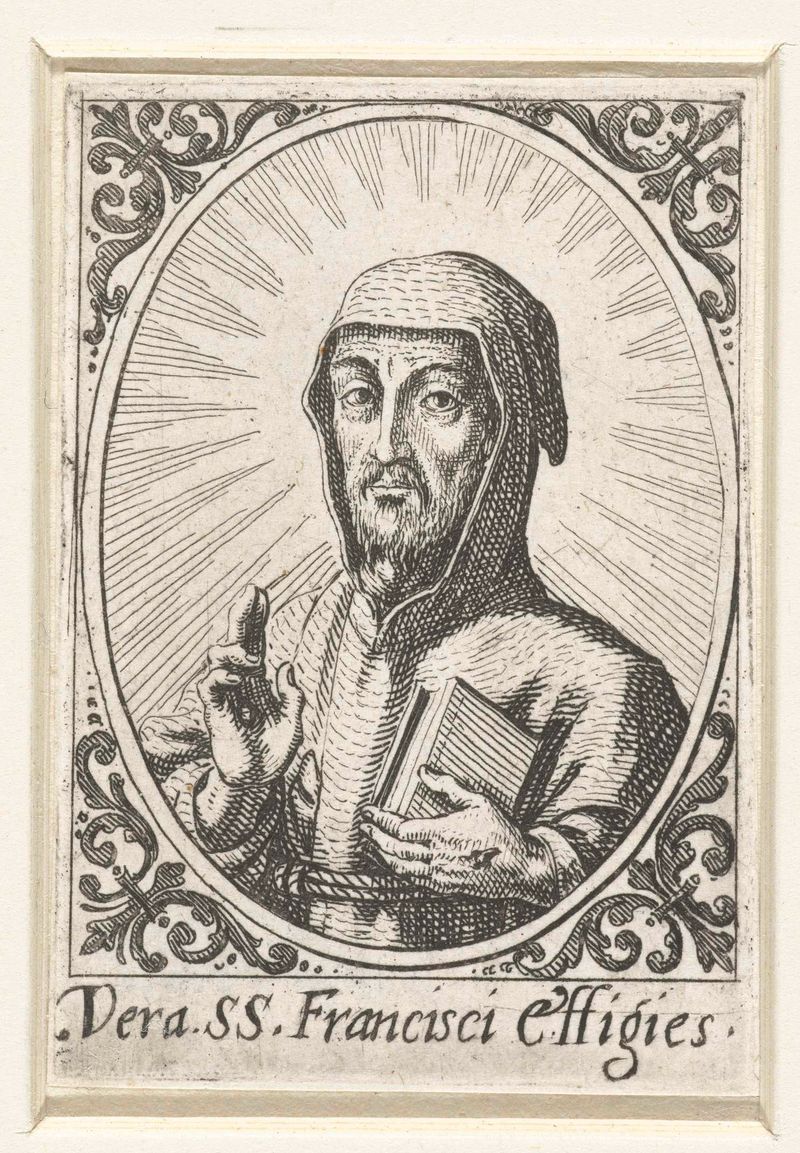
Portret van de Heilige Franciscus
Jacques Callot
Mais arte de Arte Religiosa
Ver tudo →
The Return of the Prodigal Son
Rembrandt van Rijn

The Garden of Earthly Delights
El Bosco

Count Orgaz’ funeral
El Greco

The Hundred Guilder Print: the central piece with Christ preaching, the plate arched
Rembrandt van Rijn

The Descent from the Cross
Rogier van der Weyden

The return of the prodigal son
Rembrandt van Rijn