
Straßenkampf am 7. April 1945 vor den zerstörten Naschmarktbuden — História e Análise
This longing for truth emerges from the chaos of destruction, evoking a visceral yearning for what remains unseen in the shadows of history. Look to the left, where fragmented structures loom like ghosts of a vibrant past. The stark contrasts between the dark, charred remnants of the market stalls and the muted yet poignant colors evoke a feeling of sorrow and resilience. The delicate brushstrokes, layered with earthy tones, highlight the devastation while hinting at the enduring spirit of the community that once thrived here.
This interplay of light and shadow creates an atmosphere thick with tension, urging the viewer to confront the remnants of a life interrupted. As the eye wanders across the canvas, notice the subtle details: a fallen sign that once heralded joyful gatherings, the fluttering remnants of faded fabric, and the scattered debris that tells stories of both loss and survival. These elements speak to a duality—one of despair and a glimmer of hope, suggesting the possibility of rebirth amidst ruin. Each stroke and color choice draws us into a narrative that questions the permanence of destruction and the resilience of memory. In 1946, Karl Hornstein bore witness to a world ravaged by conflict, creating this powerful piece in post-war Vienna.
Having experienced the trauma of the Second World War firsthand, the artist sought to capture the profound scars left on both the city and its people. This work reflects not only a personal narrative but also a collective memory of a society grappling with the aftermath of its shattered existence, aiming to reclaim its identity through art.
Mais obras de Karl Hornstein
Ver tudo →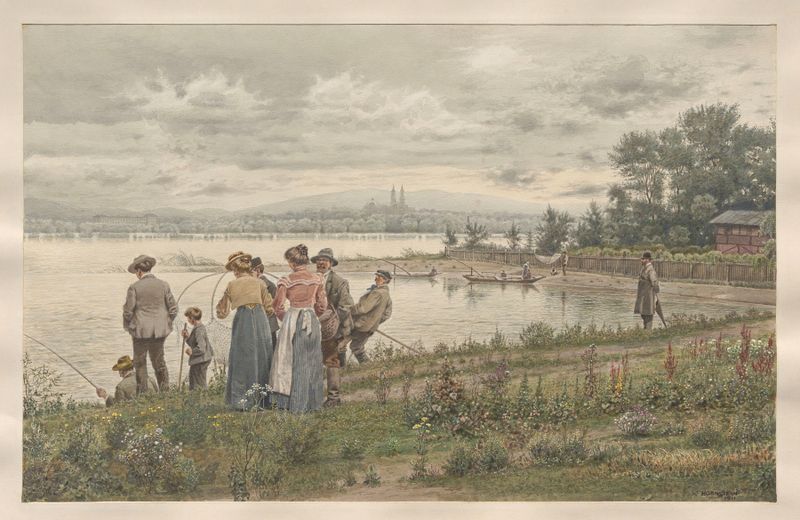
Mais arte de Pintura Histórica
Ver tudo →
The Night Watch Militia Company of District II under the Command of Captain Frans Banninck Cocq
Rembrandt van Rijn

Lincoln Memorial
Henry Bacon

The Third of May 1808
Francisco de Goya

Isaac and Rebecca, Known as ‘The Jewish Bride’
Rembrandt van Rijn

The Charge of the Mamelukes (1814)
Francisco de Goya

De vier ruiters van de apocalyps
Albrecht Dürer