
Study on the Elbe — História e Análise
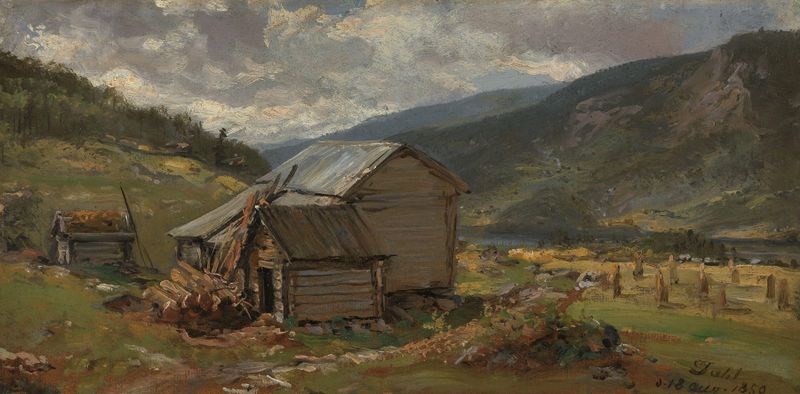
The longing that seeps through this artwork embodies the delicate ache of nature’s embrace, where each brushstroke holds a whisper of yearning. Look to the center, where the Elbe River flows gracefully, its currents captured in shades of deep azure and muted greens. Notice how the light dances upon the water’s surface, reflecting the sun's warm hues as it sinks towards the horizon. The mountains loom in the background, their rugged edges softened by the fading light, while the trees, rendered in earthy browns and vibrant greens, cradle the scene with a sense of shelter and solace.
Each element is meticulously placed, creating a harmonious composition that invites contemplation. Hidden within the serene landscape lies a poignant contrast: the tranquility of nature against the undercurrents of human emotion. The distant mountains symbolize both the beauty and the isolation of the human spirit, while the river evokes a sense of passage and the inevitable flow of time. There’s a tension between the serene surface and the turbulent feelings beneath; the golden light that bathes the scene may illuminate joy, but it also hints at the fleeting nature of beauty and the persistent ache for something just out of reach. In 1833, Dahl created this piece during a period of exploration and creativity in his life, as he was establishing himself as a leading figure in the Romantic painting movement.
Residing in Dresden, he found inspiration in the landscapes of Northern Europe, reflecting the era’s deepening appreciation for nature. As artists turned their gaze toward emotional expression and the sublime, this work stands as a testament to his ability to fuse landscape with empathy, encapsulating a moment that resonates with the viewer's own desires and dreams.
Mais obras de Johan Christian Dahl
Ver tudo →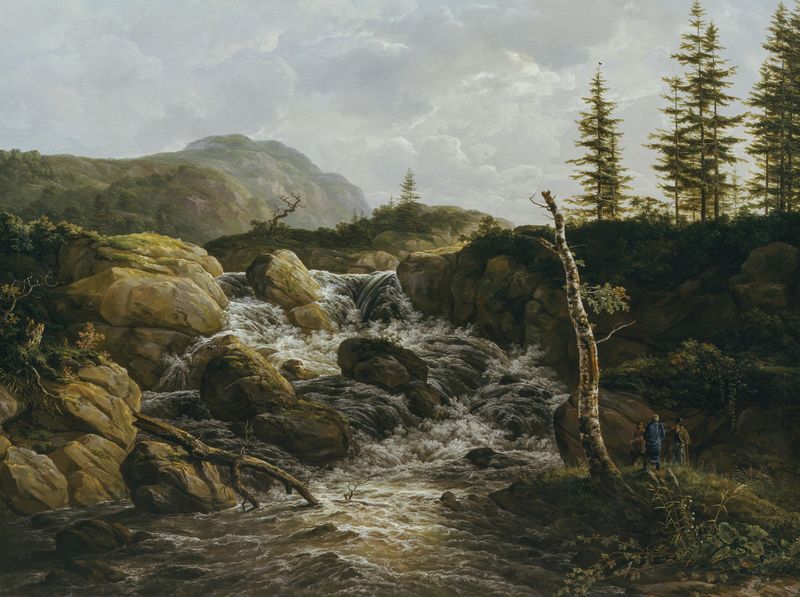
Mountainous Landscape with a Waterfall, Norway
Johan Christian Dahl
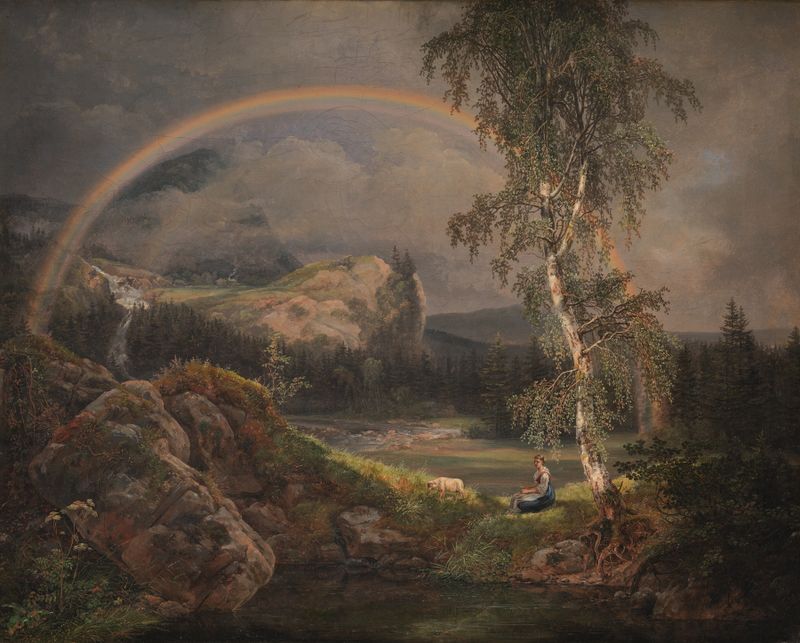
Norwegian Landscape with a Rainbow
Johan Christian Dahl
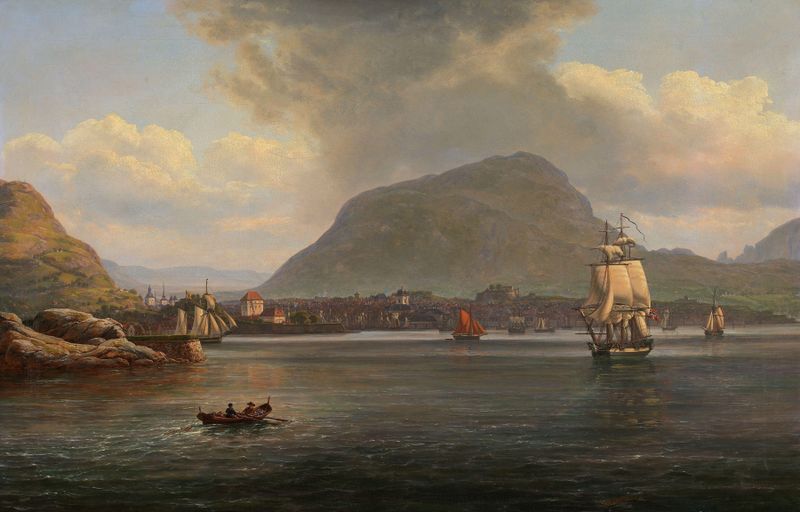
Bergen seen from the northern Inlet
Johan Christian Dahl
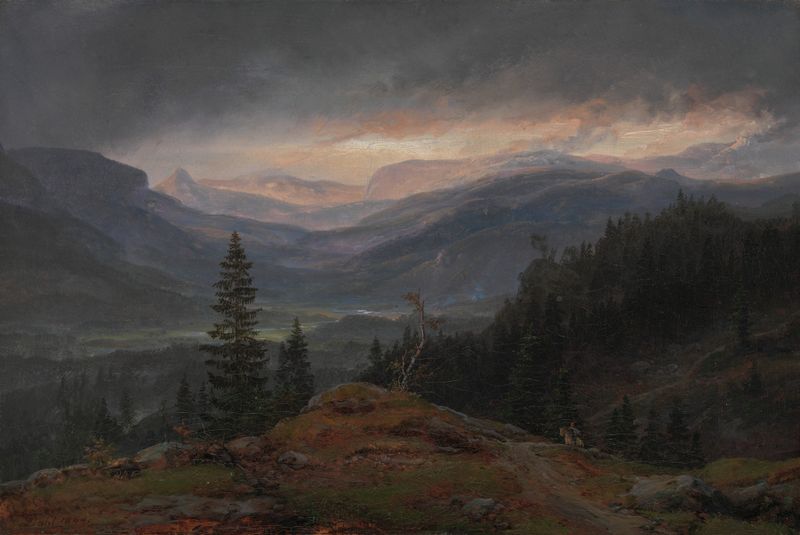
View over Hallingdal
Johan Christian Dahl
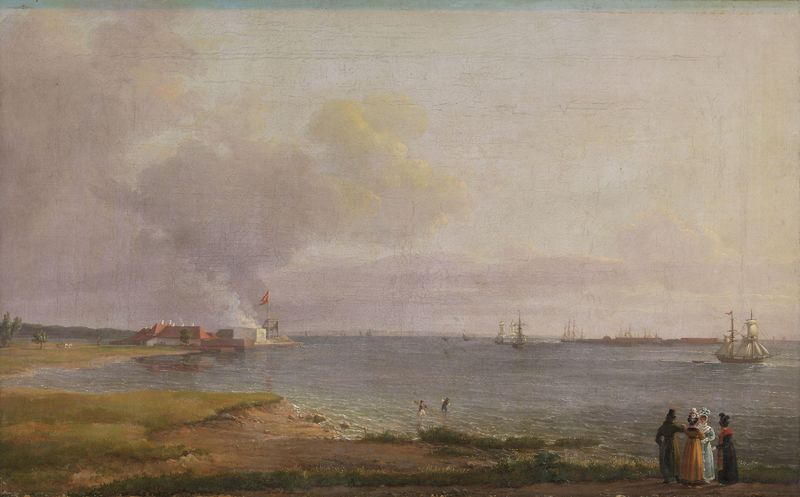
View over Øresund near the Lime Works
Johan Christian Dahl
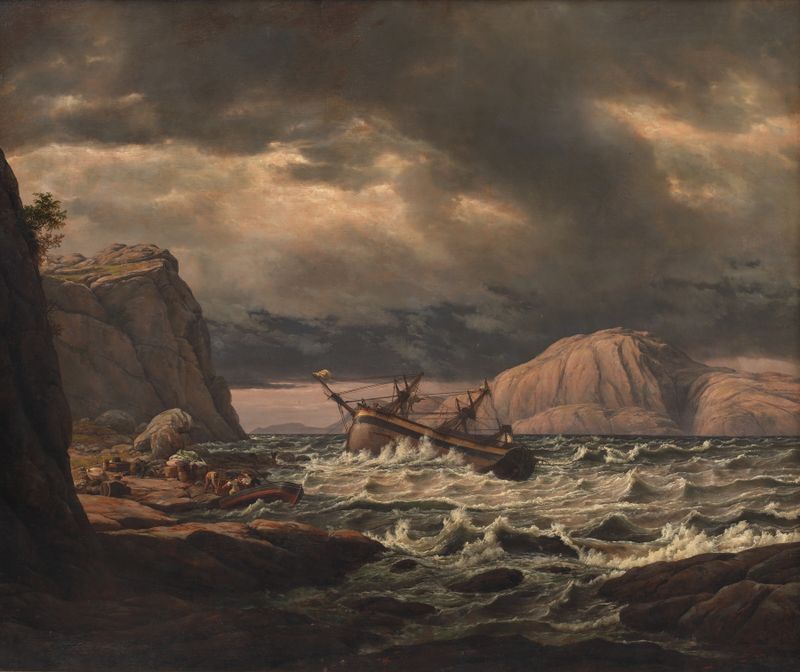
A Shipwreck on the Coast of Norway
Johan Christian Dahl
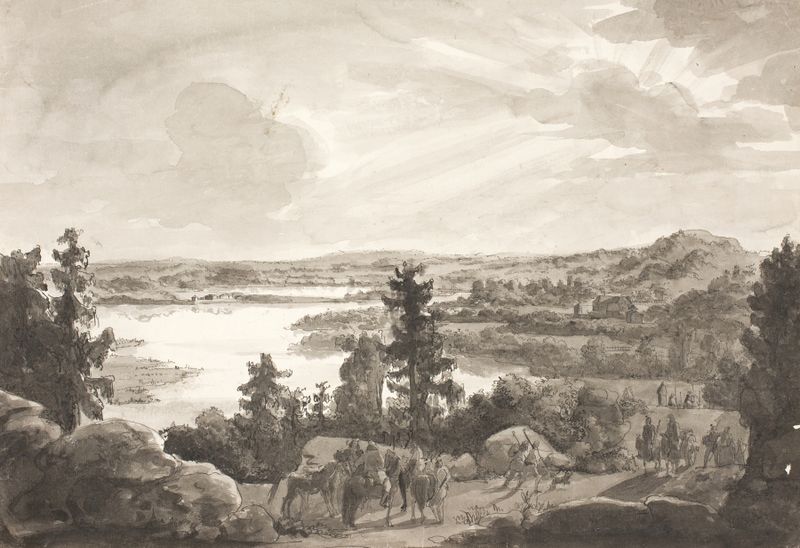
View of a Lake, Norway
Johan Christian Dahl
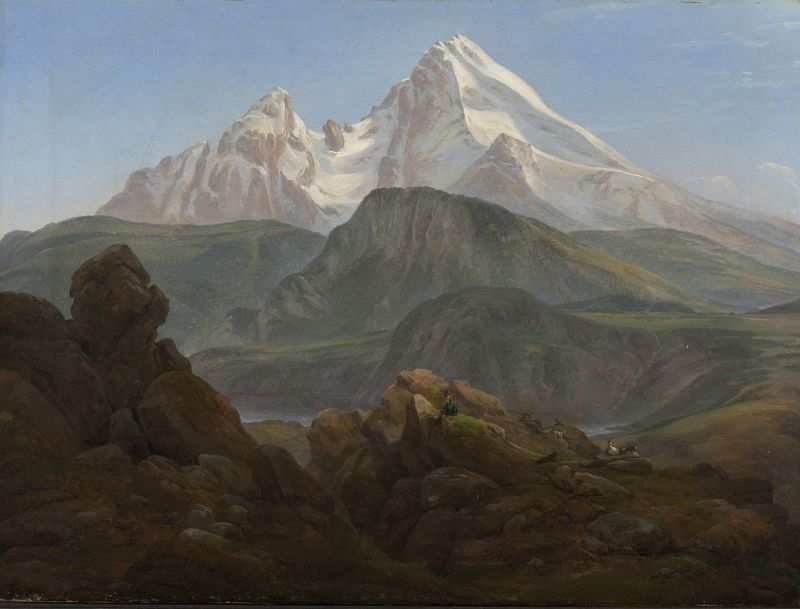
The Watzmann
Johan Christian Dahl
View of Hjelle in Valdres
Johan Christian Dahl

View At Skjolden In Lyster
Johan Christian Dahl





