
Suma, Illustration to Chapter 12 of the Tale of Genji (Genji monogatari) — História e Análise
Quem escuta quando a arte fala de silêncio? Em um mundo onde as emoções estão encobertas por gestos sutis e olhares fugazes, a transformação silenciosa de um momento é capturada com requintada delicadeza. Olhe para a esquerda, onde uma figura em elaboradas vestes se ergue à beira da cena, sua linguagem corporal impregnada de graça e contemplação. Note os padrões intrincados tecidos em suas vestes, cada pincelada revelando um pequeno universo de detalhes. Os suaves tons pastéis de rosa e ouro dominam a paleta, criando uma atmosfera etérea que convida o espectador ao mundo íntimo do Conto de Genji.
A meticulosa técnica do artista traz textura tanto ao tecido quanto ao fundo, permitindo que a luz dance suavemente sobre os personagens, realçando a sensação de reflexão silenciosa. Sob a superfície deste sereno tableau reside uma profunda tensão entre isolamento e conexão. A distância entre as figuras fala volumes — um lembrete das barreiras emocionais entrelaçadas nas relações humanas. O espectador pode sentir o pulso de palavras não ditas e o peso de lágrimas não derramadas.
Cada elemento, desde as flores cuidadosamente arranjadas até a posição das mãos, ecoa o tema da transformação, sugerindo que os personagens estão à beira da mudança, presos no fluxo do tempo e da emoção. Tosa Mitsunobu criou esta ilustração durante o período Muromachi, especificamente entre 1509 e 1510, uma época em que o mundo da arte japonesa estava imerso na estética da era Heian. Como uma figura proeminente da escola Kanō, ele estava profundamente envolvido em fundir estilos narrativos tradicionais com os gostos em evolução de seu tempo, refletindo tanto a beleza quanto as complexidades da experiência humana, como se vê nesta delicada representação de um dos tesouros literários do Japão.
Mais obras de Tosa Mitsunobu
Ver tudo →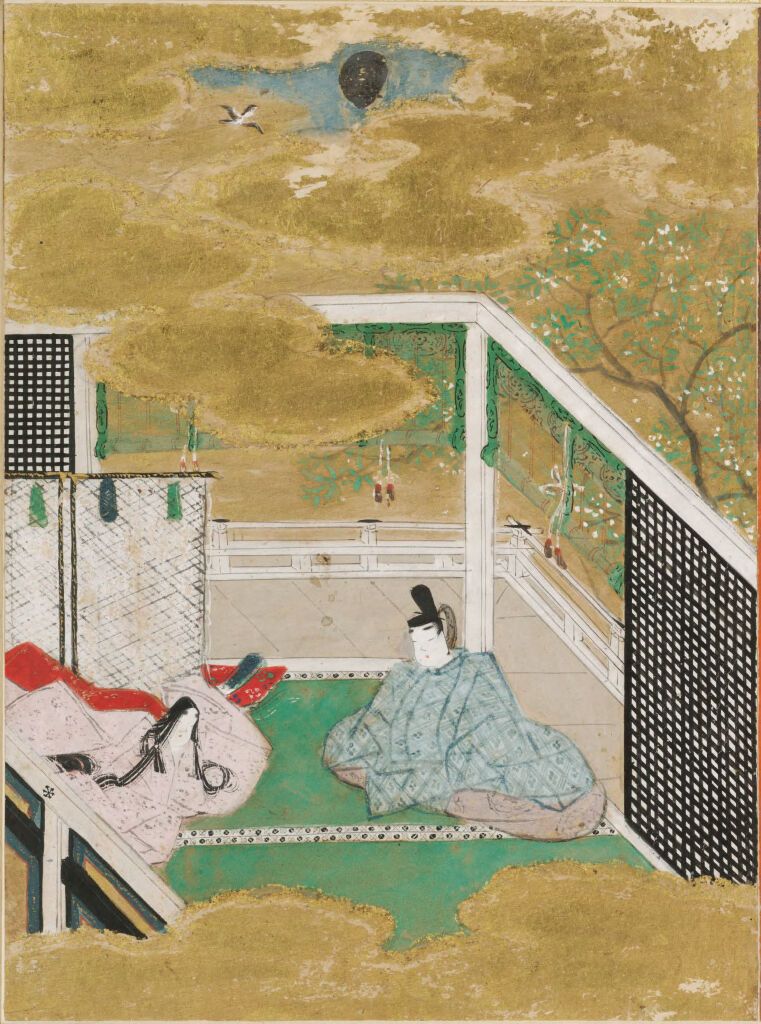
Falling Flowers (Hanachirusato), Illustration to Chapter 11 of the Tale of Genji (Genji monogatari)
Tosa Mitsunobu
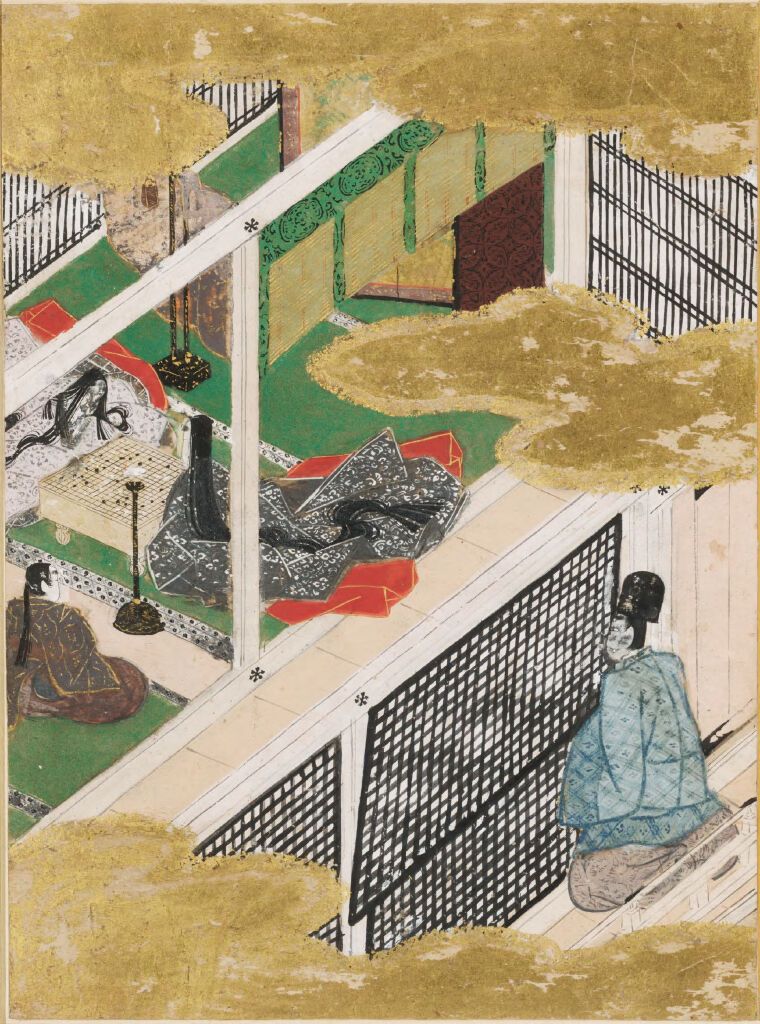
The Cicada Shell (Utsusemi), Illustration to Chapter 3 of the Tale of Genji (Genji monogatari)
Tosa Mitsunobu
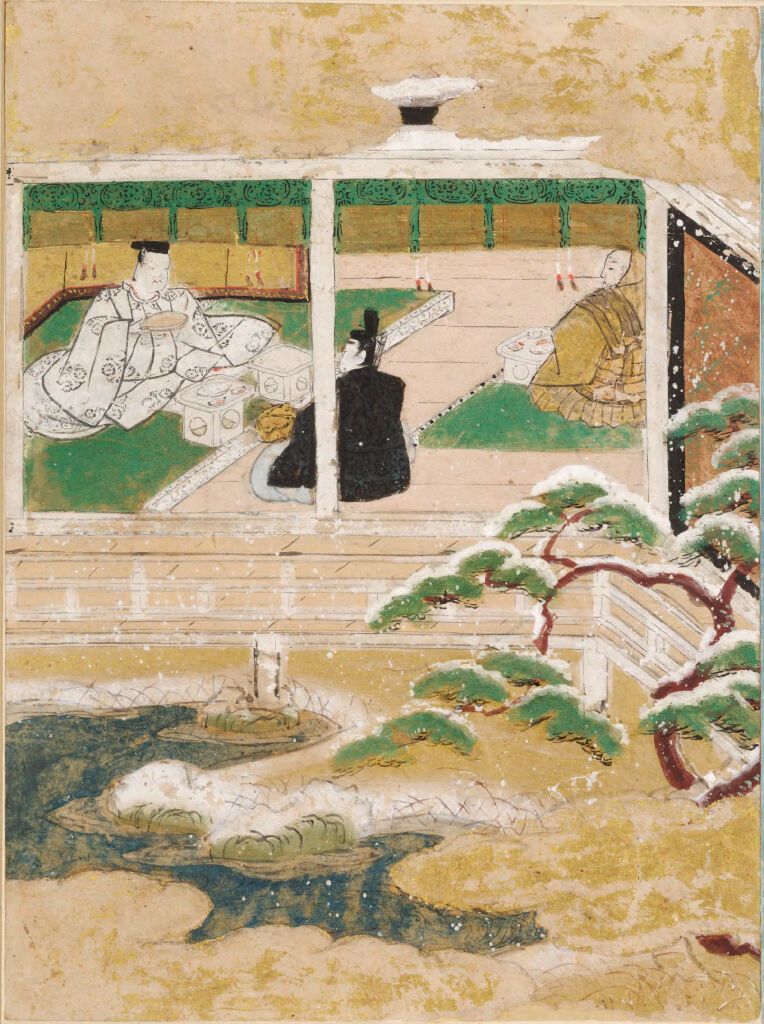
The Seer (Maboroshi), Illustration to Chapter 41 of the Tale of Genji (Genji monogatari)
Tosa Mitsunobu
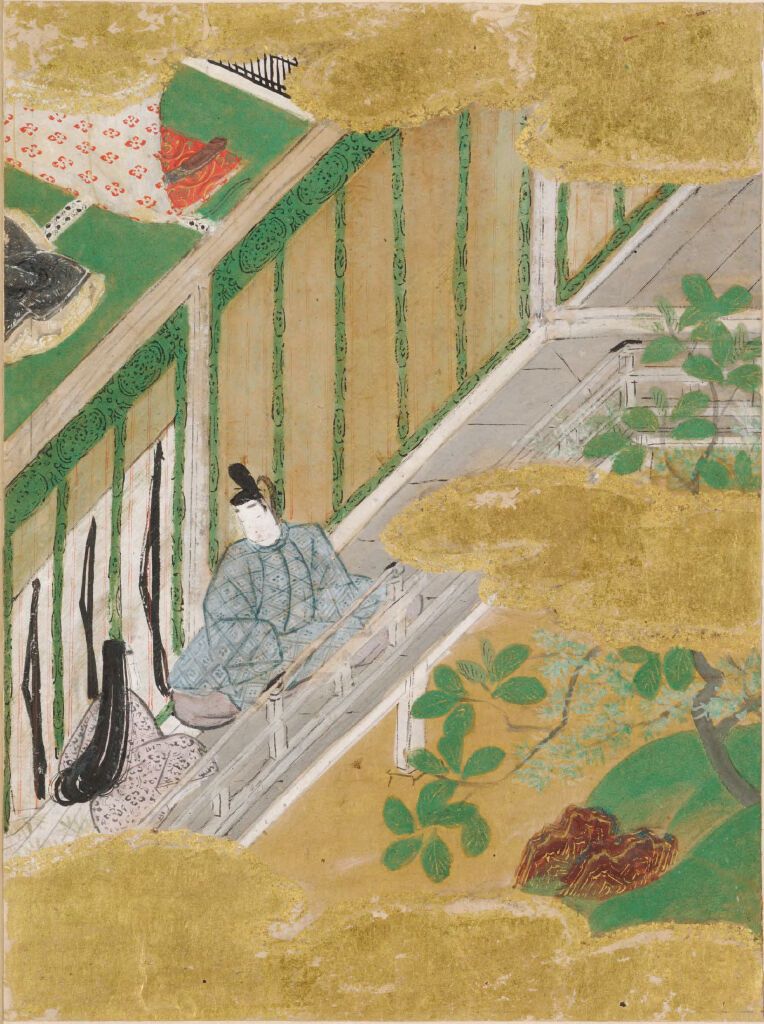
The Oak Tree (Kashiwagi), Illustration to Chapter 36 of the Tale of Genji (Genji monogatari)
Tosa Mitsunobu
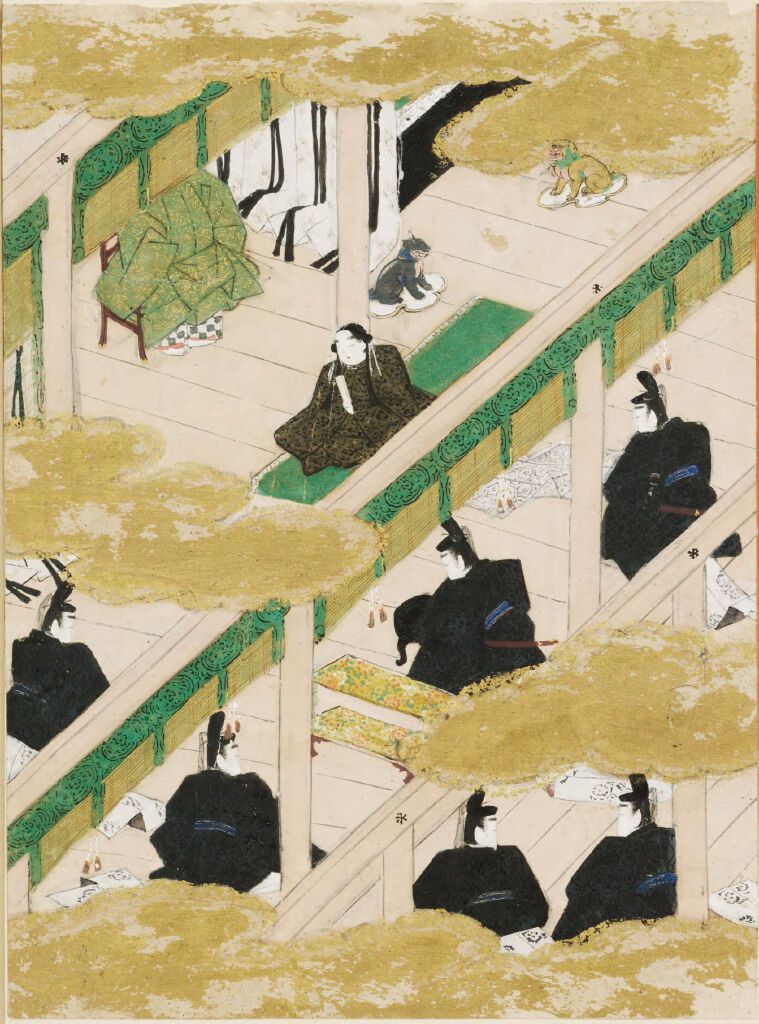
The Paulownia Pavilion (Kiritsubo), Illustration to Chapter 1 of the Tale of Genji (Genji monogatari)
Tosa Mitsunobu
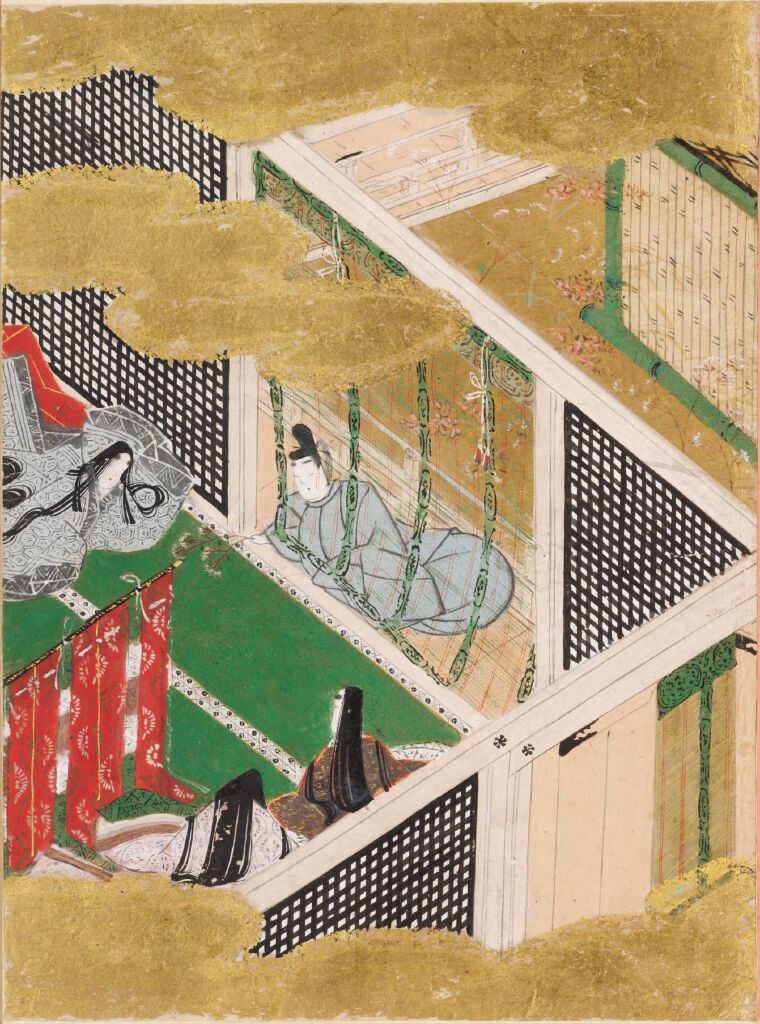
Thoroughwort Flowers (Fujibakama), Illustration to Chapter 30 of the Tale of Genji (Genji monogatari)
Tosa Mitsunobu

Under the Cherry Blossoms (Hana no En), Illustration to Chapter 8 of the Tale of Genji (Genji monogatari)
Tosa Mitsunobu

The Pilgrimage to Sumiyoshi (Miotsukushi), Illustration to Chapter 14 of the Tale of Genji (Genji monogatari)
Tosa Mitsunobu
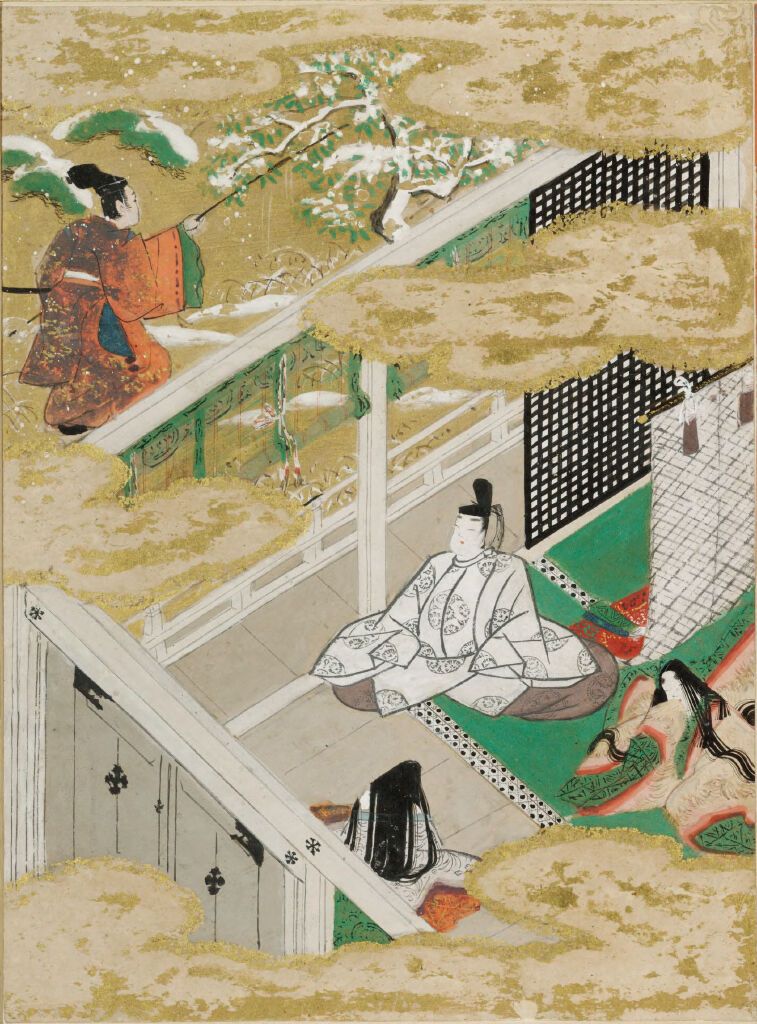
The Safflower (Suetsumuhana), Illustration to Chapter 6 of the Tale of Genji (Genji monogatari)
Tosa Mitsunobu
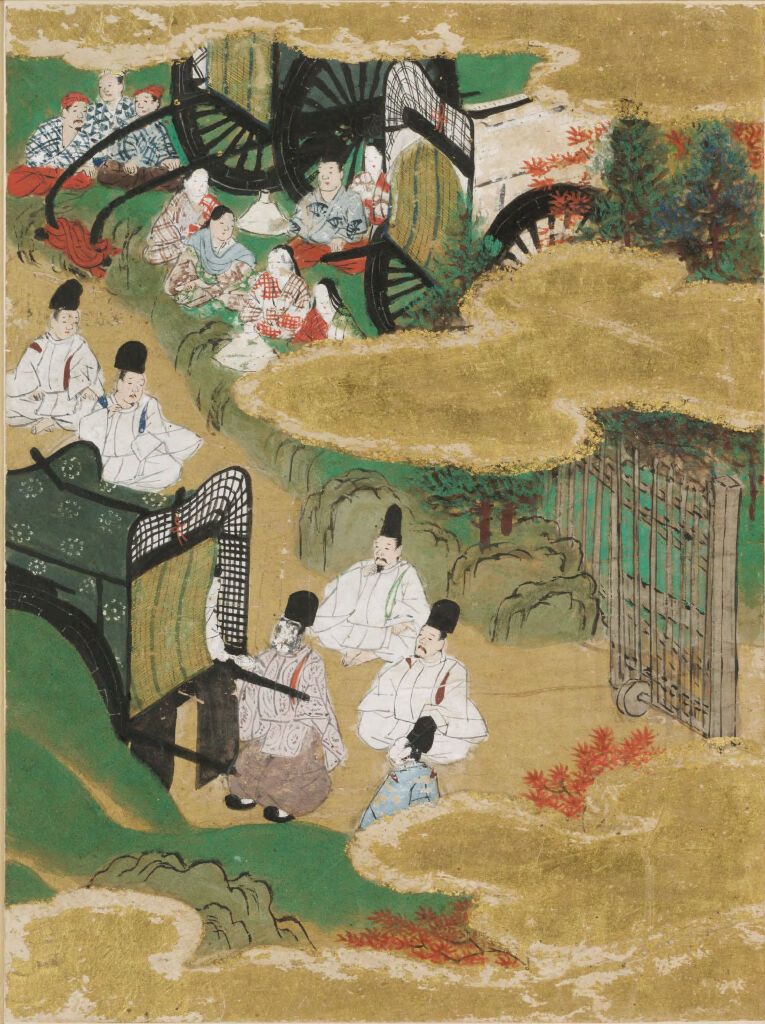
At the Pass (Sekiya), Illustration to Chapter 16 of the Tale of Genji (Genji monogatari)
Tosa Mitsunobu
Mais arte de Ilustração
Ver tudo →Falling Flowers (Hanachirusato), Illustration to Chapter 11 of the Tale of Genji (Genji monogatari)
Tosa Mitsunobu
The Cicada Shell (Utsusemi), Illustration to Chapter 3 of the Tale of Genji (Genji monogatari)
Tosa Mitsunobu
The Seer (Maboroshi), Illustration to Chapter 41 of the Tale of Genji (Genji monogatari)
Tosa Mitsunobu
The Oak Tree (Kashiwagi), Illustration to Chapter 36 of the Tale of Genji (Genji monogatari)
Tosa Mitsunobu
The Paulownia Pavilion (Kiritsubo), Illustration to Chapter 1 of the Tale of Genji (Genji monogatari)
Tosa Mitsunobu
Thoroughwort Flowers (Fujibakama), Illustration to Chapter 30 of the Tale of Genji (Genji monogatari)
Tosa Mitsunobu