
Sunset Scene — História e Análise
What if silence could speak through light? In the gentle embrace of dusk, Bannister invites us to witness a moment of rebirth, where day surrenders to the quiet promise of night. Look to the left at the tender interplay of colors—a palette of warm oranges and soft purples melding seamlessly as the sun dips below the horizon. The clouds, brushed with delicate strokes, radiate a soft luminescence that dances above the still water. Notice how the light falls upon the serene landscape, casting reflections that shimmer on the surface, inviting contemplation.
The horizon stretches wide, drawing the eye toward the fading sun, a focal point that captures both beauty and transience. Within this serene composition lies the tension of change. The tranquil waters may symbolize a moment of pause, yet the vibrant hues suggest the fleeting nature of time—the day’s end is both an ending and a beginning. The contrast between the vibrancy of the sky and the calm stillness of the water evokes a profound sense of peace, while whispering the inevitable arrival of night.
Here, in this delicate balance, lies an invitation to reflect on our own cycles of rebirth and renewal. Edward Mitchell Bannister created Sunset Scene between 1875 and 1885, during a time when he was carving a space for himself in a predominantly white art world. Living and working in Providence, Rhode Island, he faced both personal and professional challenges. Yet, his dedication to exploring nature’s beauty through light and color resulted in a body of work that resonated with themes of identity and transformation, reflecting the broader changes occurring in American society.
Mais obras de Edward Mitchell Bannister
Ver tudo →
Landscape
Edward Mitchell Bannister
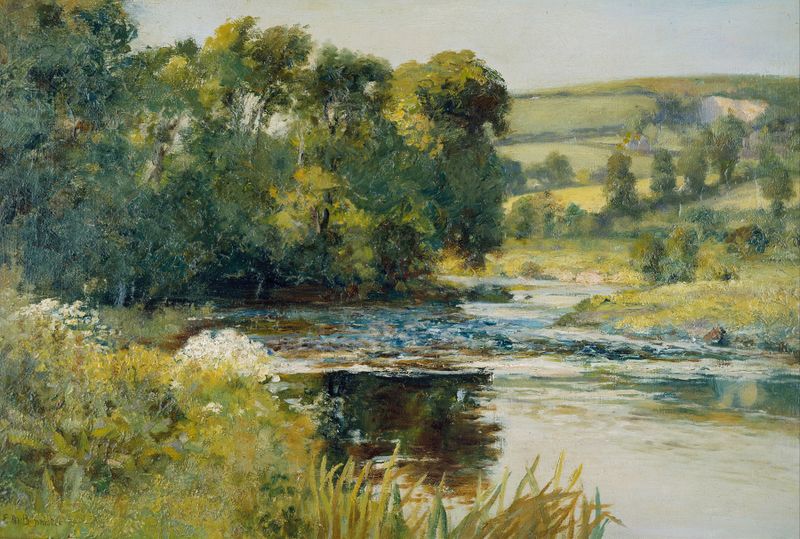
Streamside
Edward Mitchell Bannister

Untitled
Edward Mitchell Bannister

On the Seekonk
Edward Mitchell Bannister

Morning on the Shore
Edward Mitchell Bannister

Summer Twilight
Edward Mitchell Bannister
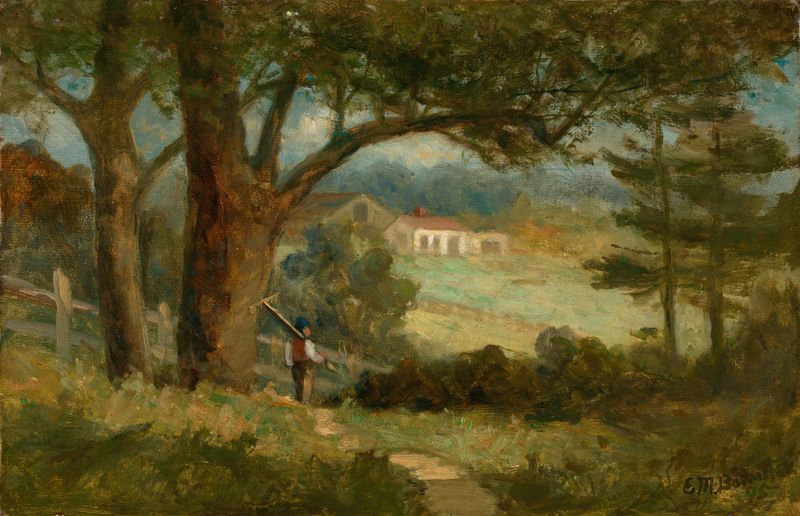
Homeward
Edward Mitchell Bannister
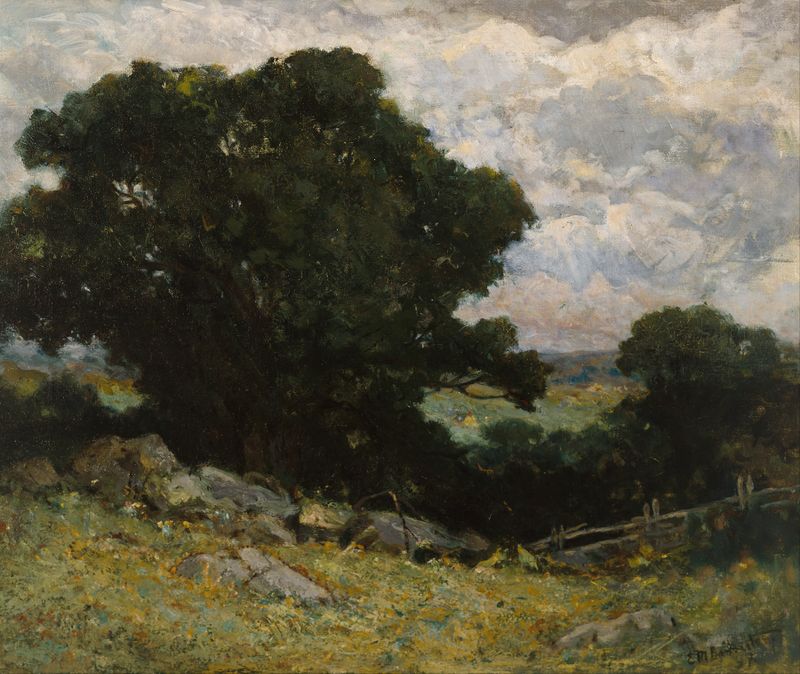
Landscape
Edward Mitchell Bannister
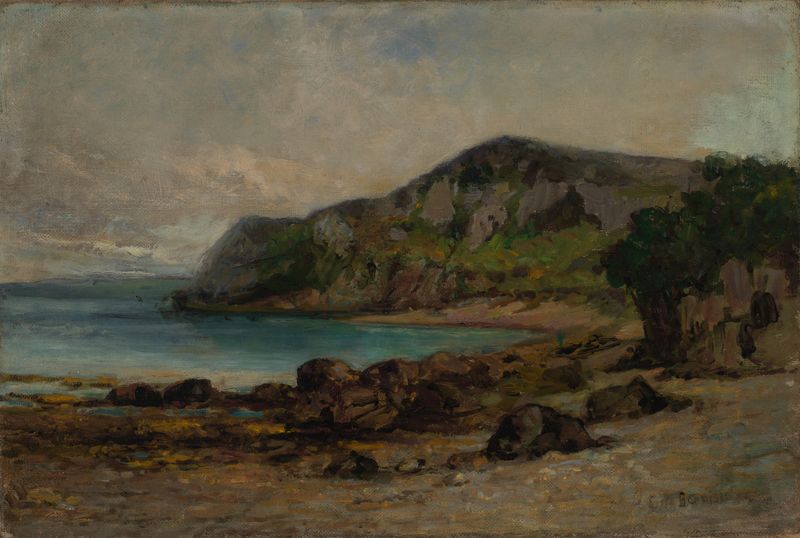
Rocks at Newport
Edward Mitchell Bannister

Sunset
Edward Mitchell Bannister





