
Tale of the Rat (Nezumi zōshi emaki) — História e Análise
É um espelho — ou uma memória? Em Conto do Rato, o espectador é convidado a ponderar sobre a natureza da transformação, onde o ordinário se transforma em extraordinário. Concentre seu olhar na intrincada pincelada que dá vida à narrativa vívida. Os ricos pigmentos de ouro e índigo, contra o delicado papel de arroz, capturam um mundo fantástico onde os ratos não são meros vermes, mas personagens cheios de agência e nuances. Note como a composição se desenrola ao longo do pergaminho, guiando seus olhos por uma jornada caprichosa.
Cada cena é emoldurada com um cuidadoso equilíbrio entre caos e ordem, criando um fluxo rítmico que espelha os ciclos da vida. Dentro desta obra reside a tensão entre o mundano e o mágico. Os ratos, representados em vários estados de comportamento humano, sugerem um comentário mais profundo sobre hierarquia social e transformação. Olhe de perto os gestos sutis e expressivos — um rato olhando por cima do ombro, outro engajado em conversa — cada detalhe ressoa com um senso de urgência e relação.
Esta dança entre espécies levanta questões sobre identidade e o fino véu que separa a humanidade do reino animal. Tosa Mitsunobu criou esta peça em 1469 durante o período Muromachi, uma época marcada por instabilidade política e florescimento cultural no Japão. Como um proeminente pintor da escola Kanō, Mitsunobu foi fundamental na fusão de estilos tradicionais com novas técnicas inovadoras. Esta obra reflete a fascinação da era pela narrativa e pelo fantástico, convidando os espectadores a refletir sobre suas próprias transformações em meio à turbulência da vida.
Mais obras de Tosa Mitsunobu
Ver tudo →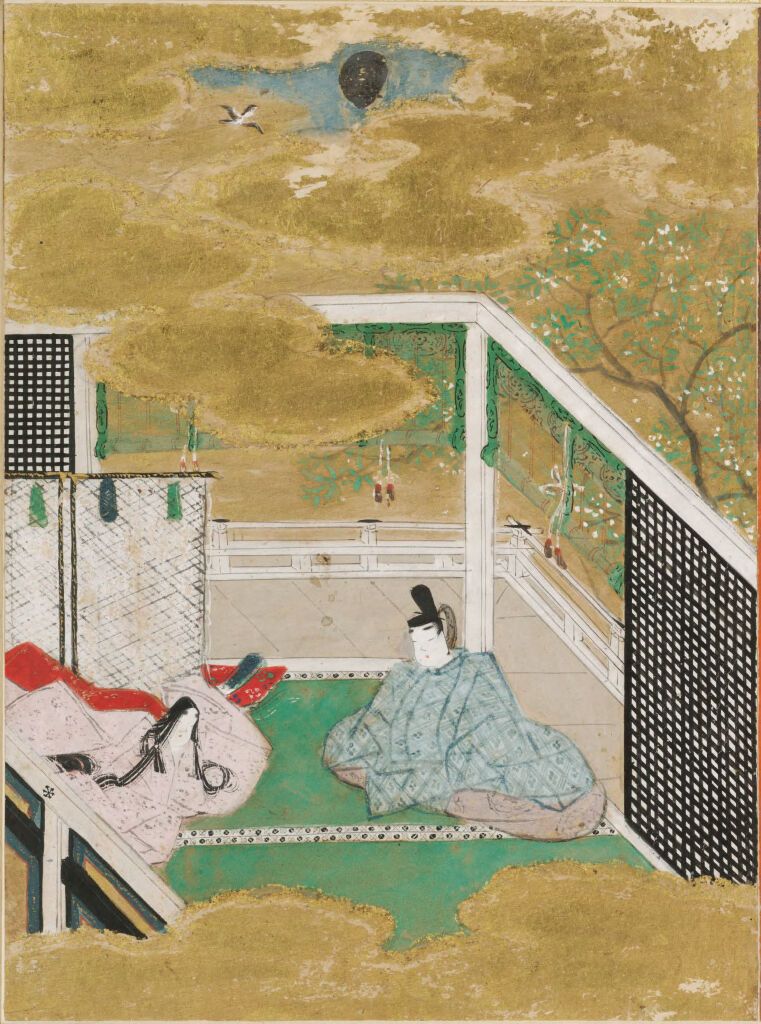
Falling Flowers (Hanachirusato), Illustration to Chapter 11 of the Tale of Genji (Genji monogatari)
Tosa Mitsunobu
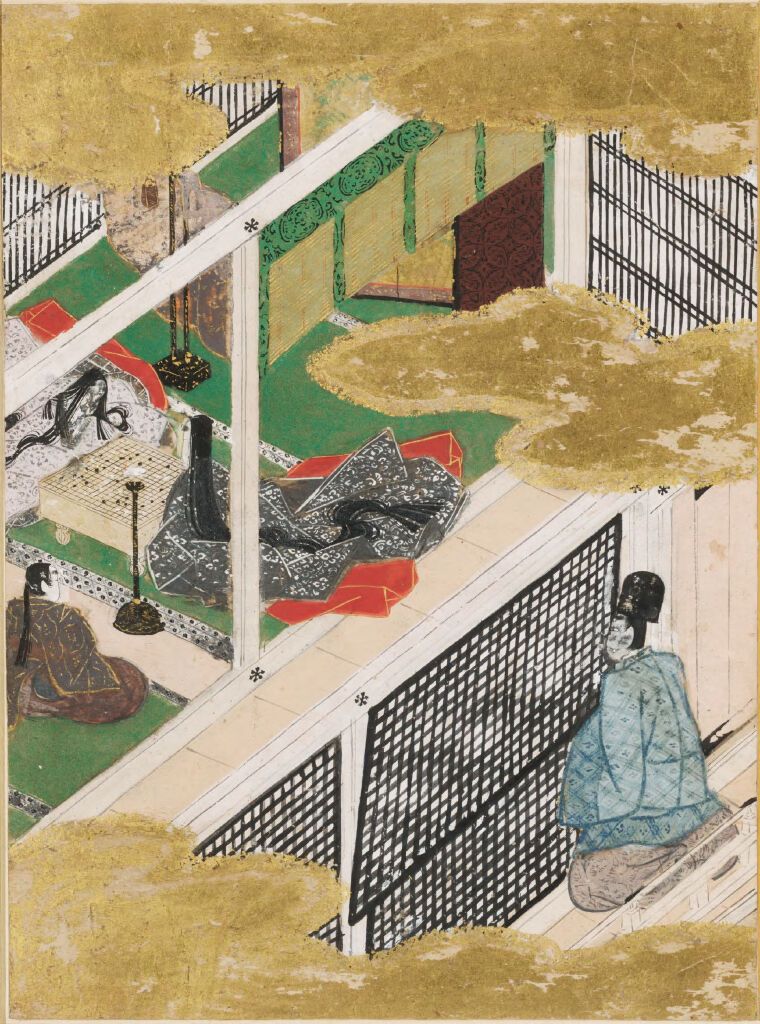
The Cicada Shell (Utsusemi), Illustration to Chapter 3 of the Tale of Genji (Genji monogatari)
Tosa Mitsunobu
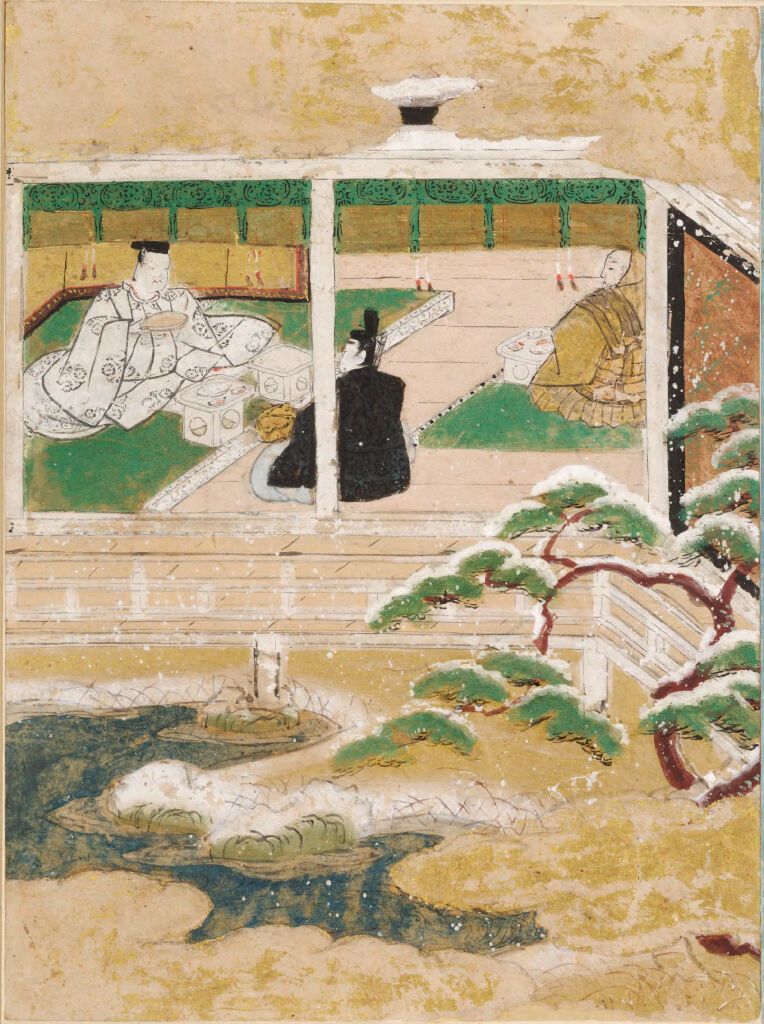
The Seer (Maboroshi), Illustration to Chapter 41 of the Tale of Genji (Genji monogatari)
Tosa Mitsunobu
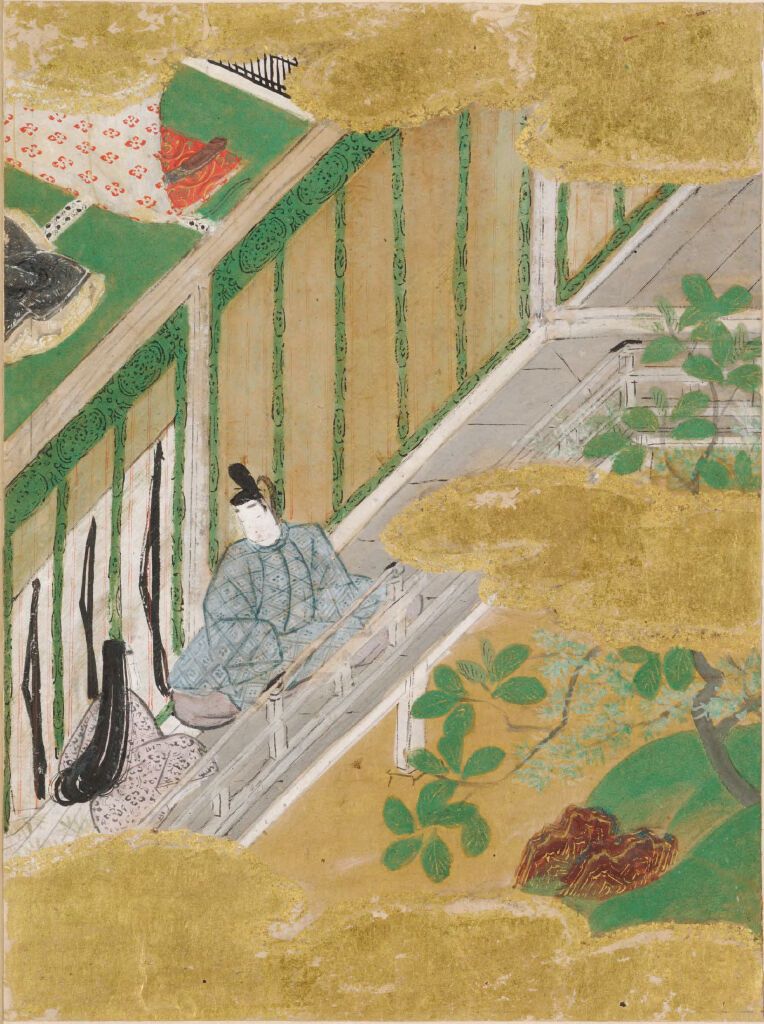
The Oak Tree (Kashiwagi), Illustration to Chapter 36 of the Tale of Genji (Genji monogatari)
Tosa Mitsunobu
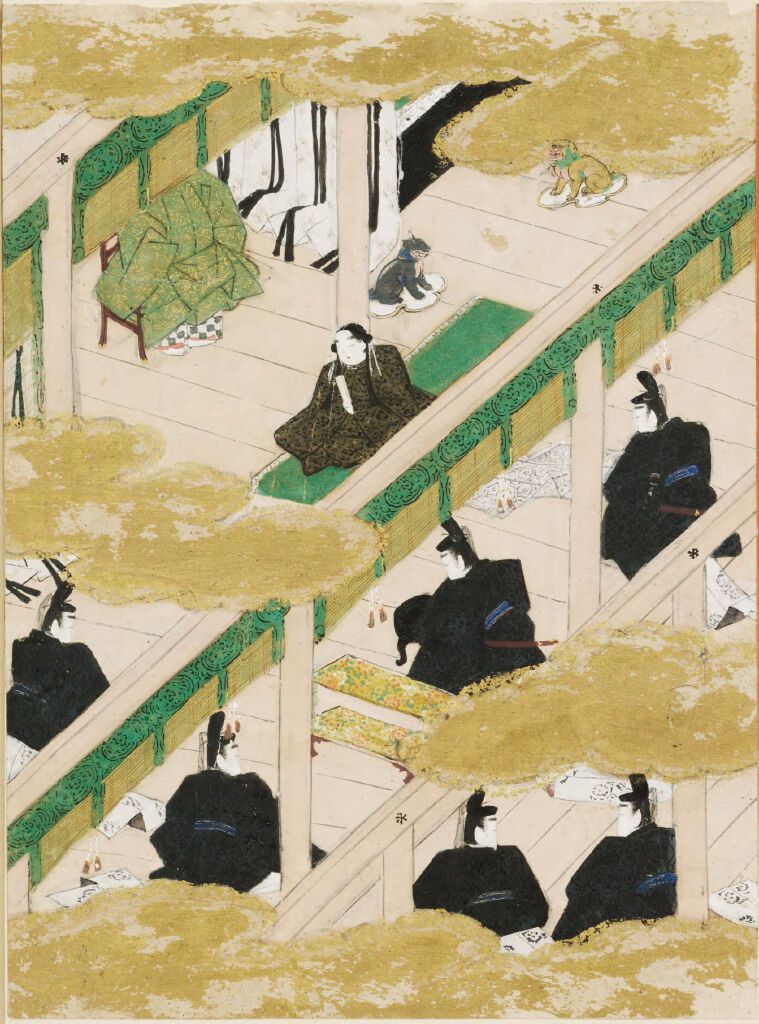
The Paulownia Pavilion (Kiritsubo), Illustration to Chapter 1 of the Tale of Genji (Genji monogatari)
Tosa Mitsunobu
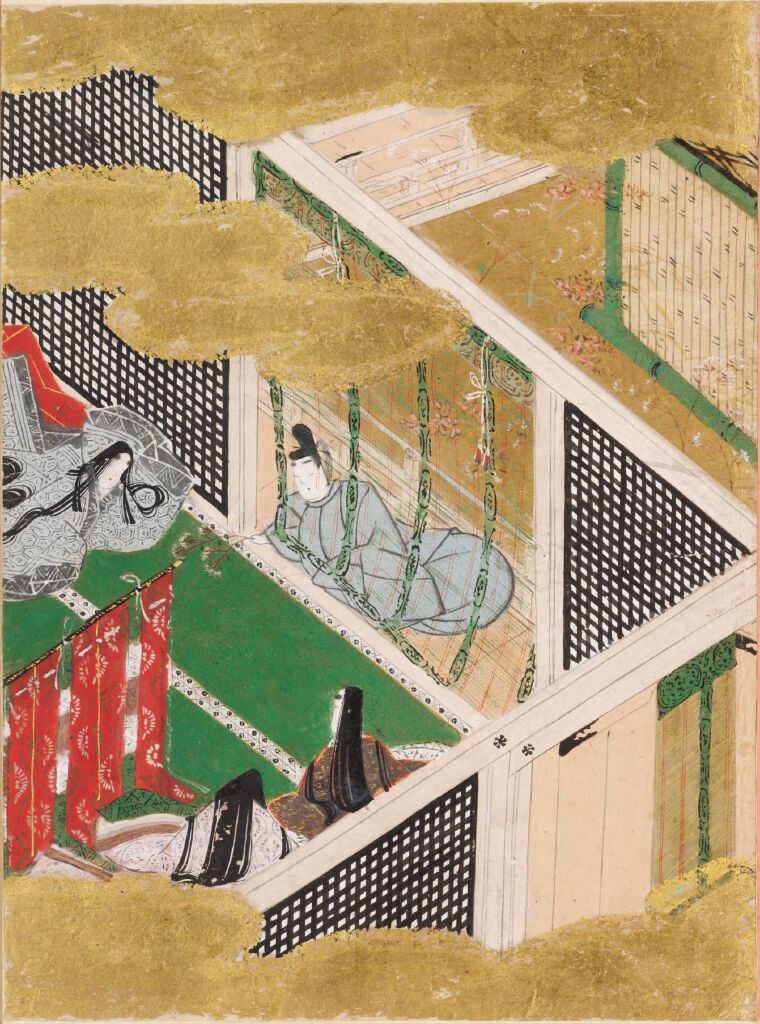
Thoroughwort Flowers (Fujibakama), Illustration to Chapter 30 of the Tale of Genji (Genji monogatari)
Tosa Mitsunobu

Under the Cherry Blossoms (Hana no En), Illustration to Chapter 8 of the Tale of Genji (Genji monogatari)
Tosa Mitsunobu

The Pilgrimage to Sumiyoshi (Miotsukushi), Illustration to Chapter 14 of the Tale of Genji (Genji monogatari)
Tosa Mitsunobu
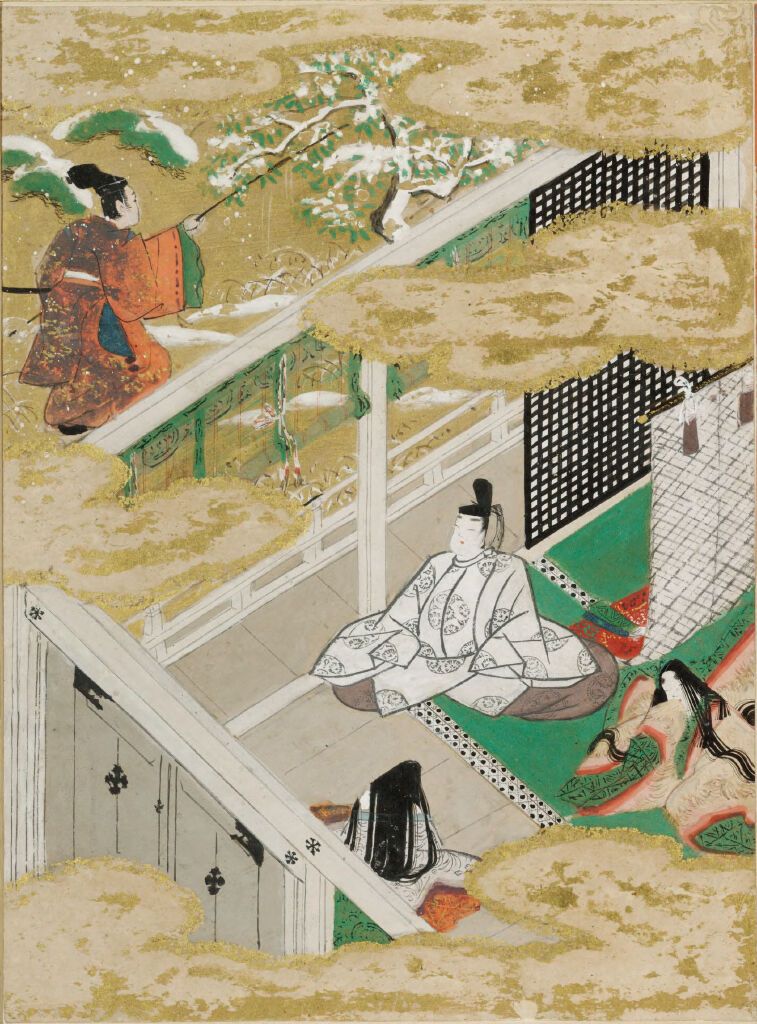
The Safflower (Suetsumuhana), Illustration to Chapter 6 of the Tale of Genji (Genji monogatari)
Tosa Mitsunobu
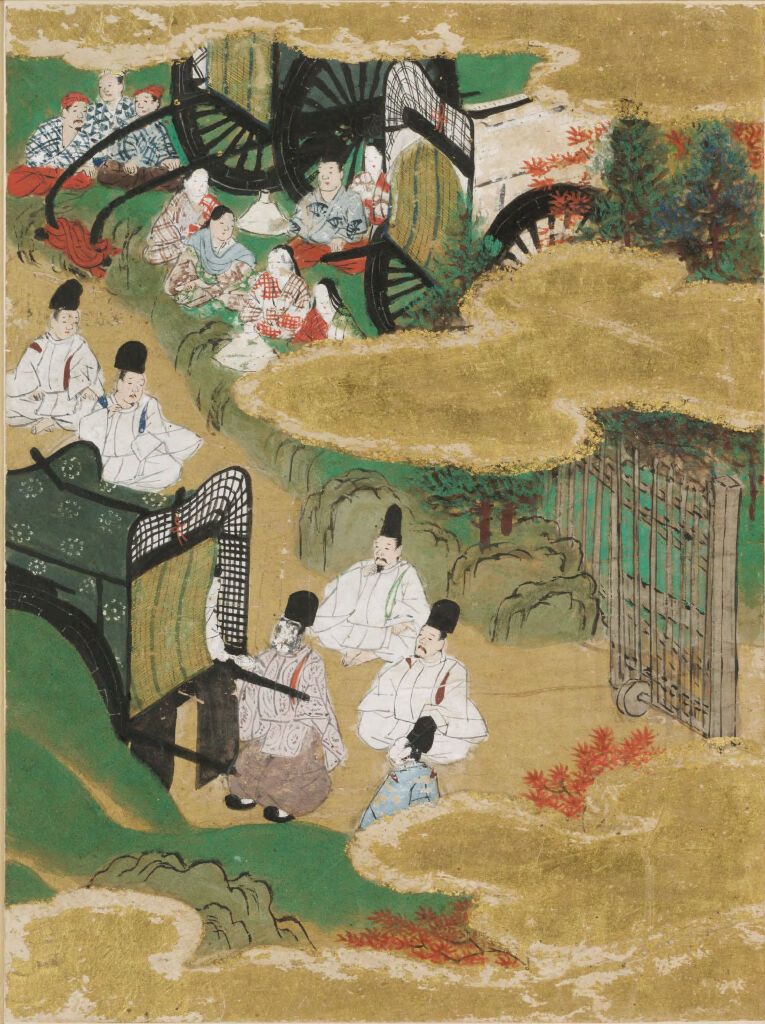
At the Pass (Sekiya), Illustration to Chapter 16 of the Tale of Genji (Genji monogatari)
Tosa Mitsunobu
Mais arte de Ilustração
Ver tudo →Falling Flowers (Hanachirusato), Illustration to Chapter 11 of the Tale of Genji (Genji monogatari)
Tosa Mitsunobu
The Cicada Shell (Utsusemi), Illustration to Chapter 3 of the Tale of Genji (Genji monogatari)
Tosa Mitsunobu
The Seer (Maboroshi), Illustration to Chapter 41 of the Tale of Genji (Genji monogatari)
Tosa Mitsunobu
The Oak Tree (Kashiwagi), Illustration to Chapter 36 of the Tale of Genji (Genji monogatari)
Tosa Mitsunobu
The Paulownia Pavilion (Kiritsubo), Illustration to Chapter 1 of the Tale of Genji (Genji monogatari)
Tosa Mitsunobu
Thoroughwort Flowers (Fujibakama), Illustration to Chapter 30 of the Tale of Genji (Genji monogatari)
Tosa Mitsunobu