Tea caddy with a purple glaze — História e Análise
When did color learn to lie? The deep, alluring purple of this caddy whispers secrets of rebirth, inviting us to question the nature of beauty itself. Look closely at the surface of the piece; the rich glaze catches the light, revealing both vibrancy and depth. Notice how the undulating hues of purple dance across the form, capturing a sense of fluidity that seems almost alive. The delicate contours of the caddy provide a graceful balance, while the intricate details at the base echo a time when craftsmanship was revered.
This remarkable interplay between color and shape creates an atmosphere of both elegance and mystery. Digging deeper, the tea caddy embodies the intriguing tension between utility and artistry. While its purpose is to store a humble commodity, the lavish glaze elevates it to a symbol of status and refinement. The choice of purple—a color often associated with royalty and spirituality—invites contemplation about societal norms and the shifting roles of everyday objects.
As we study its surface, we sense the ambition of its creator, who sought not just to craft, but to evoke emotion and connection through the medium of clay. This piece hails from the late 17th to early 18th century, a time when the art of ceramics saw significant innovation across Europe. The artist, though unknown, operated in an environment that celebrated both exploration and experimentation, as trade routes expanded and exotic materials flowed in. Within this context, the tea caddy stands as a testament to the merging of function and adornment, reflecting a period where even the simplest objects were infused with layers of meaning and aspiration.
Mais obras de Unknown Artist
Ver tudo →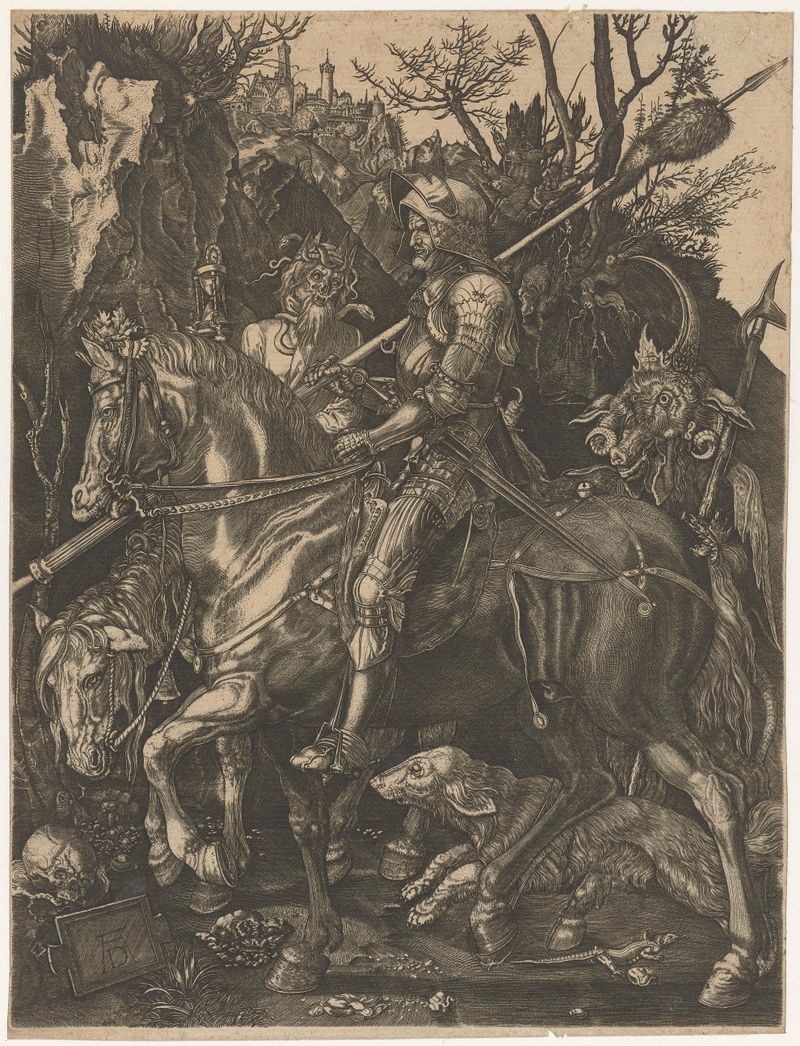
Ridder, Dood en Duivel
Unknown Artist
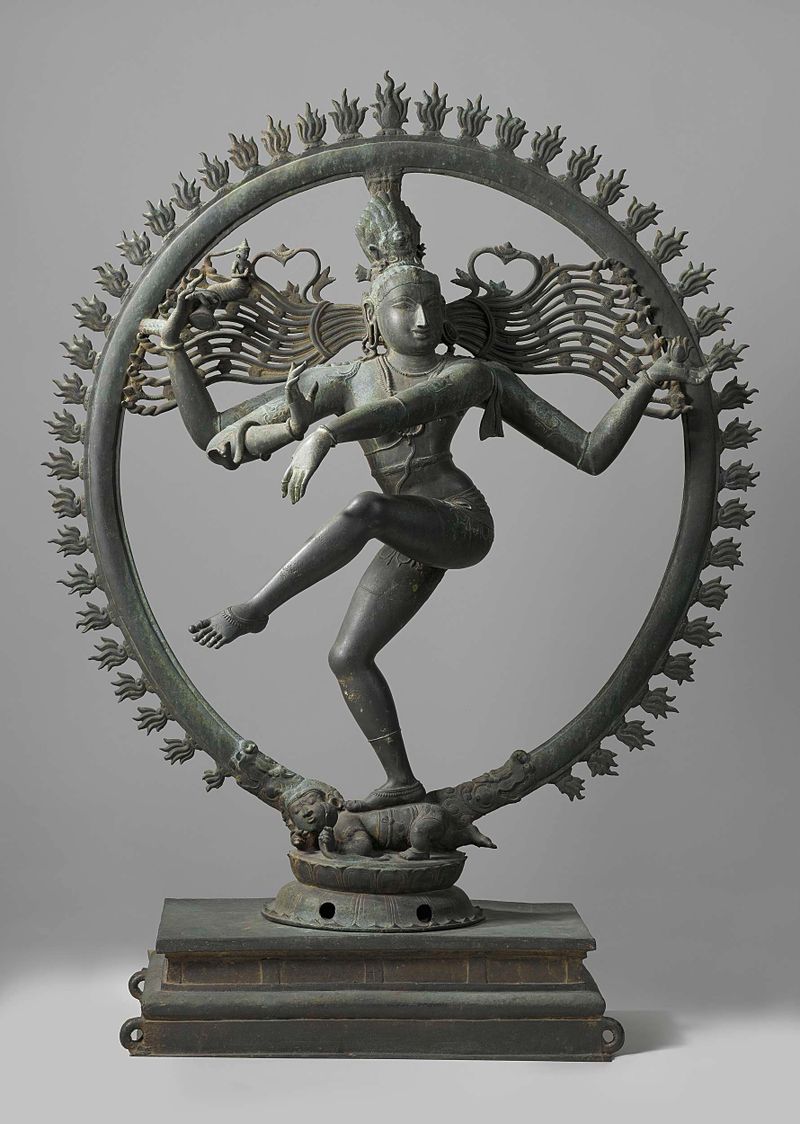
Shiva Nataraja
Unknown Artist
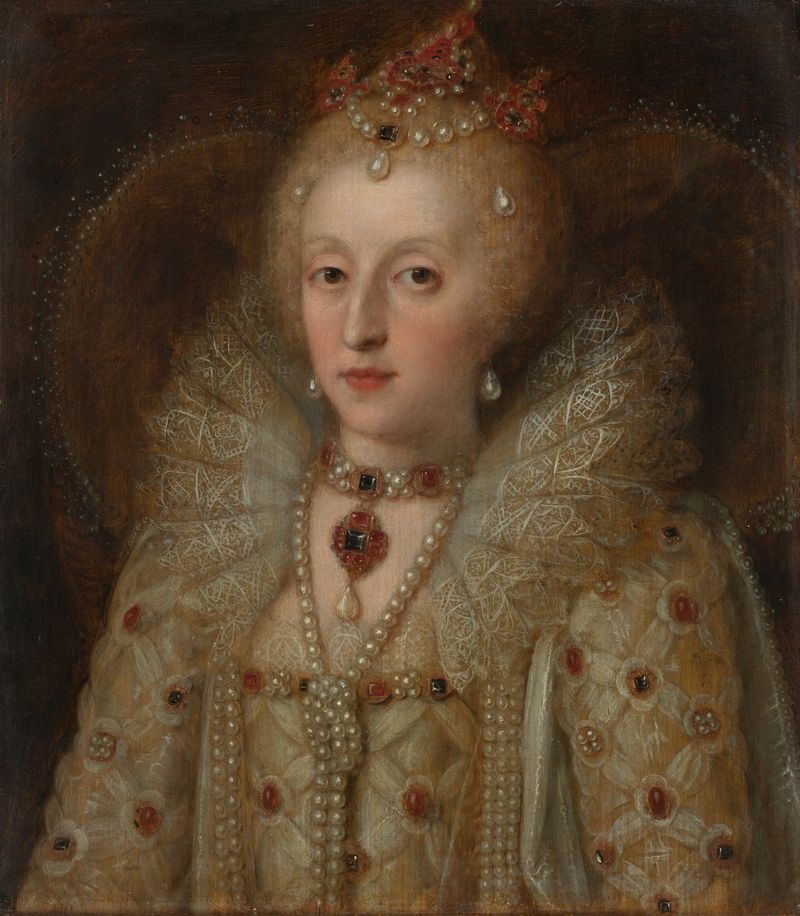
Portrait of Elizabeth I, Queen of England
Unknown Artist
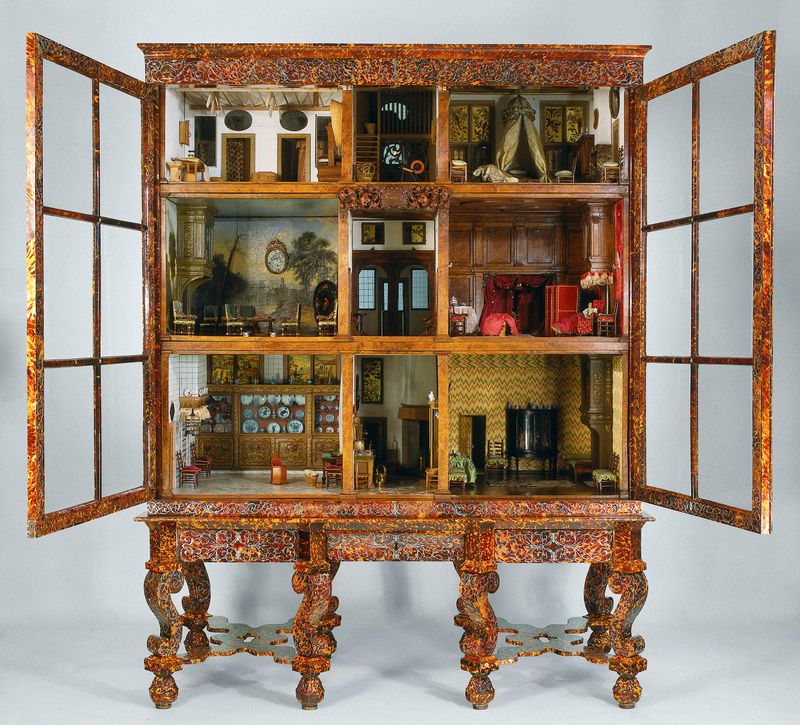
Dolls’ house of Petronella Oortman
Unknown Artist
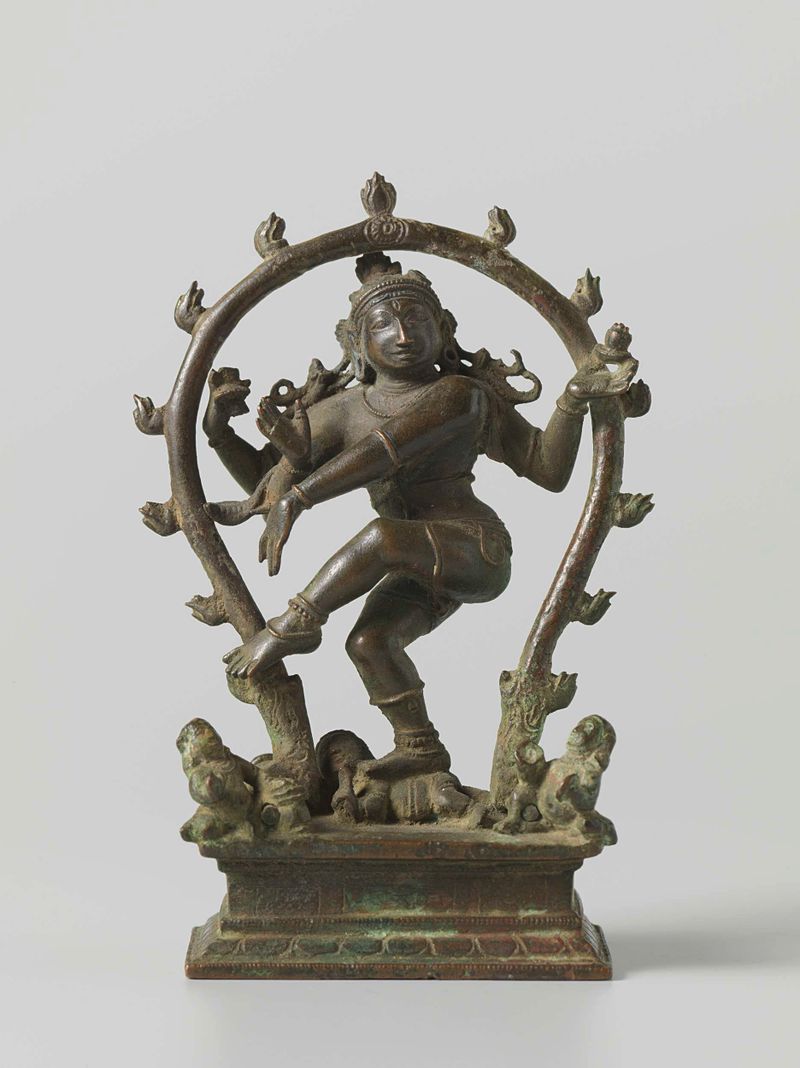
Shiva Nataraja
Unknown Artist

The Tale of Genji
Unknown Artist

The Tale of Genji
Unknown Artist

Cong
Unknown Artist
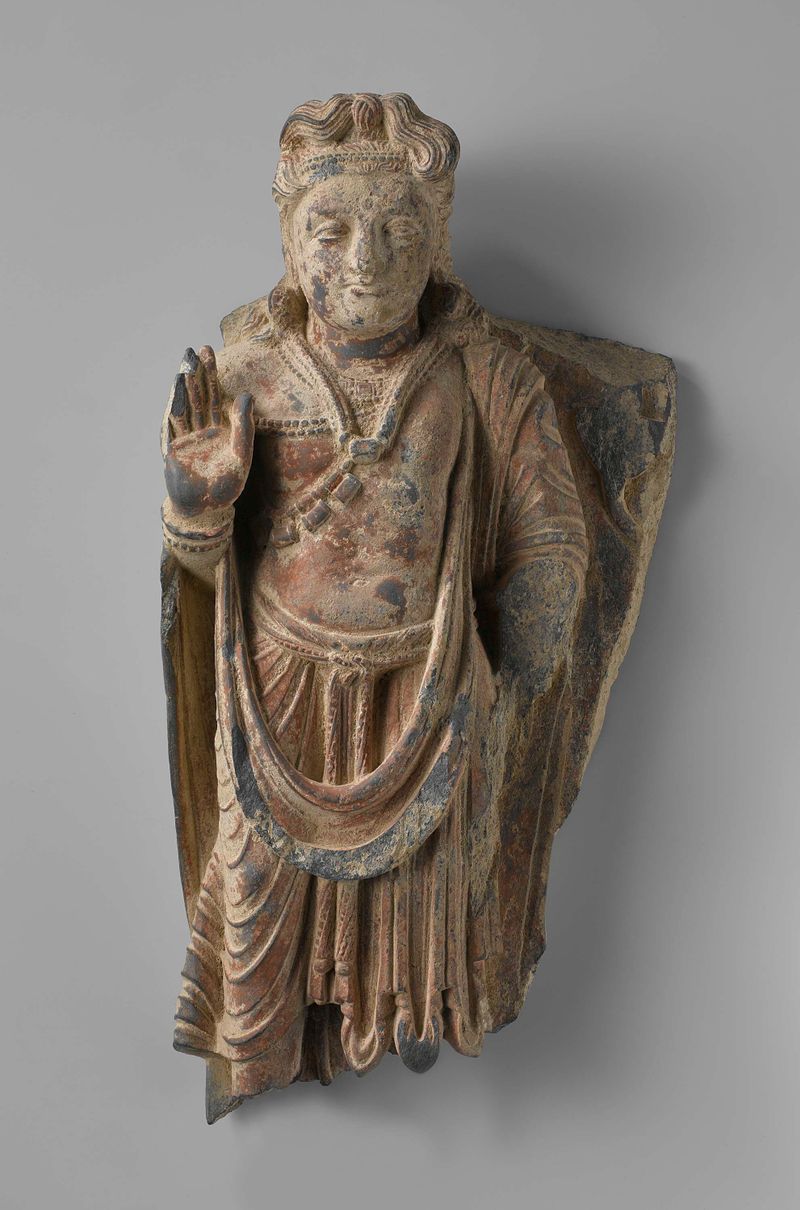
The bodhisattva Maitreya
Unknown Artist

Teabowl with a 'hare's fur' glaze
Unknown Artist